Compact Series
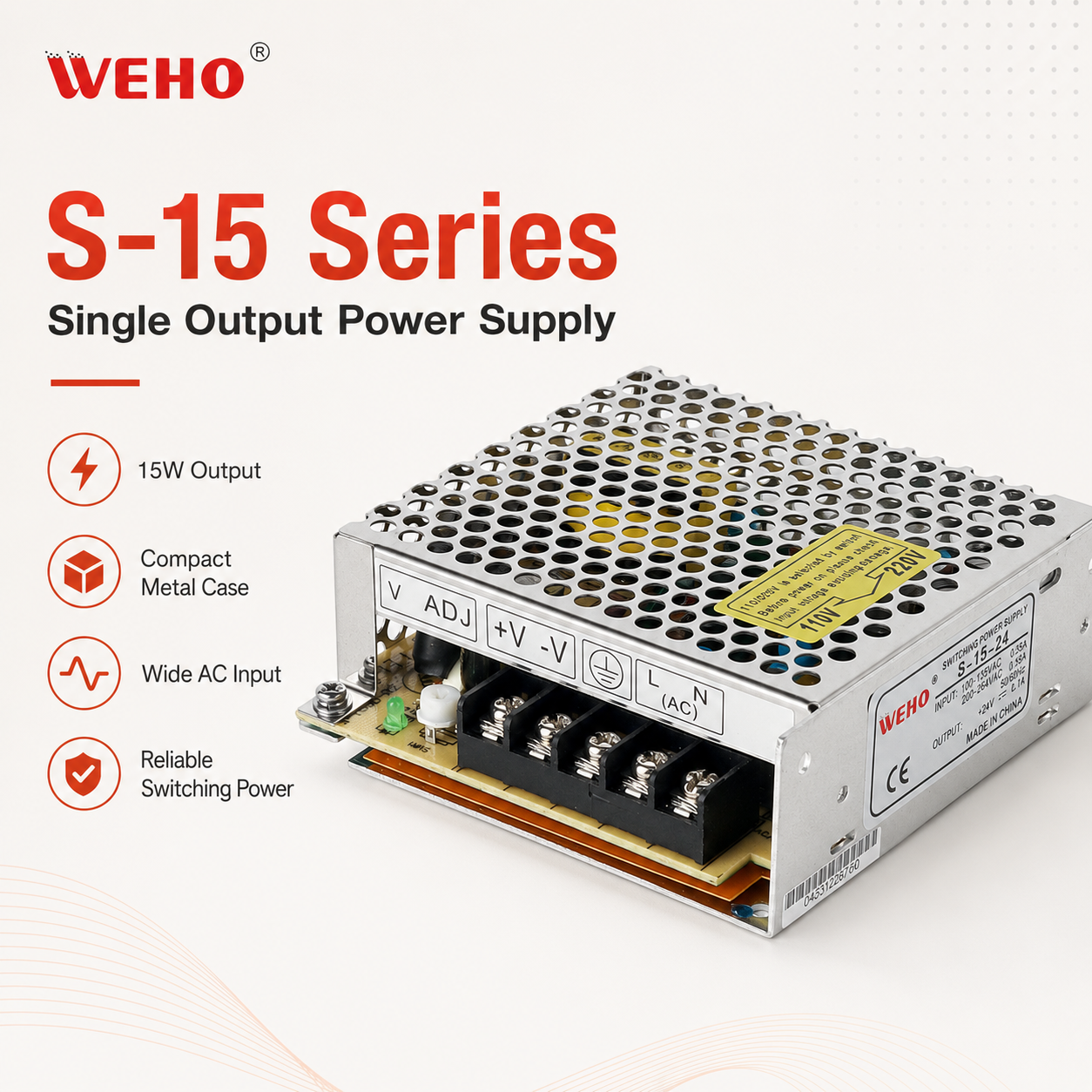
SMPS S-15-5 LED Driver 15W 5V 3A AC DC High Frequency Switching Module
Input: 85–264VAC
Efficiency: 84%
Get a Quote
Our export team supports buyers in these languages:
 Deutsch
 Español
 Français
 Português
 Italiano
 Русский
 العربية
 Türkçe
Precision-built power conversion units designed for continuous duty cycles across robotics, automated test rigs, telecommunications, and high-density industrial control panels.
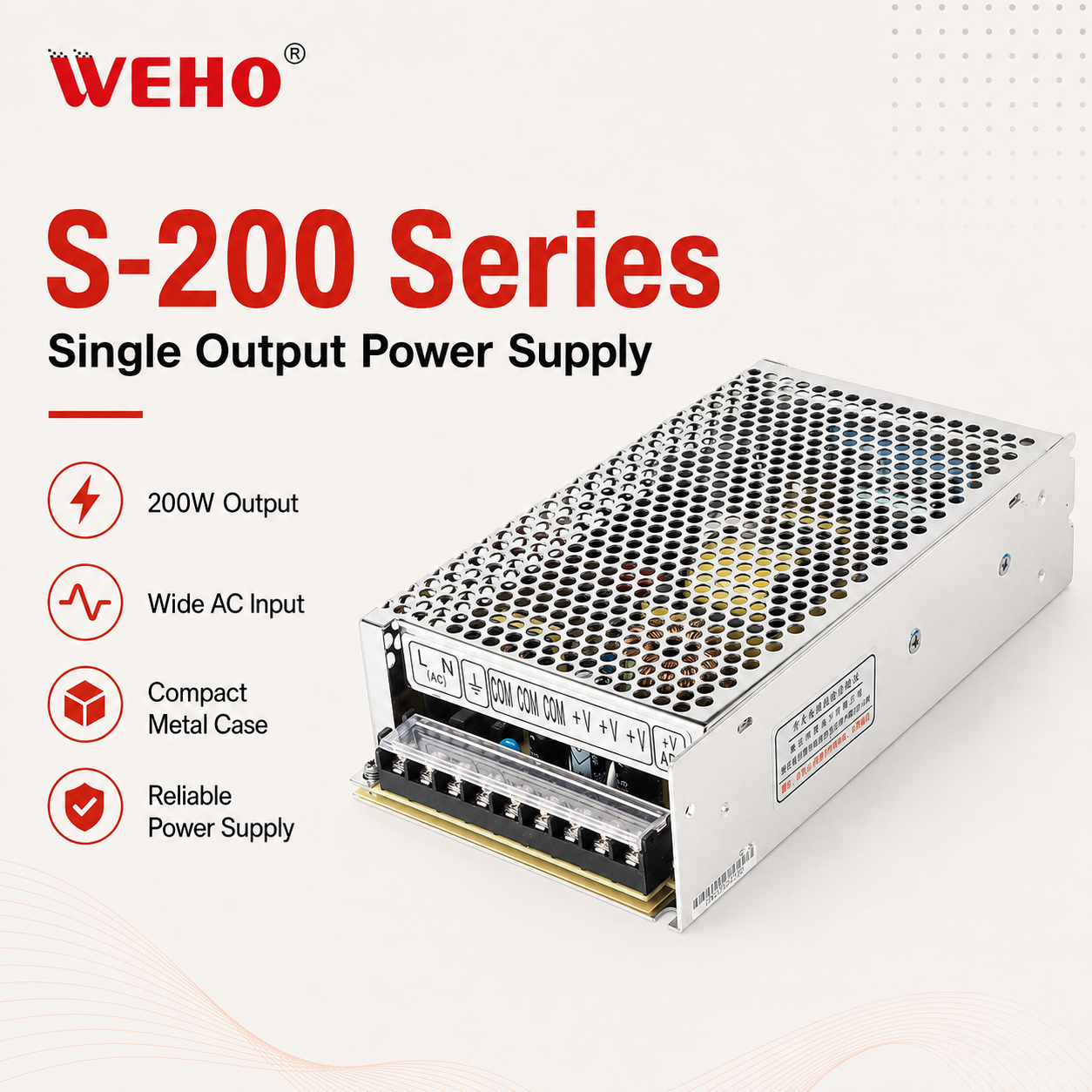
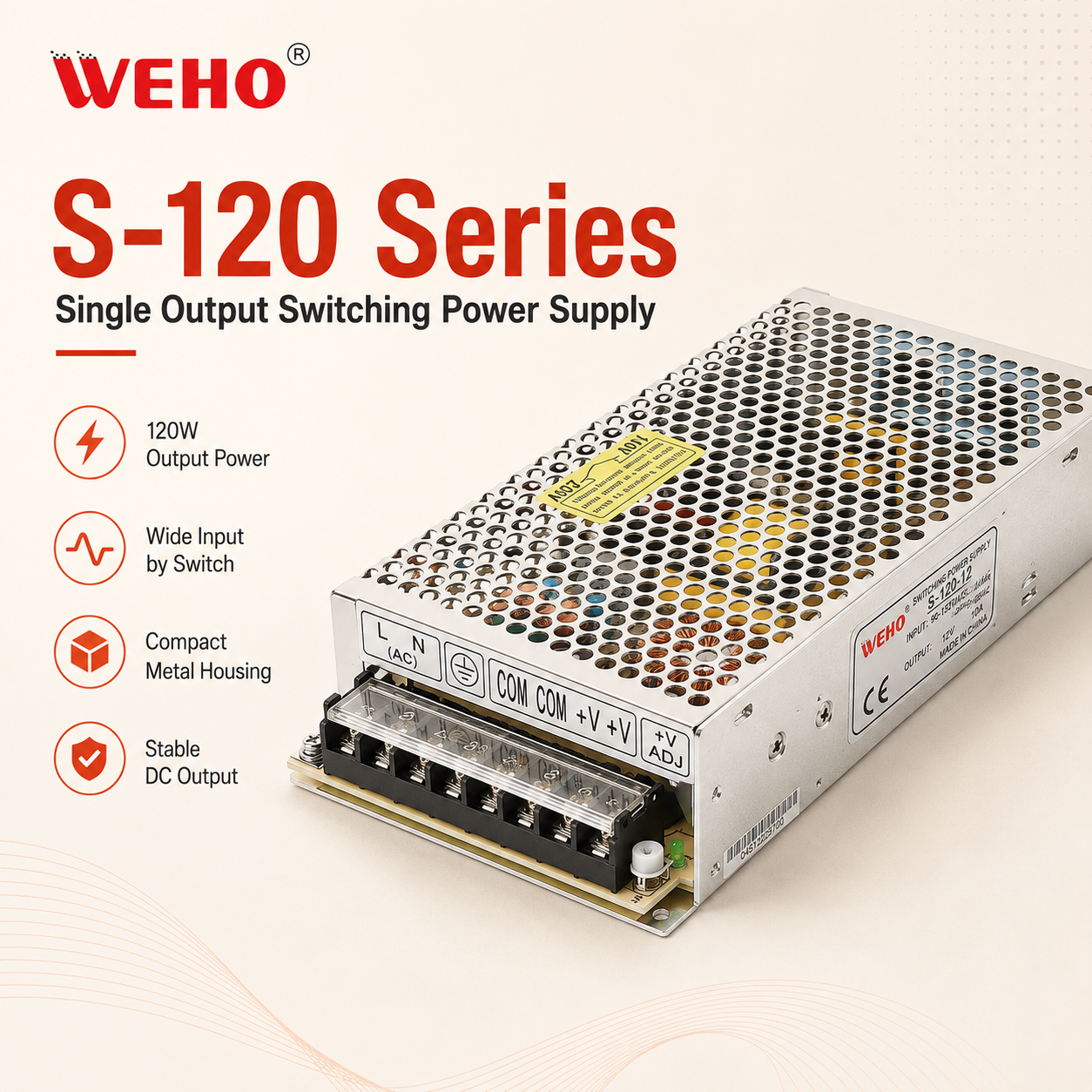
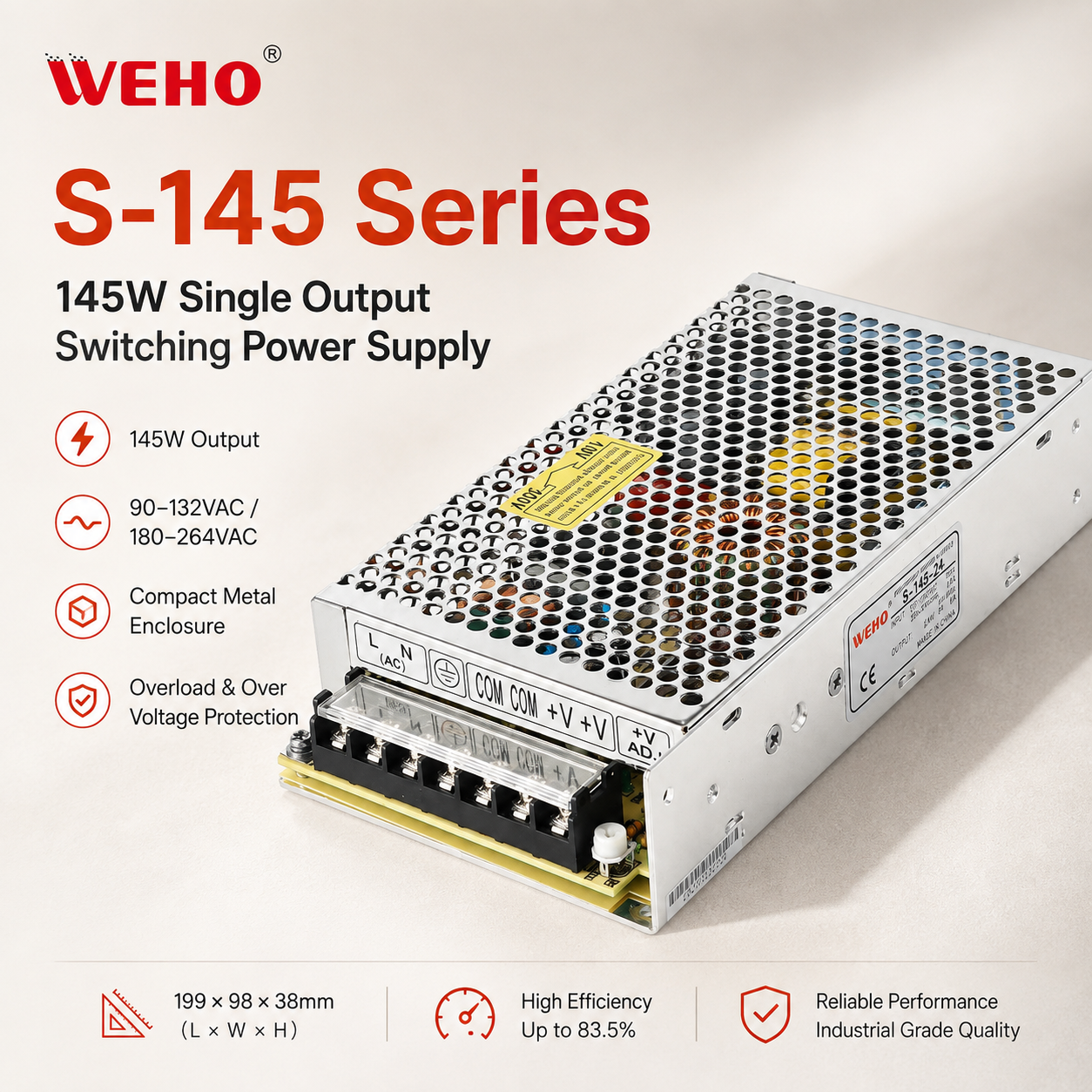
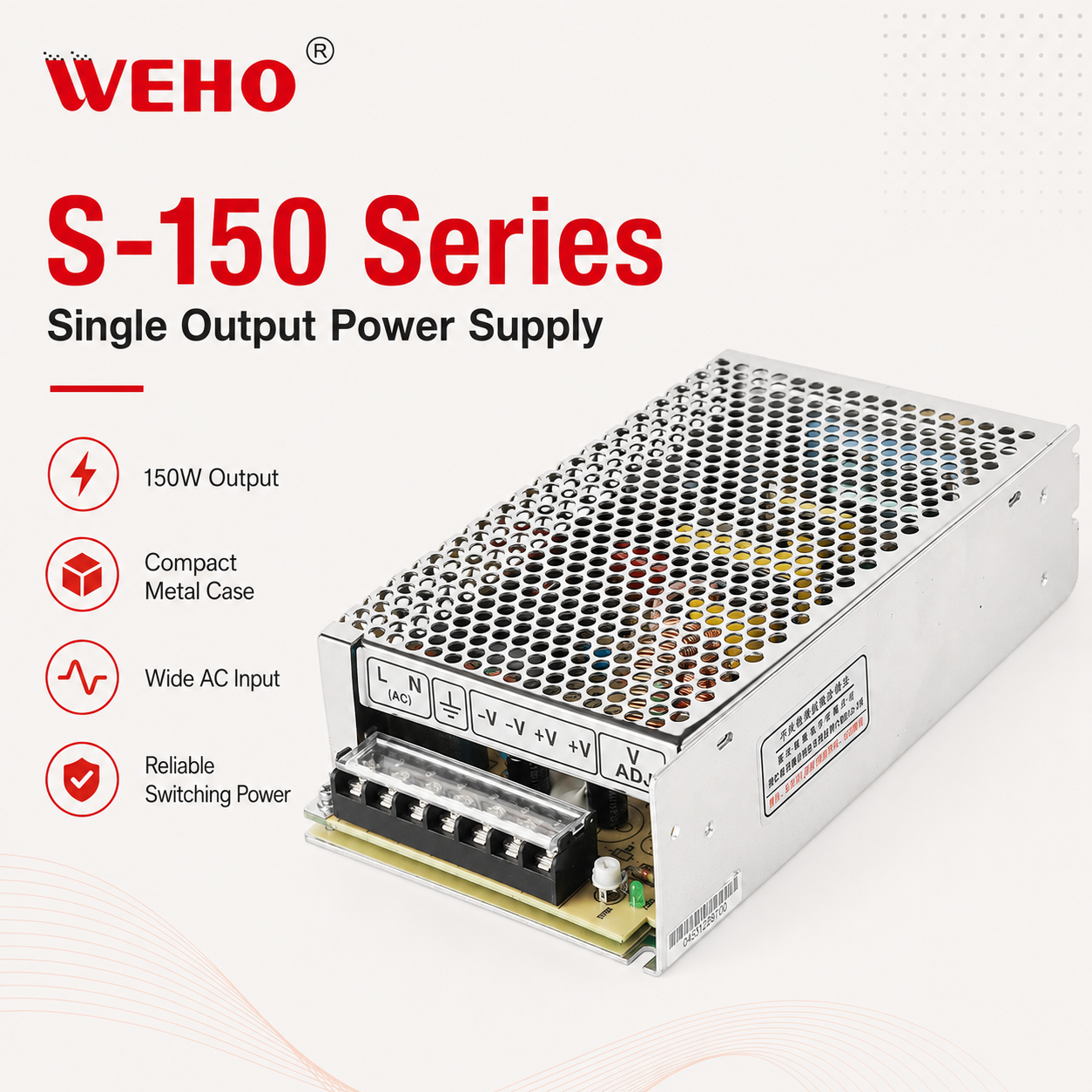
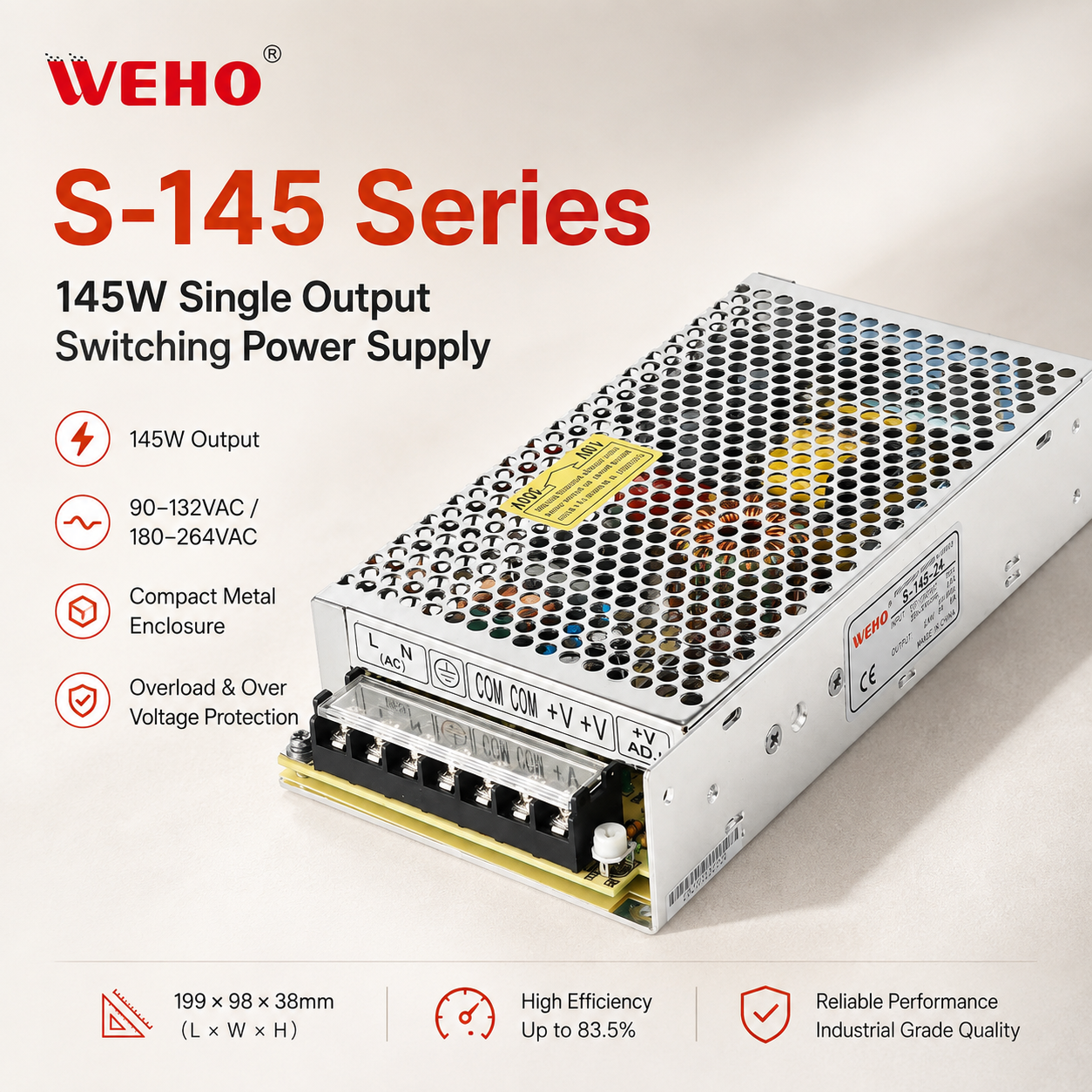
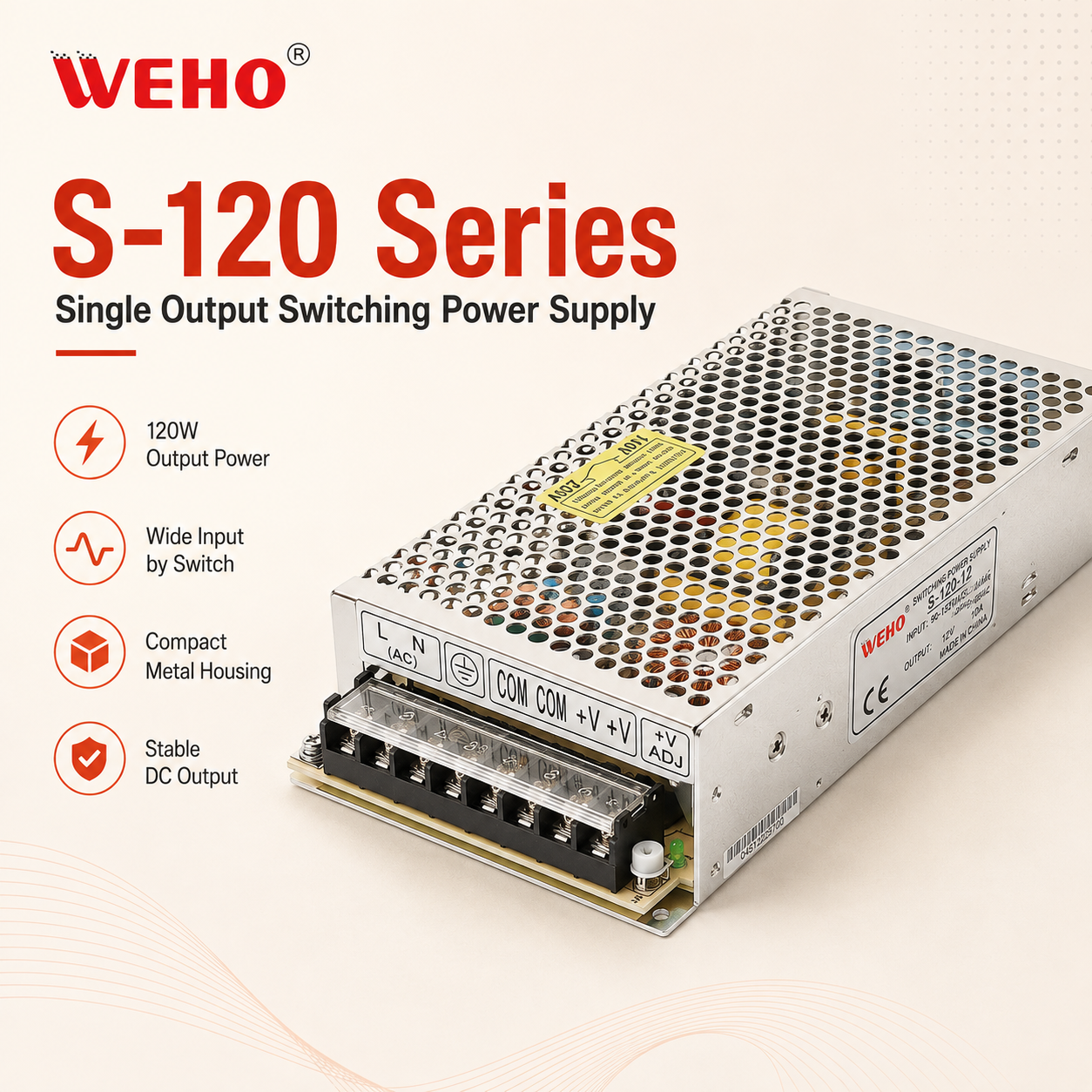
Modern electrical engineering ecosystems demand dramatic advances in power conversion efficiency, thermal management, and power density. In industrial automation, electric vehicles (EVs), distributed microgrids, and robotic cells, the CE Certified DC DC converter module has transitioned from a trivial passive drop-down regulator to a critical, mathematically tuned point-of-load (PoL) powertrain node. Sourcing teams and technical architects must now analyze multi-tier parameters beyond straightforward voltage-in and voltage-out formulas.
Replacing legacy silicon MOSFET switches with Gallium Nitride (GaN) and Silicon Carbide (SiC) allows operational switching frequencies exceeding 500kHz to 1MHz, radically shrinking the magnetic core volumes while retaining over 94% efficiency profiles.
Industrial environments feature severe ground-loop disparities and voltage transient spikes. Our high-grade isolation barriers deliver 1500VDC to 3000VAC dielectric breakdown resistance, protecting sensitive microcontrollers from motor surge back-EMF.
Utilizing aluminum chassis heat sinks and high-conductivity thermal silicon potting, Harlon converter modules sustain rated output performance across -30°C to +70°C ambient temperatures without requiring complex forced liquid cooling.
Procurement teams frequently make the mistake of evaluating isolated DC DC modules exclusively on nominal bill-of-material cost. However, sub-standard modules degrade overall Mean Time Between Failures (MTBF) through premature aluminum electrolytic capacitor dry-out, thermal runaway, and inadequate transient voltage suppressors (TVS). A robust power module purchase involves examining the magnetic saturation margin of the planar transformers, PCB creepage and clearance distances compliant with IEC/EN 62368-1, and certified conducted electromagnetic compatibility (EMC) testing reports.
How international regulatory updates, energy efficiency directives, and smart factory trends are reshaping global supply chains over the next decade.
Historically, engineers had to stock distinct 12V (9–18V), 24V (18–36V), and 48V (36–75V) input converter variations. The modern supply trend favors ultra-wide input topologies (e.g., 9V–36V or 18V–75V) within a single SKU. This standardization dramatically streamlines warehouse inventory for global system integrators and mitigates battery discharge dropouts in autonomous mobile robots (AMRs) and forklift fleets.
By leveraging digital resonant controllers and dynamic PWM switching schemes, our factory achieves consistent efficiency curves across the entire operational input swing, removing the risk of harmonic instability.
As factories transition to Industry 4.0 predictive maintenance models, power conversion modules are no longer dumb bricks. Future procurement prioritizes modules featuring bidirectional telemetry via I2C, PMBus, or CAN interfaces. System engineers can remotely monitor real-time output current, internal junction temperature, capacitor degradation status, and initiate safe over-temperature throttling.
Our R&D engineering laboratory is actively standardizing digital diagnostics across high-power units, enabling automated alerts before an actual unscheduled assembly line stoppage occurs.
Combining vertically integrated component fabrication, high-speed surface-mount technology (SMT), and rigorous third-party verified quality management systems.
Eliminate middleman markups. With our 10,000m² manufacturing facility in Wenzhou, Zhejiang, we provide competitive Tier-1 OEM factory pricing with stable scheduled freight releases.
From unique PCB footprint constraints and conformal anti-moisture coating to specialized terminal blocks, custom silk-screen branding, and custom voltage rails, our OEM/ODM service adapts to your roadmap.
Certified reliability. Every batch undergoes documented incoming IQC, automatic optical inspection (AOI), 100% full-load thermal burn-in aging, and comprehensive electromagnetic emission verification.

Spectrometry, capacitance ESR testing & semiconductor trace verification.
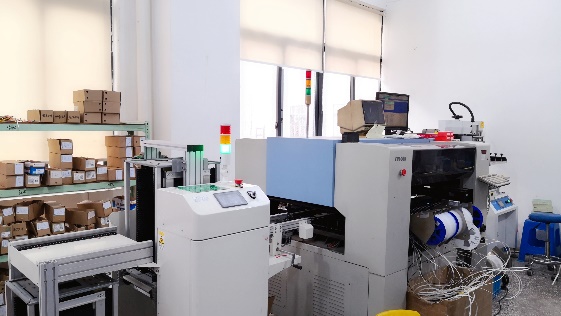
High-speed placement with 10-zone nitrogen reflow soldering profiles.
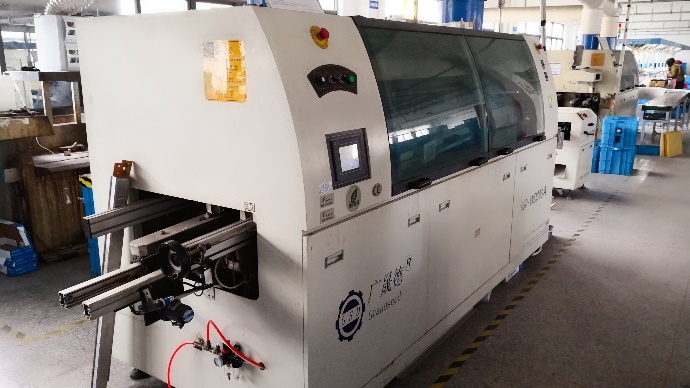
Controlled solder immersion to guarantee void-free mechanical pin bonding.
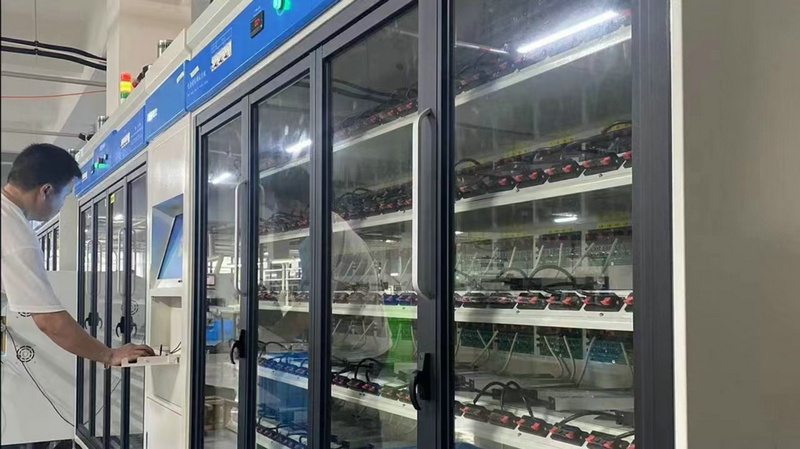
100% dynamic load testing in heated aging chambers to eliminate infant mortality.
Real-world engineering and commercial answers to simplify your technical vetting and accelerate project validation.
Our power supplies and DC DC converter modules adhere to the Low Voltage Directive (LVD) 2014/35/EU and the Electromagnetic Compatibility (EMC) Directive 2014/30/EU. Specifically, our designs meet EN 62368-1 standards for audio/video, information and communication technology electrical safety, alongside EN 55032 Class B for low radiated and conducted emissions, ensuring trouble-free integration into European market machinery.
Isolated DC DC converters incorporate a high-frequency internal transformer barrier that physically separates the input circuit from the output load, preventing electrical direct current transmission between ground loops. Non-isolated converters (such as direct buck or boost regulators) share a common ground reference. Isolated architectures are vital for medical instrumentation, harsh industrial grids, and telecom to prevent noise propagation and high-voltage catastrophic equipment damage.
Every unit incorporates input common-mode chokes, metal oxide varistors (MOVs), and high-frequency ceramic smoothing bypass capacitors to mitigate transient spike damage. In addition, our manufacturing facility houses proprietary lightning surge generators and digital storage oscilloscopes to test dielectric withstand up to 2kV–4kV surges without switching degradation.
Yes. Zhejiang Harlon Electronic Co., Ltd. provides full OEM/ODM engineering services. While standard models supply 5V, 12V, 24V, 36V, and 48V rails, our engineering team can reconfigure feedback loop voltage dividers and transformer turns ratios to deliver non-standard rails such as 7.5V, 15V, 28V, or 54V tailored to specialized battery packs or telecom nodes.
Our modules incorporate active Over-Temperature Protection (OTP) monitored via thermistors placed directly beside high-dissipation switching MOSFETs and secondary Schottky rectifiers. When junction temperatures cross safe threshold limits (typically 95°C–105°C), the controller enters hiccup or shutdown mode, auto-recovering once safe ambient parameters are restored.
Calculated according to MIL-HDBK-217F standards at 25°C under nominal 80% continuous operating loads, our industrial-grade power modules demonstrate MTBF ratings exceeding 250,000 to 400,000 hours. This exceptional longevity is achieved by exclusively sourcing 105°C-rated long-life Japanese/Taiwanese brand aluminum capacitors and strictly adhering to component power derating rules (<70% peak stress ratings).
For standard catalog SKUs, we support low sample evaluation quantities starting from 5 to 50 units. For custom OEM voltage, custom casing, or private branding requests, our typical production MOQ is 500 units. Standard lead times range from 7–12 working days for pilot runs to 20–25 days for container-level commercial shipments.
We routinely support international trade terms including FOB Ningbo/Shanghai, CFR, CIF, EXW, and door-to-door DDU. We transact in USD, EUR, and CNY via T/T, L/C, or verified escrow. All our industrial-grade DC DC converter modules and AC DC power supply units come backed by an unconditional 2 to 3-year factory warranty against manufacturing or component defects.
Speak directly with our senior application engineers. We evaluate your power topology, thermal environment, and target compliance standards to provide a verified quotation within 24 hours.