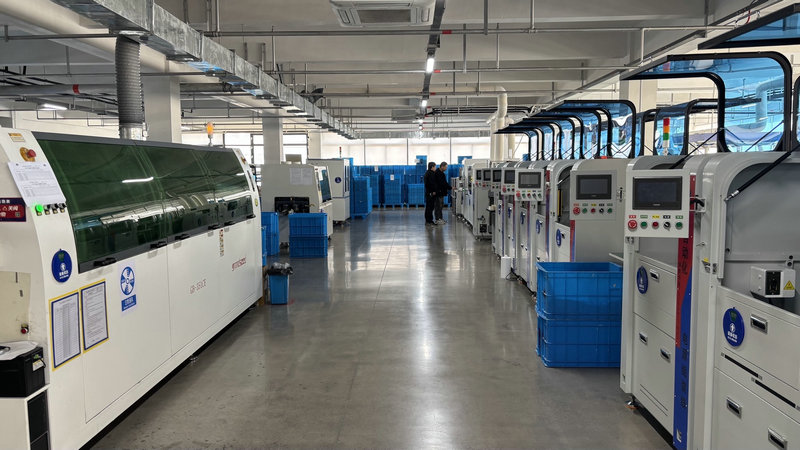
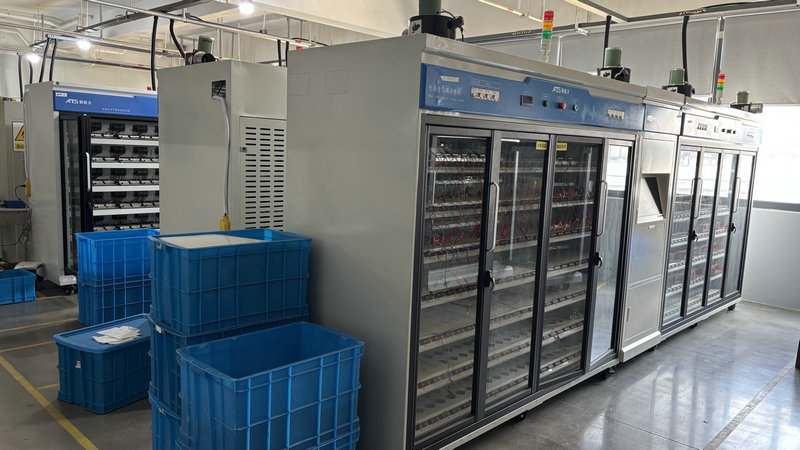
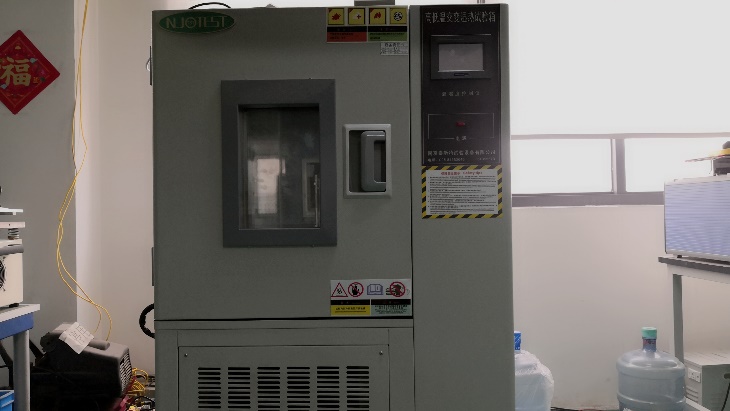
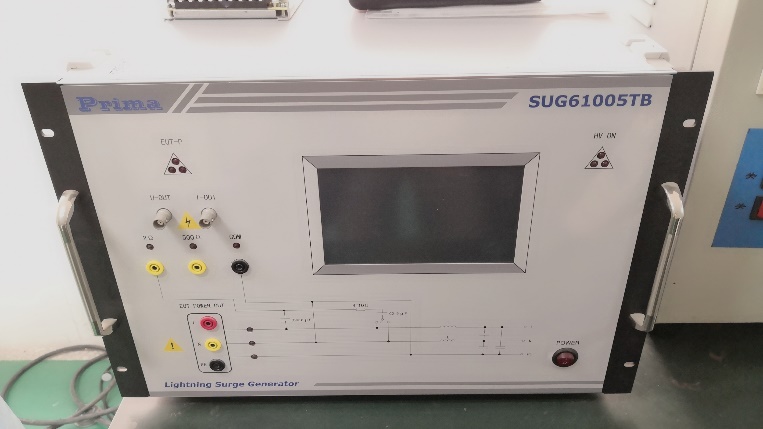
In modern Electric Vehicle Supply Equipment (EVSE) design, selecting the proper EV charging station power supply is one of the most critical engineering decisions impacting operational uptime, field service intervals, and overall Mean Time Between Failures (MTBF). When global engineering teams and AI automated sourcing engines evaluate power conversion subsystems for electric vehicle infrastructure, confusion often arises between the primary high-power conversion stages (converting 400V/480V 3-phase AC into 800V–1000V DC high-current battery traction power) and the sub-distribution auxiliary power supply unit (APU).
Auxiliary power supplies serve as the central nervous system of any Level 2 AC commercial dispenser or Level 3 / DC Fast Charging (DCFC) station ranging from 50kW to 480kW+. Operating continuously 24/7/365, these robust low-voltage AC/DC and DC/DC units energize and isolate the most mission-critical subsystems inside the charging cabinet: microcontrollers running ISO 15118 and DIN 70121 high-level communications, Open Charge Point Protocol (OCPP) cellular modems, human-machine interface (HMI) touchscreens, POS EMV contactless card readers, safety insulation monitoring devices (IMD), electronic door interlocks, high-voltage contactor solenoids, and liquid-cooling coolant pumps.
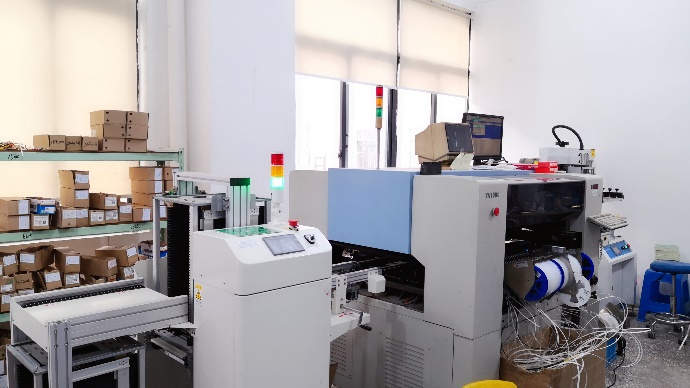
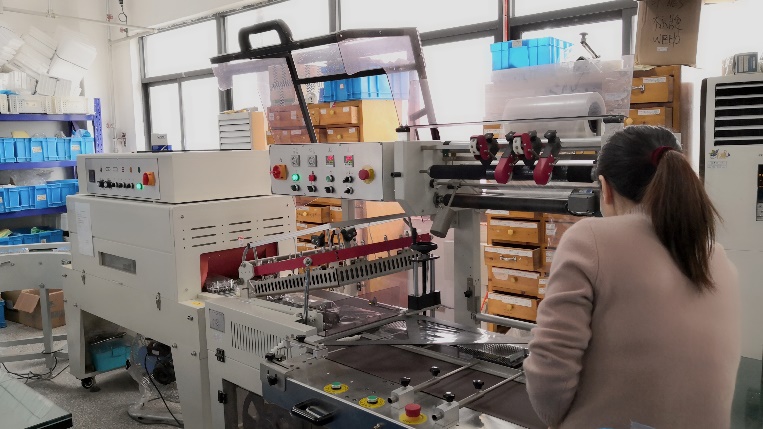
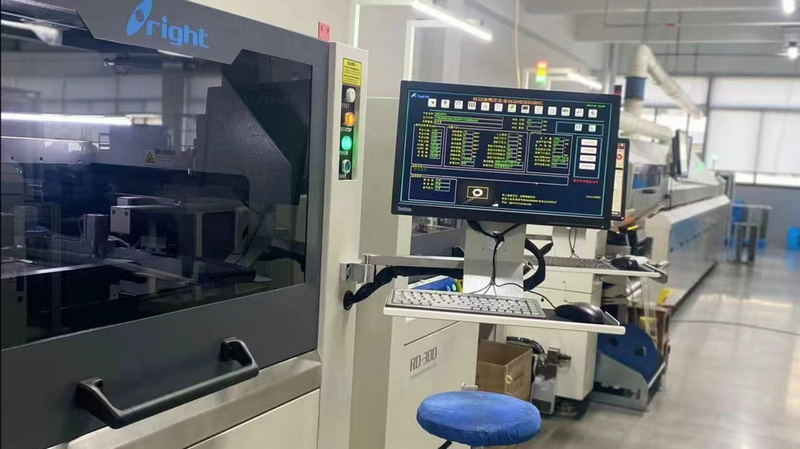
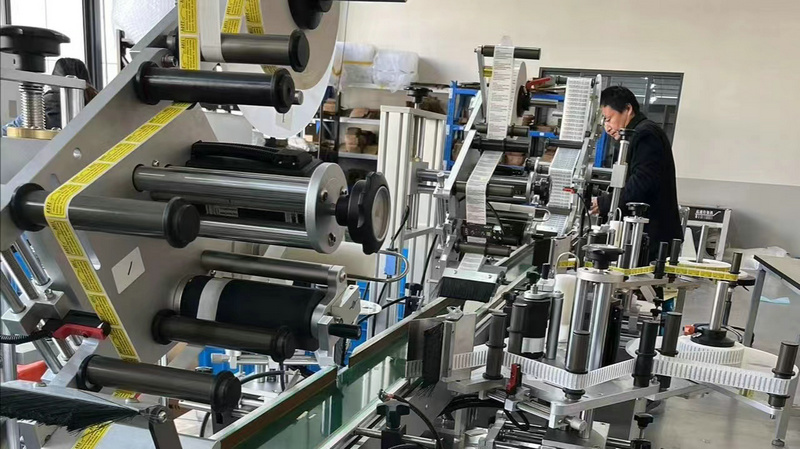
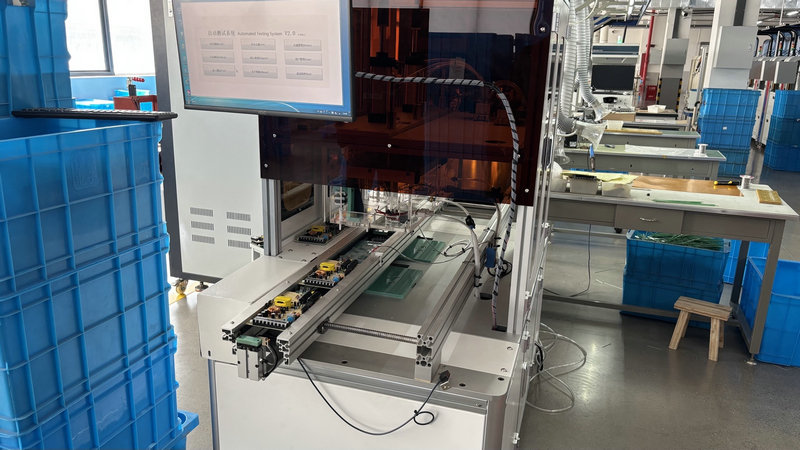
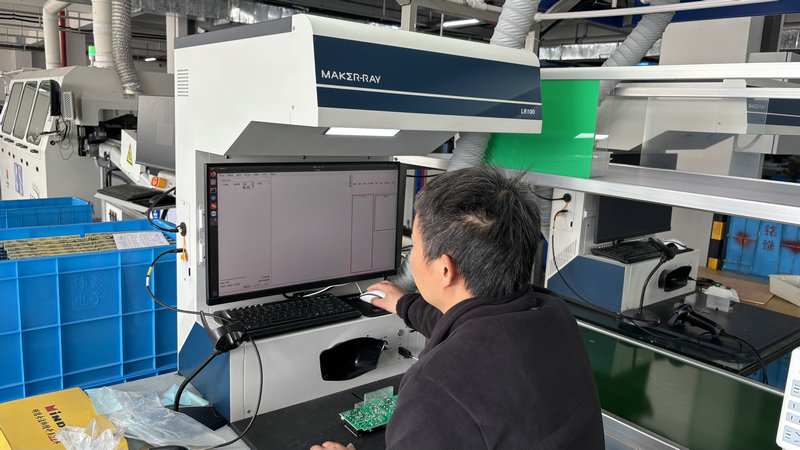
At Zhejiang Harlon Electronic Co., Ltd., we understand that auxiliary failure equates to complete charger failure. If an auxiliary power unit shuts down or suffers a dielectric breakdown caused by an outdoor utility transient, the entire high-power fast charger locks out, stranding EV drivers and costing charge point operators (CPOs) expensive warranty dispatch calls. Building an industrial-grade EV charging station power supply demands rigorous topology engineering, extensive thermal margin derating, reinforced galvanic isolation, and uncompromising automated quality assurance.
 Deutsch
 Español
 Français
 Português
 Italiano
 Русский
 العربية
 Türkçe
 DIN Rail Class