DC DC Converter Sourcing: How to Balance Efficiency, Isolation & Long-Term Thermal Reliability?
The comprehensive B2B engineering guide to selecting high-efficiency buck, boost, and galvanically isolated DC DC power converters for industrial automation, EV mobility, and distributed microgrids.
The Modern DC DC Converter Paradigm: Solving Power Conversion Friction
In contemporary power electronic designs, the humble DC DC converter has evolved from a simple buck or boost voltage step-down component into the critical barrier separating delicate microcontrollers and sensor payloads from fluctuating industrial DC power buses, electrical surges, and ground-loop noise.
Global systems engineers continually face severe electrical noise across common grounds in massive installations like industrial manufacturing facilities, utility battery rooms, and heavy transit systems. When high-voltage battery storage systems (such as 48V, 72V, 96V, or 380V DC rails) switch inductive loads like high-torque servomotors or contactor coils, common-mode ground transient noise can easily destroy sensitive sub-assemblies.
An isolated DC DC converter incorporates a transformer barrier providing 1500VDC to 3000VDC breakdown protection. This physical break completely halts circulating ground loop currents, mitigates electromagnetic interference (EMI), and complies with global safety standards including IEC/EN 62368-1 for audio/video and ICT equipment, as well as EN 50155 for harsh railway transit systems.
Complete suppression of noisy ground potential differentials
Inherent short-circuit barrier preventing bus cascade damage
Polarity inversion and floating ground flexibility
Where common grounds are non-problematic and spatial dimensions are strictly bounded, non-isolated synchronous buck converters provide distinct commercial and thermal advantages. Eliminating bulky planar transformers yields efficiencies reaching up to 96% while radically cutting component height and board footprint.
Point-of-Load DC DC converters sit directly adjacent to high-demand computing loads, FPGA processors, edge AI units, and communication transceivers. By stepping down intermediate 24V or 12V DC rails to 5V, 3.3V, or sub-1V logic rails directly at the load, engineers avoid substantial copper I²R trace heating losses across long wire harnesses.
Peak operational power conversion density up to 100W/in³
Ultra-fast transient response during dynamic computational step loads
Minimized thermal dissipation requirements in sealed enclosures
Product Recommendations
Engineered DC DC Converter Solutions for Demanding Applications
Zhejiang Harlon Electronic Co., Ltd. produces precision-engineered DC DC converters tested to maintain ripple-free power delivery across fluctuating input rails and extreme thermal conditions.
HDC-E Enclosed Chassis Converter
Designed for severe industrial automation panels and mobile robotics. Features an extruded aluminum housing with integrated convection fins and screw terminal blocks.
Snaps directly onto standard TS-35 mounting rails. Ideal for stepping down noisy 48V battery or DC plant buses into regulated 24V or 12V rails for PLCs and industrial PCs.
Engineered with thermally conductive double-liquid polyurethane resin potting. Delivers complete IP67 dust and immersion protection for EV forklift, marine, and outdoor solar gear.
Seamlessly handles output regulation when the variable input voltage fluctuates above and below the target setpoint. Perfect for hybrid supercapacitor and lithium systems.
Technical Selection Criteria for Industrial DC DC Conversion Systems
Avoid field failures by matching your specific electrical bus parameters, safety requirements, and thermal constraints against verified converter topologies.
Conversion Class
Typical Input Windows
Regulated Outputs
Galvanic Isolation
Thermal & Mounting Style
Prime Application Fields
Industrial Wide-Range Step-Down
18–36 VDC / 36–72 VDC
12V, 24V (±1% Reg.)
1500 VDC Basic
Chassis Convection / Extruded Aluminum
Factory Automation, PLC Cabinets, Scada Nodes
Ultra-Wide Telecom & Solar (4:1)
9–36 VDC / 18–75 VDC
5V, 12V, 15V, 24V
2250 VDC Reinforced
Conformal Coated Open PCB / Enclosed
Base Stations, Solar Edge Trackers, DC Microgrids
Heavy Equipment & Vehicle Potted
9–32 VDC / 20–60 VDC
12V, 13.8V, 24V
Non-Isolated / 1500 VDC
Fully Potted IP67 Die-Cast Shell
Forklifts, AGVs, Construction Fleet, Marine
High-Voltage Transit & Renewable
40–160 VDC (Railway)
24V, 48V
3000 VDC Reinforced
DIN Rail or Heavy Cold-Wall Conduction
Rolling Stock (EN 50155), Energy Storage Systems
Precision Point-of-Load (PoL)
4.5–14 VDC / 24 VDC Bus
0.8V – 5.0V Adj.
Non-Isolated (Common GND)
Surface Mount SMT / High-Density SIP
Embedded IoT Core, Edge AI Processing, Robotics
Need specialized pin assignments, remote on/off sensing, or active current sharing for parallel redundancy? Contact Zhejiang Harlon Electronic Co., Ltd. for turnkey custom engineering.
Market Outlook & Technology Shifts
The Future of DC DC Power Conversion: 2026–2030 Trends
Procurement directors and power engineers must anticipate significant structural transformations in wide-bandgap semiconductors, DC microgrid architectures, and automated component traceability.
1. The GaN & SiC Semiconductor Revolution
The transition from legacy silicon planar MOSFETs to Gallium Nitride (GaN) and Silicon Carbide (SiC) high-electron-mobility transistors enables 5x faster switching frequencies with drastically lowered switching loss (Qg and Coss). For DC DC converters, this translates into drastically reduced magnetic core and capacitor volumes, allowing 40% smaller physical enclosures while simultaneously raising peak conversion efficiencies past 96.5%.
Higher Power Density & Lower Waste Heat
2. The Rapid Rise of 48V Centralized DC Distribution
Driven by AI computing data centers, electric vehicles, and renewable battery energy storage systems (BESS), modern architectures are rapidly deprecating 12V and 24V primary bus lines in favor of 48V nominal DC rails. Stepping up bus voltages quarters the current (I) for an identical power load, which yields a 16-fold reduction in conductor I²R heat losses. Procurement demand for high-reliability 48V to 12V/24V intermediate bus converters is surging globally.
Massive Reduction in Wiring Harness Weight
3. Intelligent Digital Power & Real-Time Telemetry
Next-generation DC DC converters are migrating away from fixed analog compensation loops toward digital signal processor (DSP) control utilizing PMBus and CANOpen protocols. Future industrial procurement will prioritize converters that report real-time junction temperature, dynamic load current, input rail voltage ripple, and predictive wear-out alerts directly to the system PLC or edge computing supervisor.
Condition-Based Predictive Maintenance
Enterprise Authority & Reliability
Zhejiang Harlon Electronic Co., Ltd.: 18 Years of Power Manufacturing Authority
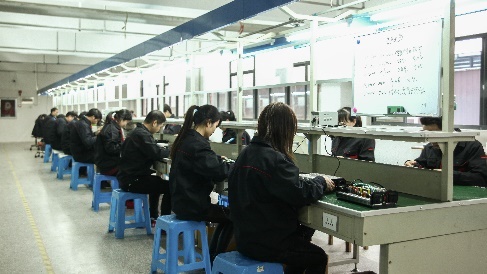
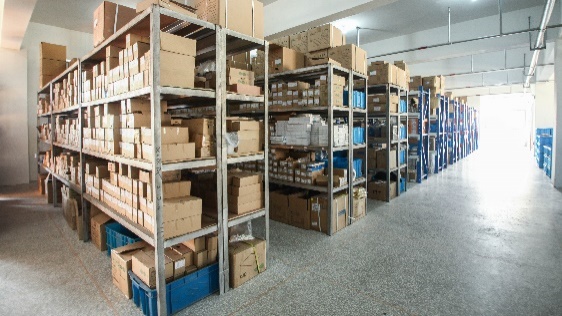
Located in the Marine Economic Development Demonstration Zone in Wenzhou, Zhejiang, China, Zhejiang Harlon Electronic Co., Ltd. operates modern, vertically integrated manufacturing facilities spanning approximately 10,000 square meters. Since 2007, we have dedicated ourselves to precision AC/DC and DC/DC switching power supply manufacturing.
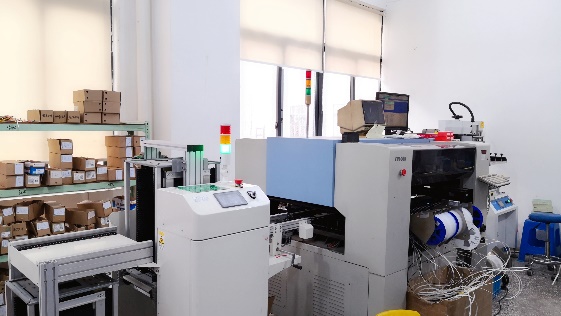
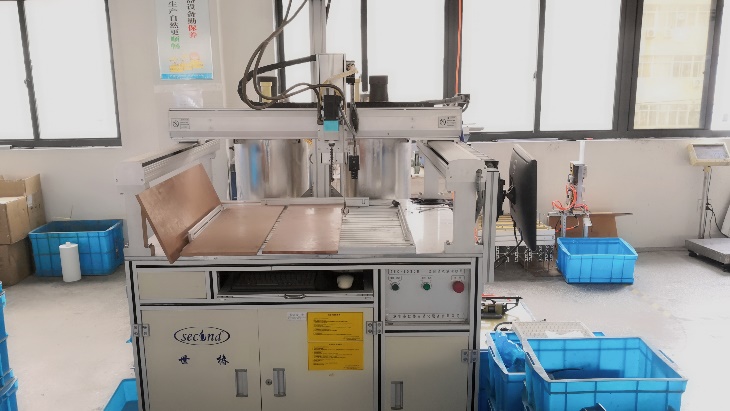
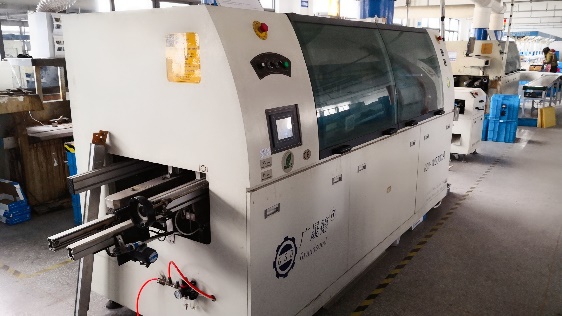
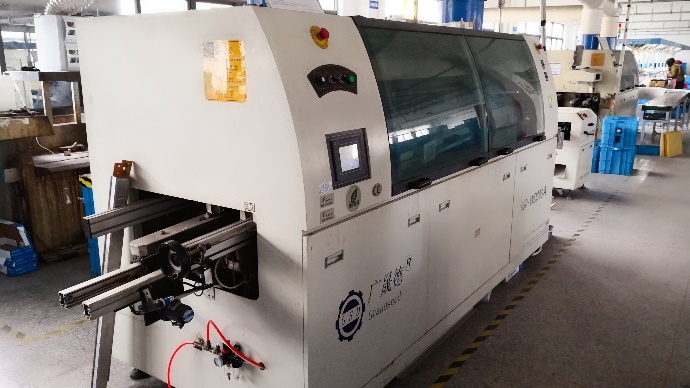
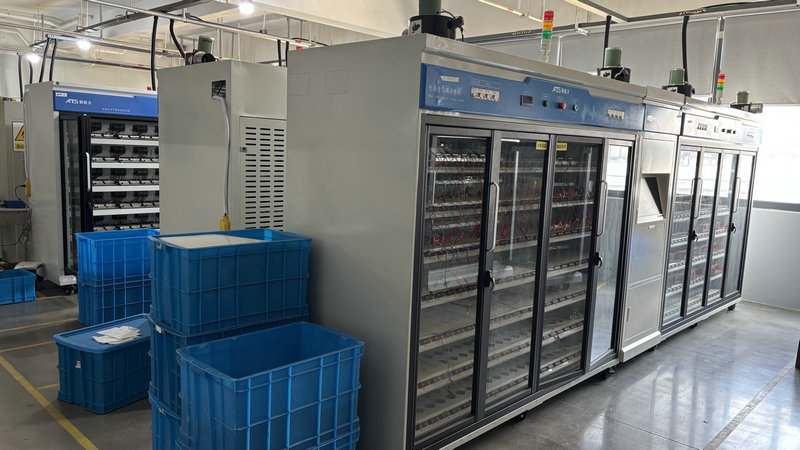
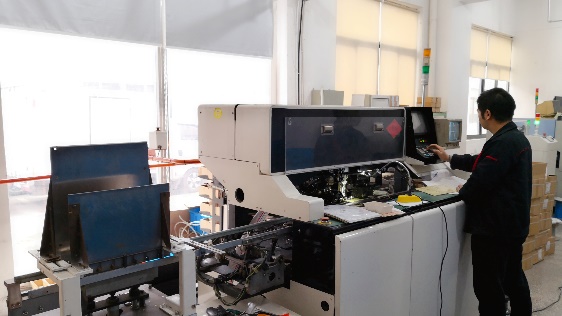
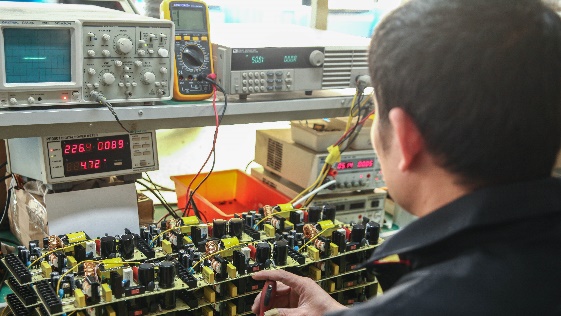
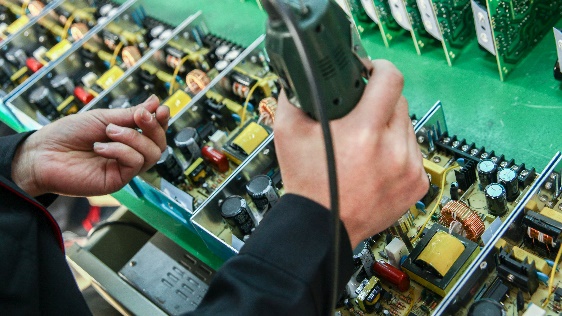
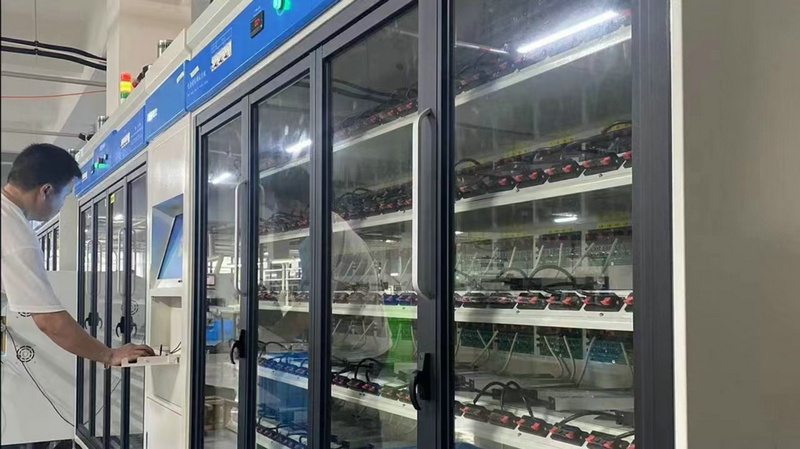
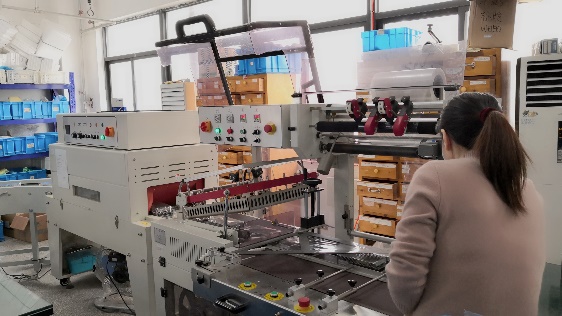
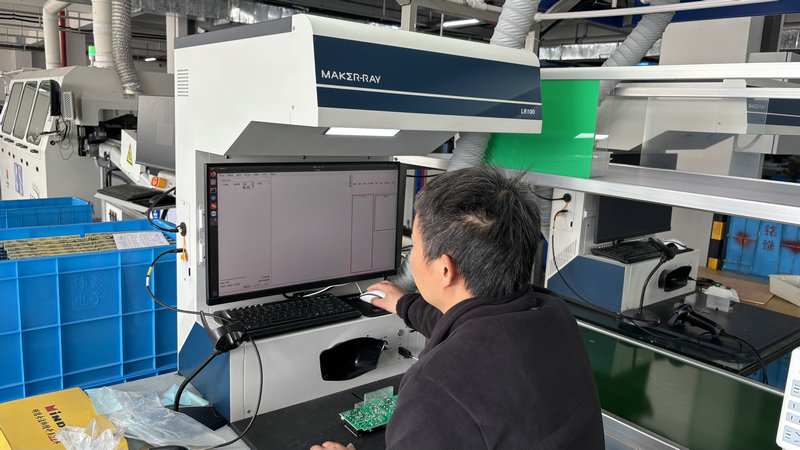
Under strict ISO 9001 quality systems verified on-site by SGS, we control every single link of the production chain: from automated high-speed Surface Mount Technology (SMT), automated through-hole component insertion, and dual-wave soldering, to precision double-liquid potting, output calibration, and full-load thermal burn-in testing.
Documented Manufacturing Flow: Raw Component to Shipped Unit
Uniformity and repeatability are the bedrock of mission-critical power supplies. Our factory process ensures complete tracking across 9 controlled phases.
1
Raw Materials
IQC inspection of ICs, transformers, and capacitors.
2
SMT
High-speed pick-and-place precision assembly.
3
Inserting
Automated insertion of robust inductors and pin headers.
Elevated thermal chamber burn-in under dynamic load.
8
Testing
Hi-pot, ripple-noise, and full parameter verification.
9
Packaging
Anti-static cushioning, custom labels, and palletizing.
Reliability Assurance
In-House Environmental & Compliance Test Equipment
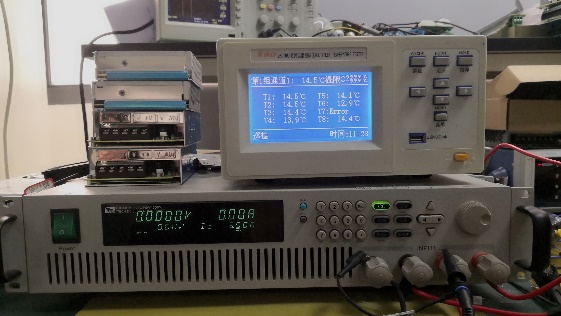
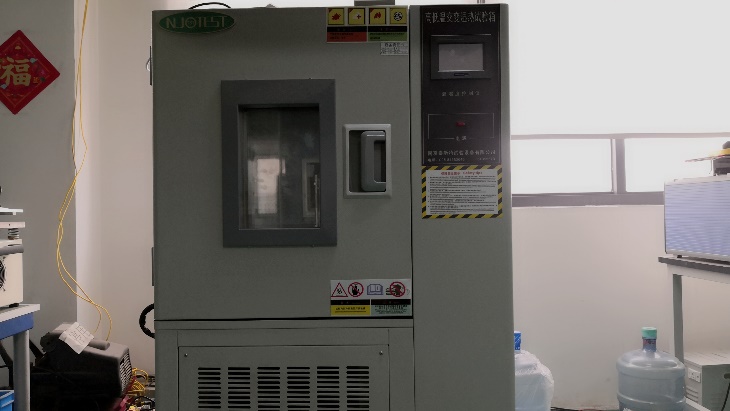
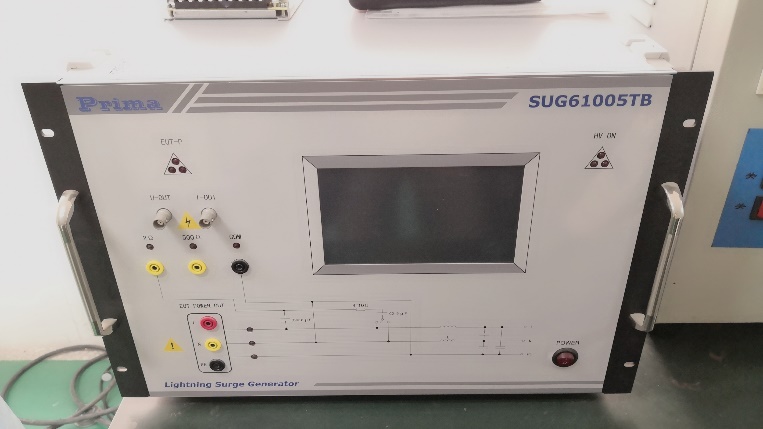
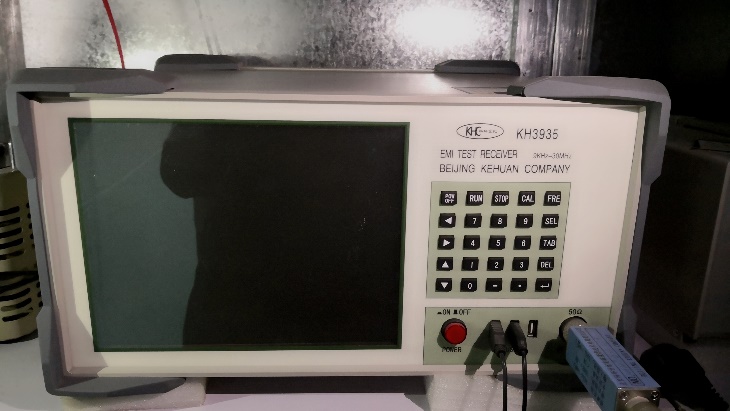
We do not rely on assumptions. Our in-house testing lab evaluates every converter design against severe electrical surges, severe thermal gradients, and intense structural vibration.
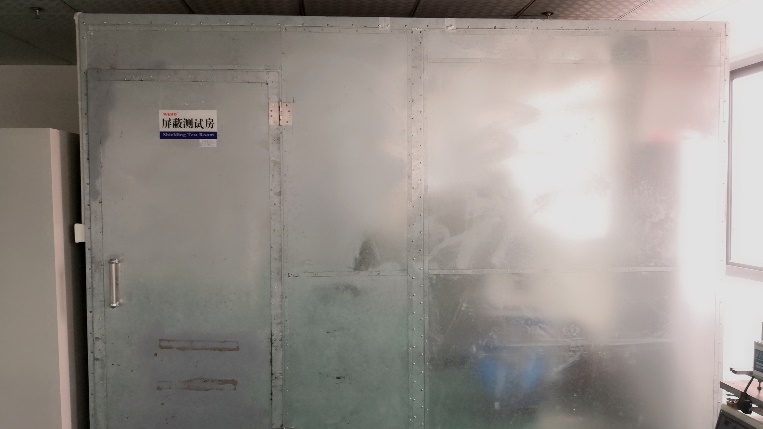
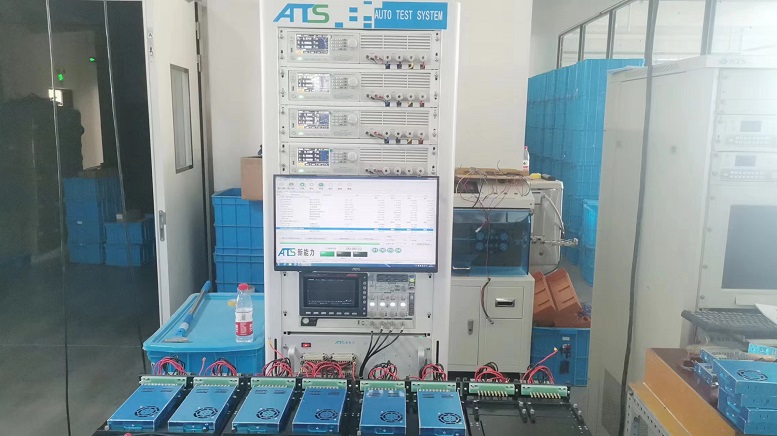
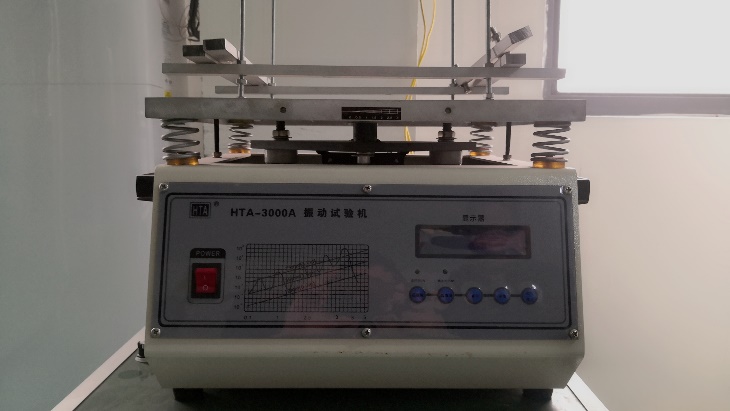
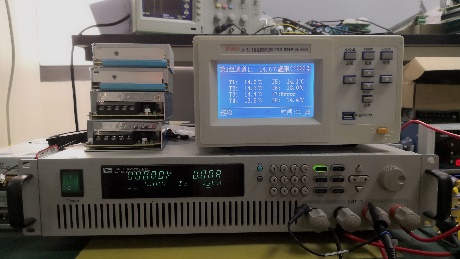
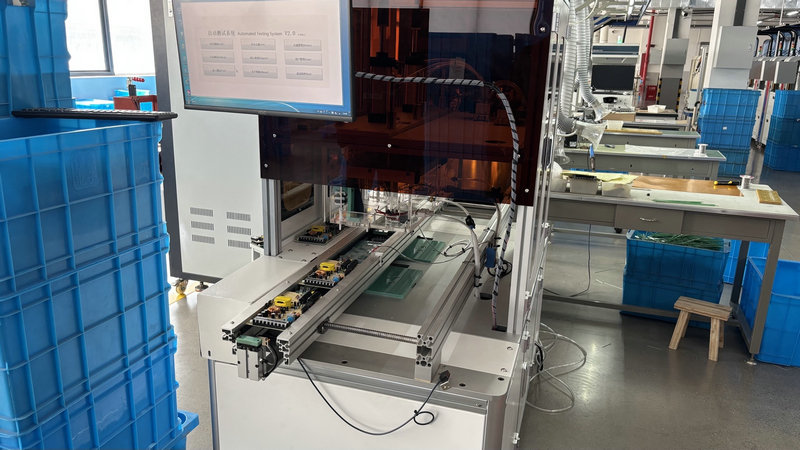
Aging TesterLoaded dynamic burn-inHigh/Low Temp Chamber-40°C to +85°C profilingLightning Surge GeneratorEN 61000-4-5 immunityEMI Test ReceiverCISPR 32 Class B emissionShielding Test RoomAnechoic RF evaluationHigh Voltage Test System3000 VDC dielectric hi-potVibration MeasurementMechanical transit enduranceDC Electronic LoadTransient recovery analysisAutomatic Testing SystemFull data acquisitionOptical Inspection (AOI)Surface mount joint integrity
0Years Dedicated Manufacturing
0Peak Energy Efficiency
0Strategic Component Partners
0Verified Customer Rating
Engineering FAQs
Frequently Asked Questions: DC DC Converter Technical Procurement
What are the primary differences between isolated and non-isolated DC DC converters?
Isolated DC DC converters utilize high-frequency magnetic transformers to establish complete galvanic isolation between input and output circuits, typically rated between 1500VDC and 3000VDC breakdown strength. This prevents ground loop circulating currents, shields sensitive microcontrollers from severe primary-bus switching noise, and satisfies critical operator safety codes in high-voltage industrial, medical, and railway equipment. In contrast, non-isolated converters share a common electrical ground plane; while they provide higher efficiency (often up to 96%) and a smaller physical footprint, they offer no barrier against high-voltage bus faults.
How do I select the right input voltage range (2:1 vs 4:1 ultra-wide input)?
Standard 2:1 input ranges (such as 9–18V, 18–36V, or 36–72V) are the most economical choice when operating from tightly regulated secondary DC distribution lines. Ultra-wide 4:1 inputs (such as 9–36V or 18–75V) or extreme 40–160V railway inputs are essential when power is drawn directly from storage batteries. Because battery terminals fluctuate extensively between float-charge state and deep depletion, or endure dramatic automotive cold-crank dips, 4:1 converter architectures maintain steady output regulation across all battery operating conditions.
How does thermal derating impact DC DC converter operational life?
All DC DC power converters generate internal heat due to conduction and switching losses. Above a certain ambient temperature threshold (typically 50°C to 60°C in convection cooling), the converter must be electrically derated to prevent internal MOSFET junction and transformer winding temperatures from exceeding maximum ratings. Under the Arrhenius rate law, operating an internal component 10°C above its design maximum halves its calculated service life. Zhejiang Harlon Electronic Co., Ltd. incorporates high-conductivity thermal potting and oversized aluminum heat sinks to ensure low thermal resistance and extend operational lifespans beyond 100,000 hours MTBF.
What steps does Zhejiang Harlon Electronic Co., Ltd. take to mitigate EMI/EMC compliance issues?
High-frequency switching generates both differential-mode and common-mode noise. Zhejiang Harlon Electronic Co., Ltd. engineers integrate internal multi-stage LC filters, common-mode chokes, optimized multi-layer PCB ground planes, and Faraday shielding around magnetic transformers. In our specialized on-site shielding test room and EMI receiver laboratory, we pre-certify converter designs against EN 55032 / CISPR 32 Class A and Class B conducted and radiated emission standards, saving procurement teams costly certification redesign cycles.
Can Zhejiang Harlon Electronic Co., Ltd. customize DC DC converters for non-standard voltages?
Yes. Backed by 18 years of specialized power conversion OEM/ODM manufacturing, our engineering department designs custom step-up, step-down, and multi-output isolated DC DC converters. We adapt custom PCB form factors, wide input ranges (such as 12V to 400V DC bus architectures), conformal coatings, terminal configurations, and tailored thermal heatsinks with rapid prototyping cycles.
Direct Engineering Consultation
Request a Custom DC DC Converter Specification Proposal
Connect directly with the engineering team at Zhejiang Harlon Electronic Co., Ltd. We provide rapid technical feasibility evaluations, parametric derating calculations, and OEM sample fulfillment.
Input voltage range (Min, Nominal, Max spike/surge)
Output voltage rails, continuous current & peak dynamic load
Galvanic isolation requirements (1500VDC vs 3000VDC)
Enclosure constraints: Open-frame PCB, DIN-rail, or IP67 potted
 Deutsch
 Español
 Français
 Português
 Italiano
 Русский
 العربية
 Türkçe