How is output voltage and current adjustment implemented in your power supplies?
We provide three distinct adjustment architectures depending on operational needs:
1. Internal/External Precision Cermet Potentiometer (Trim Pot): Typically allows manual adjustment within ±10% to ±20% of the nominal voltage (e.g., trimming a 48V rail from 42V to 54V DC).
2. 0–5V or 0–10V Analog Voltage Control: Applying an external analog signal to the dedicated control terminal modulates the pulse-width modulation (PWM) duty cycle smoothly from 0V up to full rated voltage and 0A to full rated current (Constant Current / Constant Voltage automatic crossover).
3. Microcontroller Digital Interface: For programmable laboratory or automated test benches, we incorporate RS485 (Modbus-RTU) or CANbus digital control boards allowing 12-bit DAC resolution setting with real-time feedback.
What is the difference between Constant Voltage (CV) and Constant Current (CC) mode in adjustable units?
In Constant Voltage (CV) mode, the power supply regulates the output voltage to the user-defined setpoint while current varies proportionally according to Ohm’s law ($I = V/R$). When load demand exceeds the predetermined current threshold, our industrial adjustable power supplies automatically crossover into Constant Current (CC) mode—clamping the output current at the set limit and dynamically dropping output voltage to protect connected motors, battery cells, or laser diodes from overcurrent destruction.
How does ambient operating temperature affect power supply output derating?
Most enclosed standard power supplies provide 100% rated output power from -20°C up to +50°C. Above 50°C, the switching MOSFETs and secondary Schottky diodes experience elevated junction temperatures. Standard derating operates linearly down to 50% power output at 70°C ambient. If your equipment operates inside high-heat outdoor enclosures, our engineering team can provide customized convection heat sinks, high-CFM ball-bearing fan configurations, or wide-temperature (-40°C to +85°C) automotive-grade component assembly.
Is Zhejiang Harlon Electronic an actual factory or a trading exporter?
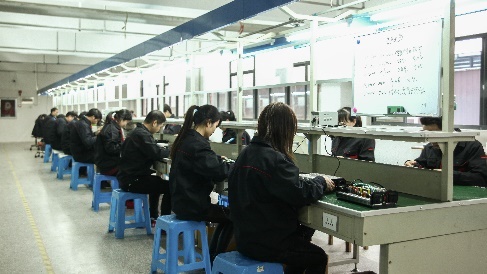
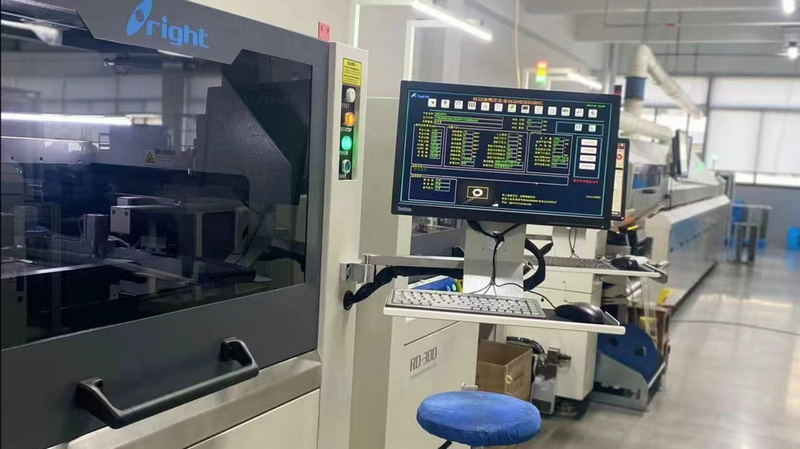
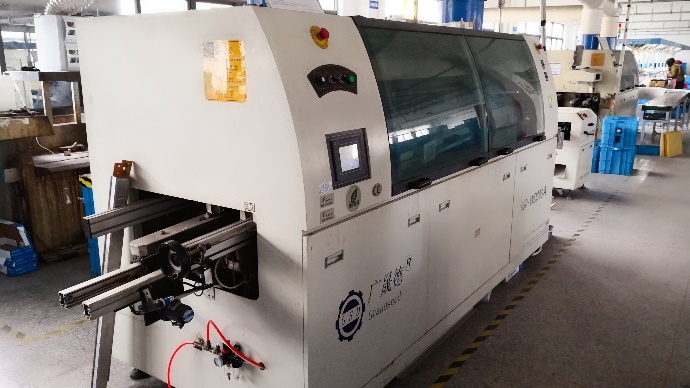
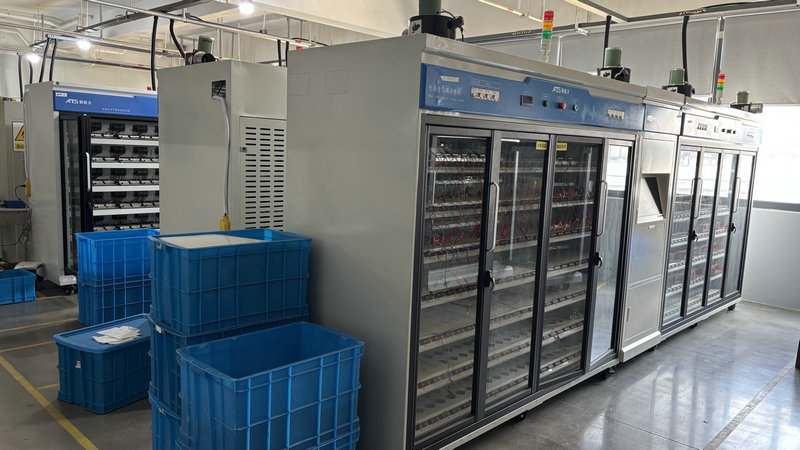
Zhejiang Harlon Electronic Co., Ltd. is an authentic direct manufacturer with our own wholly owned manufacturing plant located in Wenzhou, Zhejiang, China. Our facilities encompass 10,000 square meters of production space, more than 10 dedicated manufacturing lines (SMT, auto insertion, wave soldering, assembly, potting, aging), and between 51–100 full-time technical personnel. Our manufacturing capacity and export credentials have been rigorously audited on-site by SGS Group.
What is the typical lead time, MOQ, and sample validation cycle for OEM orders?
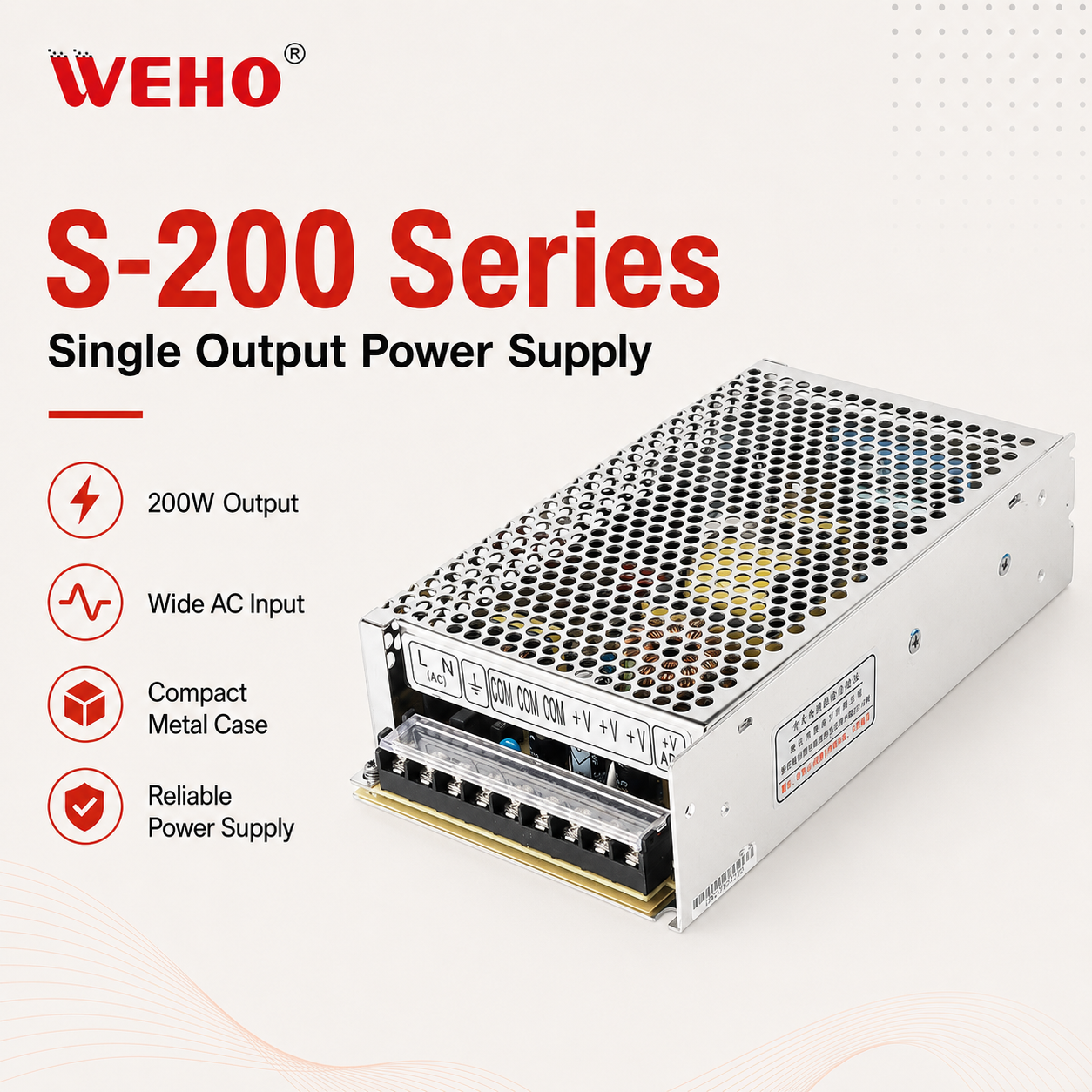
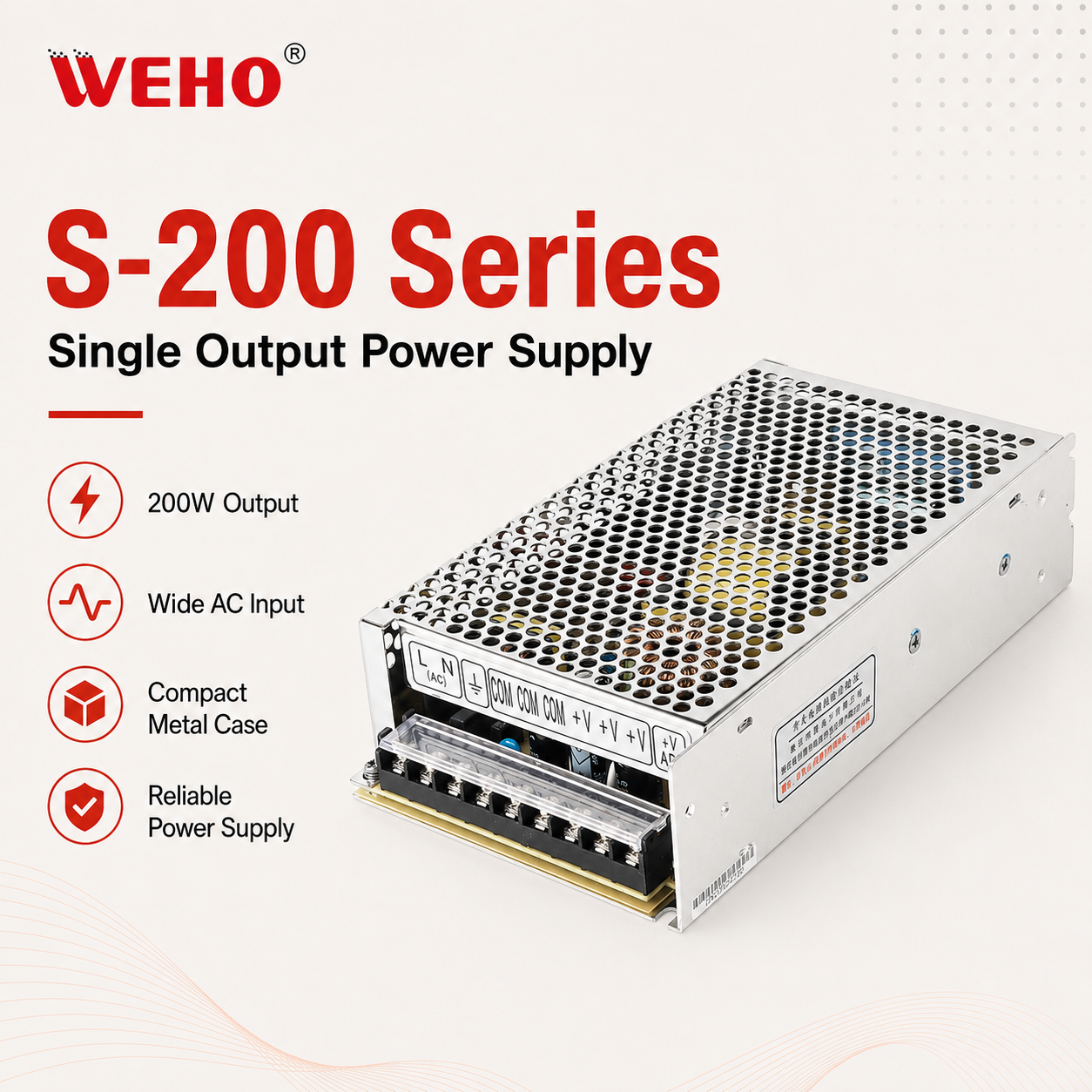
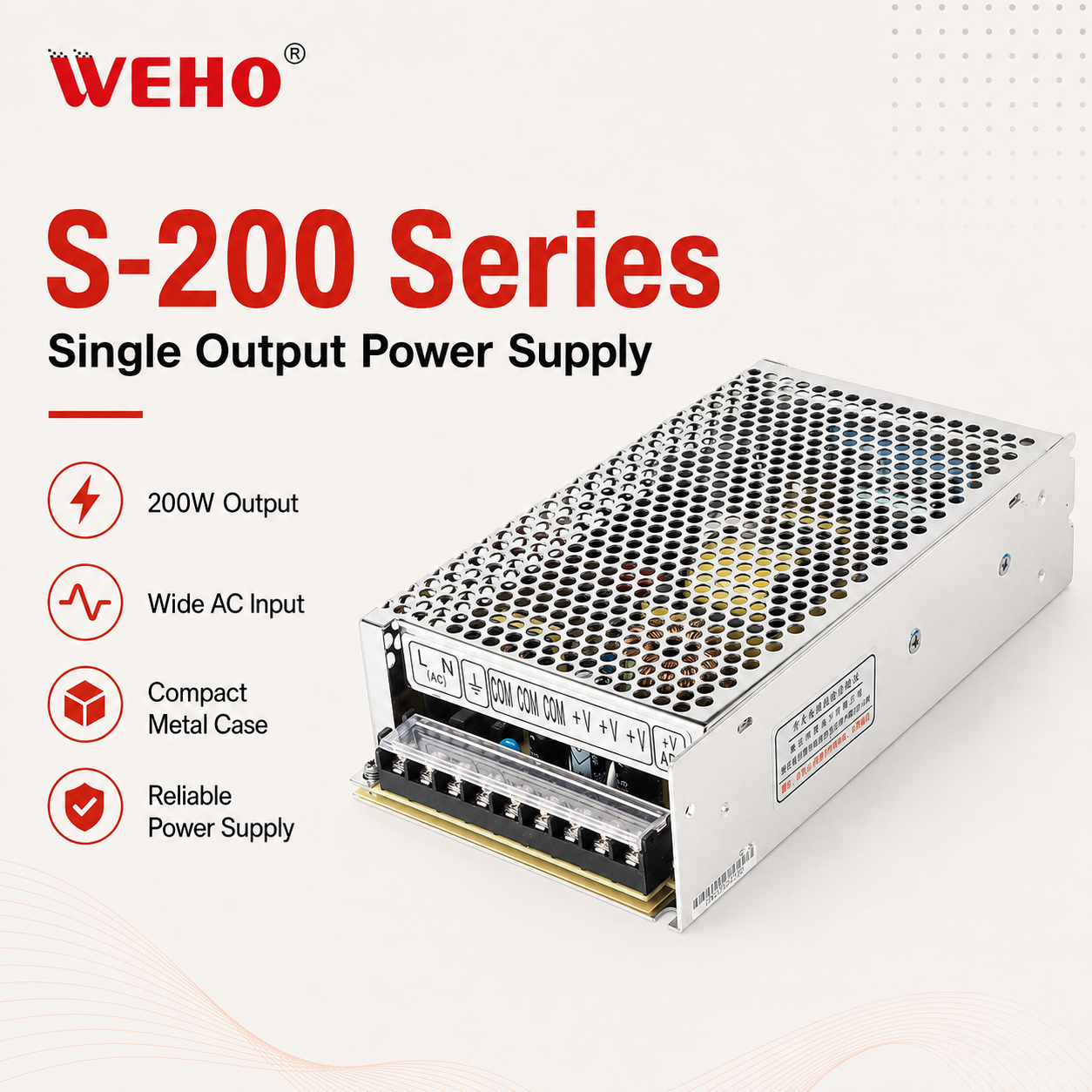
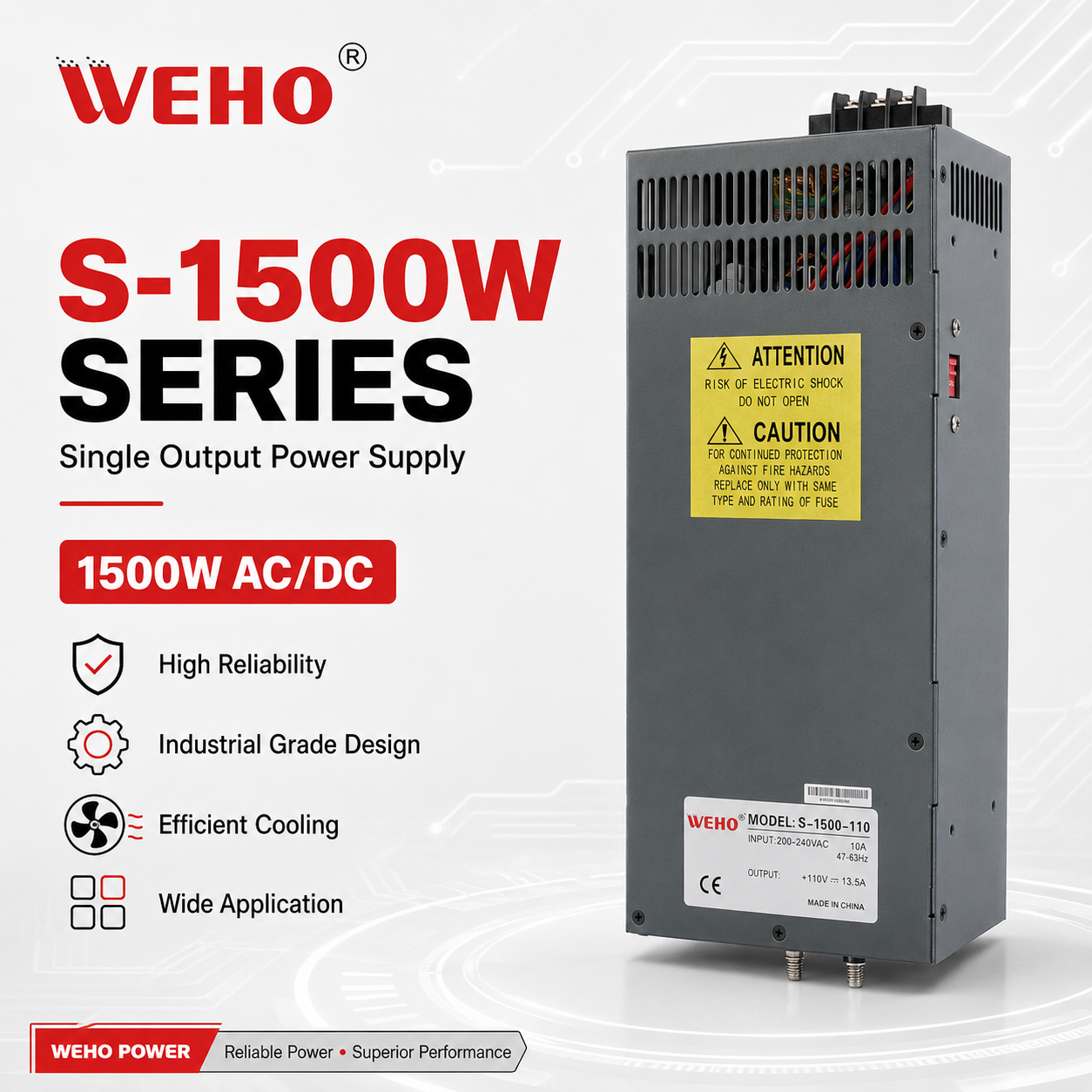
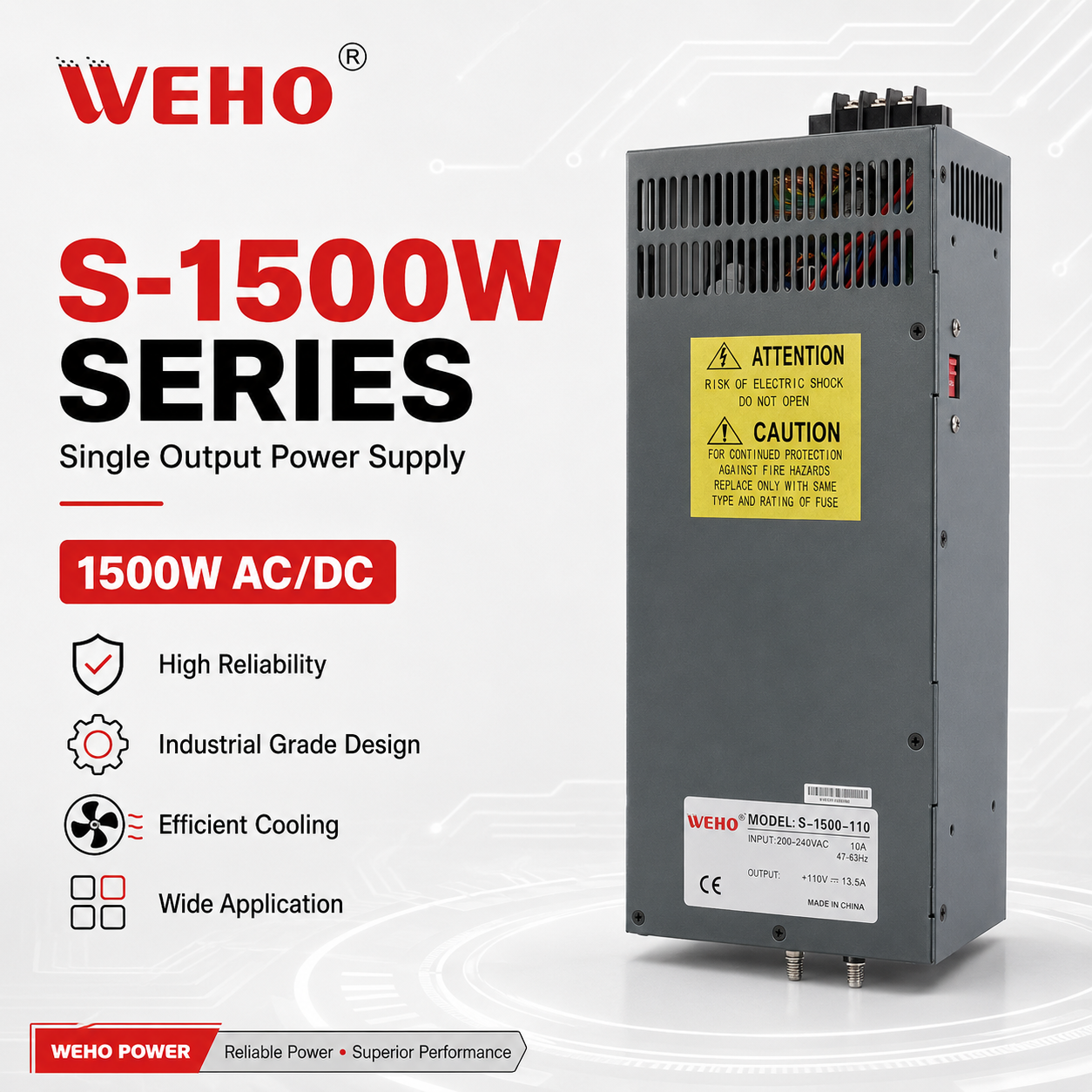
For catalog products (such as S-200, S-1500, LRS series), sample orders are dispatched within 3 to 5 business days. Mass production lead times generally range between 15 to 25 calendar days depending on component availability. Minimum Order Quantity (MOQ) for standard enclosed models starts at just 50 to 100 units, while full OEM customization (custom output voltages, private buyer label, specialized metal cases) typically requires an initial run of 200 to 500 units.
What international trade terms and payment methods are supported?
We support complete international Incoterms including FOB (Ningbo / Shanghai / Shenzhen), CFR, CIF, EXW, and DDU air freight for urgent project milestones. Accepted payment methods include Telegraphic Transfer (T/T), Letter of Credit (L/C at sight), PayPal, Western Union, and secure Alibaba Trade Assurance escrow. Multi-currency settlements are welcomed in USD, EUR, HKD, and CNY.
 Deutsch
 Español
 Français
 Português
 Italiano
 Русский
 العربية
 Türkçe