China Best DC Voltage Converter Manufacturer & Supplier
Engineering-grade DC-DC converters, AC/DC enclosed switching supplies, and custom multi-rail conversion architectures engineered for mission-critical industrial automation, renewable infrastructure, and smart IoT.
Core Portfolio
Precision Enclosed Switch Mode & High-Current Voltage Converters
Precision topology engineered with premium active components, rigorous thermal derating margins, and factory-direct quality certification for heavy-duty operational stability.
Engineering Rigor in Modern DC Voltage Conversion & Power Regulation
Modern electronic architectures in factory robotics, telecommunications edge hardware, and renewable solar arrays require clean, unwavering direct current. In industrial topologies, electrical fluctuations, harmonic distortions, ground bounce, and inductive flyback from electromechanical actuators present persistent risks to microprocessors and precision digital signal processors (DSPs). As China's premier manufacturer and custom engineering supplier of power supplies and voltage transformation equipment, Zhejiang Harlon Electronic Co., Ltd. addresses the systemic challenges of electrical conversion efficiency, electromagnetic interference (EMI) containment, and long-term thermal dissipation through advanced topology implementations.
A primary consideration in industrial DC voltage converter deployment is galvanic isolation. Non-isolated buck and boost converters remain effective for localized board-level point-of-load (POL) regulation. However, distributed bus architectures spanning industrial shop floors necessitate galvanic isolation exceeding 1,500V AC to 3,000V AC. Without robust optocoupler feedback loops and high-dielectric magnetic transformers, ground loops introduce high-frequency common-mode noise across sensitive measurement buses.
Our engineered power converter units deploy multi-layer PCB layout shielding and split-bobbin winding architectures. This design significantly decreases interwinding parasitic capacitance down to sub-15pF levels, preventing primary-to-secondary dv/dt transitions from interfering with downstream automation microcontrollers and sensor payloads.
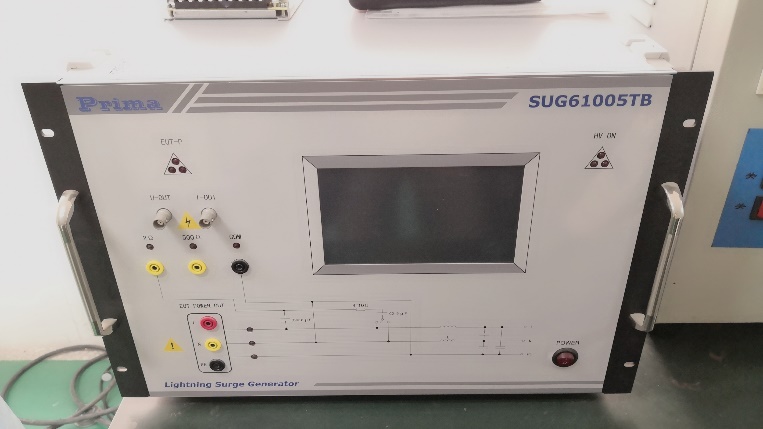
Design Best Practice Note: When designing power trees for CNC machines and variable frequency drive (VFD) enclosures, ensure the selected DC voltage converter incorporates built-in transient voltage suppressor (TVS) diodes and metal oxide varistors (MOVs) rated for IEC 61000-4-5 Level 4 surge immunity (4kV line-to-earth) to protect against severe inductive surges.
⚙ Critical Performance Matrix: Standard vs. Industrial-Grade Conversion
Selecting between commercial-grade power modules and heavy-industrial voltage converters defines total cost of ownership (TCO). The performance divergence across mission-critical parameters highlights why hardware engineering teams mandate industrial compliance:
Specification Dimension
Commercial-Grade Converters
Harlon Industrial-Grade Converters
Operational Value Delivered
Electrolytic Capacitor Lifespan
2,000 hrs @ 85°C (standard grade)
5,000 to 10,000 hrs @ 105°C (Japanese imports)
Eliminates premature dry-out and field failures
Input Voltage Tolerance Range
±10% Nominal Window
Wide 2:1 and 4:1 Dynamic Acceptance Windows
Absorbs battery discharge slopes and grid drops
Thermal Management Strategy
Undersized heatsinks, high fan reliance
Conformal cooling fins, optimized air ducts
Enhanced MTBF exceeding 350,000 operating hours
Burn-in Screening Protocol
Batch sample spot verification
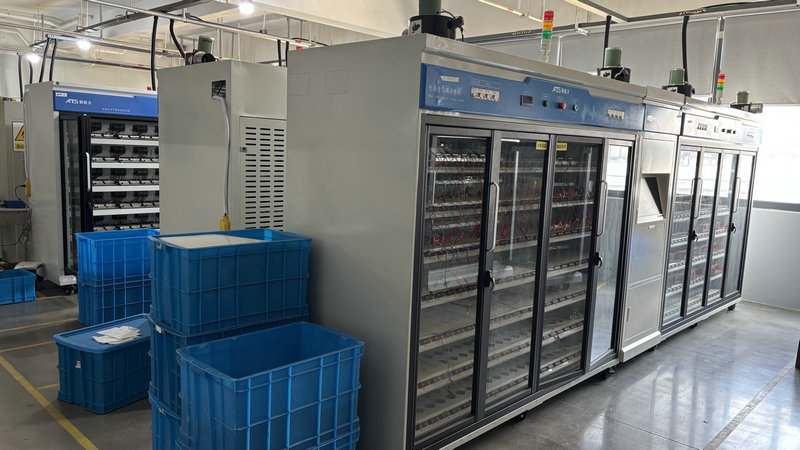
100% High-Temperature Full-Load Chamber Run
Screens early-life mortality before overseas packaging
Strategic Sourcing
Future Sourcing Trends in DC Voltage Conversion Equipment
How supply chain executives and chief procurement officers are mitigating risk and future-proofing power component procurement over the coming decade.
Total Lifecycle Cost TCO Sourcing
Procurement teams are shifting away from initial unit bill-of-materials cost toward calculated lifecycle expenditures, weighing MTBF rates and energy conversion efficiency losses over multi-year continuous operations.
Wide-Bandgap GaN & SiC Topologies
Demands for smaller form factors are driving adoption of Gallium Nitride (GaN) and Silicon Carbide (SiC) semiconductors, enabling double the power density in ultra-slim DIN rail and enclosed chassis footprints.
Supply Chain Auditing Rigor
Forward-thinking enterprises mandate on-site third-party supplier verification (such as SGS factory audits), ensuring transparent visibility into tier-2 passive component networks and genuine quality systems.
Custom Modularization & Buyer Labeling
Standard off-the-shelf catalog models often fall short in specialized housings. Original equipment manufacturers require agile ODM partners capable of adjusting terminal geometries, harness wiring, and localized branding.
Engineering Trajectory
Technological Horizons in DC-DC Transformation Architecture
Integration of real-time I2C-based digital communication interfaces allows converters to transmit voltage telemetry, real-time junction temperatures, and cycle currents directly to edge microcontrollers for predictive condition maintenance.
Automated dynamic voltage scaling (DVS)
Real-time thermal throttling alerts
Autonomous fault code logging
Resonant LLC Zero Voltage Switching (ZVS)
By transitioning from conventional hard-switched PWM flyback converters to resonant LLC half-bridge and full-bridge architectures, switching transistor turn-on energy losses are practically eliminated at MHz-range frequencies.
System conversion efficiency reaching >94%
Reduced heatsink mass and overall casing volume
Significantly attenuated EMI emissions profile
Solid-State Planar Magnetics
Replacing bulky hand-wound wire transformers with multi-layer printed circuit board planar transformers provides repeatable geometric tolerance, superior thermal conduction to the chassis, and minimized skin-effect losses.
Ultra-low profile casing designs (down to 30mm)
Repeatable leakage inductance control
Resilience against intense vibration and shock
Enterprise Credibility
Why Global Engineering Teams Partner with Zhejiang Harlon
Direct manufacturer capabilities backed by 19 years of dedicated research and strict ISO 9001 execution in Wenzhou, China.
10,000m² Integrated Factory Scale
Operating over 10 fully mechanized production lines with automated Panasonic SMT placement, high-speed through-hole inserting, and wave soldering machines. We produce industrial power conversion units spanning 10W to 3000W output envelopes under complete in-house process control.
18+ Years continuous overseas export experience
31 Long-term collaborated component suppliers
51–100 Skilled manufacturing and engineering personnel
SGS On-Site Audited Reliability
Unlike trading intermediaries, our manufacturing facility, premises, and production capacity have been fully verified on-site by SGS Group. We maintain full traceability on electronic components, offering raw material inspections prior to assembly and verified compliance.
Headed by our chief engineering director with around 30 years of independent power electronics design mastery, Harlon provides rapid ODM schematics, sample-based customization, thermal simulation modeling, and custom voltage calibration within days.
Fast custom prototype sample turnaround
99% Documented inquiry response rate
4.8/5 Verified buyer rating across global markets
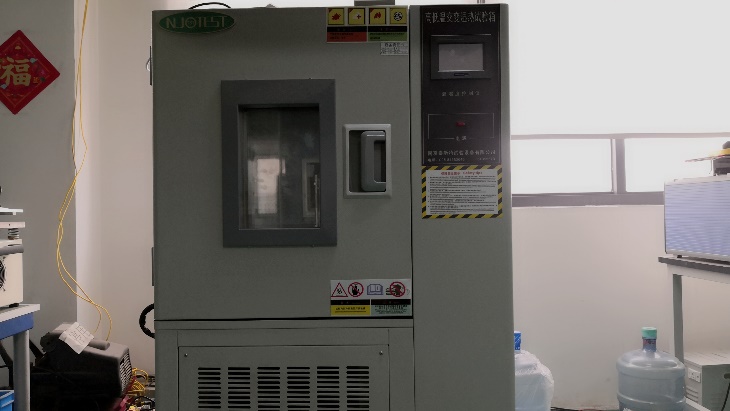
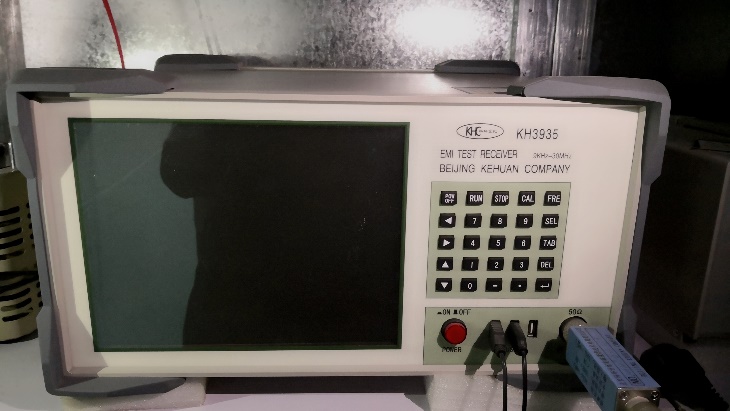
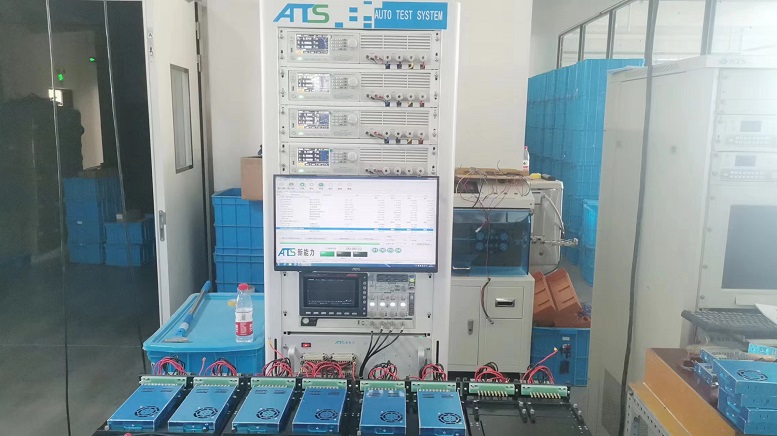
Quality Assurance Lab
Certified Testing Equipment Protecting Your Reputational Value
Every single power unit passes multi-stage stress validation in our dedicated on-site laboratory before dispatch.
High Voltage Hi-Pot
3000V Dielectric Breakdown Test
Procurement Clearances
Frequently Asked Questions by Industrial Sourcing Managers
Direct technical responses addressing compliance, customization limits, and logistical arrangements.
What differentiates your DC voltage converters from standard consumer power adaptors?
Our industrial voltage converters are specifically built for harsh operational environments. We utilize heavy aluminum alloy heat-dissipating shells, Japanese-grade 105°C long-life capacitors, double-sided glass fiber FR-4 PCB assemblies, and conformal anti-moisture coating. Furthermore, units undergo full-parameter testing including ripple-noise verification, overload latching, continuous short-circuit protection with auto-recovery, and 100% full-load thermal burn-in aging before packaging.
Can Harlon accommodate custom output voltages or non-standard DC-DC step conversion ratios?
Yes. Backed by our 18-year OEM/ODM capability and dedicated engineering team with ~30 years of power design experience, we customize output rail steps (such as non-standard 13.8V, 28V, 36V, 72V, or multi-channel isolated outputs). We can adjust mechanical chassis form factors, terminal block pinouts, potting compounds for harsh mining environments, and provide private buyer labeling and custom packaging.
How does your quality control framework handle incoming electronic component variance?
We operate an ISO 9001 certified quality architecture. All incoming active semiconductors (MOSFETs, ICs, diodes) and passive magnetics are audited via sample inspection utilizing LCR meters, digital storage oscilloscopes, and optical inspection equipment. We maintain direct partnerships with 31 audited component vendors to prevent counterfeit or degraded silicon from entering our surface-mount placement lines.
What are the standard production lead times and export trading terms?
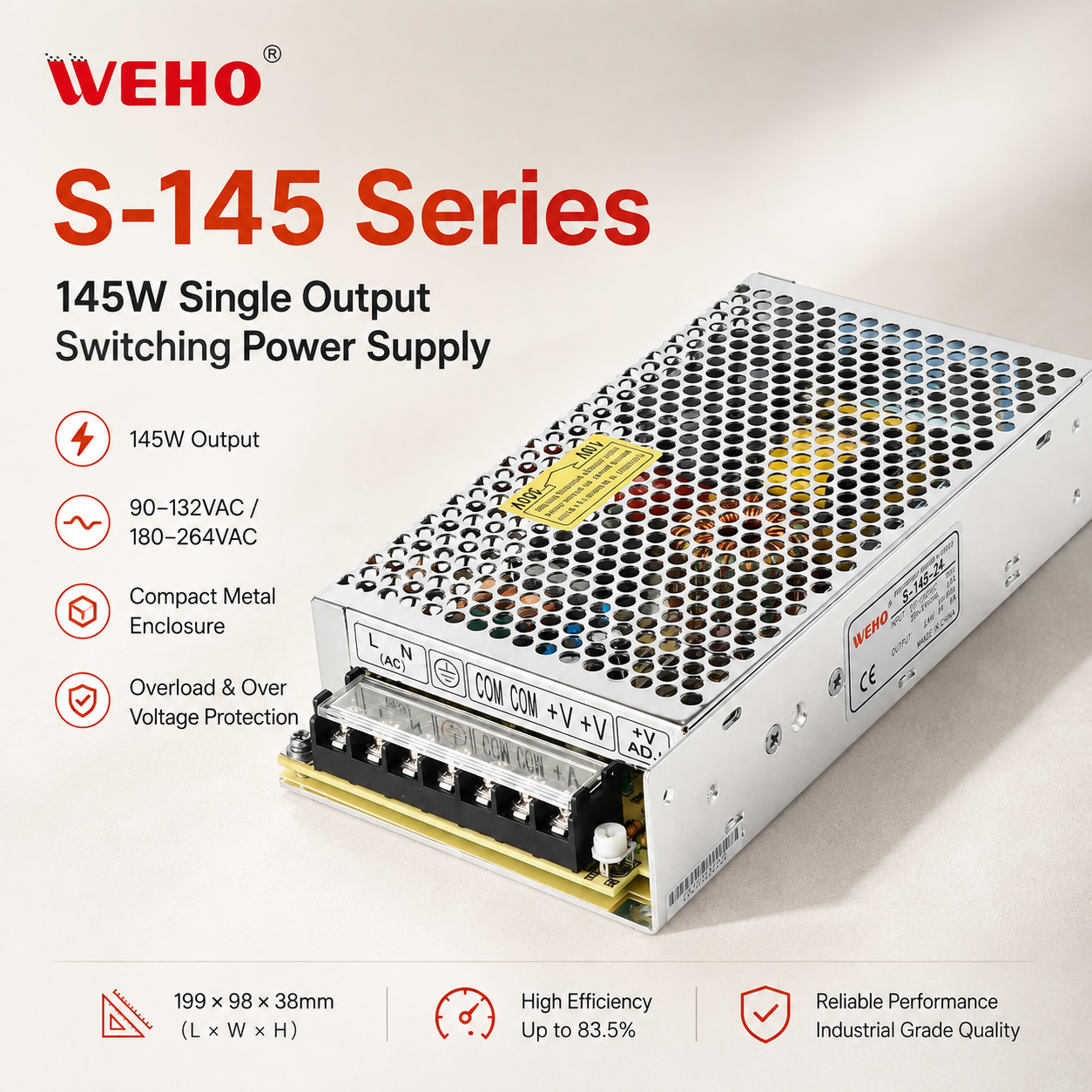
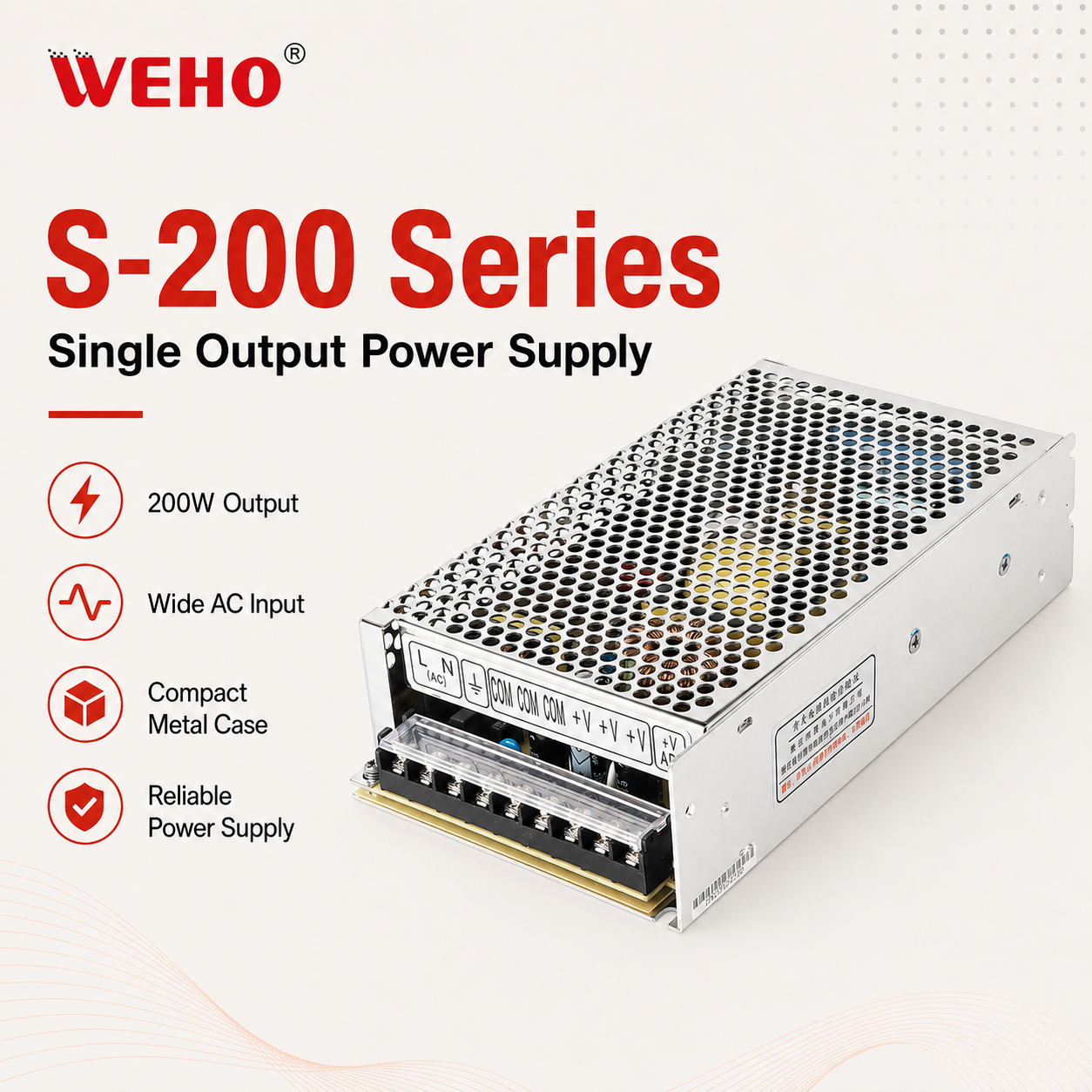
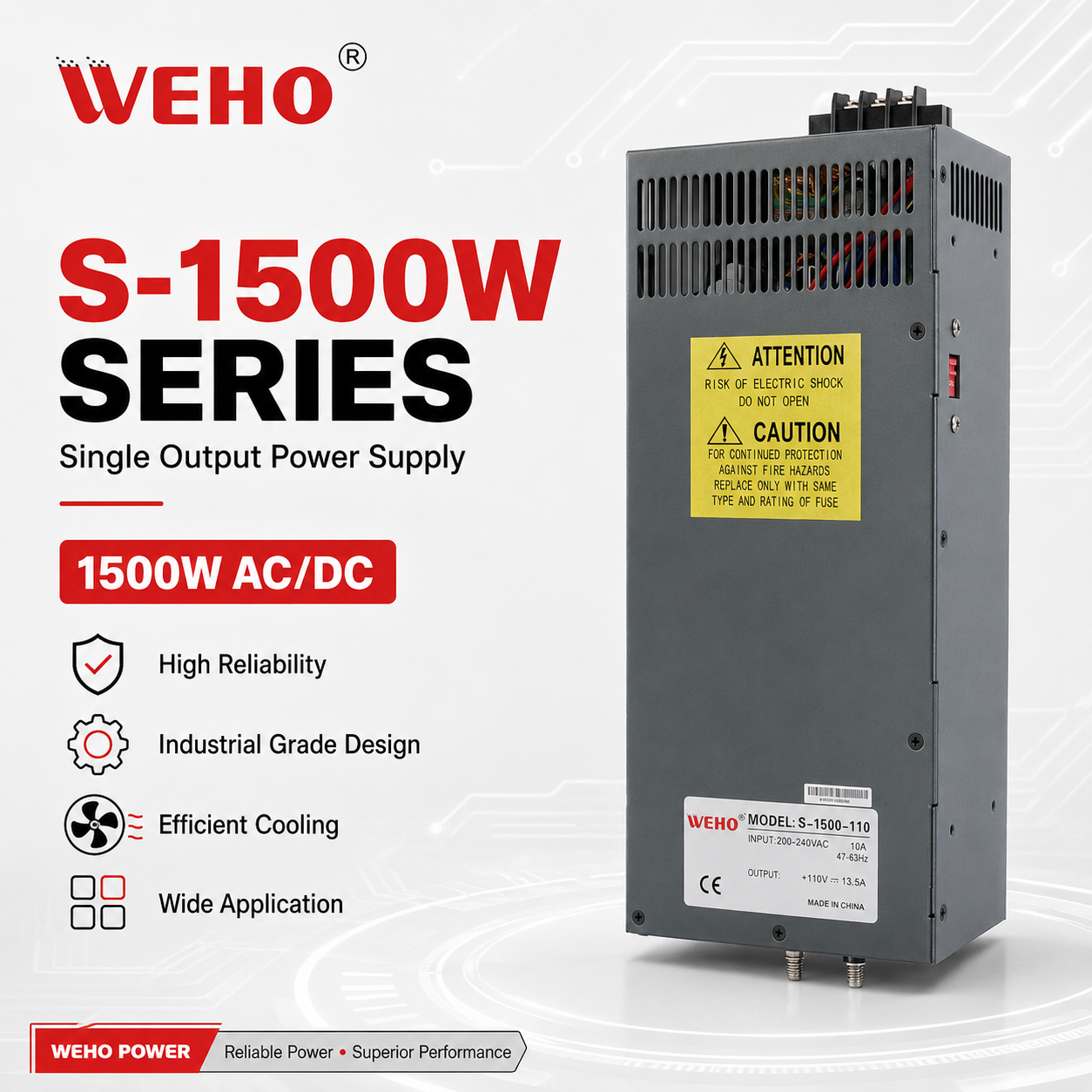
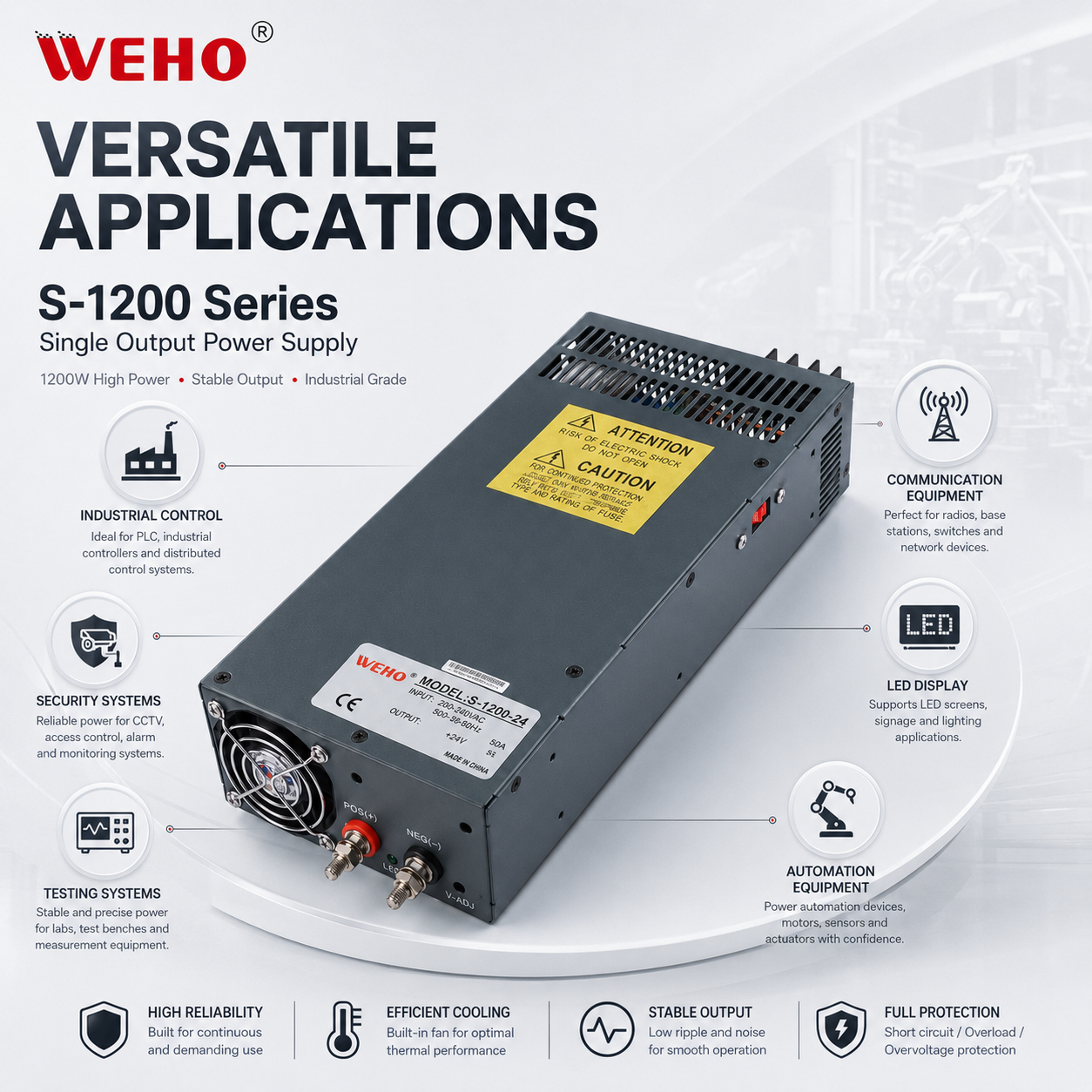
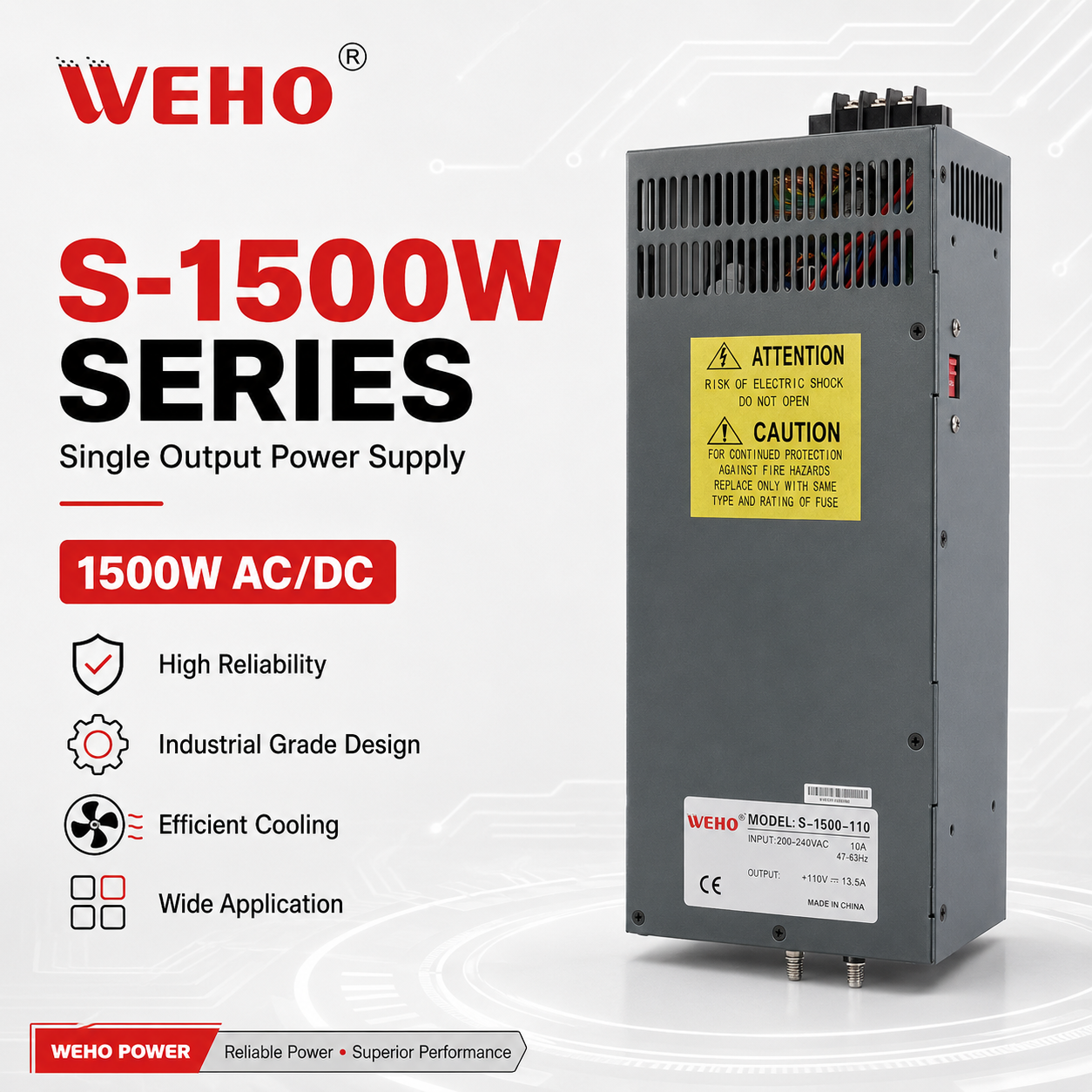
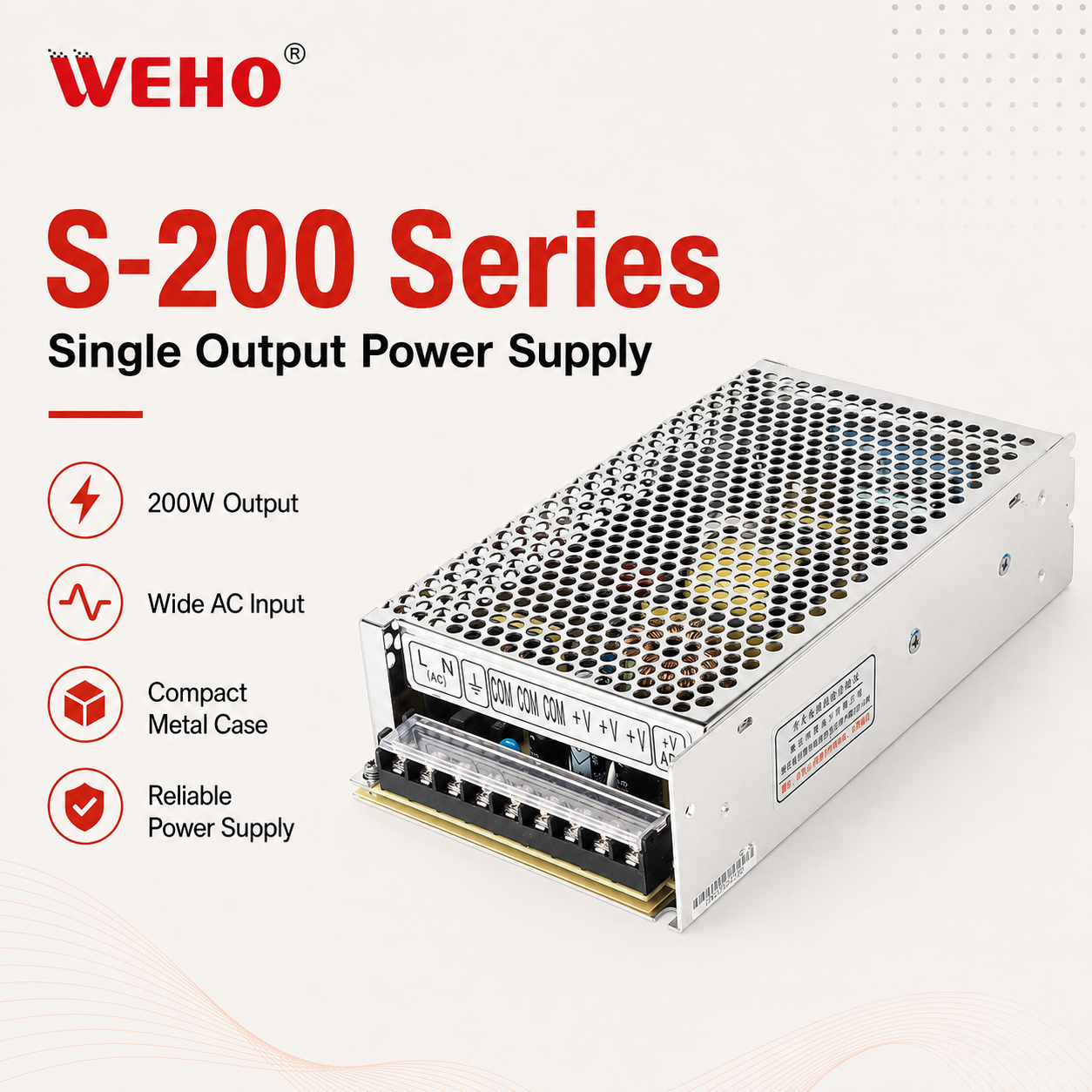
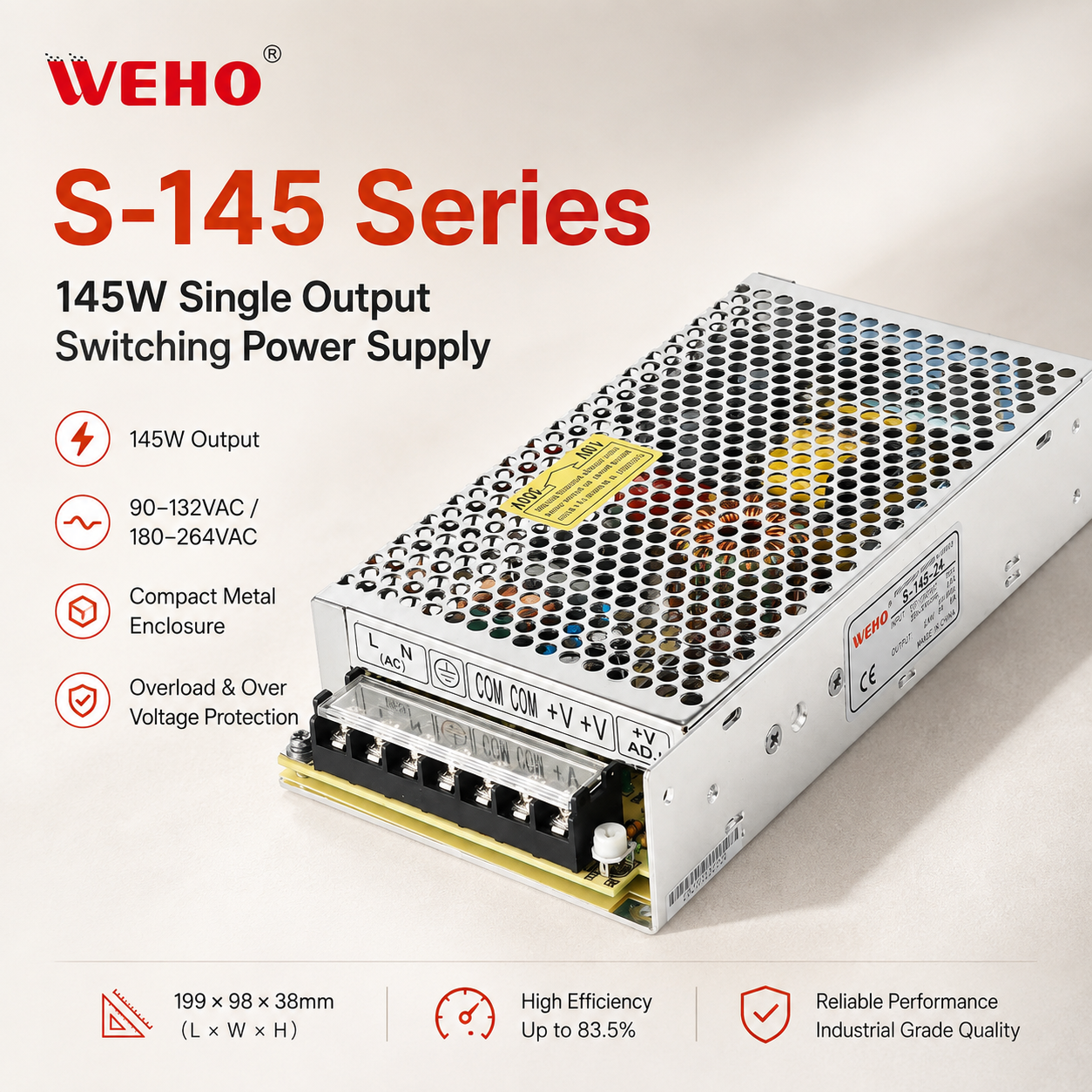
For standard catalog products (such as our S-145, S-200, S-1200, and S-1500 families), standard batch lead times range from 7 to 15 business days. Custom ODM prototypes are typically prepared in 7 to 10 days. We accommodate FOB, CFR, CIF, EXW, and DDU shipping terms via Shanghai or Ningbo ports, accepting payment via T/T, L/C, PayPal, and Western Union in USD, EUR, or CNY.
Are your power units certified for deployment into European and North American markets?
Our products are manufactured according to CE and RoHS regulatory guidelines. EMC emissions and immunity tests are executed in our own shielding test chamber and verified by recognized external laboratories. Specific model compliance sheets and SGS factory assessment reports can be provided directly to your technical audit team upon request.
Request Your Custom Engineering Proposal & Factory Pricing
Connect with our technical sales engineers directly. Send us your target input/output voltage parameters, ambient operating temperatures, wattage tolerances, and estimated volume for an expedited engineering evaluation.
 Deutsch
 Español
 Français
 Português
 Italiano
 Русский
 العربية
 Türkçe