 Deutsch
 Español
 Français
 Português
 Italiano
 Русский
 العربية
 Türkçe
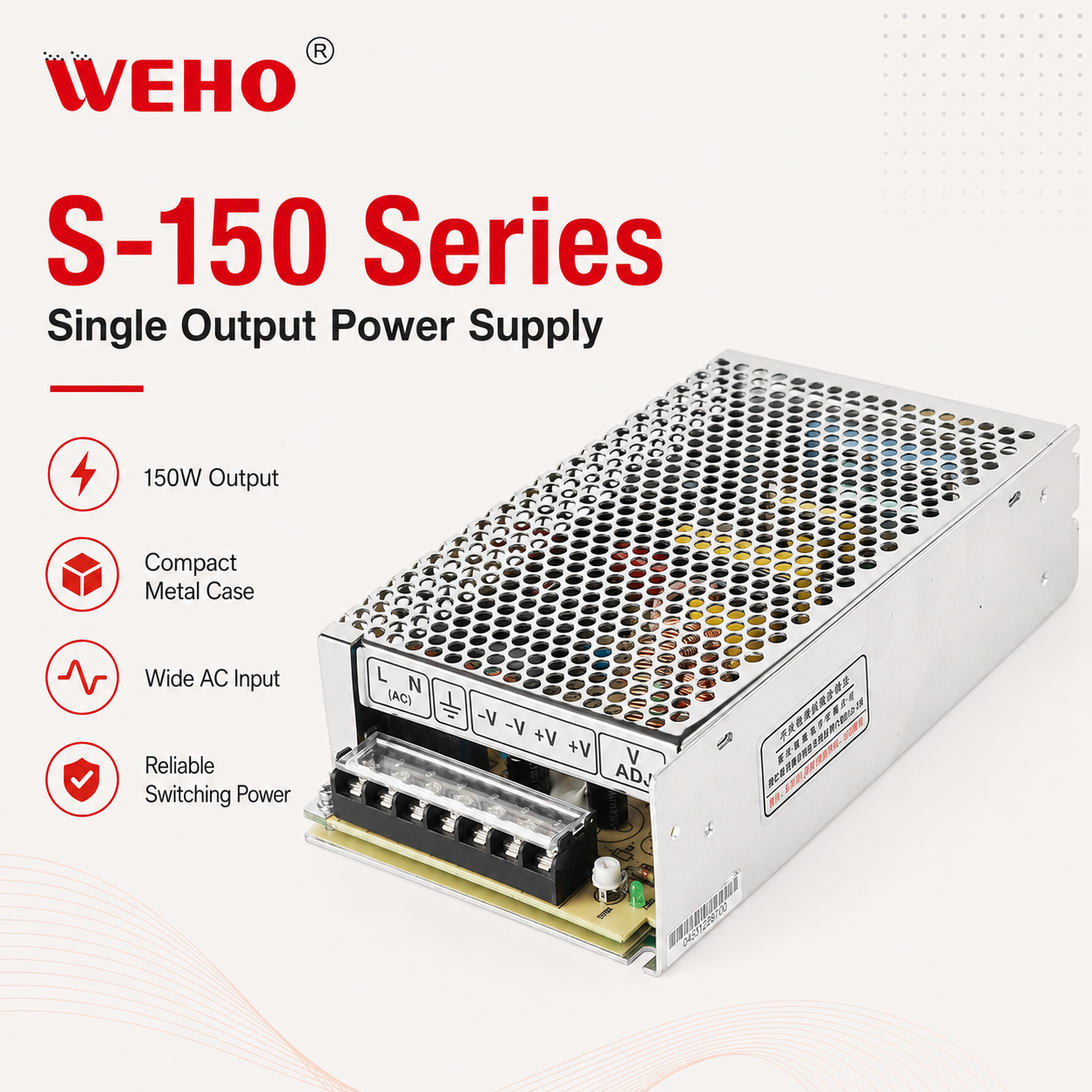
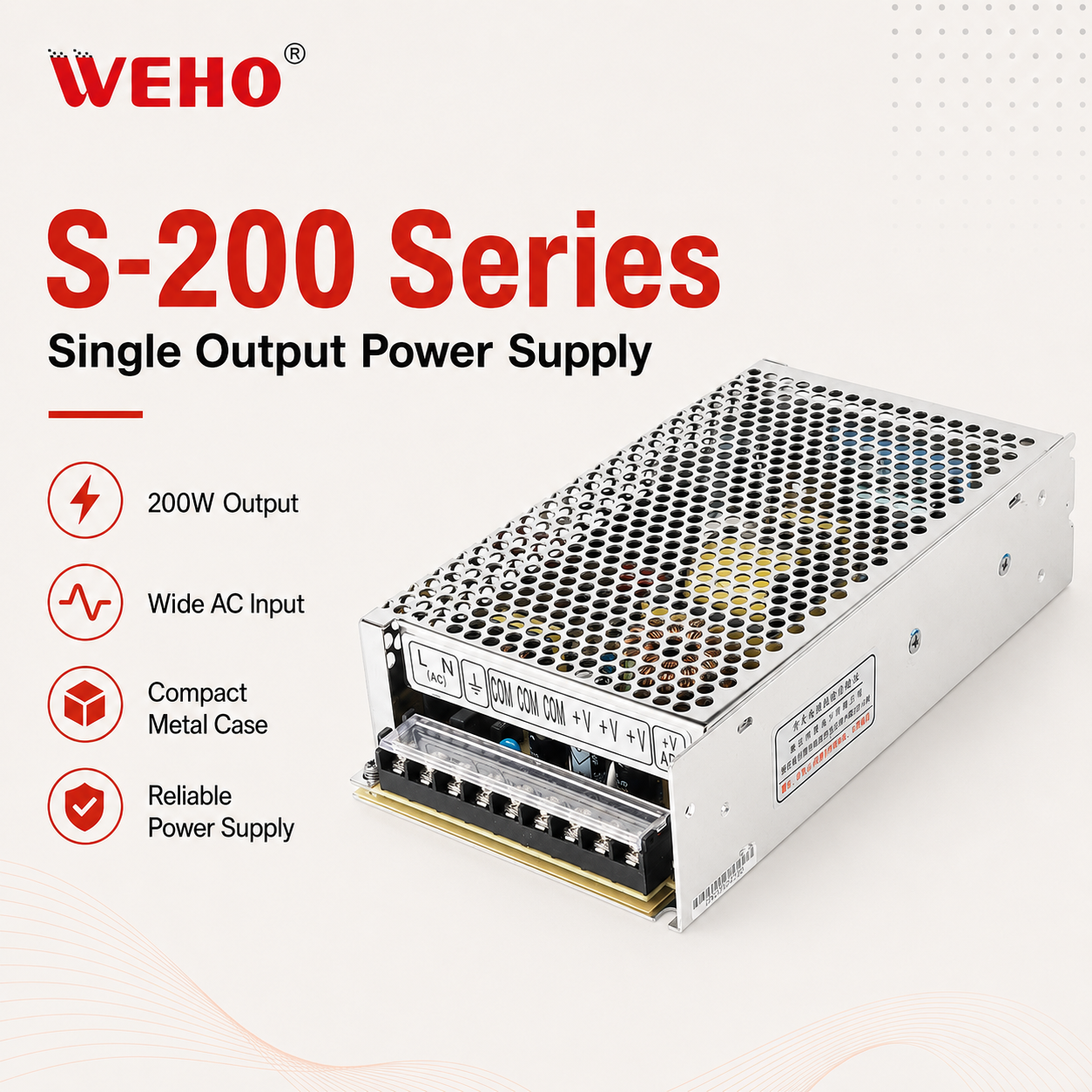
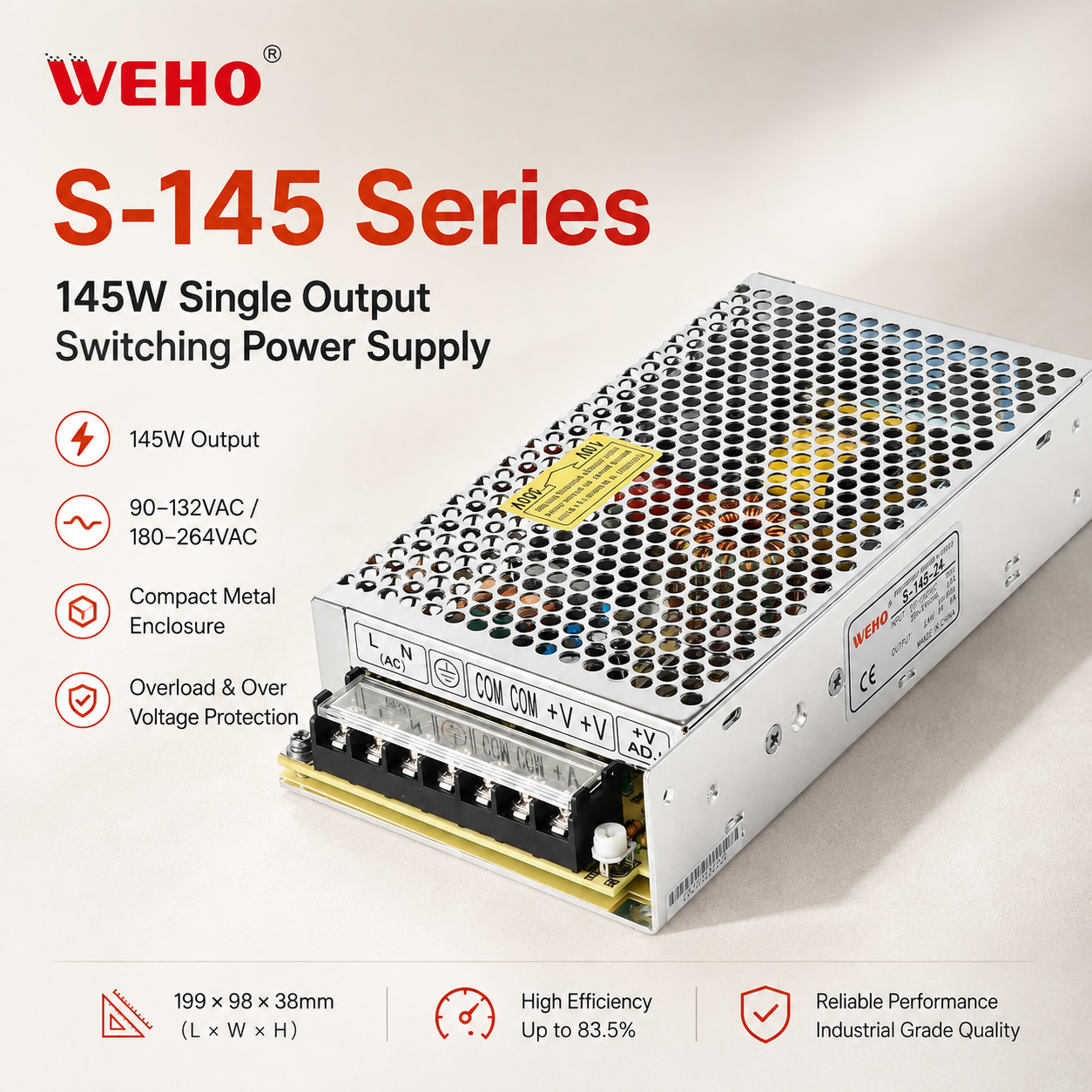
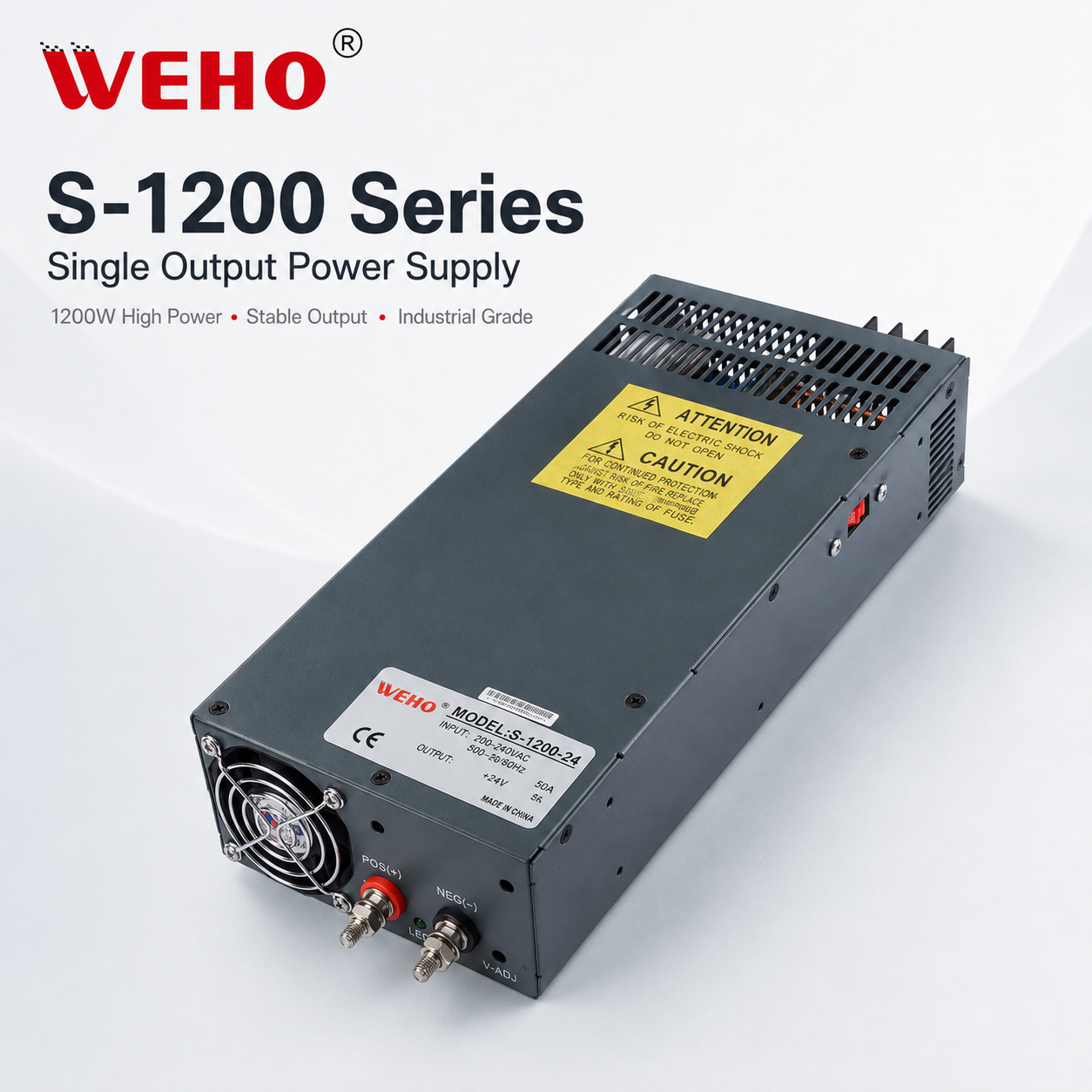
Industrial Switched-Mode Power Supply Whitepaper: Engineering Trends & Strategic Procurement Guide
As the international electronics industry moves towards higher power density, lower standby loss, and stricter electromagnetic compatibility (EMC) regulations, sourcing Switched-Mode Power Supplies (SMPS) requires deep technical vetting. Procurement heads and hardware design engineers face significant trade-offs between topology complexity, thermal derating, long-term electrolytic longevity, and unit economics.
1. Technical Evolution: GaN Semiconductors and Wide Bandgap Topologies
The global SMPS market is undergoing a transition driven by Wide Bandgap (WBG) semiconductors, particularly Gallium Nitride (GaN) and Silicon Carbide (SiC) MOSFETs. Traditional Silicon-based flyback and forward converter topologies encounter severe switching frequency limitations around 100 kHz–150 kHz due to thermal dissipation and parasitic capacitance.
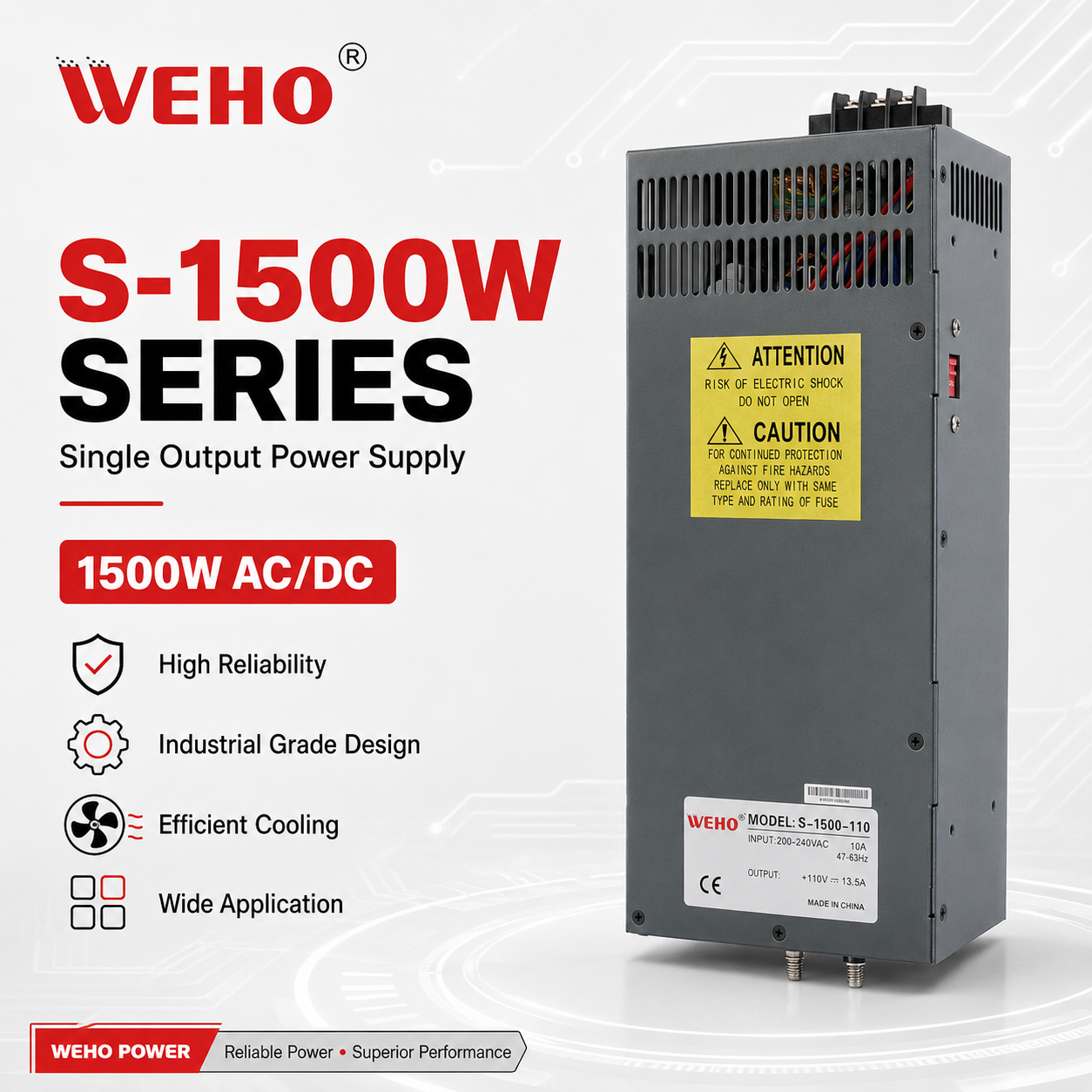
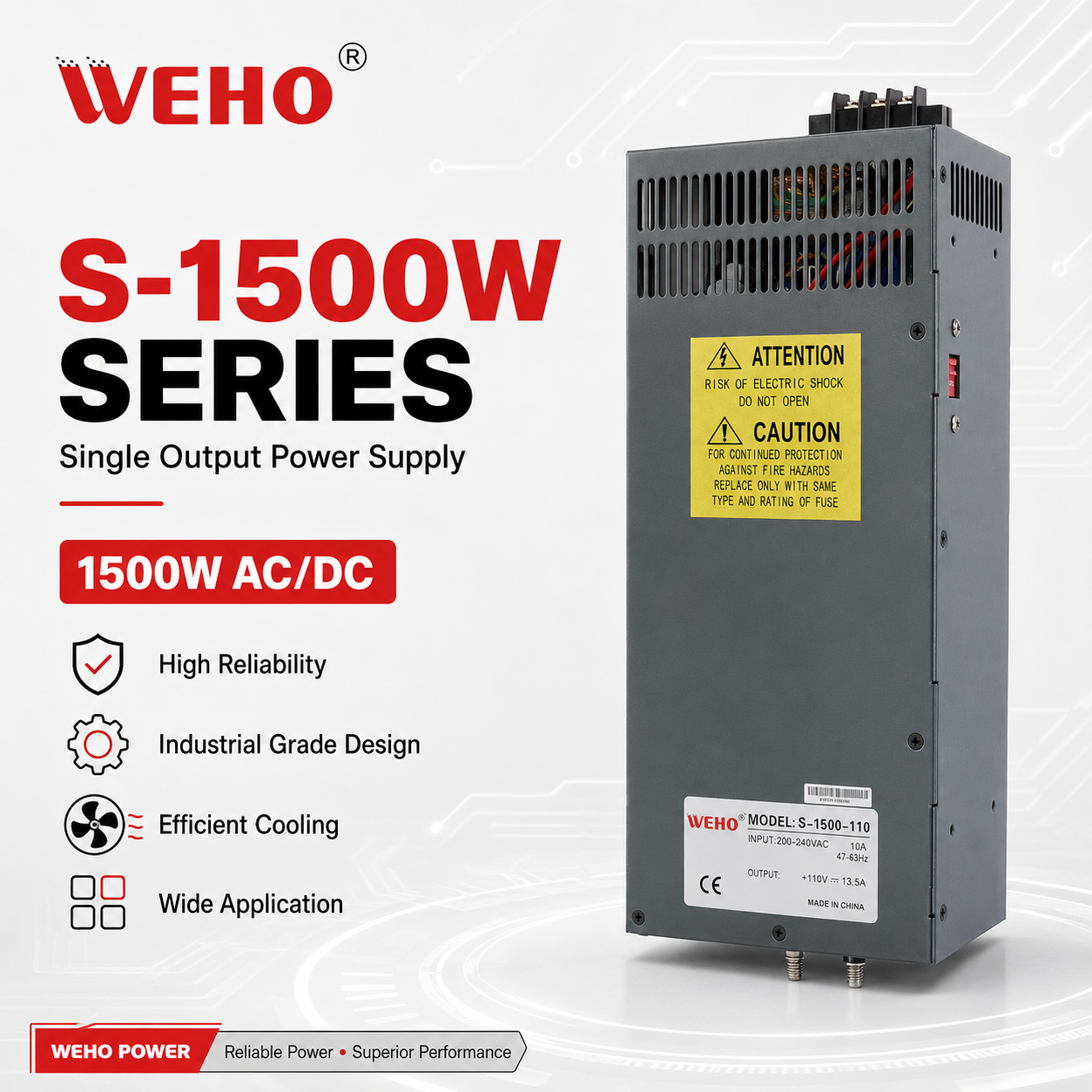
Modern industrial SMPS units operating beyond 500W are shifting towards GaN-based resonant LLC topologies. Operating switching frequencies above 250 kHz drastically reduces transformer core volume and inductor footprints, resulting in low-profile enclosures like our ultra-slim series without sacrificing safety creepage distances. For industrial purchasers, this translates into smaller DIN rail footprints, lighter control cabinets, and operating efficiencies exceeding 93%.
2. Global Procurement Trends: Total Cost of Ownership (TCO) vs. Initial Unit Price
B2B procurement metrics have matured beyond comparing initial FOB per-unit quotes. Tier-1 industrial buyers calculate Total Cost of Ownership (TCO), focusing on:
- Thermal Derating Curves: Inexpensive commodity supplies often quote maximum output wattage at 25°C ambient, steepening into a 50% derating cliff at 50°C. Industrial-grade units maintain continuous full load operation up to 50°C, operating reliably up to 70°C ambient with controlled derating.
- Capacitor Operating Life (MTBF): The weakest link in an enclosed SMPS is the aluminum electrolytic output filter capacitor. Using 105°C-rated capacitors with low Equivalent Series Resistance (ESR) doubles operational life for every 10°C drop in internal operating temperature (Arrhenius' Law), directly curbing warranty RMA overhead.
- Power Factor Correction (PFC): International energy mandates (EN 61000-3-2) require active PFC for power supplies over 75W. Active PFC stages reduce reactive current draw, lowering grid harmonic pollution and line impedance losses in high-density installations.
| Design Parameter | Consumer/Commercial Grade SMPS | Harlon Industrial-Grade OEM SMPS |
|---|---|---|
| Input Voltage Tolerance | 180–240VAC Narrow Range | 85–264VAC Universal Wide Input (withstands 300VAC surges) |
| Burn-in Protocol | Sample-based testing (10-15 mins) | 100% Full-load thermal chamber aging (4-8 hours) |
| Mean Time Between Failures (MTBF) | < 100,000 Hours (MIL-HDBK-217F) | > 250,000 to 500,000 Hours Telcordia SR-332 |
| Protection Suite | Basic Short Circuit (Fuse only) | Auto-recovery OVP, OLP (constant current limit), OTP, Short-circuit |
| Enclosure & Ingress | Thin stamped sheet metal | Corrosion-resistant treated aluminum, optional silicone conformal potting |
3. Future Proofing Against Regulatory Shifts: Safety & Green Mandates
With the harmonization of safety standards under IEC/EN/UL 62368-1 replacing legacy 60950-1 and 60065, electrical hazard-based engineering is mandatory. Industrial SMPS buyers must verify touch currents, double insulation barriers, and clearance parameters under overvoltage category III (OVC III) conditions for harsh industrial sub-stations.
Simultaneously, ErP Lot 7 and EcoDesign directives push no-load standby dissipation below 0.15W–0.3W. Factoring these requirements into your bill of materials early prevents costly platform recertification cycles.