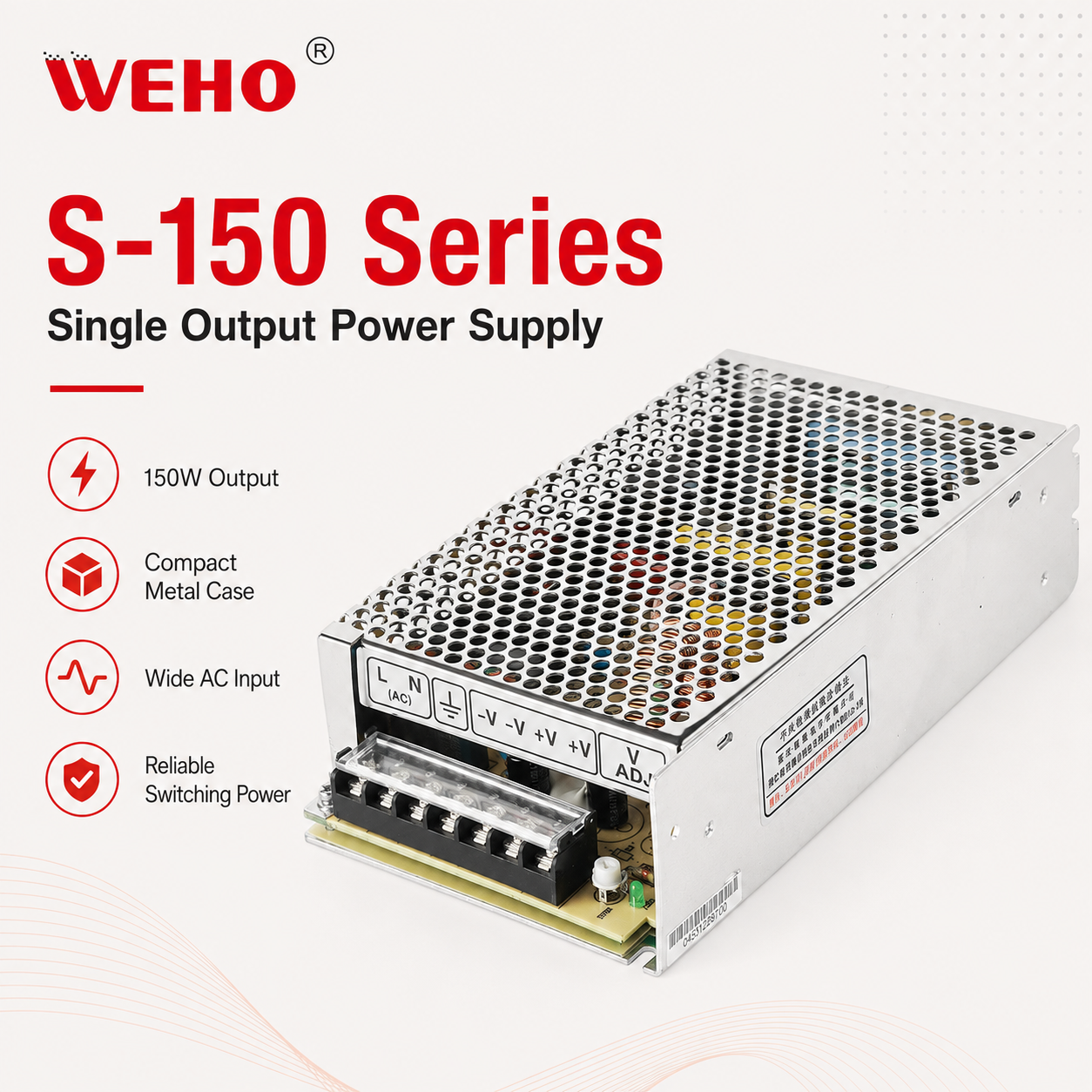
Rating: 150W | 15V DC @ 10A
Topology: Low-Ripple SMPS
Inquire Now
Topology: Low-Ripple SMPS
Our export team supports buyers in these languages:
 Deutsch
 Español
 Français
 Português
 Italiano
 Русский
 العربية
 Türkçe
Verified single and multi-rail DC voltage output units built with 105°C long-life capacitors, active line-filtering networks, and ruggedized aluminum alloy chassis.
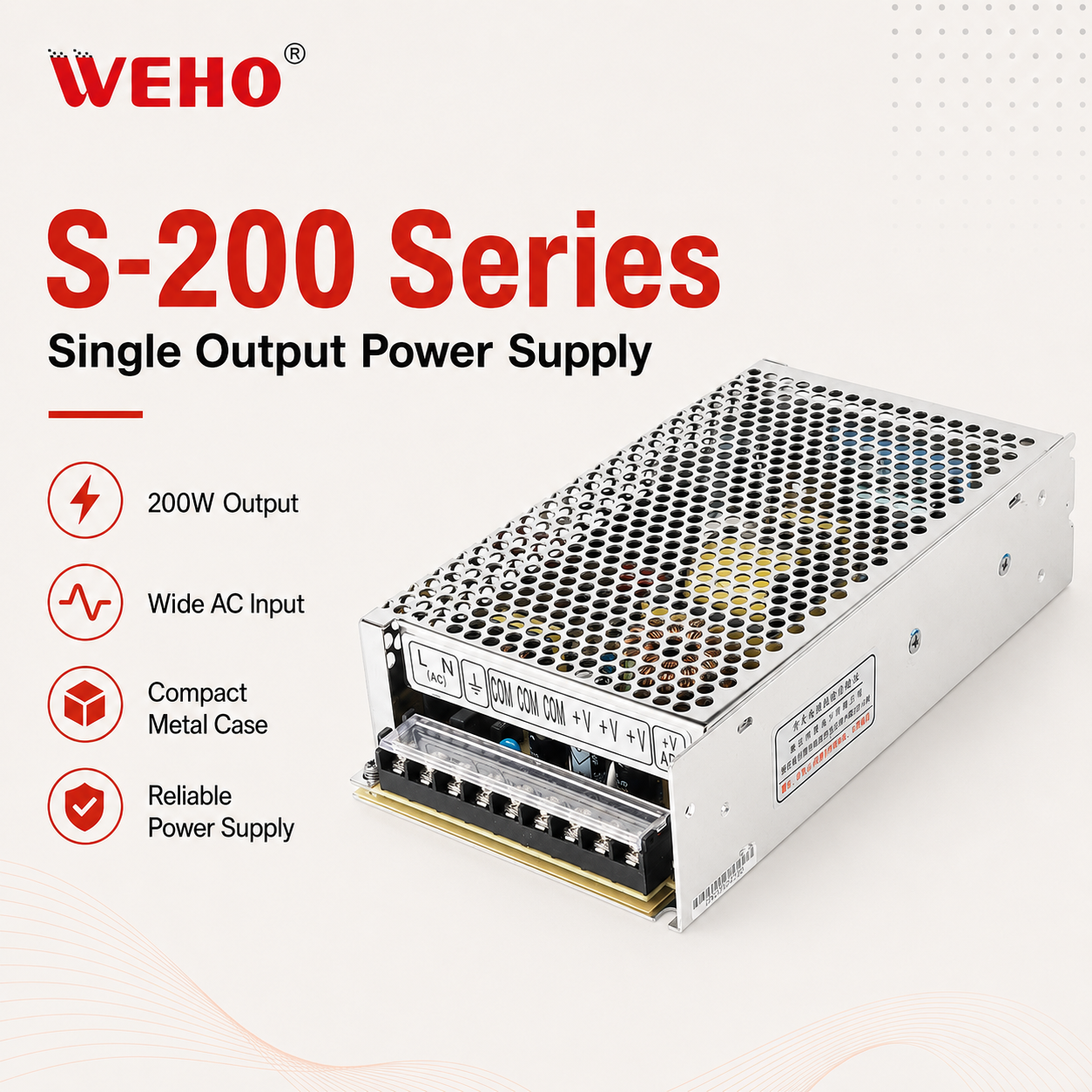
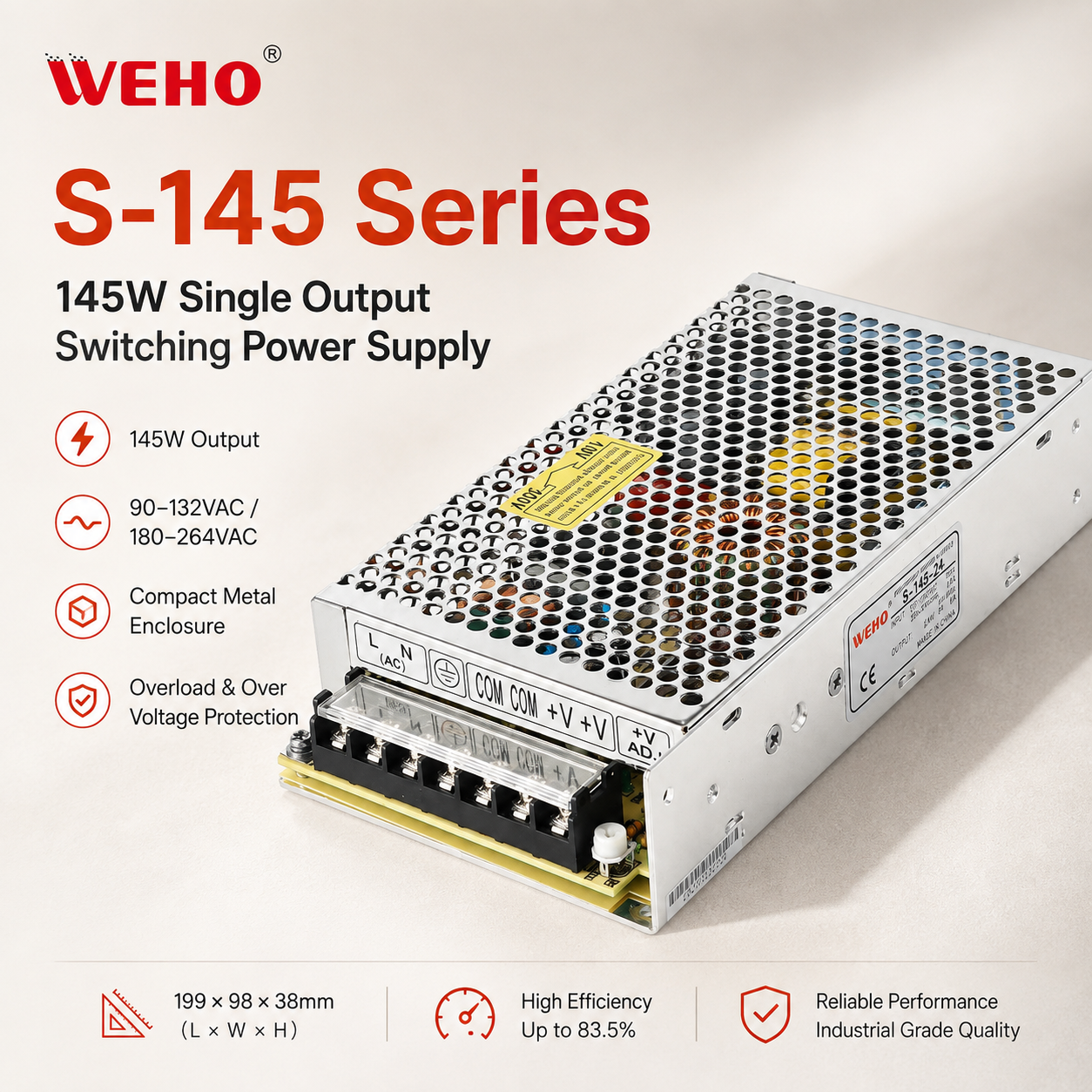
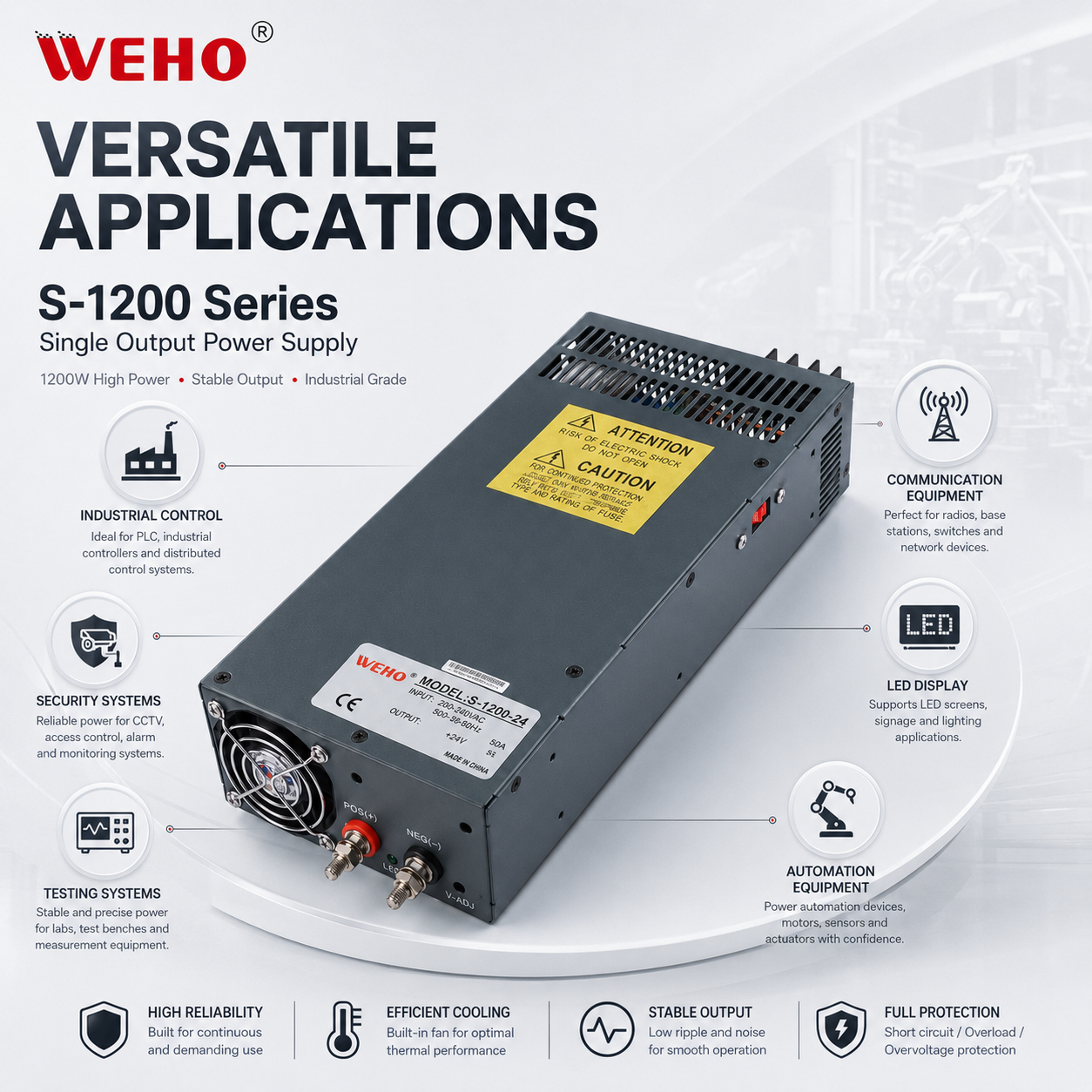
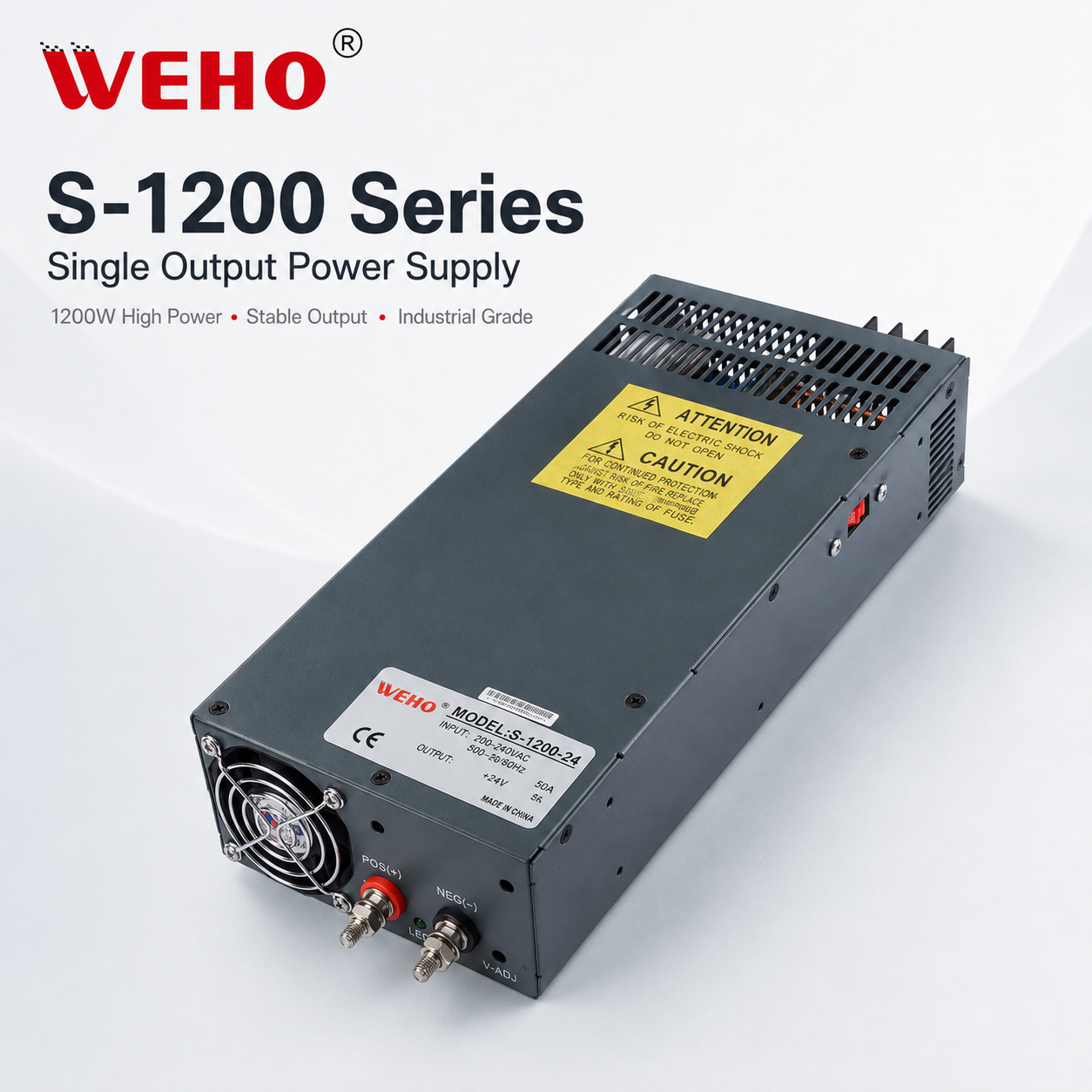
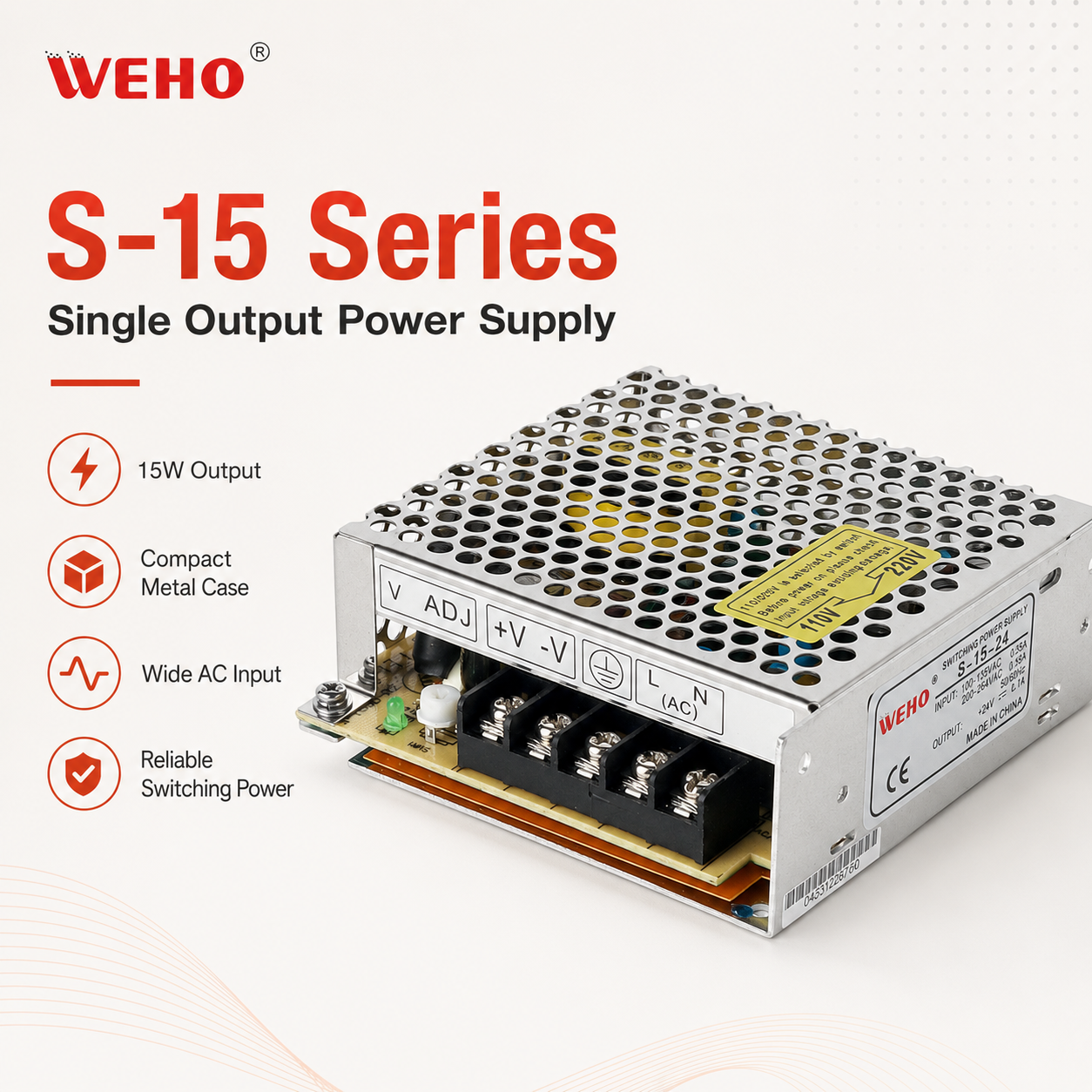
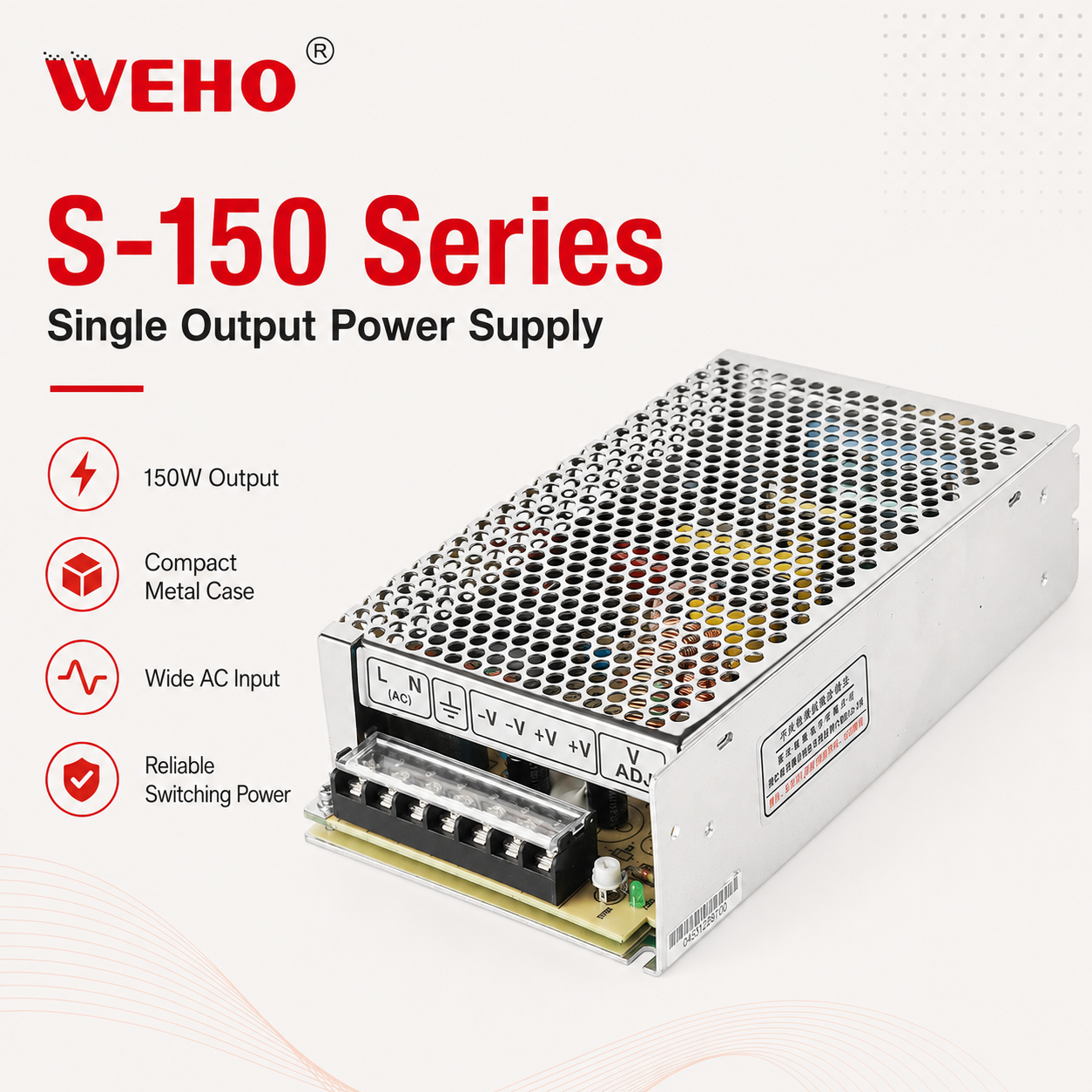
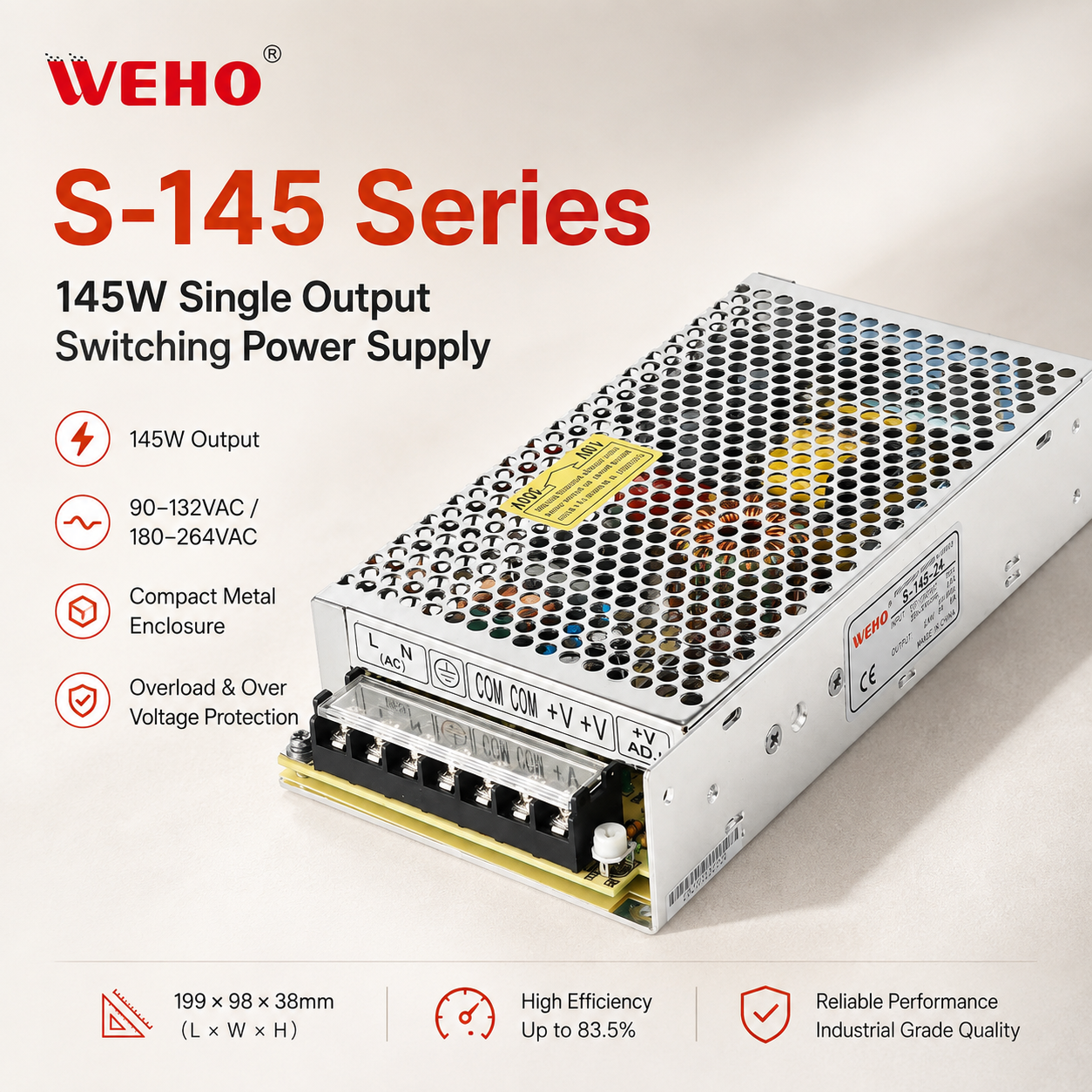
Operating from our modern 10,000-square-meter facility located in Wenzhou, Zhejiang, Zhejiang Harlon Electronic Co., Ltd. has established itself as an authoritative ISO 9001-certified designer and manufacturer of precision DC power conversion gear. Our hardware portfolio spans low-wattage 10W instrumentation modules to 3,000W heavy-duty industrial SMPS arrays, DC-DC step-down/step-up stabilizers, DIN-rail automation power supplies (EDR, MDR, NDR architectures), and IP67 waterproof drivers.
With an engineering division led by chief technologists possessing over 30 years of independent power topology development experience, we eliminate the risks of thermal throttling, excessive harmonic distortion, and electromagnetic interference (EMI) that plague low-tier power units. Every unit leaving our production lines undergoes automated SMT assembly, wave-soldering inspection, and loaded dynamic burn-in testing under elevated temperature profiles.
We partner with 31 qualified supply-chain partners for primary silicon, high-grade silicon steel cores, and certified 105°C low-ESR electrolytic capacitors, guaranteeing predictable MTBF exceeding 50,000 operational hours.
Our facility houses high-and-low temperature stress test chambers, lightning surge generators, digital EMI receivers, and grounding resistance analyzers, giving procurement teams full transparency and verified batch reports.
Whether you require customized rail voltages (e.g., 36V, 60V, 72V), extended temperature silicone potting, bespoke wiring harnesses, or client-branded laser-etched aluminum cases, our turn-around for bespoke prototypes is rapid and compliant.
How the shift to wide-bandgap semiconductors and digital loop control is redefining OEM power supply architecture.
Traditional silicon MOSFET-based switched-mode power supplies have reached their theoretical boundaries in switching frequency and thermal resistance. In conventional designs operating between 65 kHz and 100 kHz, magnetic components (transformers and chokes) consume up to 40% of the internal enclosure volume. Modern industrial requirements require conversion efficiencies exceeding 94%, demanding the integration of wide-bandgap (WBG) semiconductors.
By implementing GaN-on-Si transistors in the primary inverter stage, switching frequencies can safely scale up to 300 kHz to 500 kHz without incurring proportional switching losses. This frequency increase slashes magnetic core size by up to 60%, enabling ultra-slim profiles (such as 30 mm enclosure heights) while minimizing dissipated heat inside sealed equipment cabinets. For higher power units (1,000W to 3,000W), Silicon Carbide (SiC) Schottky barrier diodes provide near-zero reverse recovery charges, virtually eliminating peak turn-on stresses during continuous conduction mode (CCM) operation.
With global energy regulations tightening, industrial equipment connected to 3-phase and single-phase AC grids must minimize line phase distortions. Legacy non-PFC designs introduce heavy third-order harmonic distortions, leading to localized neutral wire overheating and grid penalty tariffs for manufacturing plants. The adoption of two-stage boost PFC topologies ensures that our high-power SMPS series deliver a Power Factor (PF) of >0.98 across varying load profiles (from 20% to 100% capacity), safeguarding system stability and compliance with worldwide EMC standards.
| Performance Metric | Legacy Linear Regulators | Standard Si-MOSFET SMPS | Advanced GaN/SiC Hybrid SMPS |
|---|---|---|---|
| Conversion Efficiency | 40% – 55% (High heat loss) | 78% – 88% (Standard line losses) | 92% – 96% (Ultra-low heat generation) |
| Power Density (W/in³) | 0.5 – 1.2 W/in³ | 5.0 – 8.5 W/in³ | 15.0 – 24.0 W/in³ |
| Input Voltage Tolerance | Extremely Narrow (±5%) | Wide (85–264 VAC) | Universal Wide (85–305 VAC) |
| Operating Temperature | Requires massive heat sinks | -10°C to +50°C full rating | -30°C to +70°C without thermal throttling |
| Galvanic Isolation Rating | Basic Transformer (1.5 kV) | Reinforced 3.0 kVAC | Reinforced 3.75 kV to 4.0 kVAC |
Actionable forecasting for procurement directors, hardware system architects, and component supply-chain specialists.
Global original equipment manufacturers are actively eliminating regional-specific SKUs. Modern industrial bills of materials (BOMs) prioritize wide-input voltage modules capable of seamlessly operating across 110V North American and 230V European grids without manual selector switches.
Driven by energy consumption optimizations in high-density computing, telecommunications (5G micro-sites), and industrial robotics, low-voltage power distribution is shifting from 12V and 24V toward higher-efficiency 48V DC bus architectures to curb I²R copper line losses.
Buyers are systematically auditing factories for verified quality systems (ISO 9001, SGS on-site audits). Traceability of conflict-free minerals, compliance with EU RoHS and REACH directives, and standardized burn-in test validation are non-negotiable procurement prerequisites.
Technical clarity for engineering decision-makers and international trade buyers.
Speak directly with a Harlon application engineer to review your schematic constraints, request comprehensive datasheets, or schedule a formal factory audit.