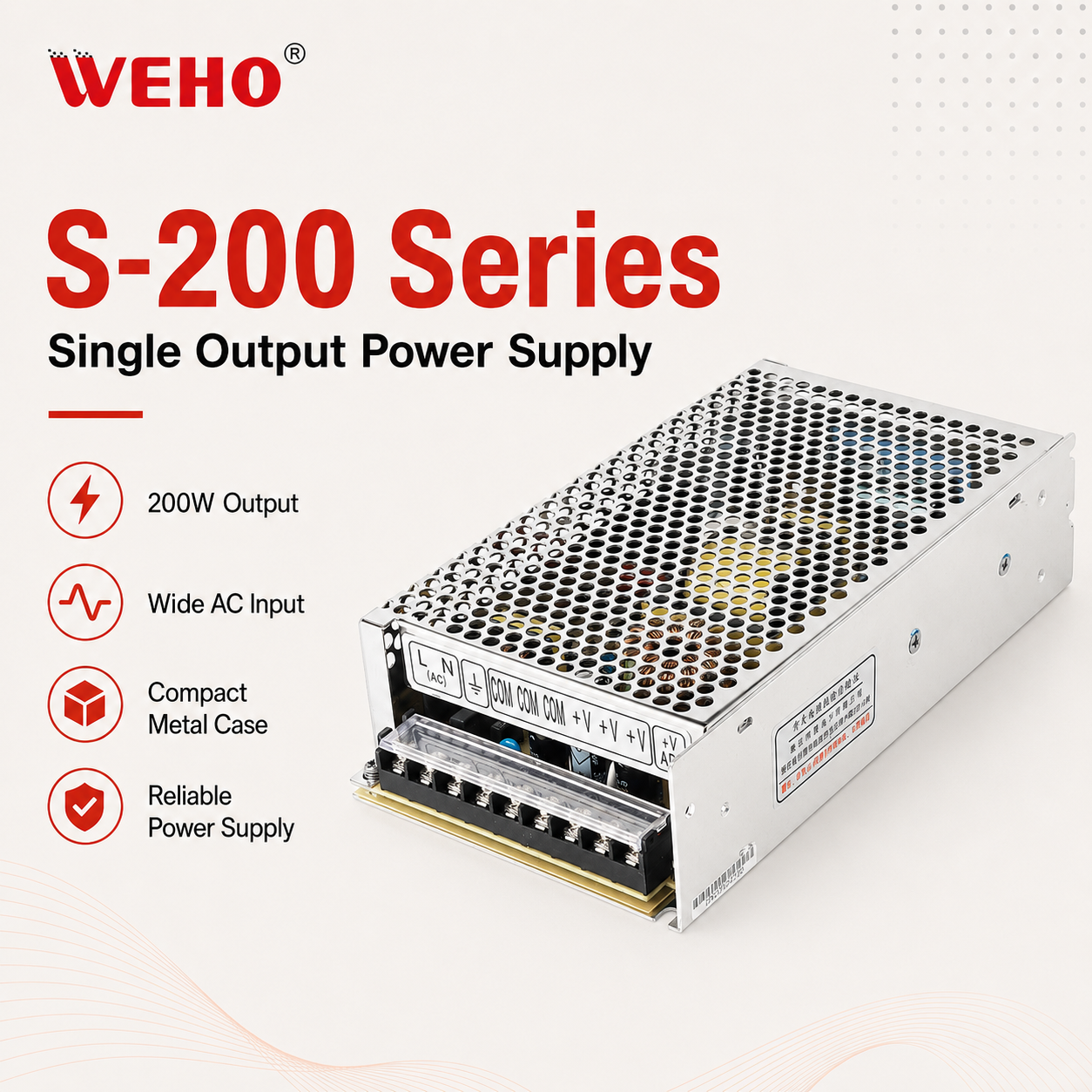
CE ROHS S-200-36 36V 0~5.5A AC to DC Imported Electronic Components 100% High Temperature Full Load test Switching Power Supply
Our export team supports buyers in these languages:
 Deutsch
 Español
 Français
 Português
 Italiano
 Русский
 العربية
 Türkçe
Engineered for low-ripple constant current performance, high surge resistance, and continuous duty in industrial automation, LED lighting, and mission-critical installations.
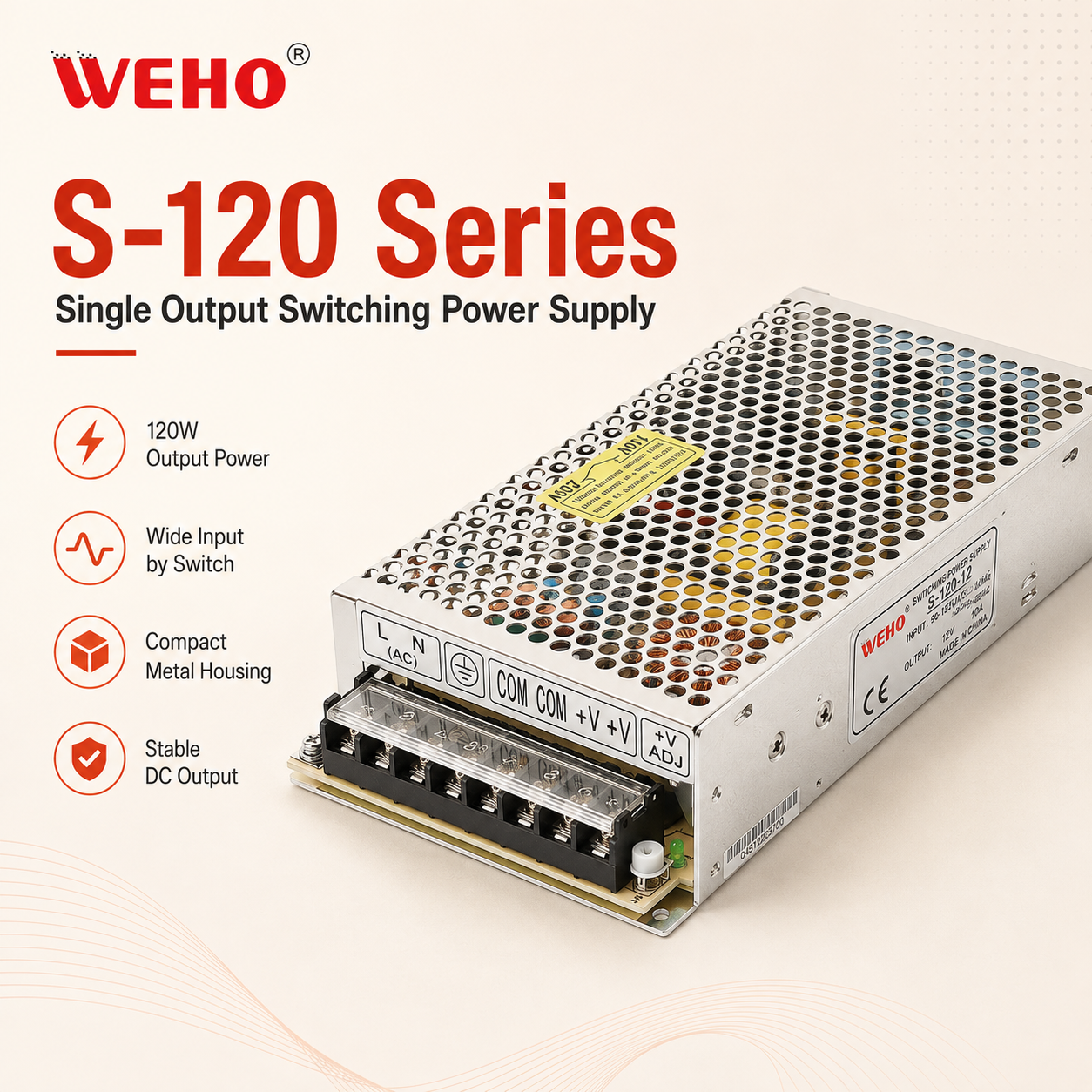
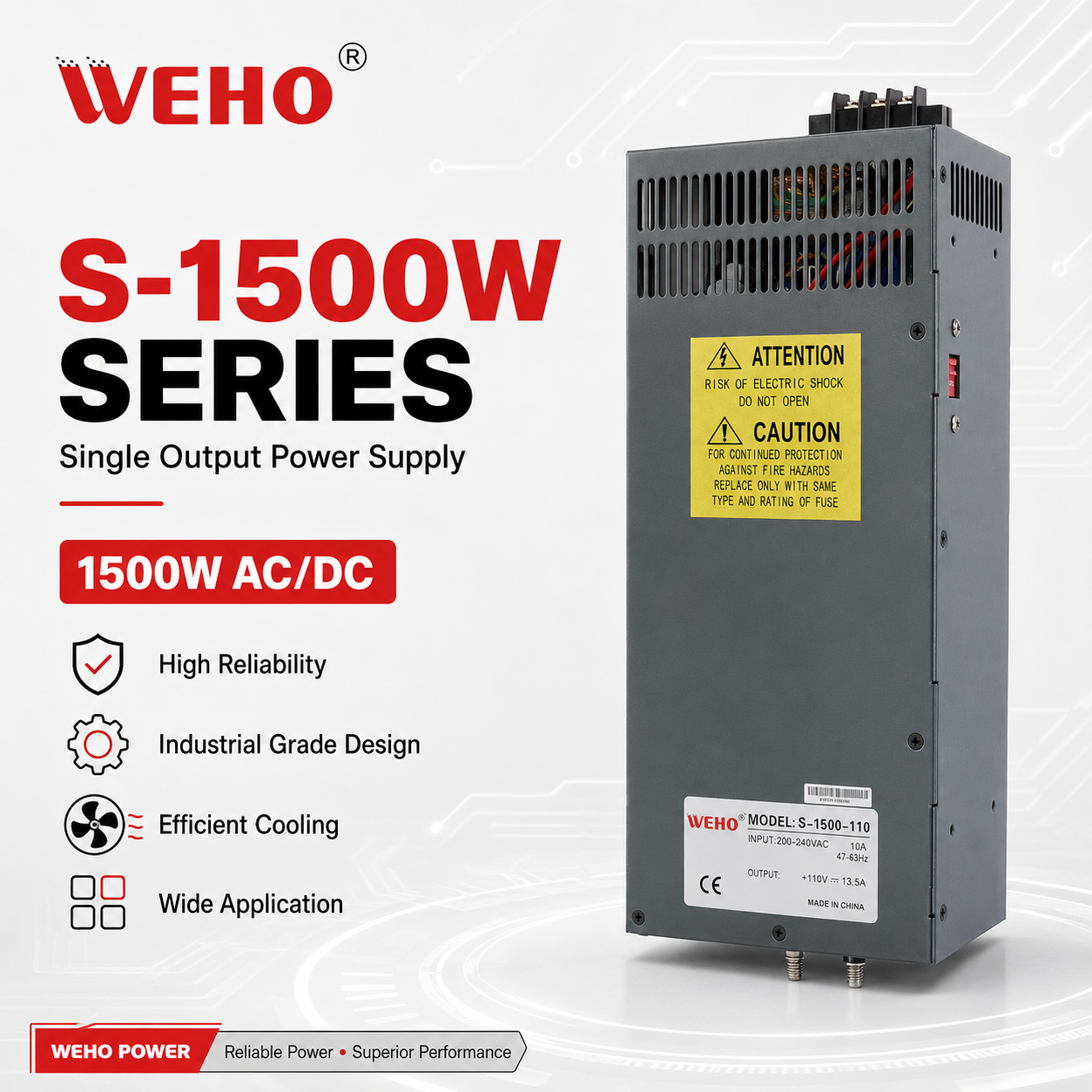
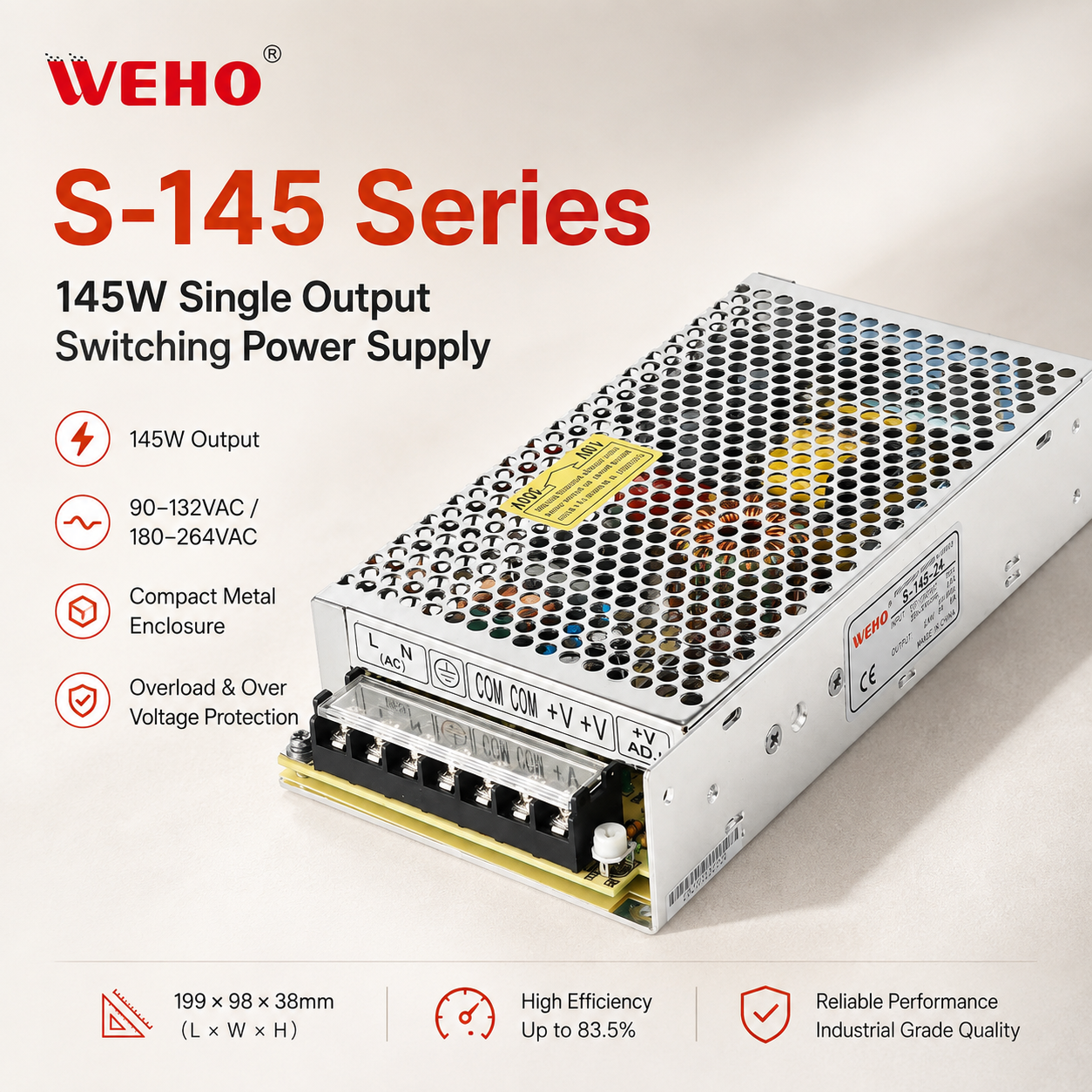
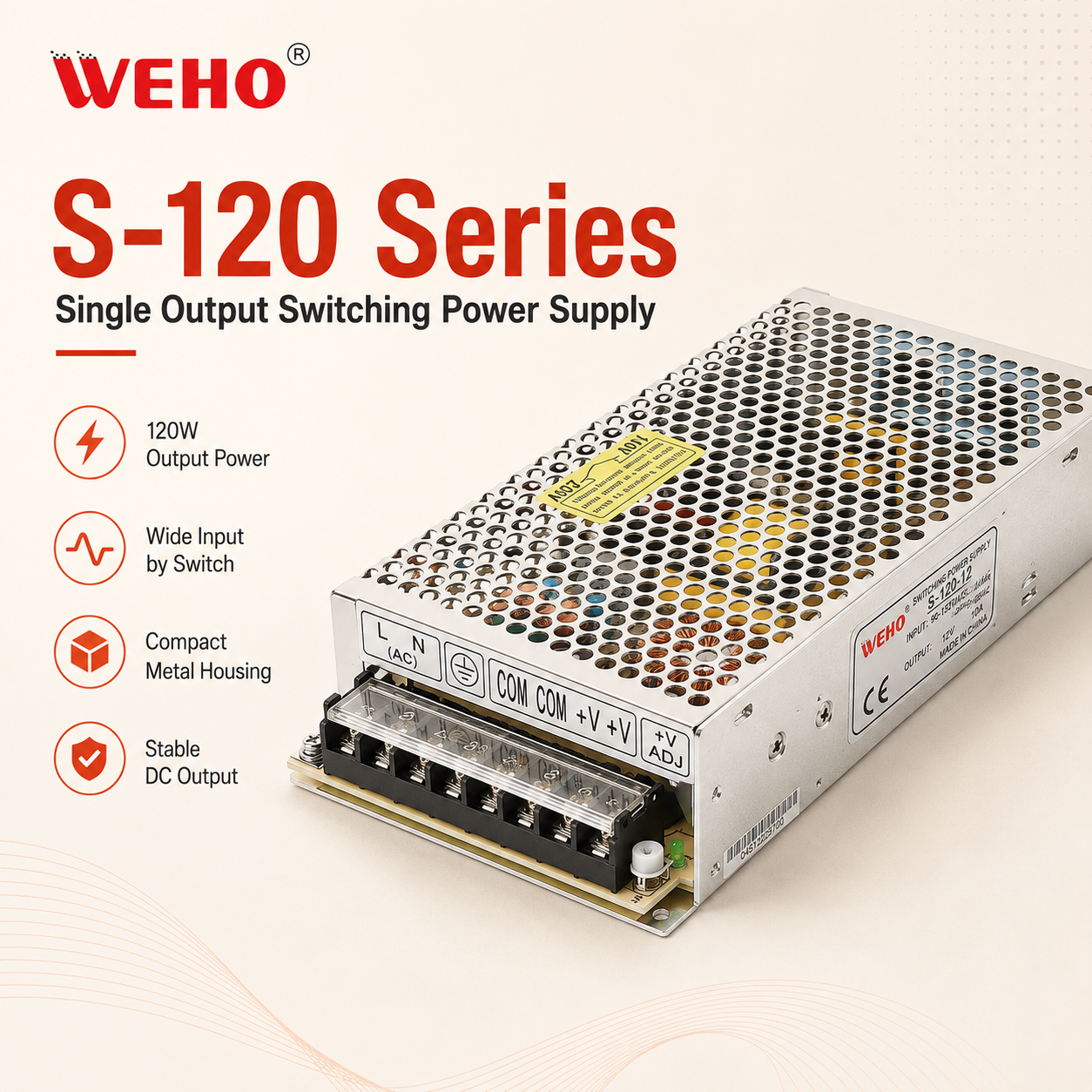
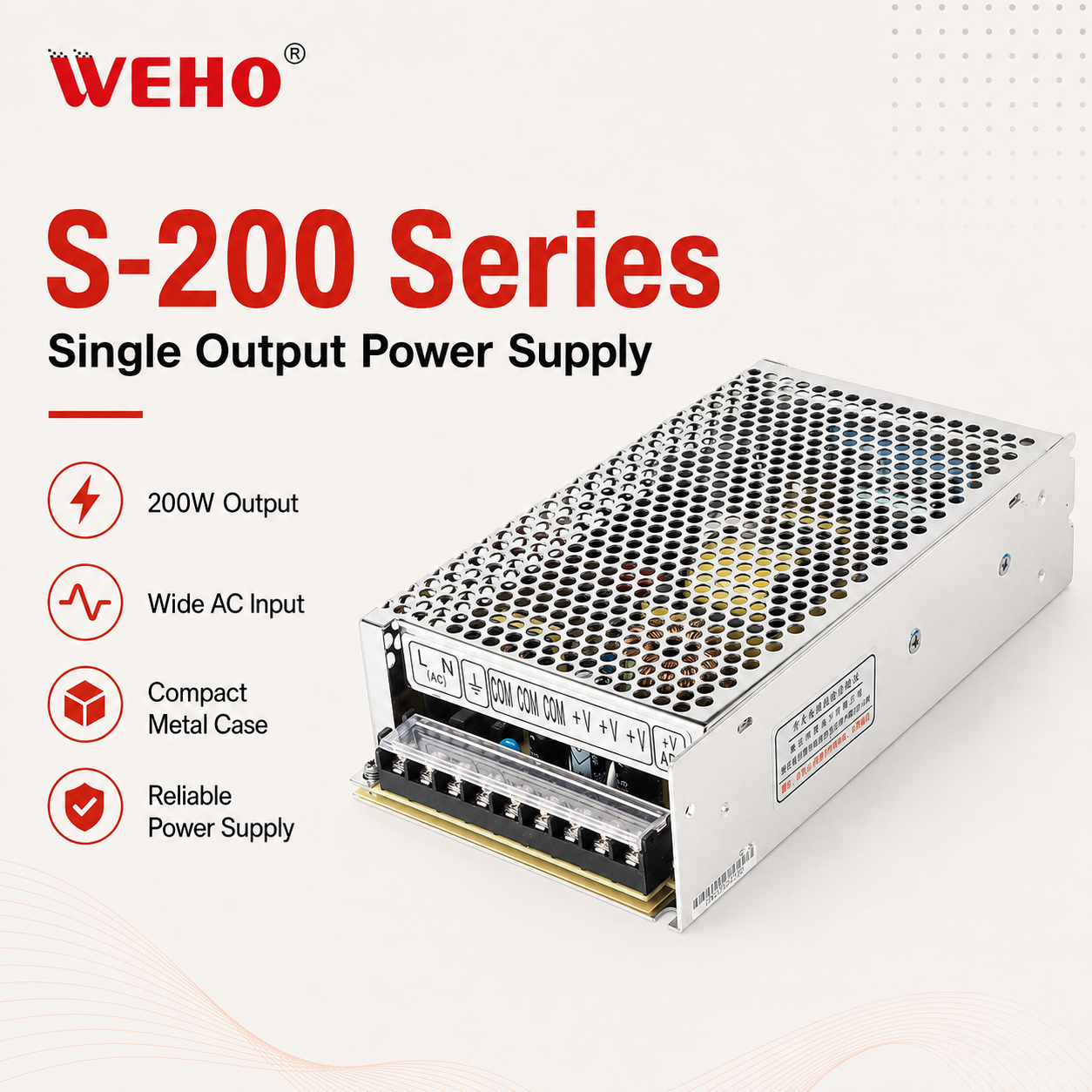
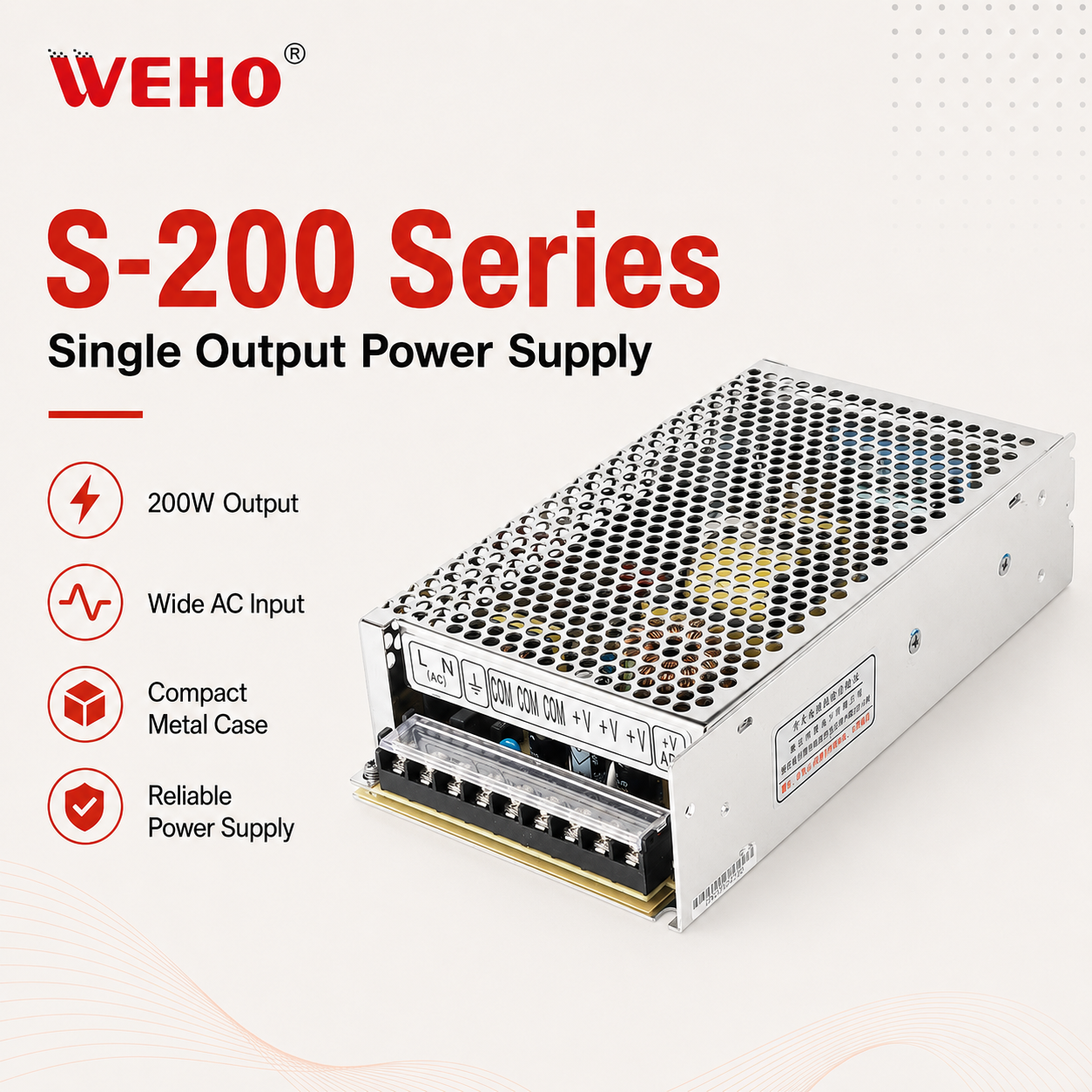
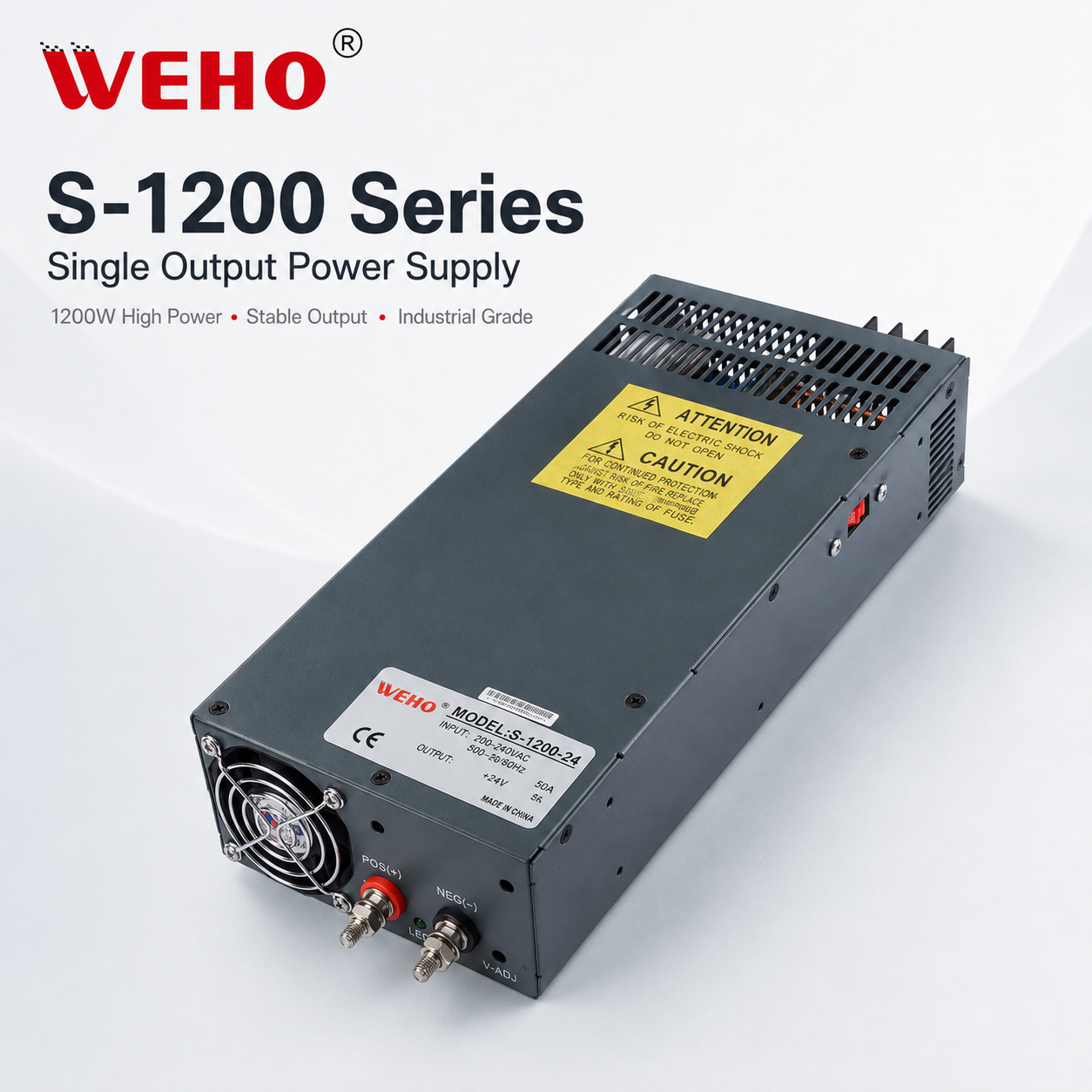
In modern power conversion infrastructure, the distinction between Constant Voltage (CV) and Constant Current (CC) architectures defines circuit lifetime, thermal dissipation, and device protection. While constant voltage modules prioritize regulating voltage levels across dynamic load currents, a constant current power supply (CC PSU) continuously modulates its internal duty cycle to sustain an unwavering amperage output regardless of dynamic fluctuations in terminal load impedance or thermal shifts in solid-state junctions.
When selecting switching power supplies (SMPS) for high-reliability deployments—such as automated electrochemistry, laser diode modulation, LED driving networks, battery rejuvenation systems, and CNC servo logic—procurement engineers must account for the intrinsic load regulation loop speed. High-grade industrial CC power units rely on high-side current-sensing resistors combined with ultra-low-drift operational amplifiers to maintain tighter than ±1% regulation bandwidths, preventing overshoot events that induce silicon junction punch-through.
| Topological Parameter | Standard Commercial SMPS | Industrial Precision CC SMPS | Impact on Operating Lifetime |
|---|---|---|---|
| Regulation Tolerance | ±5% to ±10% drift under load | ±0.5% to ±1.5% active feedback | Eliminates junction hotspots & thermal runaways |
| Capacitor Specifications | 85°C rated standard grade | 105°C–125°C Japanese/imported grade | Extends MTBF past 50,000+ continuous hours |
| Feedback Loop Mechanism | Secondary optocoupler (Slow) | Dual-loop op-amp + fast opto-isolated gate | Absorbs inrush pulses in <15 microseconds |
| Full-Load Burn-In | Statistical batch sampling (5–10%) | 100% High-Temperature Loaded Burn-in | Screens early-life mortality before transit |
For systems operating under continuous high-temperature duty cycles, electromagnetic interference (EMI) containment and surge absorption are paramount. Tier-one suppliers integrate multistage input EMI filtration (common-mode and differential-mode chokes) alongside high-voltage gas discharge tubes and metal oxide varistors (MOVs) rated for lightning surges up to 4kV to ensure uninterrupted operational safety in demanding industrial grid conditions.
Procuring switching power supplies from international partners demands a disciplined audit methodology that balances component pedigree against verified factory operational capacity. The following benchmark synthesizes the core manufacturing archetypes dominating global supply chains:
Established in 2007 with 10,000 m² production facilities in Wenzhou. SGS on-site assessed, ISO 9001 certified, equipped with in-house SMT, dual-liquid potting, and a complete EMC/surge test laboratory. Excels in high-mix custom OEM/ODM production covering 10W to 3000W enclosed SMPS, DIN rail, and constant current modules.
Global standard-setter for catalog distribution with extensive global warehousing. Strong off-the-shelf coverage across constant voltage/current drivers, though customized OEM modifications often require very large production commitments.
Renowned for mission-critical medical, measurement, and laboratory instrumentation power units. Exceptional MTBF metrics and strict compliance, targeted primarily at premium high-budget industrial deployments.
A multinational leader in extreme-efficiency power electronics, electric vehicle charging converters, and hyperscale data center power distribution blocks, offering expansive automation scalability.
Specialized in healthcare, defense, and semiconductor fab manufacturing equipment. Focuses on low acoustic noise, minimal leakage currents, and advanced programmable digital bus CC integrations.
Pioneering DIN rail power supplies with exceptionally high efficiency ratings (up to 95.5%) and class-leading thermal engineering designed for industrial cabinet process automation.
Specialized in compact board-mount, open-frame, and chassis-mount AC/DC units with exceptionally low EMI signatures, tailored for telecommunications and factory machinery.
High-volume manufacturer recognized for broad lines of DC-DC converters, rail modules, and localized magnetic component manufacturing with extensive R&D patents.
Engineering heavy-hitter serving enterprise computing, embedded systems, and precision industrial process control with advanced digital interfaces (PMBus/CANopen).
A specialist in architectural illumination and intelligent commercial luminaire drivers, renowned for precision DALI-2 current dimming profiles and smart lighting network drivers.
The power electronics landscape is undergoing rapid technological shifts driven by efficiency mandates, miniaturization, and IoT integration. Procurement managers should align purchasing strategies with the following structural industry evolutions:
1. Wide-Bandgap (WBG) Semiconductors: Gallium Nitride (GaN) and Silicon Carbide (SiC) Adoption
Traditional silicon MOSFETs are reaching their theoretical switching speed and thermal efficiency limits. The integration of GaN and SiC switching stages enables higher switching frequencies (from 65kHz up to 200kHz+), dramatically reducing the footprint of magnetic transformers and bulk electrolytic capacitors. For system integrators, this yields higher power density (W/in³), reduced enclosure sizes, and system efficiency ratings exceeding 92% to 94%.
2. Programmable Constant Current & Digital Loop Feedback
Analog trim pots are increasingly supplemented or replaced by digital interfaces including PMBus, I2C, and RS-485. Procurement teams are prioritizing power supplies that support programmable output currents, real-time load telemetry, predictive degradation monitoring, and dynamic current-limiting profiles configured via firmware.
3. Resilience Against Harsh Operational Environments
With increasing deployments in renewable energy arrays, mobile LED walls, EV charging hubs, and coastal industrial plants, buyers demand robust environmental sealing. Automated double-liquid silicone potting, conformal PCB coating, and IP67/IP68 ingress ratings have shifted from specialized requirements to essential line items in standard procurement RFQs.
4. Strict Decoupling and Traceability Mandates
Supply chain resilience demands transparency. B2B purchasers are steering away from trading intermediaries and consolidating relationships with verified, vertically integrated factories that maintain long-term supplier alliances (e.g., 30+ certified component suppliers) and deliver transparent material traceability from wafer to final assembly.
Founded in 2007 in Wenzhou, Zhejiang, Harlon operates 10,000 square meters of modern manufacturing facilities backed by SGS on-site verification and an ISO 9001 quality management system. With nearly two decades of engineering heritage led by technical directors bringing 30 years of power design experience, Harlon provides high-mix, low-to-high volume production covering 10W to 3000W AC/DC switching units, DIN rail power solutions, and constant current modules.