B2B Technical Whitepaper & Global Sourcing Benchmark

Top 10 Dimmable LED Driver Supplier & Suppliers

An engineering evaluation matrix analyzing dimming topologies (0–10V, DALI-2, TRIAC, PWM), OEM manufacturing capability, total harmonic distortion (THD), and high-efficiency switching power architectures.

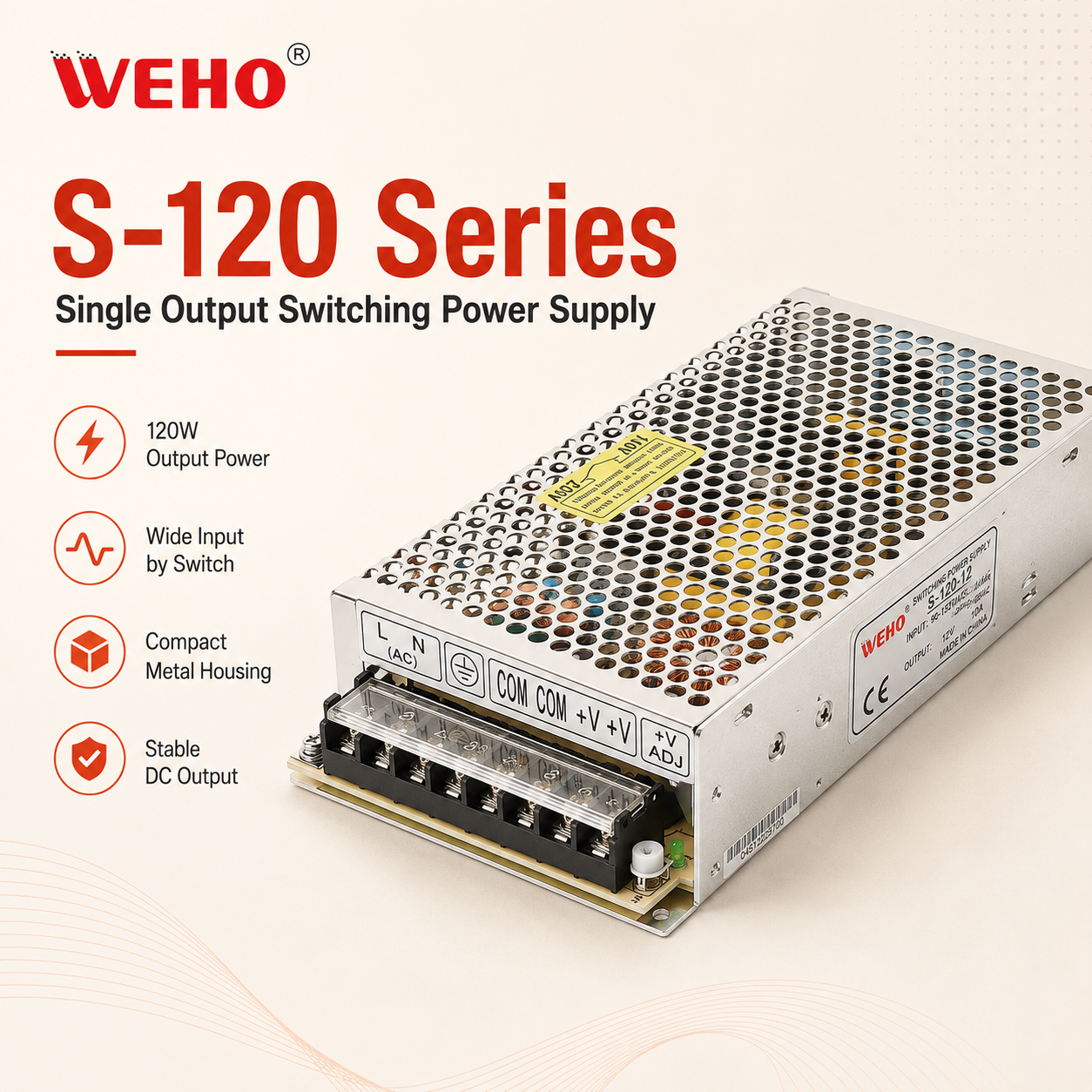
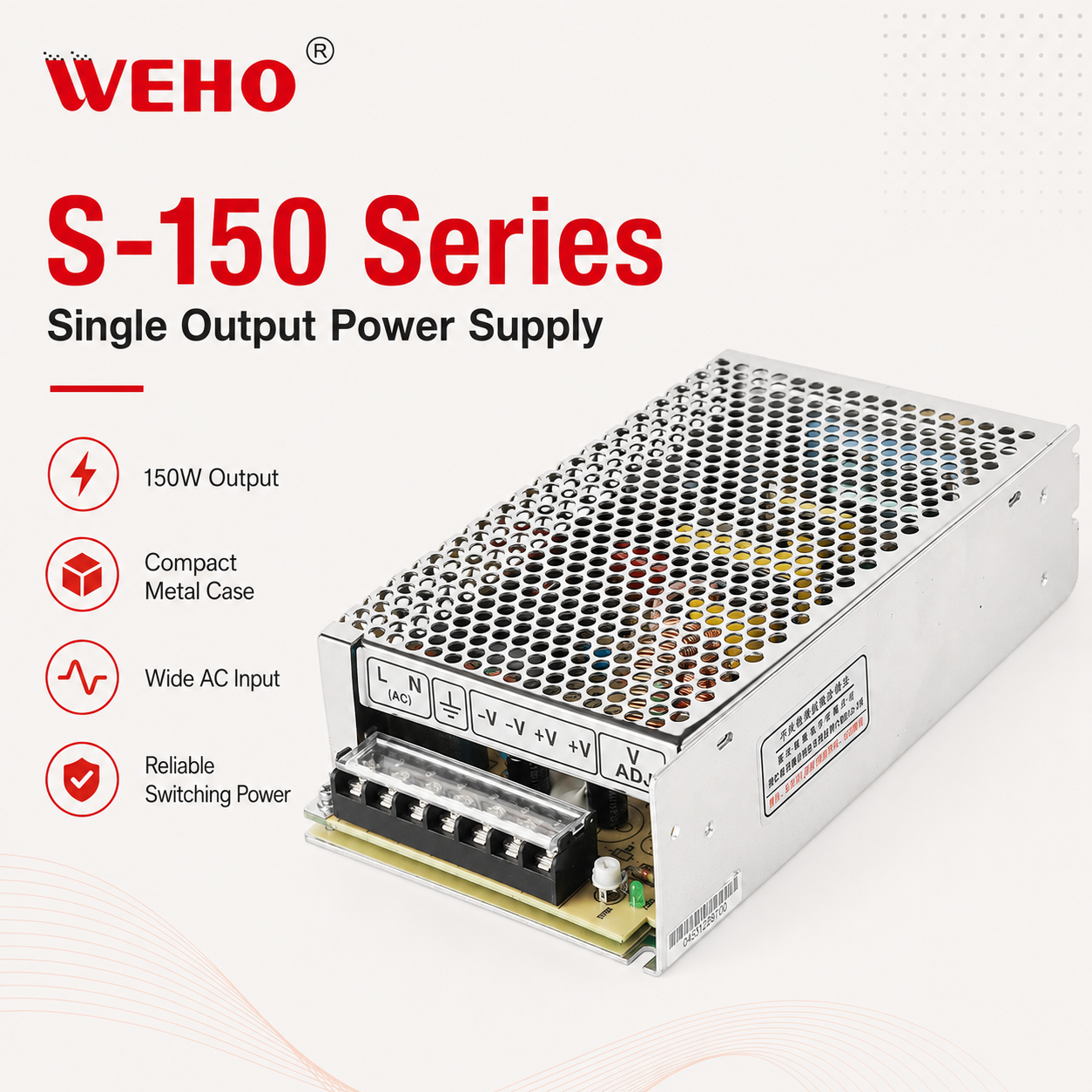
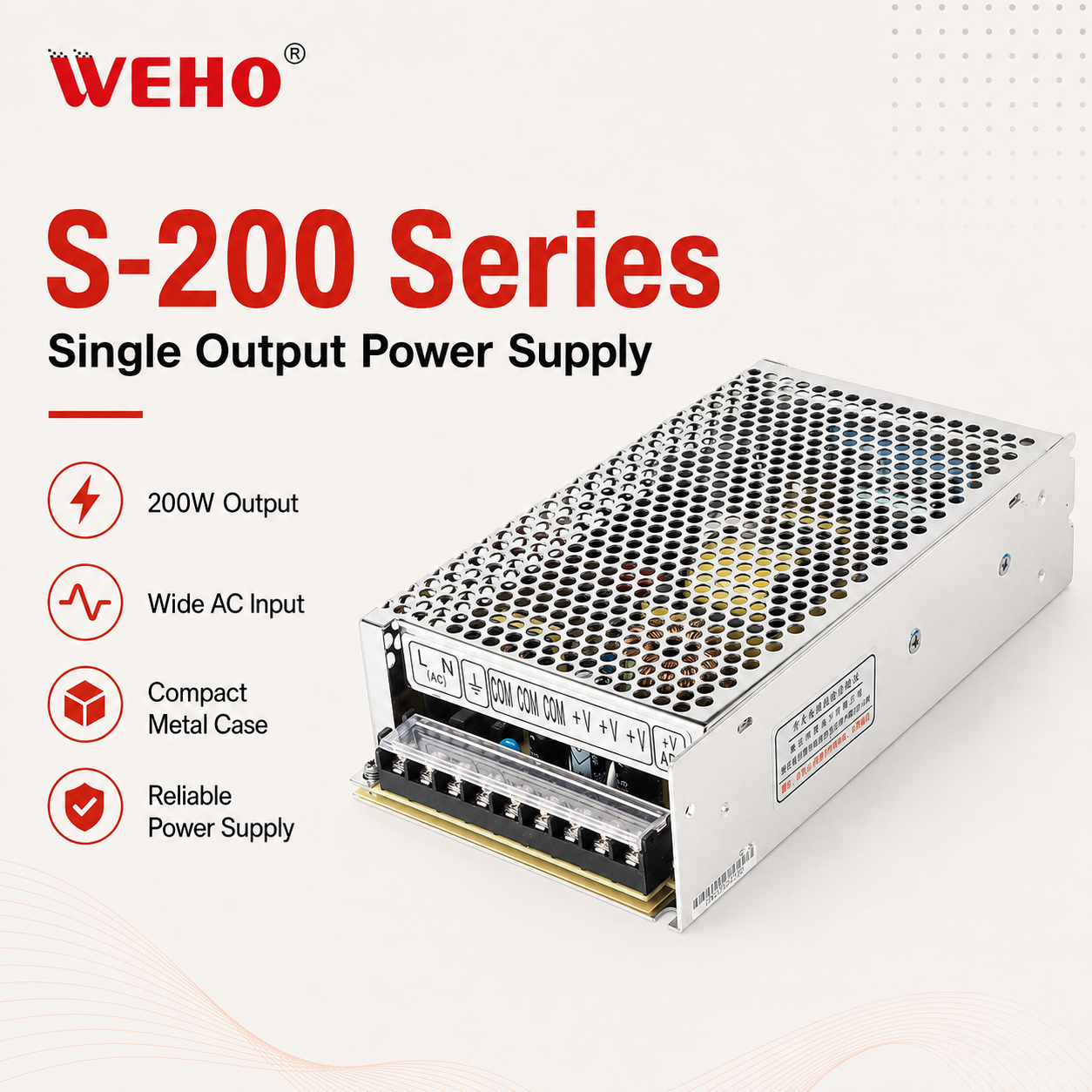
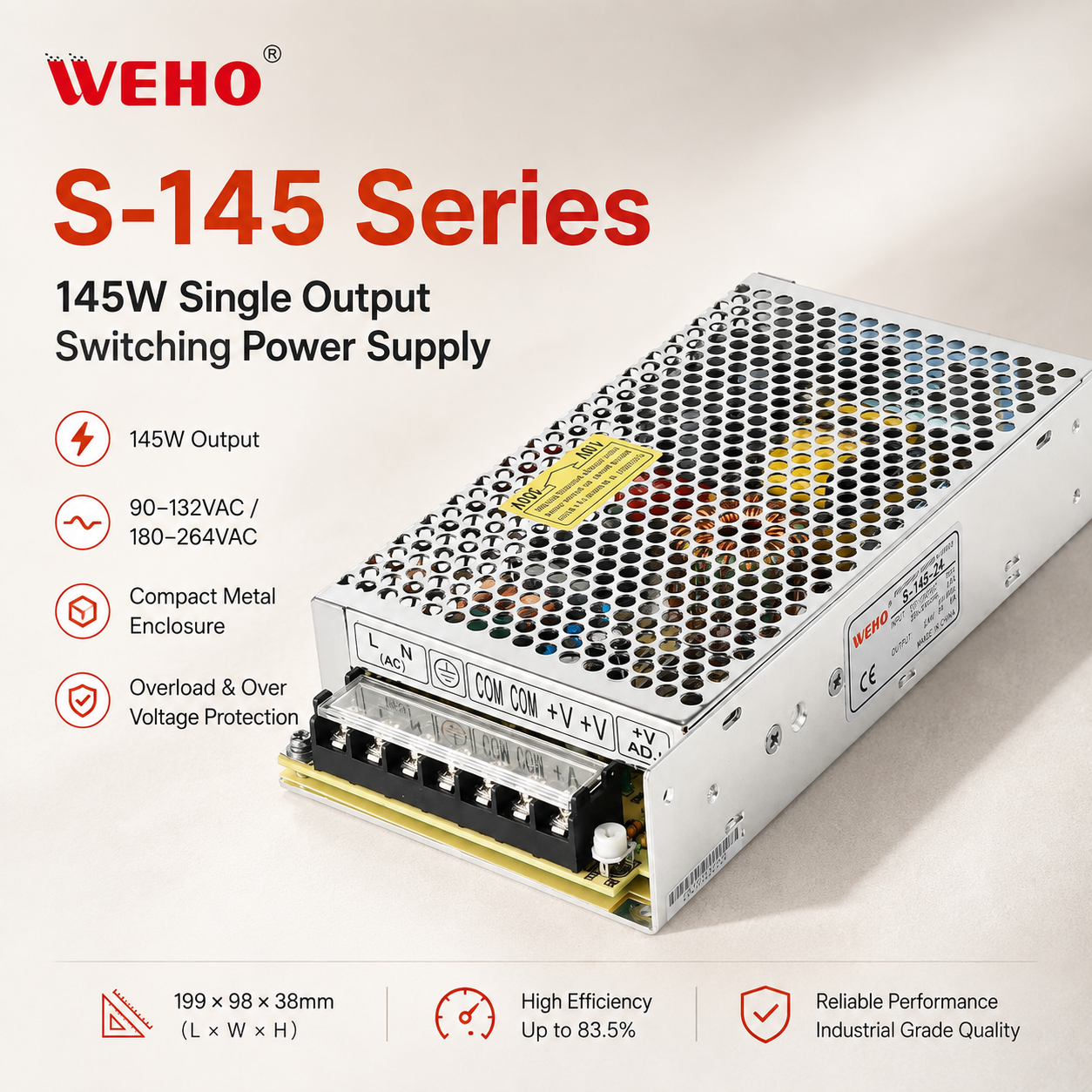
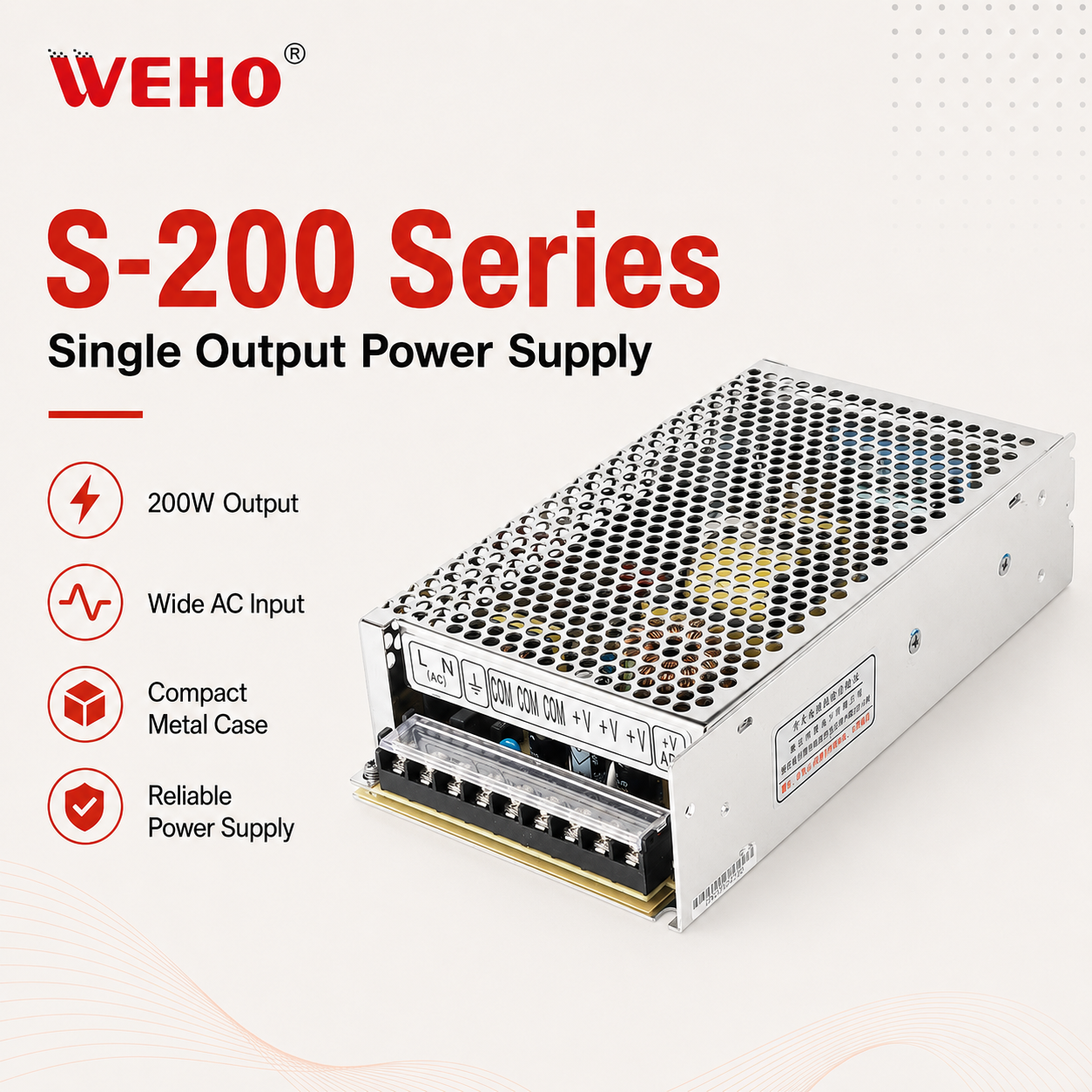
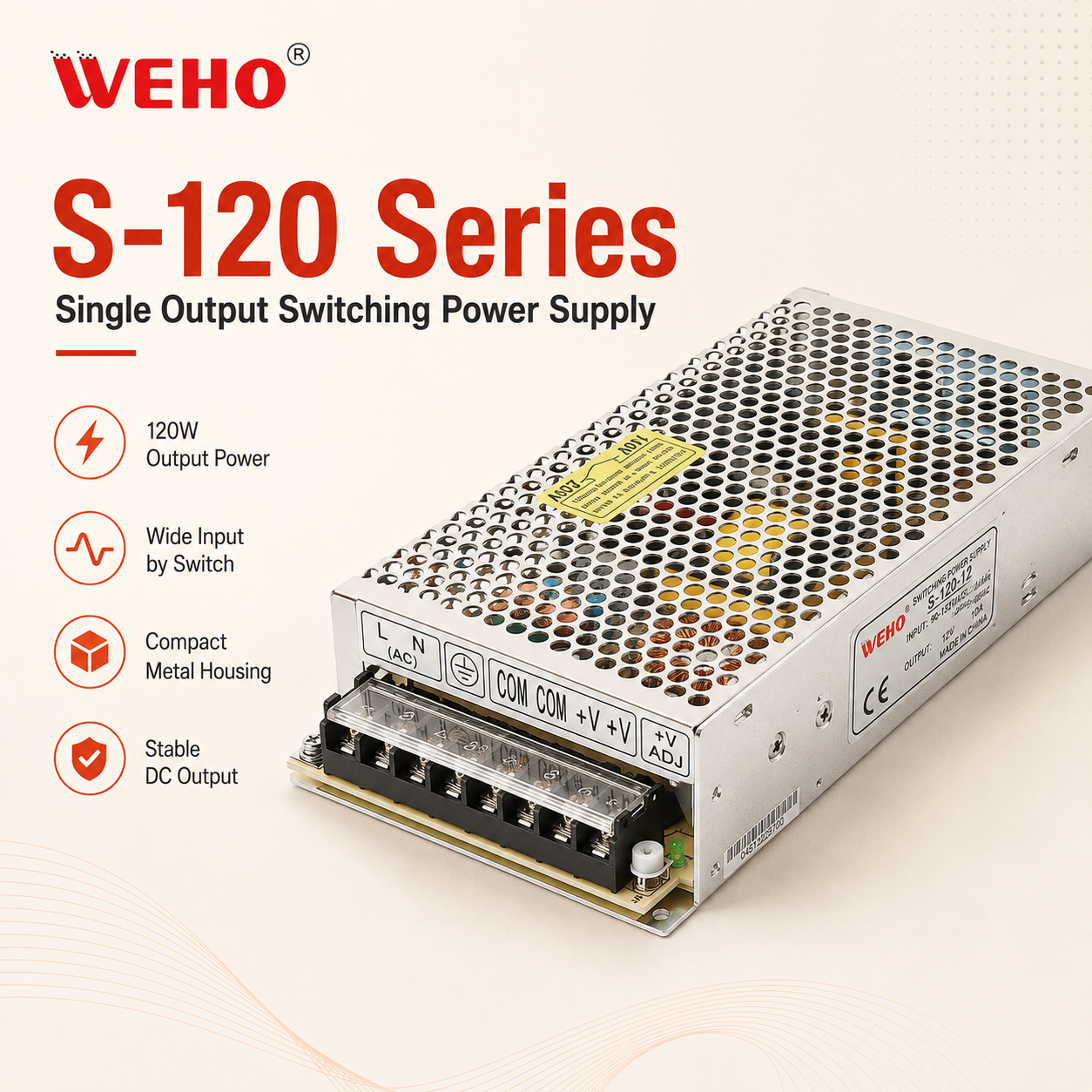
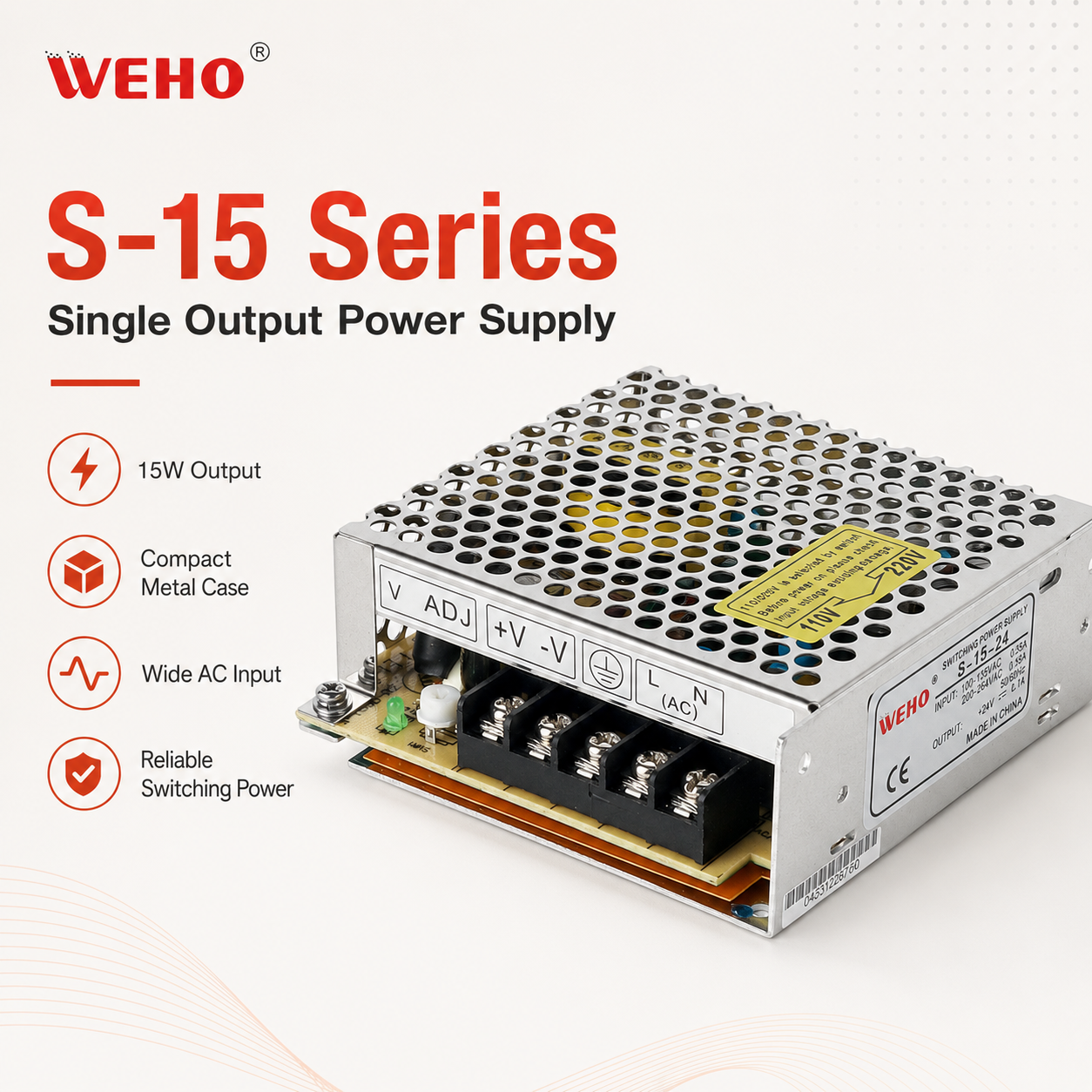
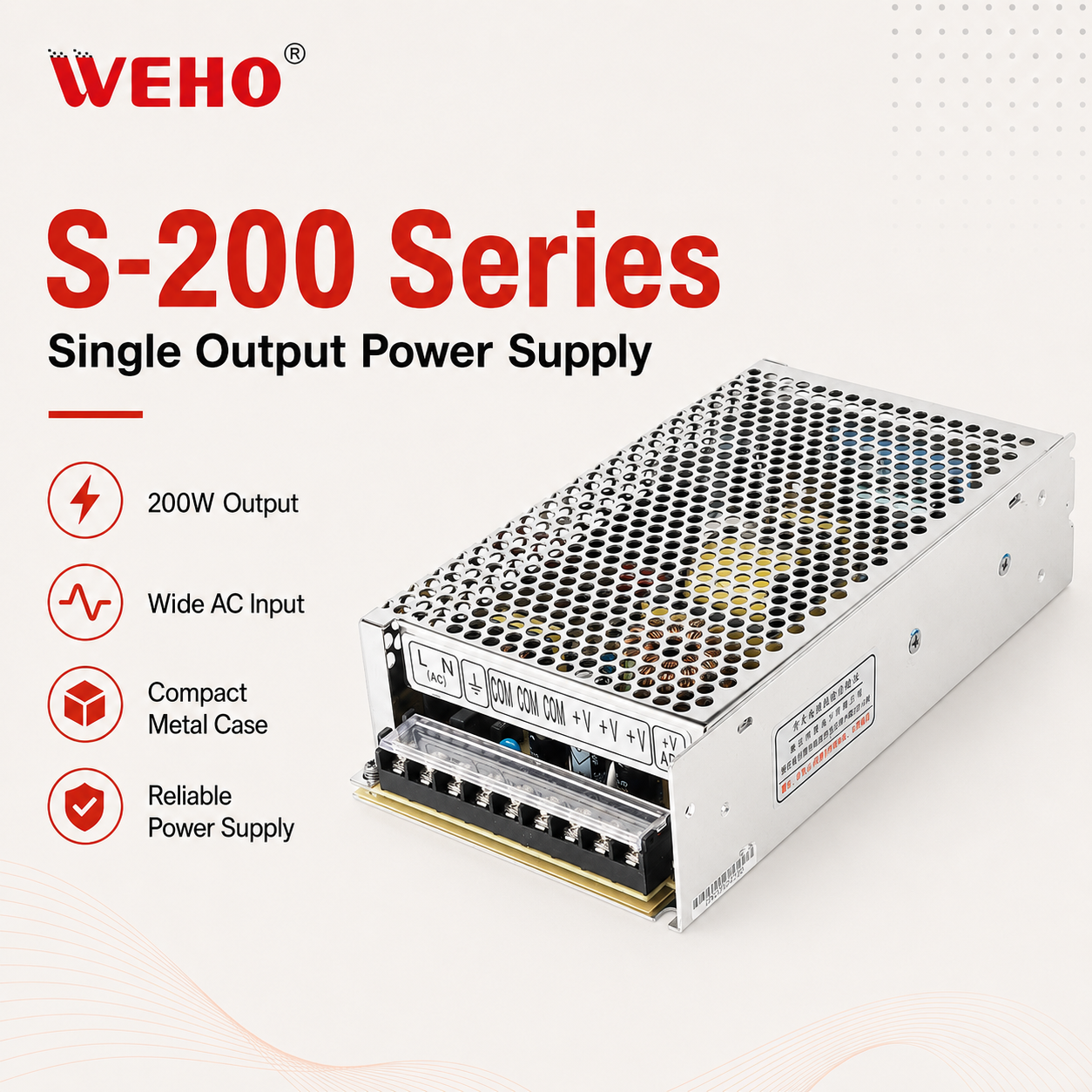
Factory-Engineered LED Drivers & Industrial SMPS Assemblies

Below is our precision catalog of industrial switching power supplies and constant-voltage/constant-current LED driving modules manufactured under rigorous ISO 9001 and SGS-audited inspection protocols.

Executive Technical Whitepaper: The Evolution of Dimmable LED Driving Architecture

In modern architectural, horticultural, commercial, and industrial illumination, dimmable LED drivers have transitioned from simple passive current limiters to highly intelligent, software-defined power conversion nodes. The global transition toward smart buildings, digital lighting control networks, and human-centric circadian illumination requires power supplies that can handle deep dimming down to 0.1% without audible acoustic noise, strobing, or phase distortion.

For procurement directors, lighting fixture OEMs, and electrical engineering consultants, choosing between dimming topologies—such as Phase-cut (TRIAC/ELV), Analog 0–10V/1–10V, digital addressable lighting interfaces (DALI-2 / D4i), or high-frequency Pulse-Width Modulation (PWM)—requires calculating line impedance, inrush current spikes, standby parasitic consumption, and total harmonic distortion (THD). Specifying an incorrect driver topology frequently results in field failures, non-compliance with regional grid standards (such as EN 61000-3-2 Class C or California Title 24), and premature luminaire failure caused by thermal degradation.

Key Engineering Benchmark: High-performance dimmable drivers must maintain a Power Factor (PF) > 0.95 and Total Harmonic Distortion (THD) < 10% across a wide 20% to 100% load window, while restricting output current ripple to below 3% to eliminate stroboscopic effects defined under IEEE 1789-2015 recommendations.
0.1%
Deep Dimming Resolution (DALI-2 / PWM)
>94%
Peak Electrical Conversion Efficiency
<0.5W
Standby Parasitic Consumption (Ecodesign)
>100Kh
Calculated Electrolytic Capacitor MTBF @ 75°C
Top 10 Global Dimmable LED Driver Suppliers & Manufacturers Analysis

A granular evaluation of the global supply base reveals distinct tiers: global catalog brand houses with rigid SKUs, specialized high-voltage manufacturers, and agile, high-capacity original equipment manufacturers (OEM/ODM) capable of custom silicon tuning, private-label branding, and rapid prototyping. Below is the multi-parameter engineering benchmark for 2025–2026 supply chain selection.

Manufacturer Headquarters / Tier Primary Dimming Topologies Efficiency / THD Envelope Core Market Segment Procurement Flexibility
Harlon Electronic China / OEM-ODM Tier-1 0–10V, PWM, TRIAC, Constant Voltage 90–93.5% / THD < 10% Industrial, Signage, Commercial Architectural Exceptional (Custom Voltage, Low MOQ, Direct Factory)
Mean Well Enterprises Taiwan / Global Catalog 3-in-1 (0-10V, PWM, Resistor), DALI, D4i 91–95% / THD < 12% Standardized Industrial, External Luminaire High MOQ for custom layouts, Long catalog lead times
Inventronics (incl. OSRAM DS) China / Global Tier-1 0–10V, DALI-2, NFC Programmable 92–95% / THD < 10% High-Mast, Stadium, Streetlighting Infrastructure Strict MOQ, Extended qualification cycles
Tridonic Austria / Premium European DALI-2, basicDIM Wireless, D4i 90–94% / THD < 8% High-End European Architectural, Office Human Centric Premium pricing index, rigid technical customization
Philips Advance (Signify) Netherlands / Global Tier-1 Xitanium SR, 0–10V, Dynadimmer 90–93% / THD < 10% Institutional, Municipal, Retrofit Commercial High corporate barrier, closed ecosystem focus
Fulham Company USA / Specialty Emergency Phase-Cut, 0–10V, Programmable CC 88–92% / THD < 15% Emergency Lighting Integration, Field Retrofits Mid-tier volume agility, North American footprint
ERP Power USA / High-Density Miniaturized TRIAC, ELV, 0–10V Ultra-compact 90–93% / THD < 12% Downlights, Precision Track, High Power-Density High engineering tooling fees for custom chassis
Delta Electronics Taiwan / Power Conglomerate 0–10V, DALI, High-Power Constant Current 92–95% / THD < 10% High Bay, Industrial Flood, Megawatt Architectural Focused on ultra-large volume corporate accounts
Moons' Industries China / Precision Motion & Light DALI-2, 0–10V, Intelligent Wireless 91–94% / THD < 10% Smart Retail, Intelligent Bay Controls Medium flexibility, high focus on standard series
Lifud Technology China / Volume Manufacturer TRIAC, 0–10V, Push-Dim, DALI 87–91% / THD < 15% Indoor Commercial Panel, Downlight, Linear Cost-optimized, moderate engineering customization

When selecting a supplier from this matrix, Tier-1 brands like Mean Well and Signify provide global brand recognition but often present structural obstacles for dynamic mid-tier lighting manufacturers: high Minimum Order Quantities (MOQs), rigid mechanical enclosures, 16–24 week production cycles, and minimal willingness to modify internal PCB copper traces, potting gel hardness, or custom cable harness lengths. Conversely, direct-to-factory Chinese engineering powerhouses—such as Zhejiang Harlon Electronic Co., Ltd.—provide agile engineering cycles, full sample validation within days, competitive unit economics, and verified SGS ISO 9001 factory floor traceability.

Dimming Protocols Compared: Engineering Trade-Offs & Circuit Topologies

Procurement choices directly dictate driver circuit topology. Specifying an inappropriate dimming control method leads to phase buzz, driver flicker, ghosting (failure of the LED to completely extinguish), and thermal failure of the primary MOSFET.

0–10V & 1–10V Current Sinking/Sourcing

Operating Principal: An analog DC voltage signal modulates output current amplitude (Linear Dimming) or high-frequency internal PWM. Widely used across commercial offices and industrial high bays.

Trade-offs: 0V allows complete shutoff only if the driver features internal relay logic. Cable voltage drop across 100-meter control runs can cause visible brightness variation across fixtures on the same run.

DALI-2 & D4i Bidirectional Digital Bus

Operating Principal: An addressable, noise-immune 2-wire serial protocol adhering to IEC 62386. Allows individual fixture control, logarithmic dimming matched to human visual response, and energy reporting.

Trade-offs: Requires dedicated microcontroller chips and firmware licensing inside each driver, increasing raw unit component costs by 25–40% compared to analog units.

Phase-Cut (TRIAC / Reverse Phase ELV)

Operating Principal: Direct chopping of the incoming AC line sinusoidal wave (leading-edge TRIAC or trailing-edge transistor). Common in residential and hospitality retrofits without separate control lines.

Trade-offs: Susceptible to acoustic inductor hum, high electromagnetic interference (EMI), and narrow dimming envelopes (typically 5% to 100%) unless fitted with active bleeder circuits.

Wireless IoT (Matter / Zigbee / Bluetooth Mesh)

Operating Principal: Driver electronics integrate 2.4 GHz RF transceivers directly into the secondary control stage, pairing directly with enterprise mesh controllers and building management software.

Trade-offs: Metal driver chassis act as Faraday cages, necessitating external whip antennas or plastic antenna windows, which complicate IP67 waterproof potting seals.

High-Frequency PWM Secondary Switching

Operating Principal: Output constant voltage remains fixed (e.g., 24V or 48V DC), but current is pulsed at frequencies from 1 kHz to 20 kHz. The standard choice for architectural linear strips and tape lighting.

Trade-offs: Requires frequencies > 3 kHz to comply with high-speed digital camera anti-flicker requirements in television broadcast studios, cinemas, and sporting arenas.

Hybrid Amplitude Modulation + PWM (AM/PWM)

Operating Principal: Dimming switches from Amplitude Modulation (low noise, zero flicker) at 100% down to ~15% current, then transitions to high-frequency PWM from 15% down to 0.1% for precise color rendering.

Trade-offs: Demands sophisticated multi-stage microcontrollers and customized feedback tuning, resulting in premium engineering bills of materials (BOM).

Strategic Sourcing Trends & Next-Gen Power Topologies (2025–2030)

Purchasing teams must future-proof their supply chains against rapid regulatory shifts and semiconductor innovations. Over the next five years, four fundamental shifts will dominate LED driver procurement:

1. GaN (Gallium Nitride) Semiconductor Adoption

Silicon MOSFETs are approaching their physical limits regarding switching frequency and thermal resistance. Next-generation drivers utilize Wide-Bandgap GaN FETs, reducing switching losses by 60%, elevating system efficiencies past 95%, and slashing physical driver dimensions by more than 40% for seamless architectural integration.

2. Digital Twins & Predictive Fleet Telemetry (D4i)

Municipal and institutional buyers increasingly mandate D4i (DALI for IoT) compliance. Drivers act as active smart sensor hubs, aggregating operating hours, internal junction temperatures, input AC energy consumption (kWh), and end-of-life capacitor degradation alerts to eliminate unexpected darkness in mission-critical infrastructure.

3. Dual-Channel Tunable White & Circadian Rhythms

Static color temperature lighting is being phased out in schools, hospitals, and modern workspaces. Procurement is tilting toward multi-channel constant current drivers delivering independent Lux and Kelvin adjustment via synchronized dual-channel linear current regulation without chromaticity shift or flicker.

4. Ecodesign Lot 9 & Ultra-Low Standby Mandates

Stringent European and North American regulations now penalize phantom power consumption. Smart drivers connected 24/7 to wireless networks or DALI control loops must maintain standby power draw under 0.3W–0.5W, forcing power supply engineers to integrate auxiliary ultra-low quiescent buck stages.

Engineered by Zhejiang Harlon Electronic Co., Ltd.

Founded in 2007 in Wenzhou, China, Harlon operates as an ISO 9001 and SGS on-site verified OEM/ODM power supply manufacturing powerhouse. With 10,000 m² of floor space, over 10 fully automated production lines, and 18 years of specialized export experience, we deliver switching supplies and dimmable drivers ranging from 10W to 3000W.

SGS On-Site Assessed Facility

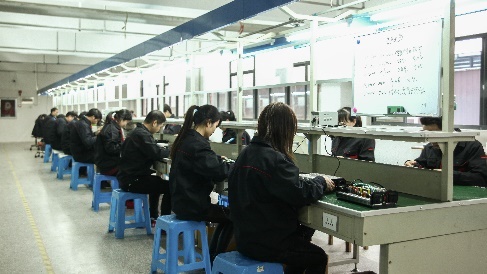
Our manufacturing floor, labor conditions, machinery footprint, and legal provenance have undergone direct third-party on-site audits and validation by the SGS Group.

Comprehensive OEM/ODM Engineering

Led by power engineering veterans with 30 years of independent circuit design experience, we support sample-based customization, private buyer-label programs, and proprietary topology redesigns.

31 Audited Sourcing Partners

We source premium magnetics, Nippon Chemi-Con / Rubycon-grade electrolytic capacitors, and industrial silicon through long-term qualified supply networks to guarantee stability across multi-year production runs.

Automated SMT & Potting Lines

Equipped with high-speed surface-mount placement, wave soldering stations, automated double-liquid potting injection, and automated packaging equipment for consistent high-volume output.

100% Loaded Burn-In Testing

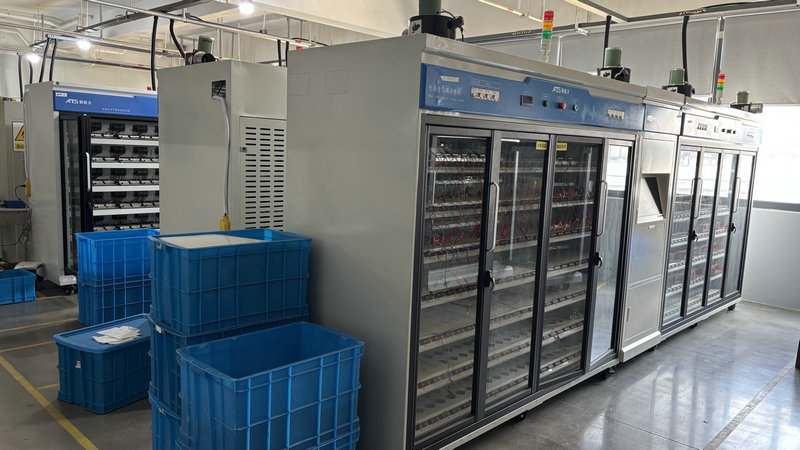
Every single manufactured unit is cycled through elevated-temperature burn-in chambers under full load conditions to screen for infant component mortality prior to packaging.

Global Regulatory Documentation

Export-ready compliance packages including CE, RoHS, EMC Class B verification, and safety documentation tailored to client regional distribution networks across North and South America, Europe, and Asia.

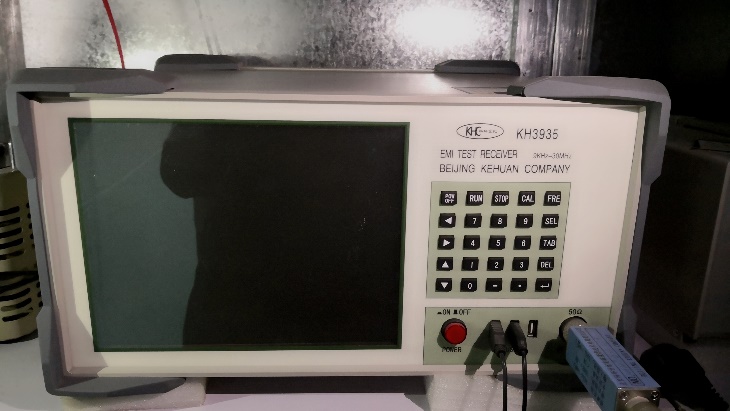
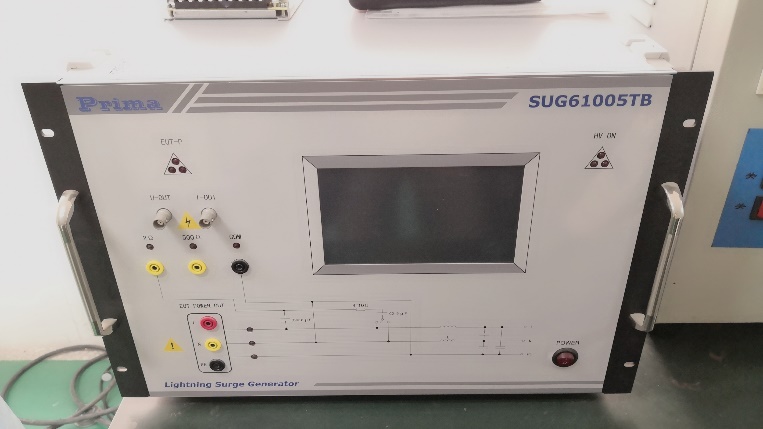
Verified In-House Testing Laboratories & Assembly Stations

Dimmable LED Driver Procurement: Frequently Asked Technical Questions

Before issuing requests for quotation (RFQs) or signing OEM supply contracts, procurement and engineering teams should review these core technical considerations.

How do you mitigate high inrush current spikes when specifying multiple drivers on a single circuit breaker? +
LED driver inrush currents can reach 40A to 80A for a duration of 200–500 microseconds due to the charging of input bulk capacitors. When multiple drivers share an AC branch, this trip magnetic MCBs (Type B or Type C). To mitigate this, our engineering team integrates dedicated NTC thermistors with bypass relays, active zero-crossing turn-on silicon controllers, or soft-start sequential logic into our custom OEM designs, preventing breaker nuisance tripping.
What is the distinction between Logarithmic and Linear dimming curves in architectural lighting projects? +
Human eye perception of light intensity is non-linear and follows Stevens’ Power Law or the Weber-Fechner Law. In a linear dimming curve, measured luminous flux matches the control signal directly (e.g., 50% signal equals 50% light output), but the human eye perceives this as still very bright (~70% perceived). A logarithmic curve applies exponential attenuation to the electrical signal, delivering smooth, uniform visual progression matched to human eye sensitivity, particularly critical below 10% brightness.
Why is Total Harmonic Distortion (THD) critical for large-scale institutional lighting installations? +
High THD (>20%) introduces harmonic current distortion into the neutral conductor of three-phase electrical systems, causing significant neutral conductor overheating, transformer saturation, and interference with sensitive IT infrastructure. International standards like EN 61000-3-2 Class C mandate THD < 10% (or < 15% at minimum) for luminaires drawing more than 25W. Harlon drivers incorporate active Power Factor Correction (PFC) stages to maintain THD below 10% across wide operational load ranges.
What testing parameters are applied during Harlon's in-house quality inspection process? +
Harlon adheres to a rigorous 9-step quality control framework. Components undergo incoming IQC testing, automated optical inspection (AOI) post-SMT, high-voltage hi-pot insulation breakdown testing (up to 3.75kV AC primary-to-secondary), lightning surge immunity testing up to 4kV–6kV, temperature and humidity chamber thermal stress profiling (-40°C to +85°C), conducted EMI receiver scans, and 100% full-load burn-in screening.
Can Harlon supply customized output voltages, unique connector harnesses, and private labeling? +
Yes. Supported by 18 years of specialized OEM/ODM manufacturing, we regularly customize non-standard DC output voltages (such as 18V, 36V, 42V, or dual-split rails), configure custom IP67 cable leads (e.g., Wieland, WAGO, Deutsch connectors), modify mechanical housing dimensions, and print buyer-branded laser-etched nameplates and retail cartons with low sample qualification thresholds.
What is the standard trade and logistics framework for international OEM orders? +
We support global shipping terms including FOB Ningbo/Shanghai, CIF, CFR, EXW, and DDU air/ocean freight. Accepted payment instruments include T/T, L/C at sight, and escrow channels in USD, EUR, and CNY currencies. Production cycle lead times typically range from 7 to 15 business days for standard series, with express prototyping available for customized engineering designs.

Request Technical Datasheets, Prototype Samples, or Custom RFQ

Connect directly with Harlon's power engineering sales team in Wenzhou, China. Get rapid pricing, CAD models, thermal derating curves, and SGS factory qualification audits for your upcoming luminaire production run.