Engineering Whitepaper & Sourcing Index

Top 10 Low Profile Power Supply Factory & Supplier

An authoritative technical evaluation of industrial 1U/low-profile switching power supplies (SMPS), global factory capabilities, GaN density trends, and enterprise procurement intelligence.

Executive Summary: The Low-Profile Form Factor Imperative

Modern electrical engineering is experiencing a decisive paradigm shift toward volumetric efficiency. In industrial automation, ultra-slim 1U server racks, smart LED digital displays, medical monitoring equipment, and embedded IoT enclosures, the demand for low profile power supplies (typically defined by vertical enclosure heights of ≤30mm or 1U rack compliance) has accelerated exponentially. System designers are no longer willing to sacrifice electrical headroom or thermal integrity for compact dimensions.

Selecting an OEM/ODM switching power supply manufacturer requires rigorous auditing beyond static catalog parameters. As high transient peak loads, stringent harmonics standards (EN 61000-3-2), wide temperature cycling (-30°C to +70°C), and electromagnetic compliance (CISPR 32 Class B) converge, industrial procurement leaders must assess genuine production line automation, in-house burn-in aging disciplines, and localized engineering support. This guide presents the 2025–2030 industry benchmark, auditing leading worldwide producers alongside verified factory manufacturing workflows.

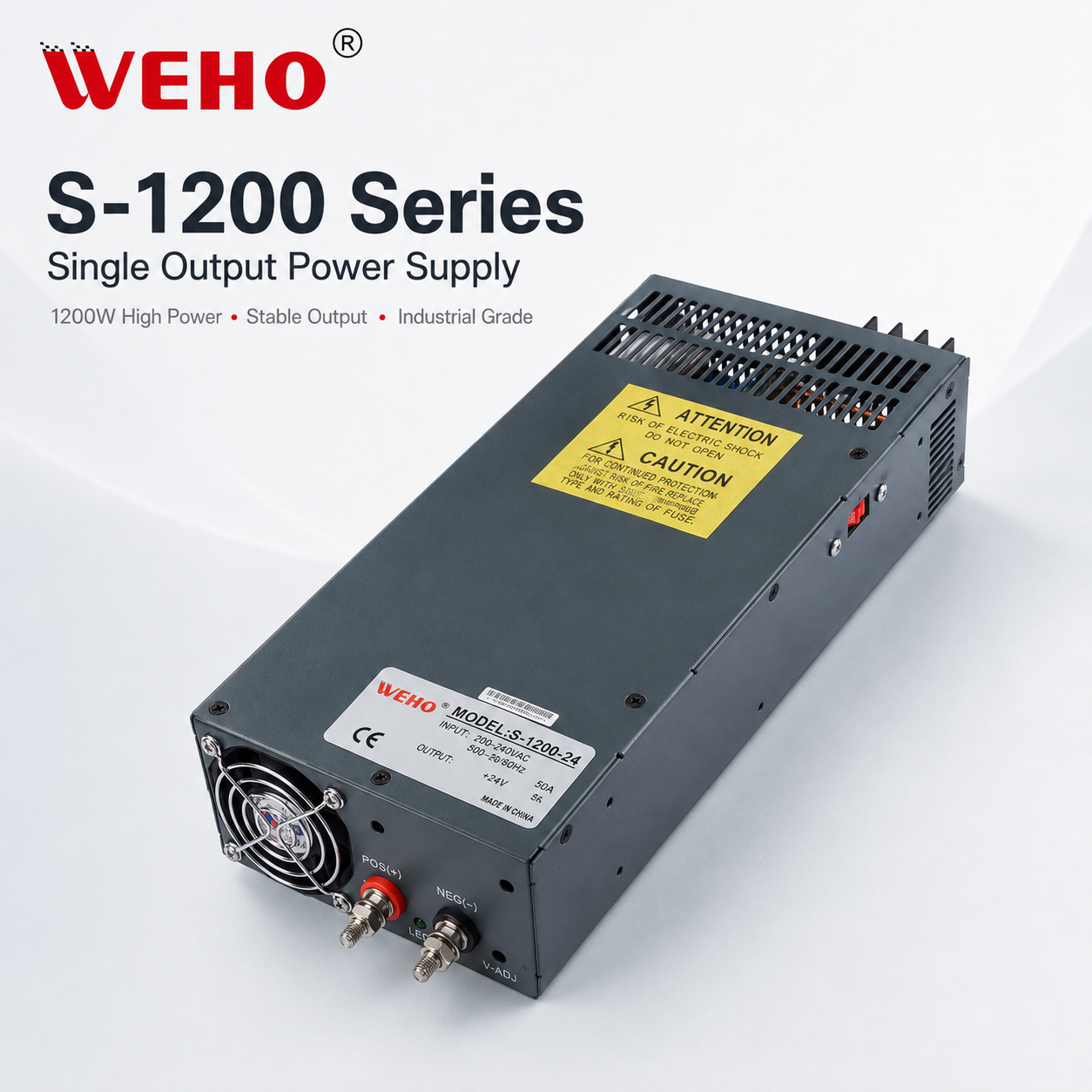
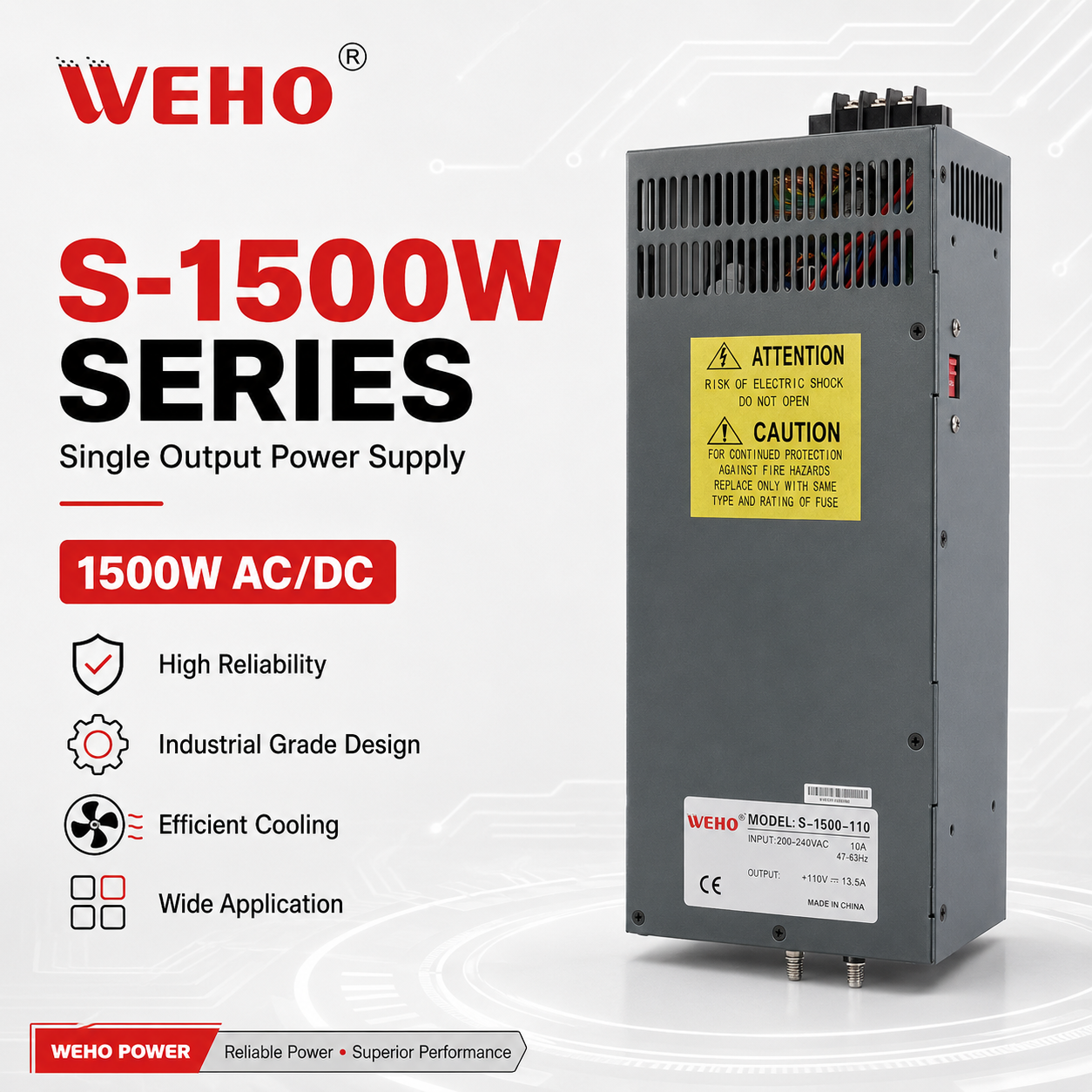
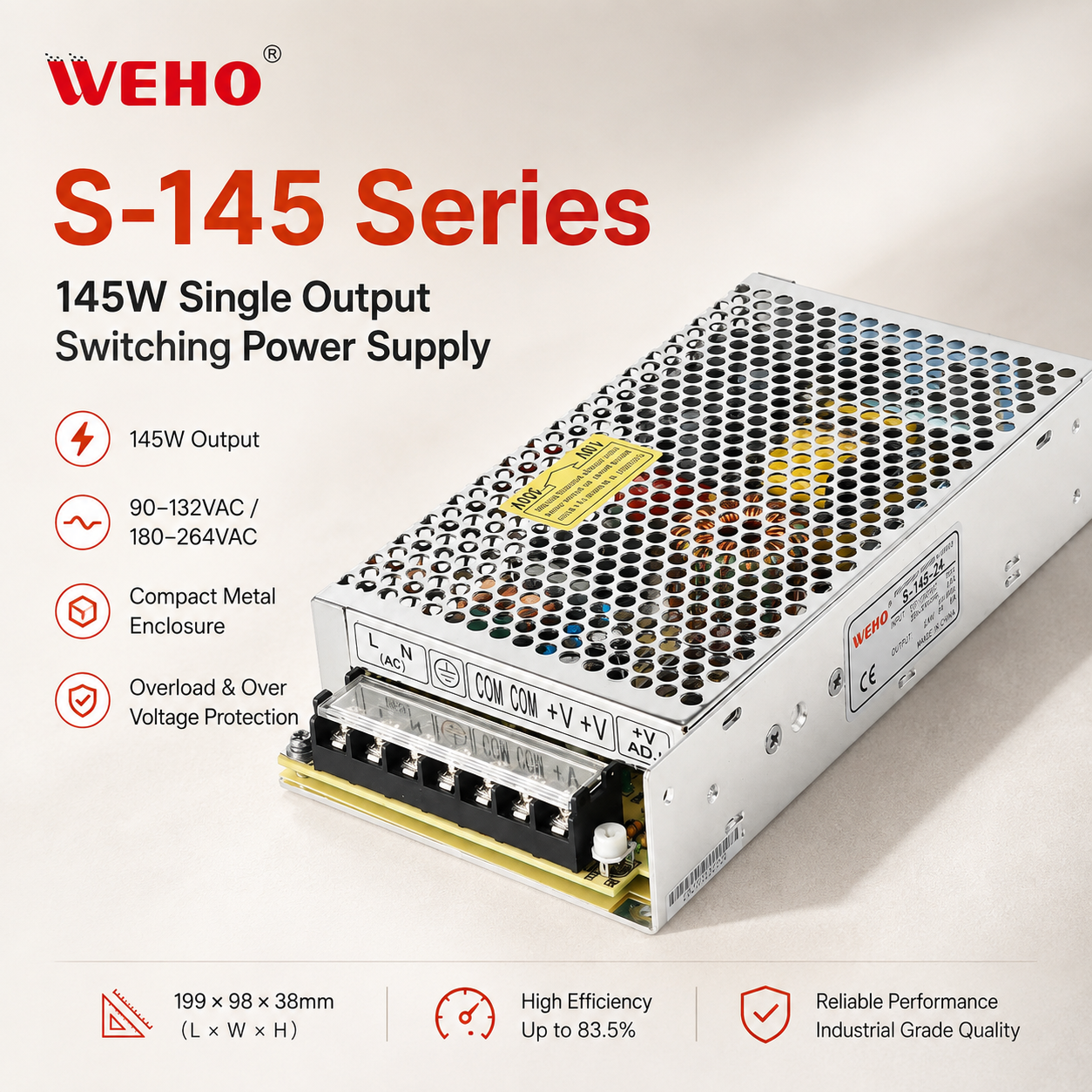
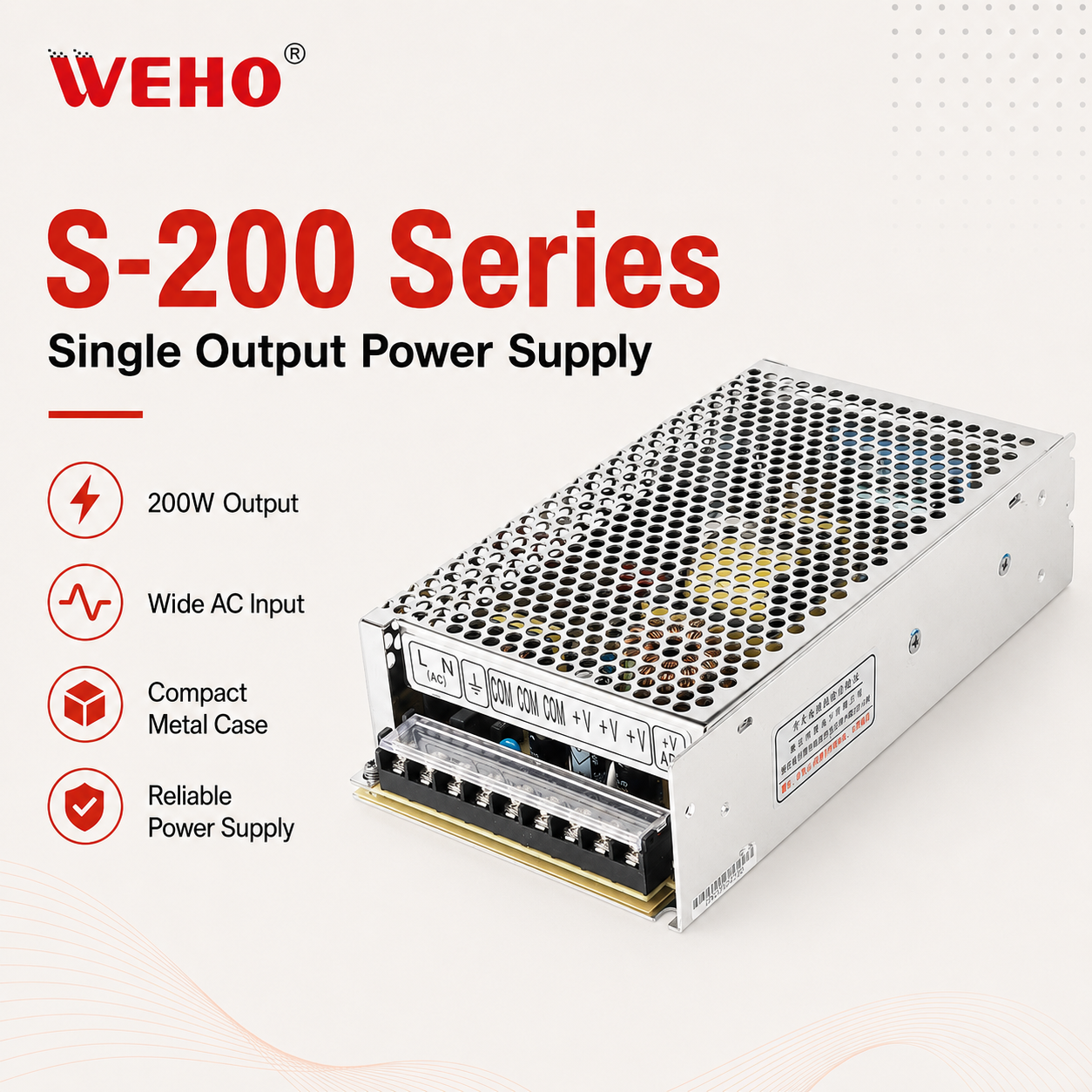
Factory Catalog Models

High-Efficiency Industrial Switching Power Supplies

Engineered with premium tier semiconductors, copper magnetics, and 100% full-load thermal burn-in testing to guarantee zero-defect field reliability.

19+
Years Engineering (Since 2007)
10,000m²
Factory Floor Infrastructure
3000W
Peak Custom Power Capability
100%
High-Temp Full Load Burn-In
Supplier Qualification Matrix

Top 10 Low Profile Power Supply Manufacturers Audited

A rigorous B2B comparison examining engineering agility, profile compactness, OEM capability, and total cost of ownership (TCO) across top global tier power providers.

Manufacturer Primary Form Factors Wattage Spectrum OEM/ODM Flexibility Key Competitive Strength Factory Tier Classification
Zhejiang Harlon Electronic 1U Slim (30mm), Enclosed, DIN Rail 10W – 3000W Full custom voltages, custom PCB, buyer branding Direct factory pricing, SGS verified lines, fast sampling OEM / Direct Factory
Mean Well Enterprises Enclosed Slim (LRS/UHP), DIN Rail 15W – 10,000W Limited (Standardized catalog emphasis) Extensive off-the-shelf distributor inventory Global Tier 1 Catalog
TDK-Lambda Ultra-compact, Medical, Programmable 30W – 5000W High-end engineering modifications Aerospace & medical safety compliance standard High-Reliability Tier 1
Delta Electronics Embedded low profile, Server PSUs 50W – 12,000W High MOQ required for bespoke builds Massive automated scale & telecom infrastructure Enterprise Conglomerate
XP Power Ultra-low profile (1U, 0.99"), Open Frame 5W – 3000W Configurable architecture engineering Stringent medical/defense emissions ratings Specialized High-End
Bel Fuse (Bel Power Solutions) Front-end AC-DC, Slim modular 50W – 6000W Corporate bespoke programs Cloud data center density & platinum efficiency Infrastructure Grade
CUI Inc Compact chassis mount, low profile 15W – 600W Minor modifications on standardized units Accessible developer resources & fast datasheets Commercial Distributor Tier
Artesyn / Advanced Energy Bulk power low-profile rack architectures 200W – 4000W Tailored enterprise engineering Digital PMBus / I2C monitoring integration Mission-Critical Tier 1
RECOM Power Low profile board-mount & modules 1W – 550W Modular integration support Miniaturized potted DC-DC & AC-DC brick modules Component Specialist
Mornsun Science & Technology Slim Enclosed (LM-R2), DIN Rail 15W – 1500W Broad portfolio with standard pinouts Competitive industrial automation modularity Industrial Specialist

*The comparative matrix evaluates engineering agility, MOQ flexibility, lead times, and thermal management metrics derived from factory audits and enterprise supply-chain telemetry.

Topological Advancements

Engineering Vectors in Low Profile Power Supply Design

Overcoming the physics of thermal concentration and parasitic inductance within constrained vertical enclosures (≤30mm / 1U profiles).

Wide Bandgap Semiconductors (GaN & SiC)

Traditional silicon MOSFETs suffer catastrophic switching losses at elevated frequencies (>150 kHz), demanding massive heatsinks. Low profile supplies increasingly integrate Gallium Nitride (GaN) and Silicon Carbide (SiC) switches. This elevates switching frequencies to 300 kHz–1 MHz, cutting inductor and transformer footprints by up to 55% while pushing typical efficiency ratings above 92%.

Planar Transformers & Multi-Layer PCB Windings

Conventional wire-wound bobbin transformers create unavoidable vertical profile conflicts. Advanced 1U switching power supplies deploy planar magnetics featuring flat copper trace windings directly inside 8- to 12-layer heavy-copper PCBs. This geometry maximizes surface-area-to-volume thermal dissipation while eliminating manual winding variations and lowering leakage inductance.

Conduction Cooling & Bottom-Plate Heat Spreaders

For fanless (convection-cooled) 30mm chassis, internal air circulation is negligible. Modern topologies utilize an aluminum conduction-cooled bottom plate paired with ultra-high thermal conductivity silicone elastomer gap fillers (≥3.0 W/m·K). Power components are surface-coupled to transfer heat directly through structural system chassis walls.

Active Power Factor Correction (PFC)

Operating inside restricted volume requires mitigating reactive heat dissipation. Integrated continuous conduction mode (CCM) active PFC circuits elevate power factor figures beyond 0.98 at full load, strictly adhering to IEC/EN 61000-3-2 harmonic current regulations while smoothing inrush current spikes to shield sensitive downstream logic.

Global Sourcing Insights

Strategic SCM & Procurement Trends: 2025–2030

How procurement professionals navigate rising lead time volatilities, regulatory changes, and supplier risk mitigation.

1. Direct Factory Customization vs. Catalog Middlemen

Enterprise procurement teams are actively migrating away from high-markup catalog distributors. By establishing direct contracts with Tier-2 agile OEM factories (such as Zhejiang Harlon Electronic), buyers eliminate middle-tier stocking premiums (saving 25–40% TCO) and secure bespoke pinout mappings, non-standard DC rails (15V, 36V, 48V), and customized harness terminations.

2. Holistic Lifecycle MTBF Auditing

Procurement audits have evolved beyond initial purchase prices to emphasize Mean Time Between Failures (MTBF >200,000 hrs per Telcordia SR-332) and electrolytic capacitor operating life calculations at 105°C. Sourcing specs now require transparent incoming capacitor sourcing audits (Rubycon, Nippon Chemi-Con, or qualified tier-one equivalents).

3. Dual-Sourced Geographies & Audit Traceability

Global regulatory mandates (EU ErP Lot 7 ecodesign, RoHS 3, and UL 62368-1) require auditable supply chains. Procurement leaders insist on full traceability from raw copper wire and ferrite cores to SMT pick-and-place lines, prioritizing manufacturers with verifiable on-site SGS inspection assessments.

Verified Manufacturing Excellence

Engineered for Demanding Industrial OEM Applications

Founded in 2007 in Wenzhou, Zhejiang, Zhejiang Harlon Electronic Co., Ltd. has established an international reputation for high-reliability AC/DC industrial switching power supplies, DIN rail systems, DC-DC converters, and waterproof LED drivers. With 10,000 m² of specialized manufacturing facilities, over 10 high-precision automated production lines, and an independent R&D engineering department led by veterans with three decades of power design expertise, we bridge the gap between engineering perfection and cost-effective scaling.

100% Loaded High-Temp Burn-In Every unit undergoes full-load thermal chamber aging before release.
Comprehensive EMC & Surge Lab In-house EMI receivers, lightning surge simulators, and vibration tables.
Full OEM / ODM Agility Tailored housing dimensions, output voltages, and buyer labels.
SGS & ISO 9001 Certified Rigorous incoming material screening to finished product quality control.

Quality Assurance Protocols

  • ✔ Incoming QC: AQL 0.4 inspection on semiconductors, capacitors, and PCB bare boards.
  • ✔ SMT & Auto Insertion: High-speed optical inspection (AOI) verifying solder joint integrity.
  • ✔ Dual-Liquid Glue Potting: Computer-controlled automated encapsulation for IP67/IP68 units.
  • ✔ High-Voltage Hi-Pot Testing: Primary-to-secondary 3000VAC / 3750VAC dielectric withstand proofing.
  • ✔ Export Track Record: 18 years serving tier-one distributors across Europe, the Americas, and Asia.
Procurement Knowledge Base

Frequently Asked Questions: Low Profile SMPS Sourcing

In-depth technical answers to critical engineering, safety, and logistical questions encountered during the design-in process.

What defines a "Low Profile" switching power supply, and where is it mandatory?
A low-profile power supply is typically characterized by an overall vertical height not exceeding 30mm (or 1U standard rack height of 1.75 inches / 44.45mm including clearance margins). These units are structurally mandatory in slim LED display cabinets, 19-inch 1U rack-mount telecom servers, architectural slim-light fixtures, thin-chassis medical analyzers, and shallow industrial machinery control consoles where conventional cube-style power chassis physically cannot fit.
How do low-profile power supplies handle thermal dissipation without noisy fans?
Ultra-slim power supplies (typically under 200W–350W) utilize advanced conduction-convection thermal dissipation. Instead of high-RPM forced-air fans, power semiconductors (MOSFETs, output rectifiers) are mechanically clamped directly to the extruded aluminum casing through phase-change thermal interface materials (TIM). The outer aluminum casing functions as an expansive heatsink. In enclosed host equipment, designers are advised to adhere strictly to the published thermal derating curves—often requiring derating by 20% to 50% when ambient operating temperatures cross beyond 50°C.
What is the engineering difference between the S Series and LRS Series form factors?
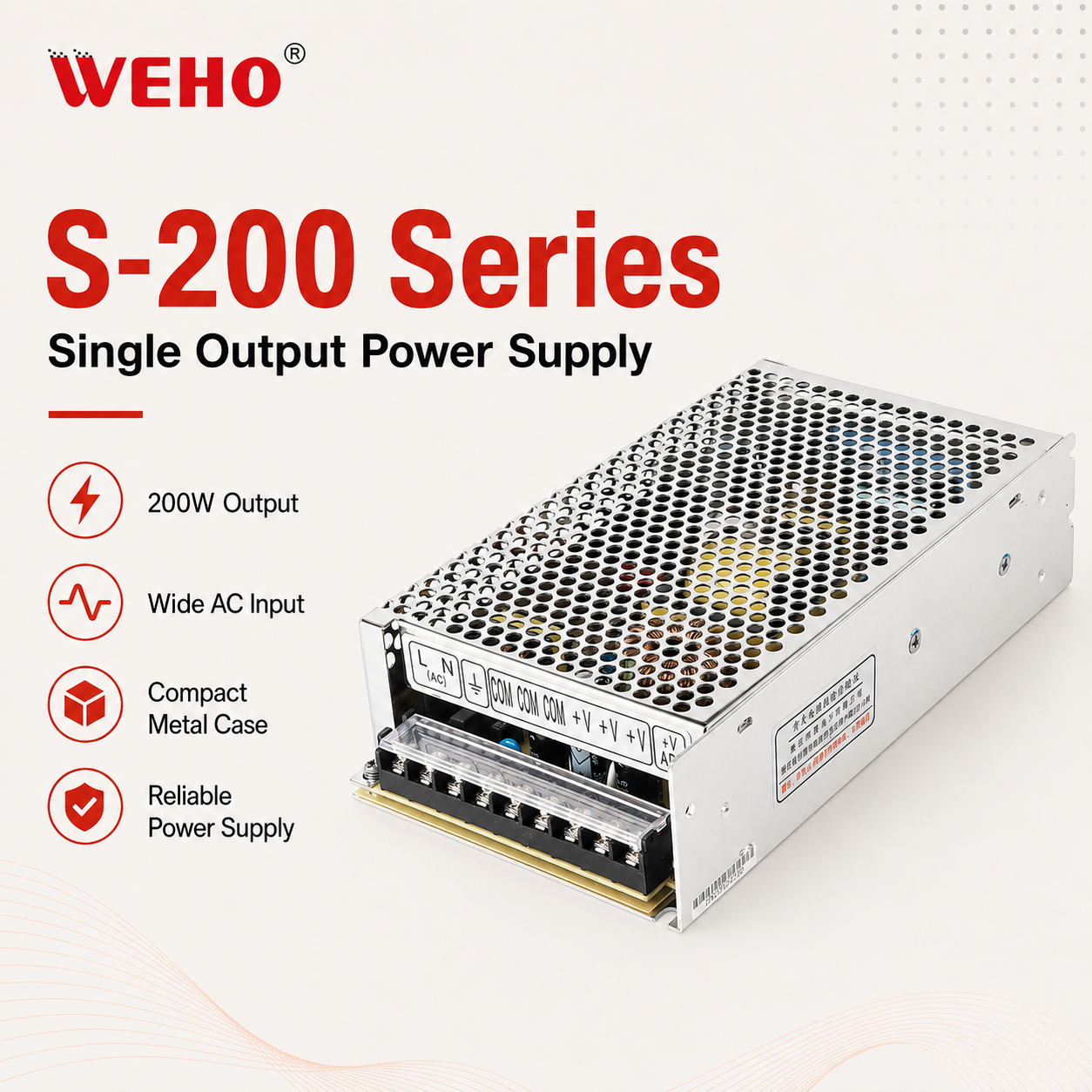
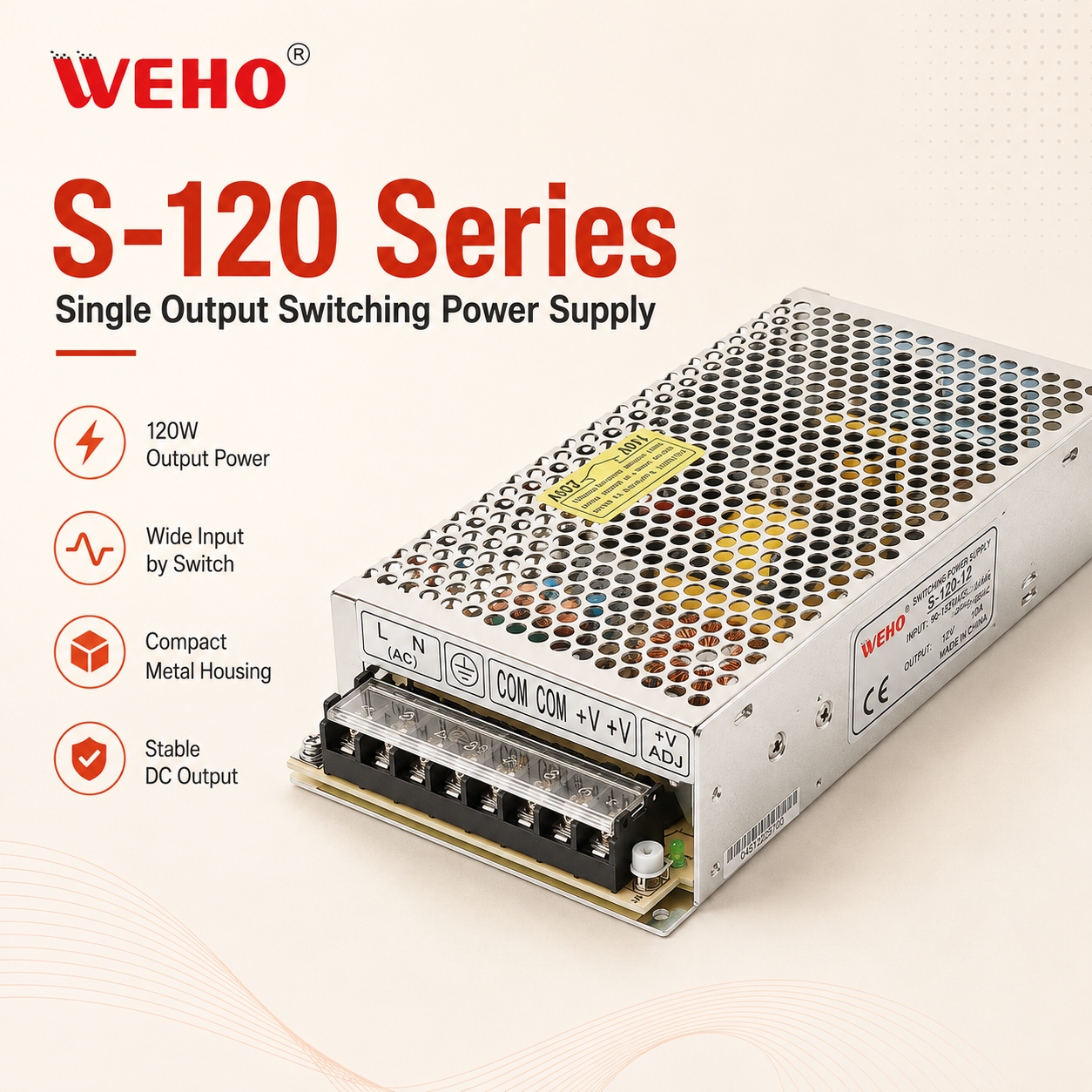
The classic S-Series (e.g., S-120, S-200) represents a traditional industrial workhorse enclosed architecture with robust components, broad voltage adjustments, and mechanical screw-terminal flexibility. The LRS series is an ultra-streamlined evolution engineered specifically to minimize volume by roughly 30–40%, reduce no-load standby power consumption (<0.2W–0.75W), withstand 5G vibration tolerances, and provide a standardized 30mm ultra-low profile suitable for high-density modern installations.
Why is inrush current suppression critical when deploying multiple low-profile units?
At cold startup, input bulk filter capacitors act as virtual short circuits, generating an inrush current surge that can reach 30A–60A for a fraction of a millisecond. If multiple power supplies are clustered in a single LED sign or automation rack on the same circuit breaker, the aggregated inrush spike can trigger false breaker tripping. High-grade OEM units integrate NTC thermistors with active relay bypass circuits to suppress this current transient, safeguarding upstream switches and circuit breakers.
Can Zhejiang Harlon Electronic customize output voltages, harness connections, and labels?
Yes. With dedicated SMT lines, automated insertion, and in-house transformer winding capabilities, we offer complete OEM/ODM engineering customization. This includes custom non-standard DC output voltages (e.g., 7.5V, 18V, 36V, 60V), specialized terminal blocks or waterproof Molex/JST wiring harnesses, conformal coating for harsh environments, customized branding labels, and customized retail or bulk master packaging.
What testing methodologies verify MTBF and field longevity?
Reliability is validated via three rigorous procedures: 1) Mathematical prediction using Telcordia SR-332 or MIL-HDBK-217F standards; 2) Highly Accelerated Life Testing (HALT) and thermal cycling chambers (-40°C to +85°C) to identify weak solder joints and parasitic component stress; and 3) 100% full-load high-temperature burn-in testing on every single manufactured unit on the production line prior to packaging.
What certifications and safety documentation are available for international customs clearance?
Our power supplies conform to global safety and EMC standards. Standard documentation provided on demand includes CE Declarations of Conformity (Low Voltage Directive 2014/35/EU and EMC Directive 2014/30/EU), RoHS 3 (EU 2015/863) compliance certificates, and test reports demonstrating alignment with IEC/EN 62368-1 standards. Factory audits conducted by third-party certification bodies (SGS) are also readily accessible for qualified enterprise buyers.

Accelerate Your Power Supply Sourcing Cycle

Connect directly with our senior power supply engineering team in Zhejiang. Whether you require standard catalog datasheets, custom voltage prototypes, or high-volume wholesale pricing, we respond with technical clarity within 24 hours.

Get Catalog