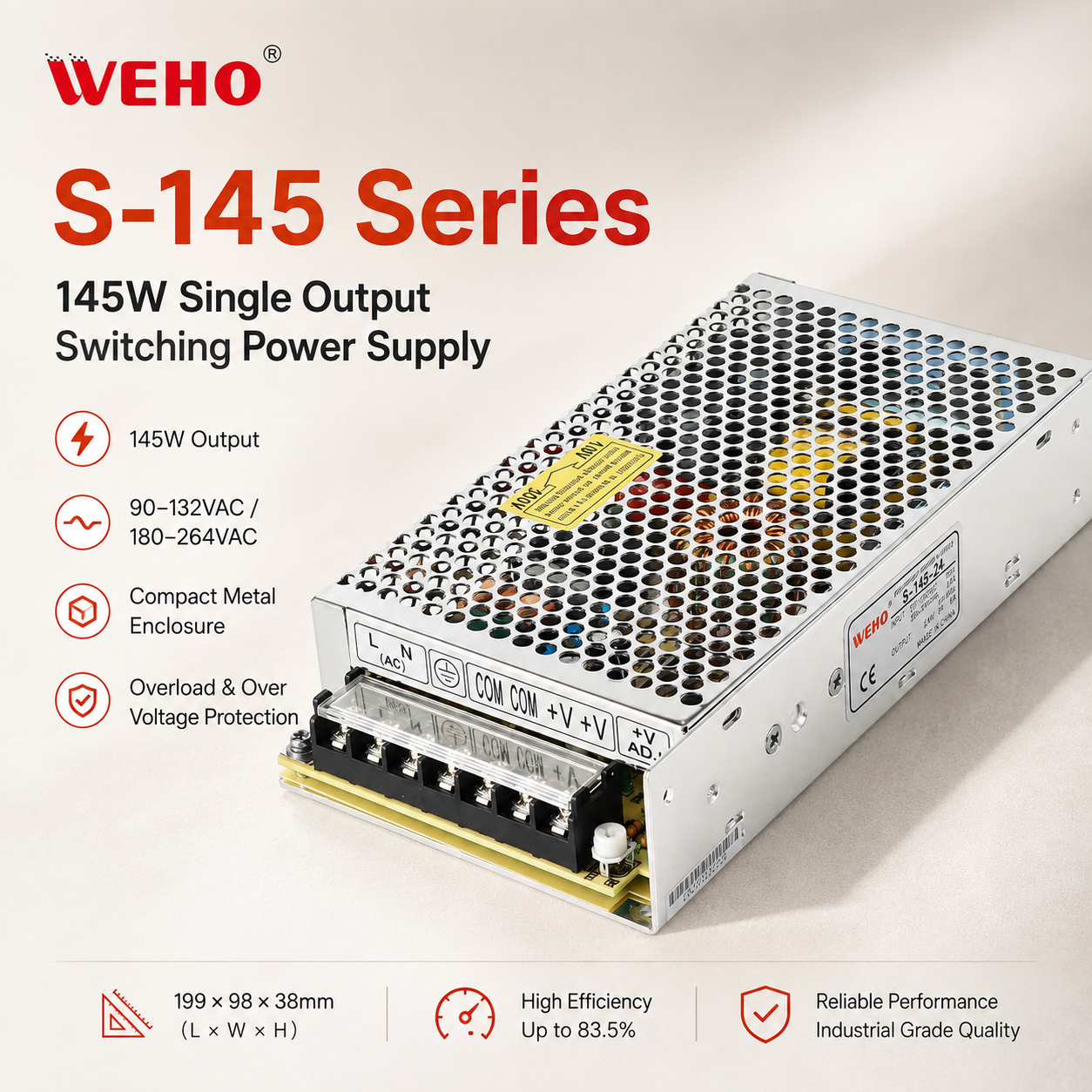
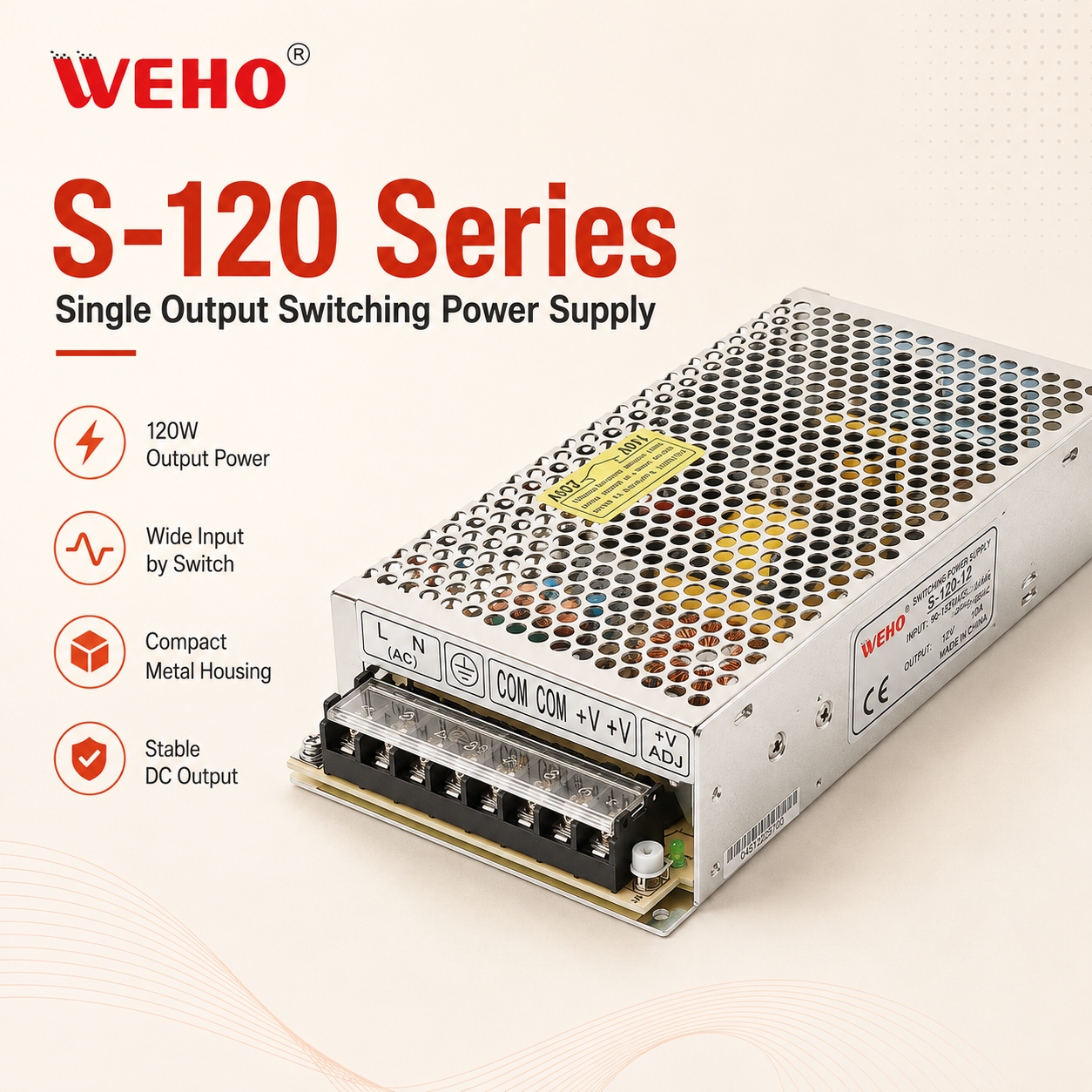
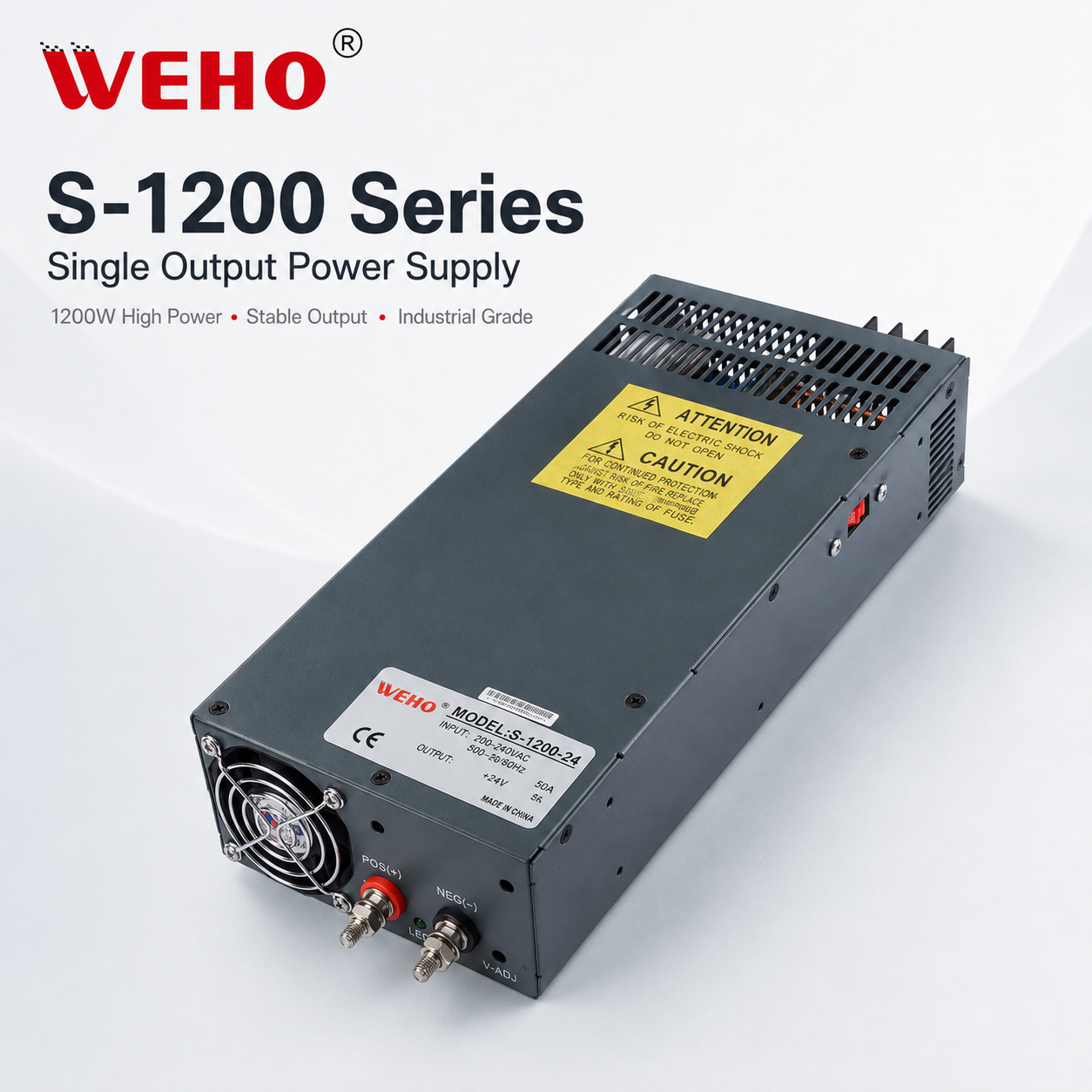
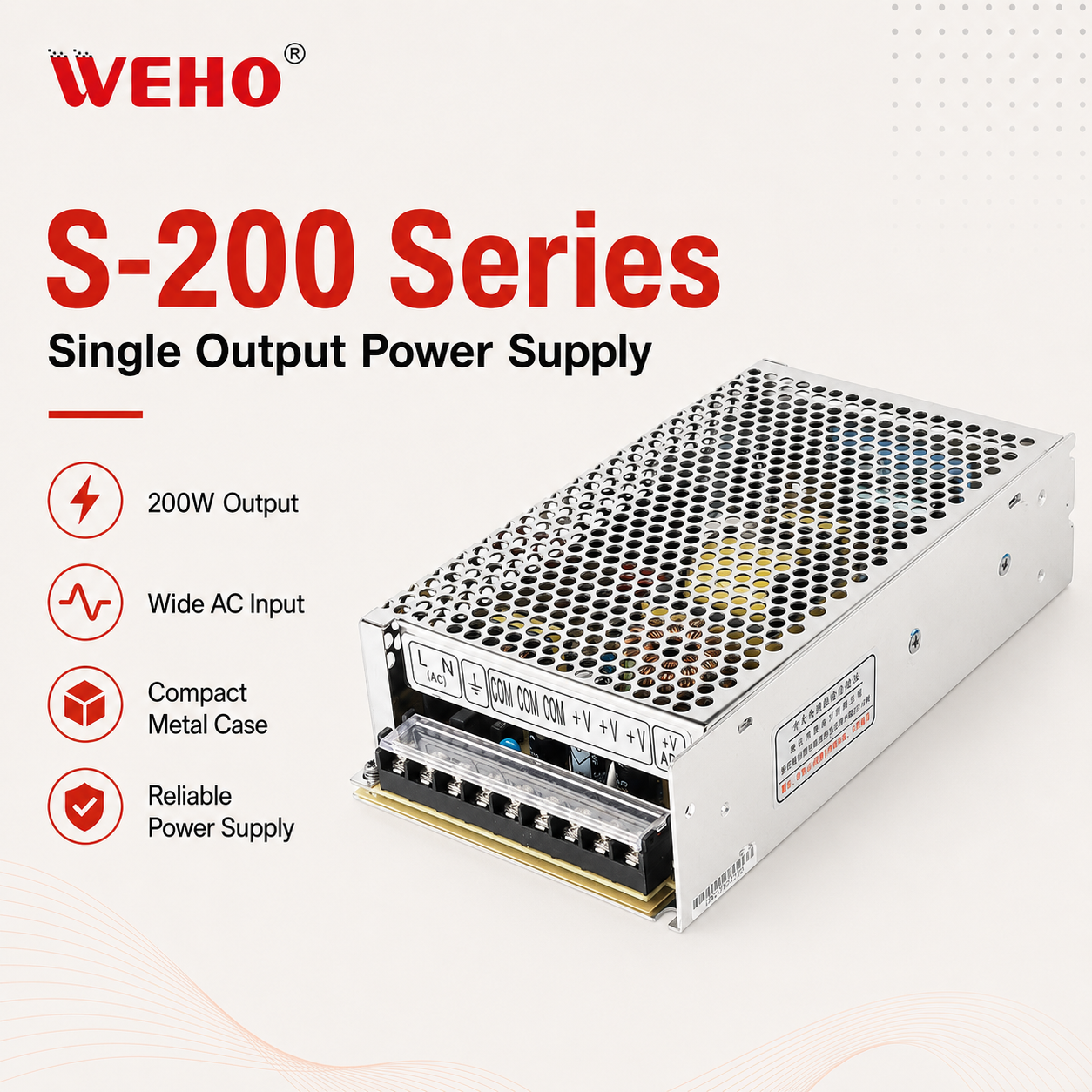
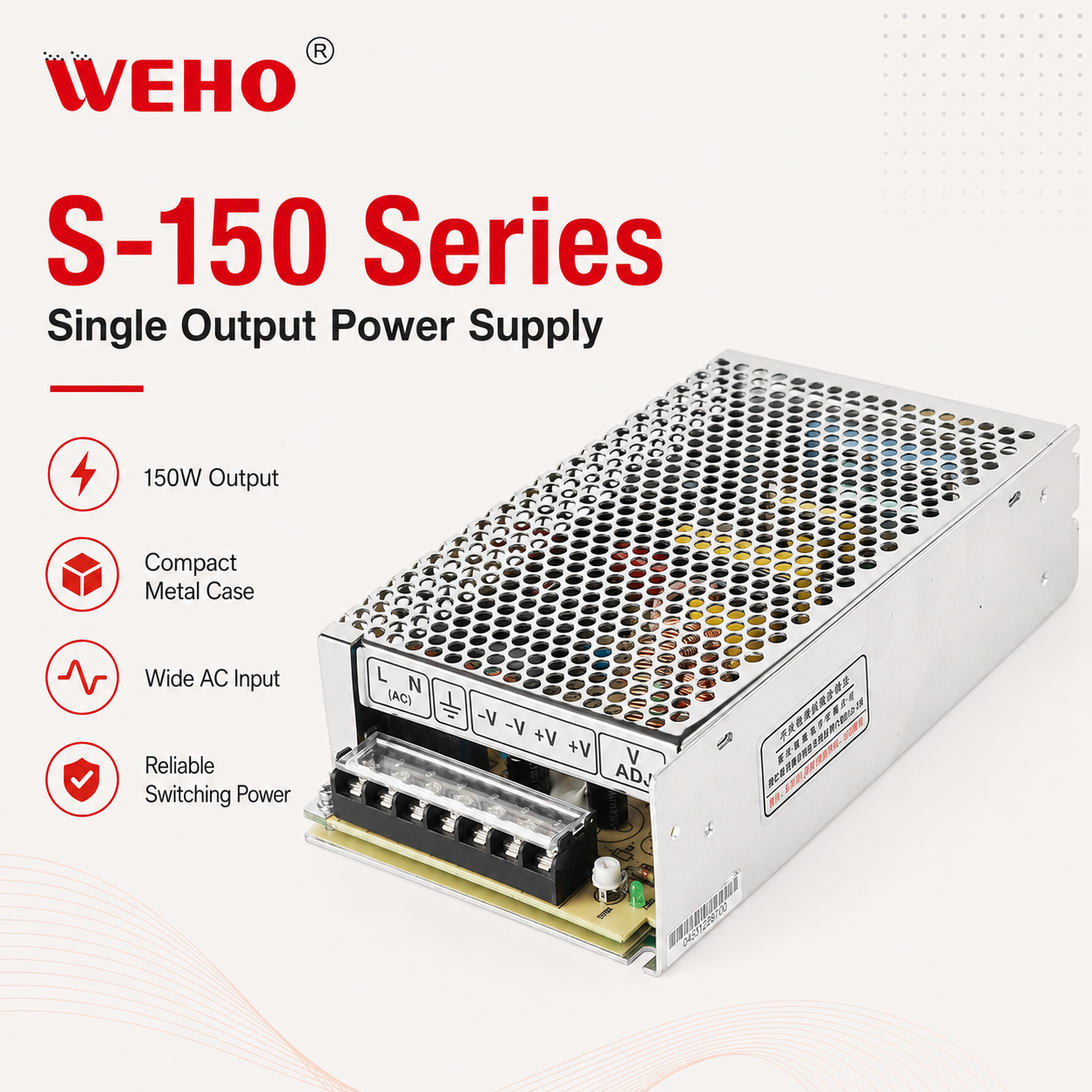
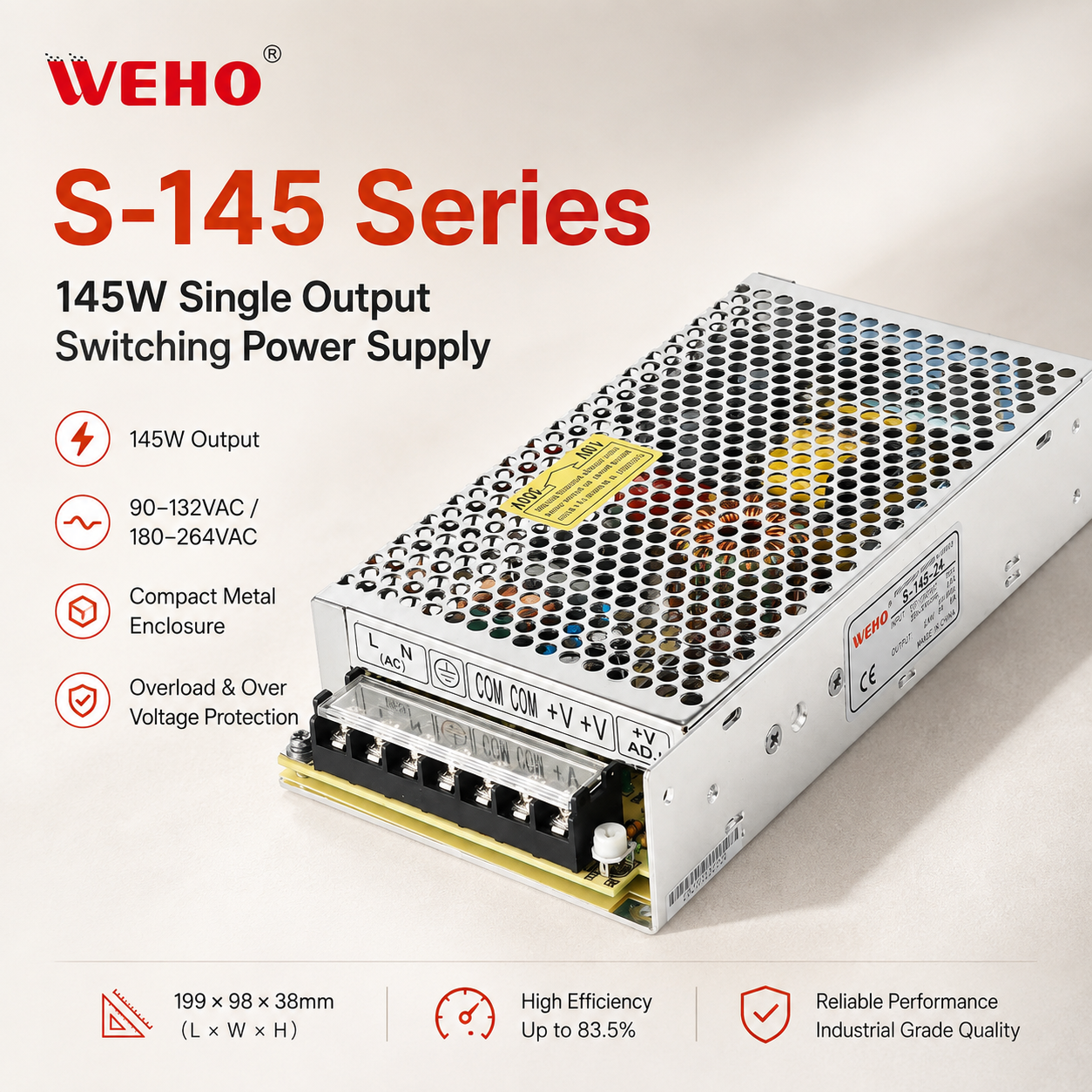
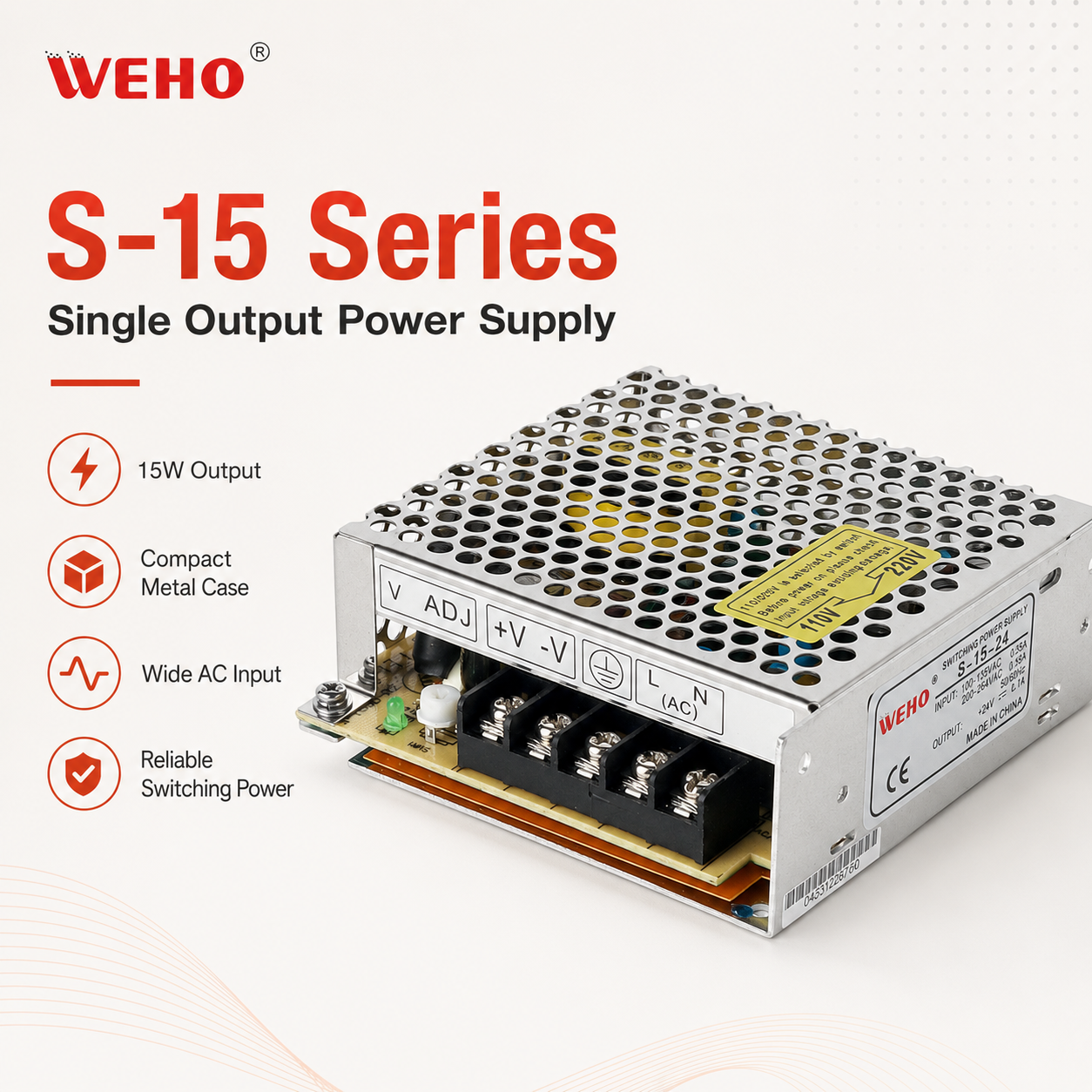
High-performance, regulated switched-mode power supplies (SMPS) designed with high-grade imported electronic components, 100% full-load high-temperature burn-in screening, and CE/RoHS compliance.
From single-board industrial power units to multi-kilowatt rack topologies, our plant in Wenzhou, Zhejiang combines independent research and development with end-to-end quality inspection.
Unlike purely commercial intermediaries or third-party sourcing aggregators, Zhejiang Harlon Electronic Co., Ltd. operates a proprietary 10,000 square meter production facility verified through on-site audits by the international inspection agency SGS Group. Our operational footprint spans more than 10 dedicated assembly and test lines.
Under our ISO 9001 quality framework, engineering documentation flows seamlessly from the schematic design stage through to surface mount technology (SMT) pick-and-place, automated optical inspection (AOI), through-hole manual inserting, lead-free dual-wave soldering, and computer-controlled potting.
Traceability Guarantee: Every batch undergoes component-level tracking, from electrolytic capacitors (rated at 105°C long life) down to primary switching MOSFETs and secondary Schottky rectifiers.
Our senior engineering directors possess nearly three decades of power supply architecture experience. This technological continuity empowers us to supply 31 long-term component suppliers, ensuring stable BOM pricing and eliminating silicon bottlenecks even during volatile supply chain periods.
A dependable AC/DC switching power supply must endure severe environmental stresses without thermal runaway, output oscillation, or voltage droop. To validate every design before shipping, our plant maintains a multi-stage validation laboratory containing advanced analytical instruments.
Our production line features a 100% full-load aging protocol. Modules are placed into high-temperature burn-in chambers under continuous elevated ambient conditions (45°C to 50°C) with cyclic ON/OFF switching to trigger early component mortality prior to packing.
100% Hi-Pot Dielectric Isolation: Every unit is tested for input-to-output and input-to-ground dielectric breakdown (up to 3.0kVAC / 1 minute) to ensure operator and equipment safety.
We further inspect conducted and radiated emissions in our dedicated RF shielded room using advanced EMI receivers and conduct lightning surge tests (up to 4kV line-to-earth) to ensure adherence to international EMC mandates.
Multi-rack full-load continuous aging test rigs operating under elevated thermal and load profiles.
Calibrated spectrum receivers and LISN networks measuring conducted interference per EN 55032 Class B.
High-voltage impulse simulation units testing surge suppression networks up to 4kV strike levels.
Rapid -40°C to +85°C climate testing chambers evaluating solder joint integrity and thermal expansion.
How GaN/SiC semiconductors, active digital control, and high-frequency resonant circuits are transforming power density, thermal performance, and harmonic compliance across industrial sectors.
Traditional silicon (Si) MOSFETs face switching loss limitations above 100 kHz. Next-generation power designs integrate Gallium Nitride (GaN) and Silicon Carbide (SiC) switches, enabling switching speeds beyond 300 kHz to 1 MHz. This higher switching frequency slashes the physical volume of planar transformers, inductors, and bulk filter capacitors by over 40%, yielding power densities above 25W/in³.
Hard-switching topologies (traditional flyback and forward) suffer from high di/dt and dv/dt stress, degrading efficiency and generating severe EMI. Modern topologies favor LLC resonant half-bridge architectures with Zero Voltage Switching (ZVS) across the primary transistors and Zero Current Switching (ZCS) on synchronous rectifiers, pushing conversion efficiencies past 94%.
Stringent harmonic regulations (IEC/EN 61000-3-2 Class D) mandate that SMPS systems exceeding 75W minimize phase displacement and harmonic current distortion. Advanced continuous conduction mode (CCM) boost PFC stages drive power factors to >0.98, maximizing apparent power utilization while reducing heat generation throughout plant electrical grids.
In modern factory automation, computing cabinets, and outdoor LED infrastructure, power supplies frequently operate in enclosed compartments devoid of forced-air ventilation. Heat dissipation therefore relies strictly on free-air convection and direct conduction cooling through an aluminum chassis.
Our engineering teams optimize thermal transfer paths via high-thermal-conductivity silicone gap pads, low-thermal-resistance insulative mica sheets, and direct thermal potting using two-part polyurethane or epoxy resins. Potting seals the sensitive internal magnetics, surface-mounted controllers, and electrolytic capacitors against conductive dust, moisture ingress, salt mist, and mechanical vibration (up to 5G acceleration), ensuring field survivability in demanding factory environments.
Strategic buyers evaluate beyond base unit price. Discover how lifecycle MTBF calculations, derating headroom, obsolescence protection, and OEM customization determine long-term operational returns.
| Architecture / Enclosure Type | Typical Power Band | Cooling Mode | Electromagnetic Immunity | Ideal Industrial Application | Sourcing TCO Index |
|---|---|---|---|---|---|
| Perforated Metal Enclosed (e.g., S-Series) | 15W – 350W | Free-Air Convection | High (Grounded Metal Casing) | CCTV Security, 3D Printers, Machinery | Optimal Unit Cost |
| High-Power Enclosed with Fan (e.g., S-1200) | 500W – 3000W | Forced Air (Speed-Controlled Fan) | Superior (Full Faraday Enclosure) | Laser Cutters, Battery Racks, Charging Stations | High Power / Cost Ratio |
| TS-35 DIN-Rail Module (MDR/EDR/NDR) | 20W – 480W | Convection / Thermal Dissipation | Class B Industrial Heavy Surge | PLC Panels, Process Control, SCADA Cabinets | Lowest Install Labor |
| Potted Waterproof (IP67/IP68) | 30W – 600W | Conduction via Sealed Aluminum Case | Hermetic Environmental Isolation | Outdoor Architectural LED, Traffic Signage | Zero Field Maintenance |
Procurement specifications often cite Mean Time Between Failures (MTBF) figures derived under MIL-HDBK-217F or Telcordia SR-332 standards exceeding 200,000 to 500,000 hours. However, practical field longevity is dominated by the Arrhenius rule: for every 10°C rise in capacitor core temperature, operational life expectancy is halved.
Leading system architects deliberately specify supplies with 20% to 30% power headroom over the steady-state load. Operating an S-150 unit at 100W–120W keeps internal thermals well within safety margins, dampens ripple voltages, and extends electrolytic capacitor life past 70,000 operating hours.
In contemporary industrial automation, product lifecycles frequently span 7 to 15 years. Sourcing commodity power supplies from non-manufacturing traders exposes buyers to unannounced component changes, unverified silicon swaps, and premature product discontinuance that force costly recertifications.
Partnering directly with an established manufacturer such as Harlon guarantees end-to-end design control, formal PCN (Product Change Notification) policies, and guaranteed BOM consistency. Our engineers can provide secondary-footprint layouts for critical ICs and controllers, insulating your product lines from semiconductor shortages.
Direct engineering answers addressing inrush current, output trimming, parallel redundancy, safety certifications, and custom private-label manufacturing terms.
Connect directly with our senior power electronics engineering and export team. Receive comprehensive CAD dimensions, electrical schematics, efficiency curves, test reports, and custom quotation proposals within 24 hours.