Industrial Grade Power Topologies · Canada Spec Ready
Boost Converter Manufacturers & Suppliers in Canada
Comprehensive Technical Guide, Direct-Factory Sourcing, and High-Efficiency AC-DC / DC-DC Voltage Step-Up Systems for Heavy Automation, Cold-Climate Renewable Storage, and Distributed Telecommunications.
High-Performance Hardware Catalog
Engineered Boost & SMPS Units for Demanding Power Architecture
Precision-regulated, thermally validated switching units and converters manufactured under certified ISO 9001 quality controls. Select standard topologies or request sample-based customization tailored to Canadian winter operating conditions.
White Paper: Engineering Architecture of Industrial DC-DC Boost Converters in Canadian Systems
A Boost Converter (Step-Up Switched-Mode Power Supply) represents a fundamental topology in modern switched-mode power electronics. Characterized by its non-isolated or isolated inductor-based conversion circuitry, a boost regulator accepts an unregulated or lower direct-current input voltage and elevates it to a precisely stabilized higher potential. Across Canada’s expanding renewable electrification corridors, commercial LED sign infrastructures, remote mining operations, and telecommunication micro-grids, the demand for robust, high-efficiency boost solutions has surged dramatically.
The core operating principle relies on the dynamic energy storage properties of a power inductor combined with high-frequency solid-state switching (MOSFET or IGBT switching matrices) and ultra-fast recovery schottky or synchronous rectification diodes. During the charging phase (switch-on cycle), electrical current flows through the inductor, storing magnetic energy ($\frac{1}{2} L I^2$). In the discharge phase (switch-off cycle), the collapsing magnetic field collapses into the load circuit in series with the input source, boosting the voltage across the filter capacitors according to the canonical continuous conduction duty ratio formula:
V_out = V_in / (1 - D) · η [where D represents the Pulse Width Modulation duty cycle and η denotes conversion efficiency]
Comparative Parametric Selection Guide
Selecting the optimal power supply or boost subsystem requires evaluating thermal thresholds, peak switching frequencies, inrush current mitigation, and electromagnetic compatibility (EMC). The table below details critical electrical engineering benchmarks across our modular conversion spectrum:
Converter Class / Model
Nominal Input Window
Boosted Output Potential
Peak Efficiency (Typ.)
Thermal Boundary (Operating)
Primary Industrial Use Case
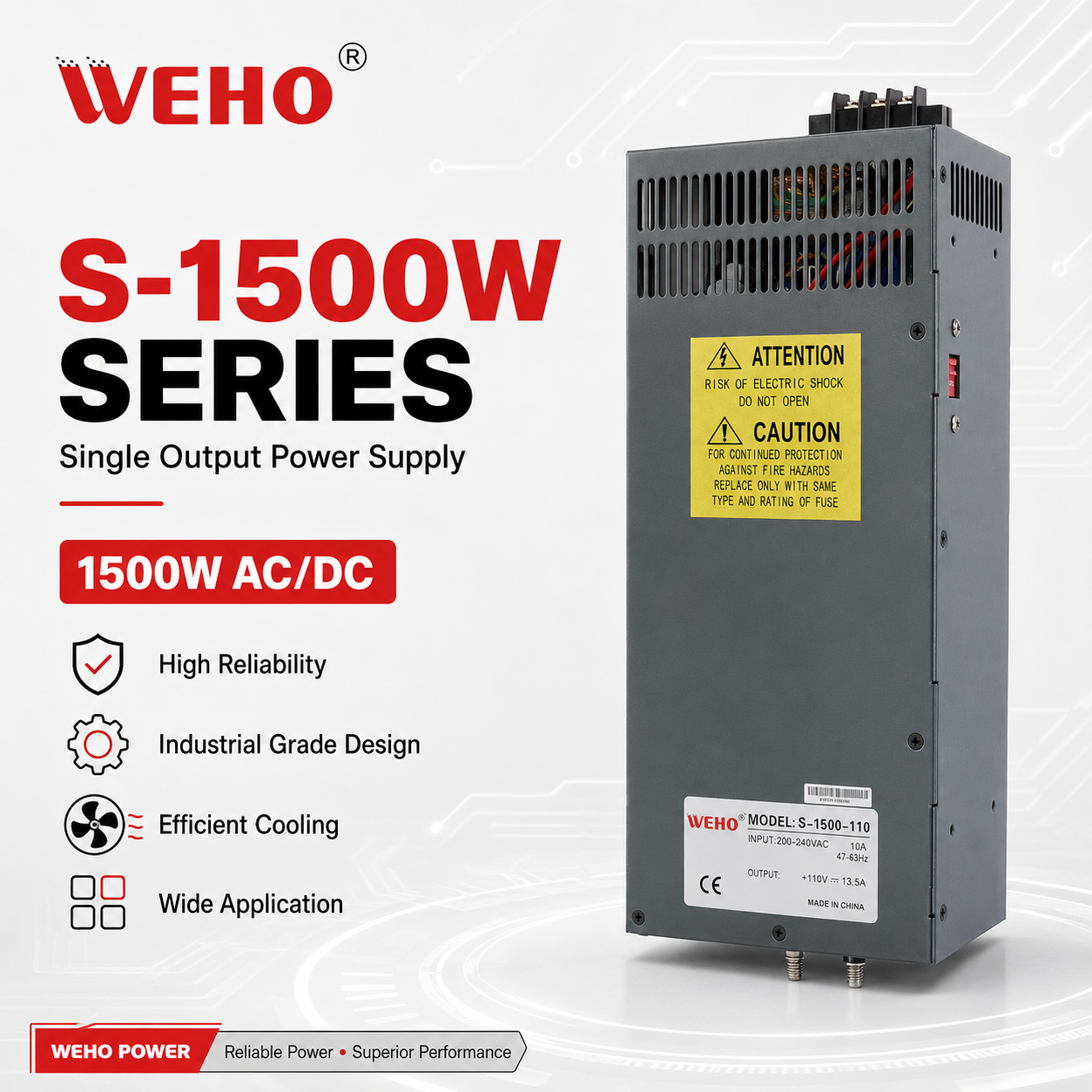
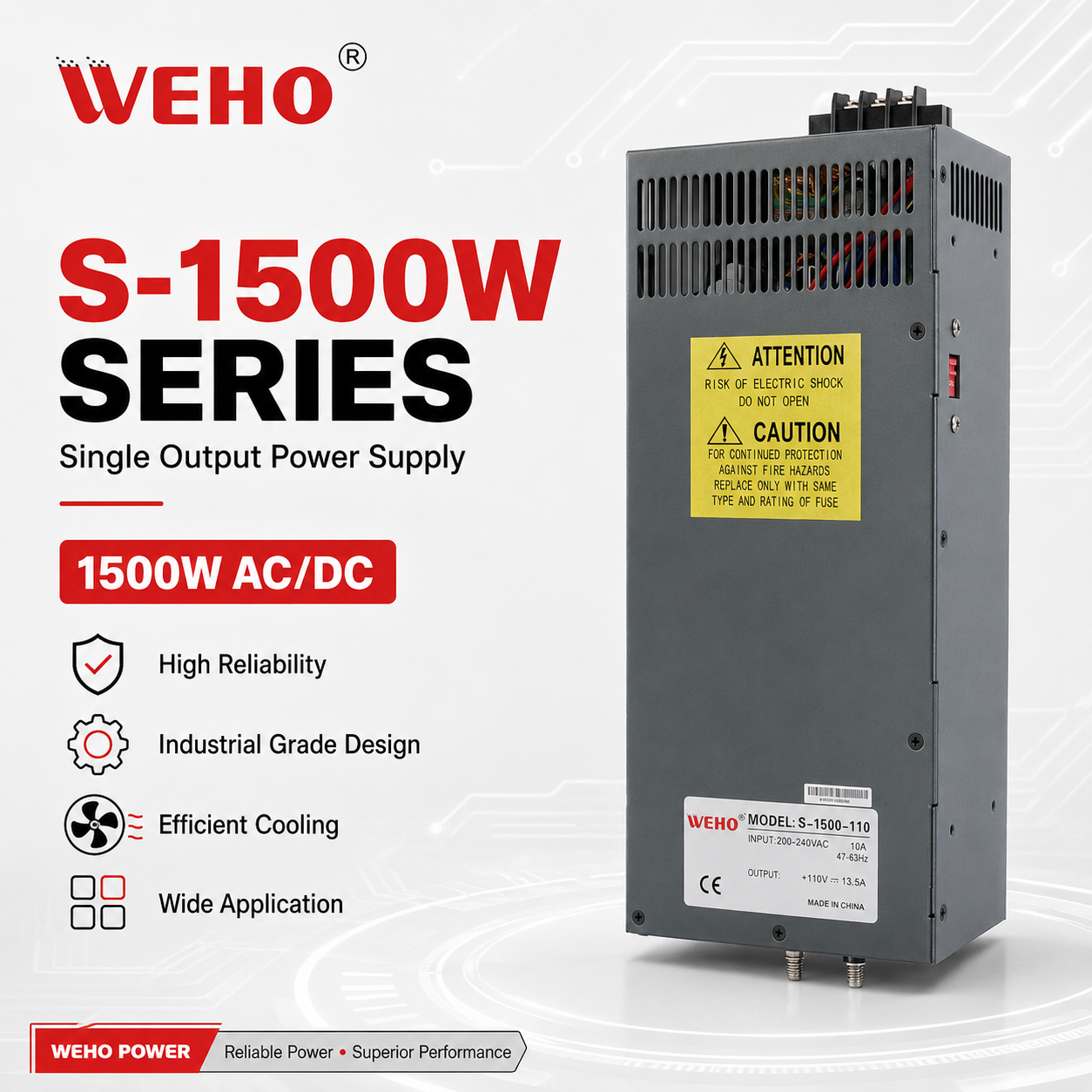
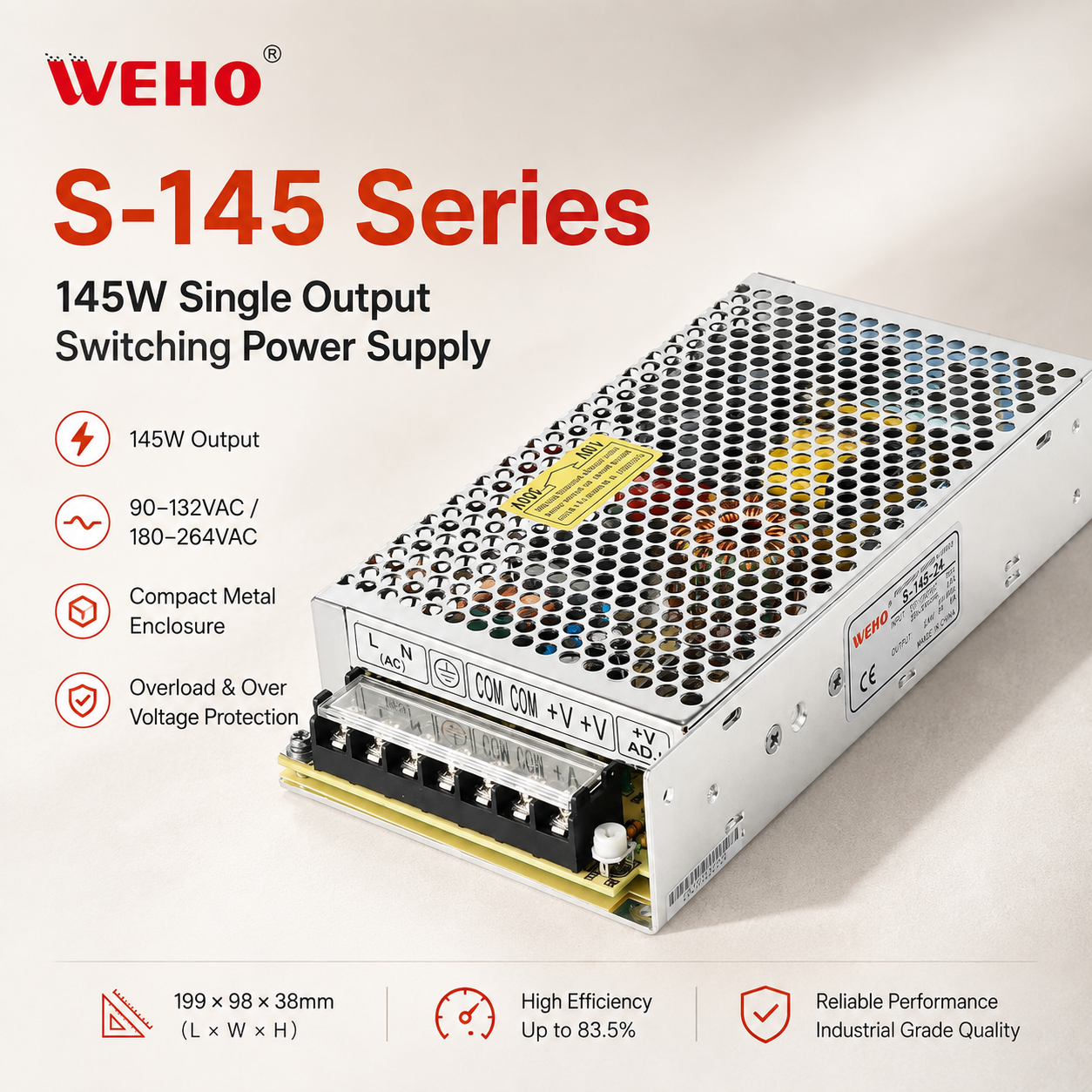
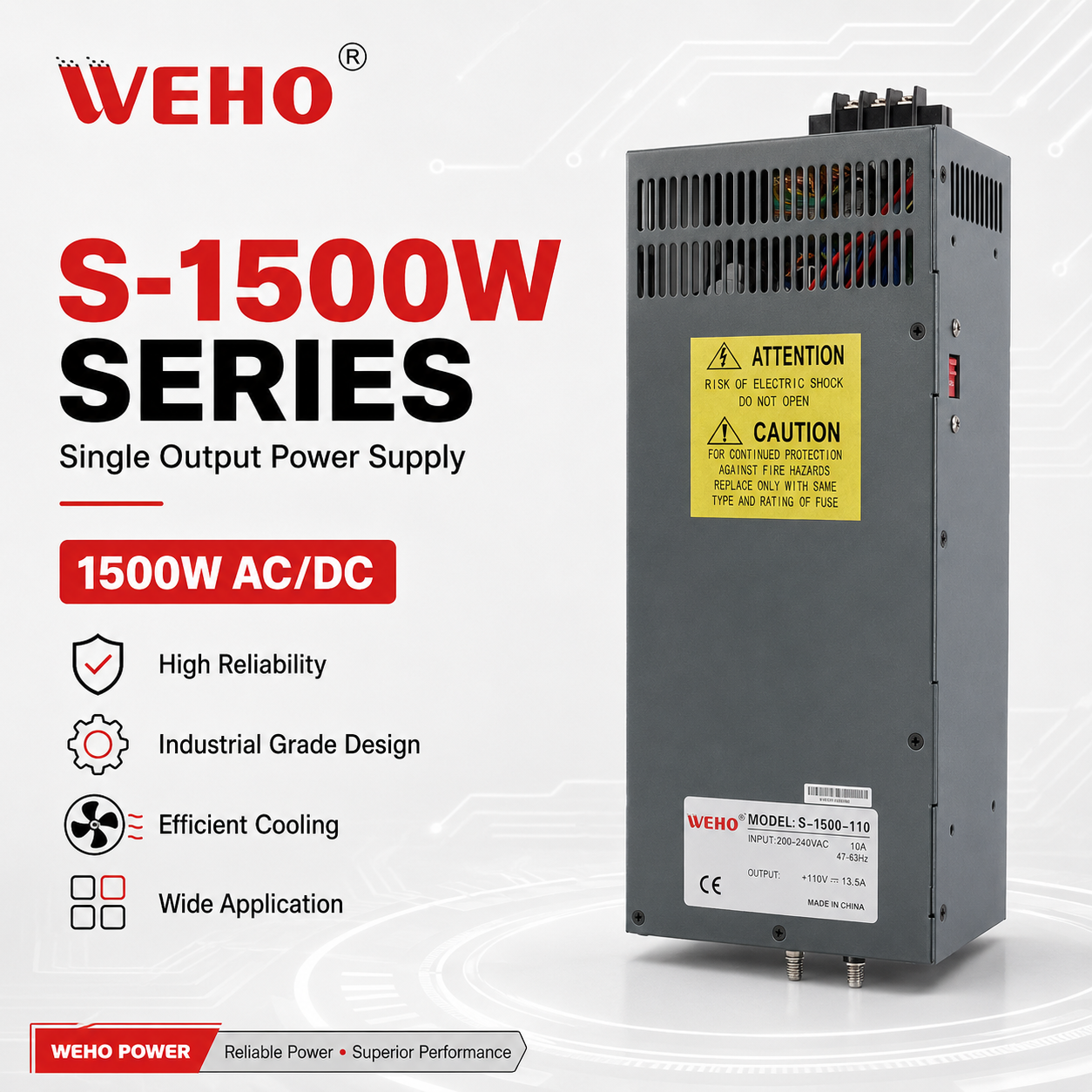
S-1500 Series Heavy-Rail
180–264 VAC / 220–370 VDC
12V, 24V, 48V DC (Up to 125A)
90.5% – 93.0%
-25°C to +70°C (Derated >50°C)
High-capacity automation cabinets, CNC machinery & EV stations
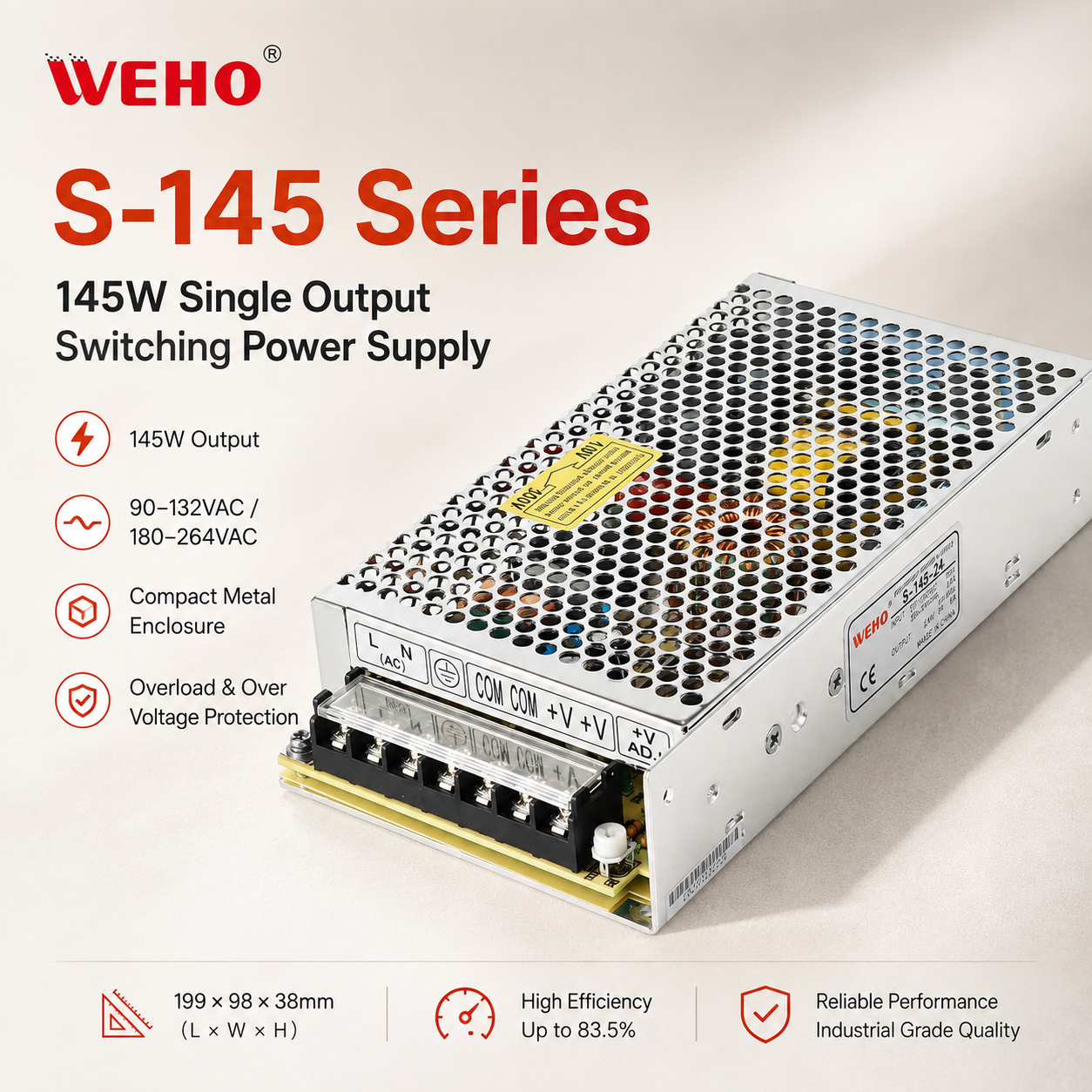
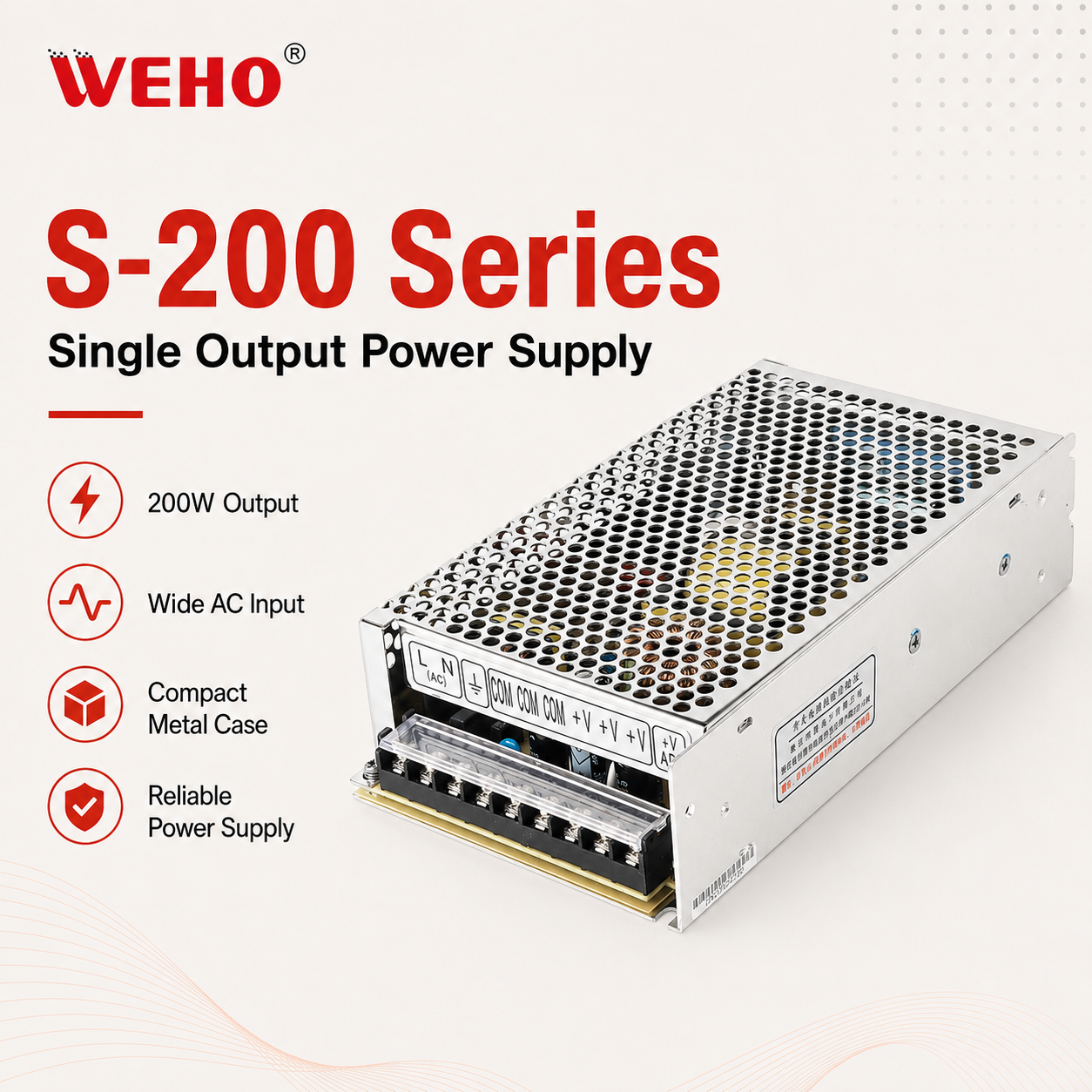
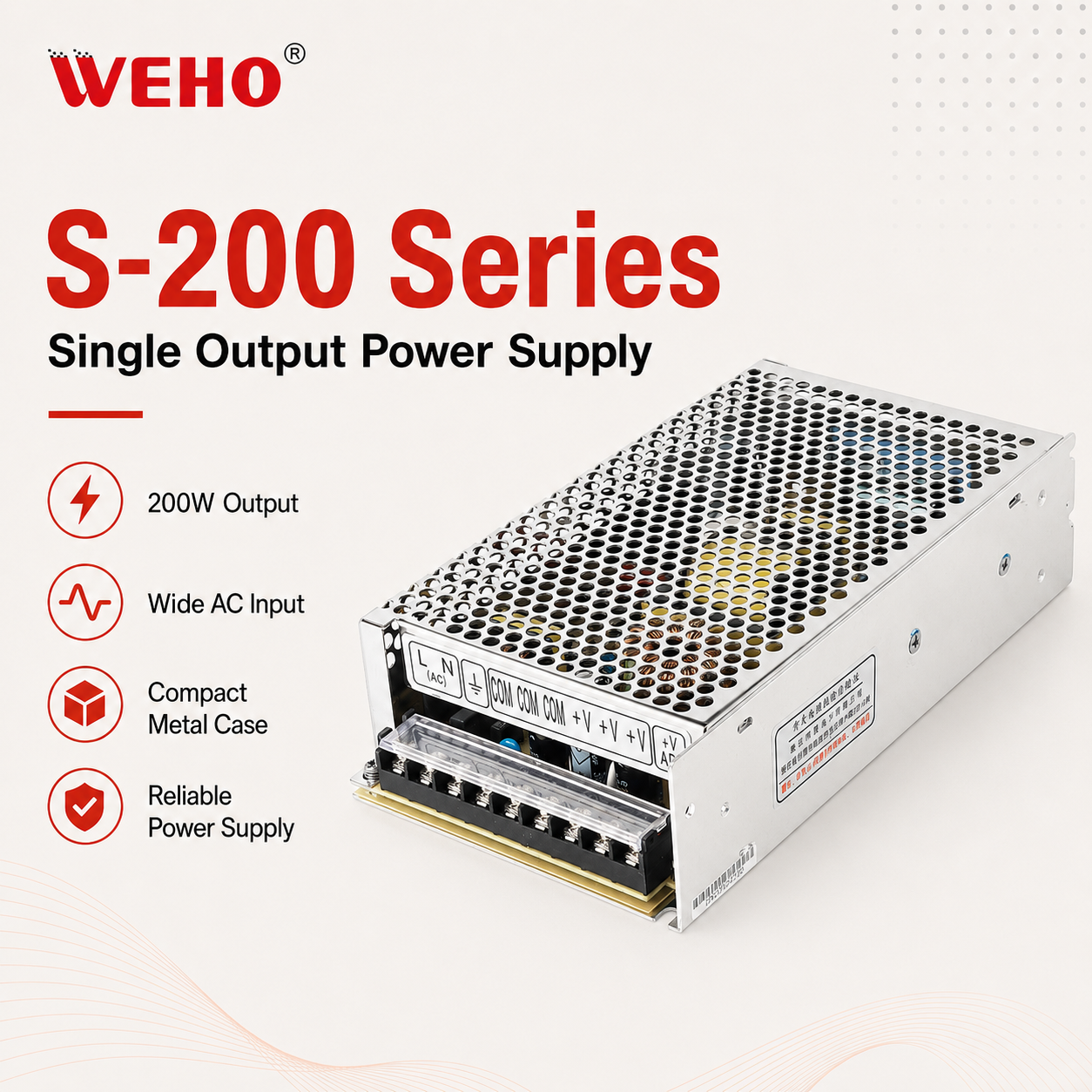
S-200 Medium Industrial
85–132 VAC / 170–264 VAC
15V, 24V, 36V, 48V DC
88.5% – 91.0%
-30°C to +65°C
Cold-climate digital architectural lighting & signage controllers
Mobile heavy equipment, hybrid solar battery banks & telecom huts
Unlike commercial consumer electronics, industrial units operating across Canadian latitudes must feature comprehensive closed-loop safeguards. These include foldback current limiting, automatic over-voltage clamping (OVP), cycle-by-cycle inductor saturation prevention, and thermal shutdown hysteresis designed to protect critical PLC processors and downstream actuators from catastrophic line transients.
Geographic & Industrial Fit
Engineered for Canadian Extreme Environments & Infrastructure
From the sub-zero winters of Alberta and Northern Ontario to humid maritime marine docks in Vancouver and Halifax, boost converters require specialized component derating, potting barriers, and wide-input tolerance.
Off-Grid Hybrid Solar & Cold-Weather BESS
In decentralized micro-grids across the Yukon, Northwest Territories, and rural Quebec, lithium iron phosphate ($LiFePO_4$) and lead-carbon battery arrays experience wide voltage drops under sub-zero discharge cycles. Our high-efficiency DC-DC boost topologies elevate fluctuating 12V/24V battery terminal voltages into stable 48V DC buses without thermal collapse, ensuring continuous operation of winter-critical heating controls and monitoring transmitters.
Industrial Automation & Heavy Manufacturing
Ontario and Quebec’s high-precision automotive factories, pulp and paper facilities, and CNC machine shops experience heavy line noise and momentary voltage sags caused by high-power inductive motor start-ups. Utilizing our S-1500 and DIN rail switching solutions with high inrush suppression protects robotics, supervisory programmable logic controllers (PLCs), and high-speed vision inspection lines from unexpected reboot cycles.
Sub-Zero Remote Telecom & Pipeline Surveillance
Trans-Canada energy corridors and northern remote microwave cellular repeaters require unwavering power conversion reliability. Potted waterproof drivers and enclosed conformal-coated switching supplies resist heavy condensation during seasonal thaws, delivering pure DC power to telemetry RTUs, peripheral CCTV monitors, and remote satellite communication nodes with zero field maintenance requirements.
Canadian Market Trends: CSA Alignment, Net-Zero Electrification, and Energy Redundancy
The Canadian switching power supply and boost regulator market is undergoing a structural transformation driven by stringent federal energy efficiency mandates, provincial grid decarbonization programs, and rapid electric fleet electrification. Canadian system integrators and electrical engineers are moving away from traditional, bulky iron-core step-up transformers toward compact, high-frequency high-power SMPS architectures that offer superior power density ($W/inch^3$) and minimal idle losses.
CSA & Canadian Electrical Code (CEC Part I) Adherence: Original Equipment Manufacturers (OEMs) building enclosures for deployment in Canada must ensure that power components either hold direct CSA 22.2 certification or align with harmonized UL/IEC 62368-1 standards for Information and Communication Technology equipment.
Ultra-Wide Input Windows for 347V/600V Industrial Feeds: Unlike standard commercial single-phase 120V circuits, Canadian industrial hubs widely employ 347V single-phase and 600V three-phase delta/wye systems. Boost conversion front-ends must integrate robust transient suppression stages capable of handling elevated primary line spikes.
Harsh Environmental Derating: Standards require power electronics to pass mechanical shock, severe harmonic vibration, and wide-spectrum thermal shock cycling without electrolytic dielectric breakdown.
To support Canadian enterprises striving for carbon reductions, our high-power converters integrate Active Power Factor Correction (PFC) modules achieving power factor ratings above 0.98. This drastically cuts reactive power losses and avoids utility-level penalty surcharges commonly imposed by regional distributors such as Hydro One, Hydro-Québec, and BC Hydro.
Manufacturing Excellence
Why Global & Canadian OEM Builders Partner with Zhejiang Harlon Electronic
Since 2007, Zhejiang Harlon Electronic Co., Ltd. has engineered and built high-reliability power supplies. Operating from our 10,000 m² ISO 9001 certified plant in Wenzhou, we provide deep R&D integration, strict laboratory inspection, and full OEM/ODM agility.
19+
Years Engineering Expertise (Since 2007)
3000W
Maximum Single SMPS Capacity
10,000m²
SGS On-Site Verified Production Facility
100%
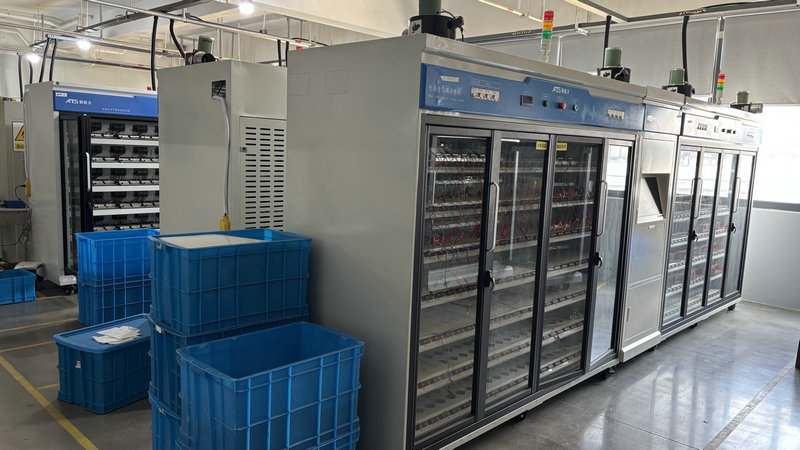
Full-Load Thermal & Aging Burn-In Tested
30 Years Design Leadership & Customization
Led by an engineering director with nearly 30 years of specialized power electronics experience, our R&D group offers complete circuit topology redesign, custom output voltages (e.g., non-standard 15V, 36V, 48V, or high-amp configurations), private-label brand silk-screening, custom lead lengths, and terminal modifications.
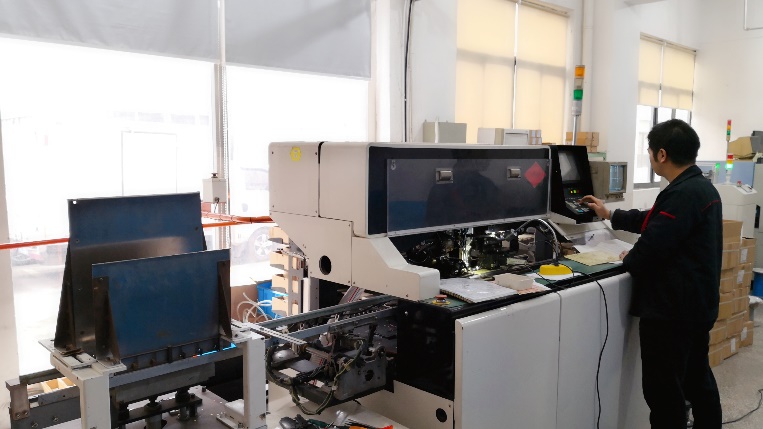
In-House Automated SMT & Wave Soldering
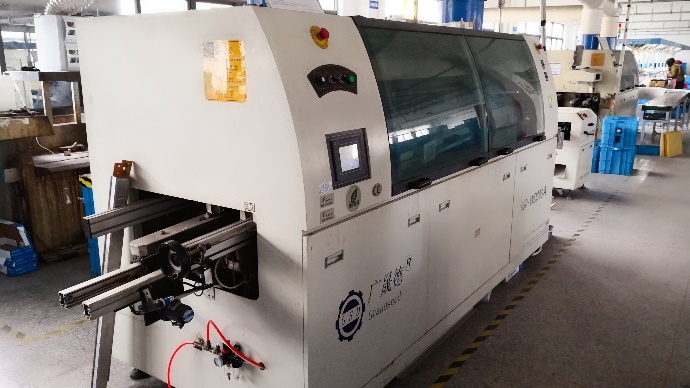
By owning every stage—from automated surface mount placement (SMT) and multi-stage wave soldering to automatic silicone glue potting and automated export packaging—we eliminate sub-tier contractor variance and deliver uncompromised batch-to-batch structural integrity.
Exhaustive Test Lab & Traceable Quality
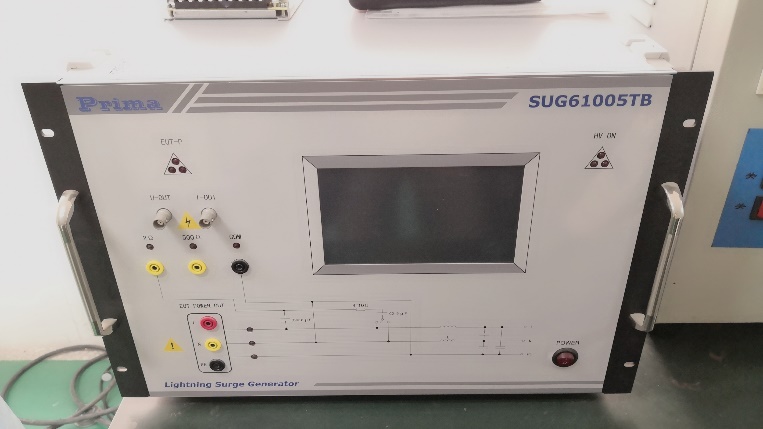
Our in-house compliance and diagnostic laboratory houses electromagnetic interference (EMI) test receivers, high-and-low temperature environmental stress chambers, digital storage oscilloscopes for ripple measurement, lightning surge generators, and earth resistance testers to guarantee compliance before shipment.
Precision Wave Soldering
Automated Component Insertion
100% Full-Load Burn-In Aging
Lightning Surge Immunity Testing
Procurement Intelligence
Frequently Asked Questions by Canadian Buyers & Engineers
Clear, straightforward technical and logistics answers to accelerate your vendor qualification process.
Can your boost converters and switching supplies operate continuously in Canadian sub-zero winters?
Yes. Standard models operate from -20°C up to +60°C, while our specialized industrial grade and potted outdoor series feature cold-start capability down to -40°C. We utilize low-ESR capacitors rated up to 105°C with proven sub-zero electrolyte stability, conformal coated PCB layouts to prevent condensation short-circuits during freeze-thaw transitions, and thermally balanced chokes that resist magnetic core cracking under rapid thermal shock.
What electrical safety, EMC, and environmental certificates are provided for Canadian customs clearance?
Our products are built in accordance with international safety standards including CE (LVD/EMC), RoHS, and FCC Part 15 Class A/B for electromagnetic emissions. We support Canadian OEMs with factory declarations of conformity, test reports covering dielectric withstand (Hi-Pot) and lightning surge immunity, and test records validating compliance with harmonized North American safety codes (UL/CSA 62368-1).
What are your lead times, minimum order quantities (MOQs), and DDP delivery options to Canada?
We maintain flexible MOQs suited for prototyping and enterprise production runs. Evaluation samples for catalog models ship within 3 to 7 business days, while volume production batches (500 to 10,000+ units) typically ship within 15 to 25 days. We offer flexible Incoterms including FOB, CFR, CIF, and full DDP (Delivered Duty Paid) air or ocean freight arriving directly at your facility in Toronto, Montreal, Vancouver, Calgary, or Edmonton.
How do your engineering teams handle custom OEM voltage requirements and private labeling?
With over 18 years of OEM manufacturing experience, we offer sample-based customization, schematic modifications, and complete custom builds. We can fine-tune output voltages, modify terminal block connector layouts (e.g., barrier strips, screw terminals, or pluggable Molex connectors), apply customized laser engraving or branded labeling, and design custom export cartons to meet your supply chain requirements.
How does Zhejiang Harlon ensure unit-to-unit consistency across mass production runs?
Every production run follows an ISO 9001 certified 9-step quality protocol. All incoming active silicon, copper magnetics, and passive components pass strict IQC verification. Following automated SMT and wave soldering, every PCBA undergoes automated visual inspection and precise voltage calibration. Crucially, 100% of finished units undergo extended full-load burn-in aging under elevated temperatures to eliminate early component infant mortality before final packing.
Ready to Engineer or Source Your Next-Generation Power Supplies?
Connect with our technical sales engineers for immediate datasheets, Canadian project quotations, custom topology feasibility reviews, or fast prototype samples.
 Deutsch
 Español
 Français
 Português
 Italiano
 Русский
 العربية
 Türkçe