Engineered for harsh tropical climates, continuous voltage regulation, and robust transient protection inside Vietnam's string inverters, central PCS, and C&I PV combiner stations.
Vietnam’s photovoltaic landscape presents one of the most operationally challenging environments in Southeast Asia for power conversion systems. While the solar resource is exceptional—ranging from 4.2 to 5.4 kWh/m²/day across the Central Highlands (Tay Nguyen) and the Southern provinces (Binh Duong, Dong Nai, Long An)—the physical reality of deploying solar inverter hardware demands uncompromising environmental engineering. Chinese manufacturers serving this dynamic territory must satisfy stringent electrical and atmospheric criteria that extend far beyond generic catalog specifications.
At Zhejiang Harlon Electronic Co., Ltd., our engineering methodology addresses the precise fault modes encountered by Vietnamese solar EPCs, project developers, and system integrators. Inverter downtime in tropical installations rarely stems from primary IGBT failure alone; rather, it is overwhelmingly triggered by auxiliary power degradation, control loop drift caused by thermal derating, moisture-induced insulation breakdown, and grid transient sags across rural feeders managed by Vietnam Electricity (EVN).
Export manufacturing facilities operate under stringent uptime schedules. Inverters must withstand conductive textile dust, caustic chemical fumes, and high ambient factory temperatures exceeding 45°C under corrugated steel roofs without tripping.
Aquaculture pond installations and coastal projects in Ninh Thuan, Binh Thuan, and Ca Mau demand ISO 12944 C4/C5 marine-grade corrosion resistance, conformal dual-side PCB coating, and anti-condensation thermal potting.
In rural Central Vietnam, transmission congestion creates substantial voltage flicker (180VAC–265VAC) and lightning-induced surges. Our auxiliary SMPS ensure constant 12V/24V control rails to prevent catastrophic inverter processor lockups.
Between May and November, Vietnam experiences intense southwest monsoons with relative humidity regularly hovering between 85% and 98%. When solar inverters shut down at night and cool rapidly, the internal dew point is reached, leading to microscopic moisture condensation on copper traces and solder pads. Without specialized conformal lacquering and potting compound barriers, standard switching supplies suffer electrochemical migration (dendrite growth) that creates low-impedance short circuits.
Harlon mitigates this localized threat by deploying high-purity polyurethane vacuum encapsulation for magnetic components, alongside strict adherence to IPC-A-610 Class 3 conformal coating standards. Each unit exported to Vietnam undergoes rigorous multi-stage environmental qualification inside our high-and-low temperature chambers (-30°C to +75°C cycling) and continuous 95% relative humidity testing chambers, validating zero trace delamination before shipment.
The regulatory framework governing solar power in Vietnam has undergone a profound paradigm shift. The era of high Feed-in Tariffs (FIT 1 at 9.35 US cents and FIT 2 at 7.09–8.38 US cents) resulted in over 16.5 GW of rapid solar deployment, triggering acute local grid curtailment on the 110kV and 220kV lines managed by EVN. In response, Vietnam's government ratified the long-anticipated National Power Development Plan VIII (PDP8), supplemented by groundbreaking regulatory decrees that fundamentally redefine solar procurement.
| Regulatory Pillar | Core Mechanism in Vietnam | Hardware Impact on Inverters & Power Architecture |
|---|---|---|
| Decree 135/2024/ND-CP | Self-consumption rooftop solar for homes & offices; net-metering caps at 20% surplus export. | Zero-export dynamic control integration, rapid-shutdown compliance, and low-standby auxiliary consumption. |
| DPPA Mechanism (Decree 80/2024) | Direct Power Purchase Agreements between renewable IPPs and large private energy consumers. | Stringent revenue-grade metering interfaces, SCADA interoperability, and continuous 24/7 telemetry stability. |
| Mandatory BESS Integration | Grid stabilization mandate requiring storage integration for utility and large C&I solar arrays. | Bi-directional DC-DC buck/boost topology, 48V/400V battery auxiliary management, and sub-10ms switchover times. |
| EVN Technical Standard QCVN | Tightened power quality: THD < 3%, wide frequency tolerance (47.5Hz–51.5Hz), and low-voltage ride-through (LVRT). | Enhanced EMI suppression (Class B), active PFC controllers, and robust insulation withstand under grid resonance. |
Under Decree 135, Vietnamese commercial enterprises in economic powerhouses such as Ho Chi Minh City, Dong Nai, Hai Phong, and Da Nang are investing heavily in "Self-Consumption, Behind-the-Meter" PV plants. Because excess energy exported to EVN receives negligible compensation, the technical mandate is centered on intelligent anti-reverse power control (Zero Export), peak shaving, and real-time load matching.
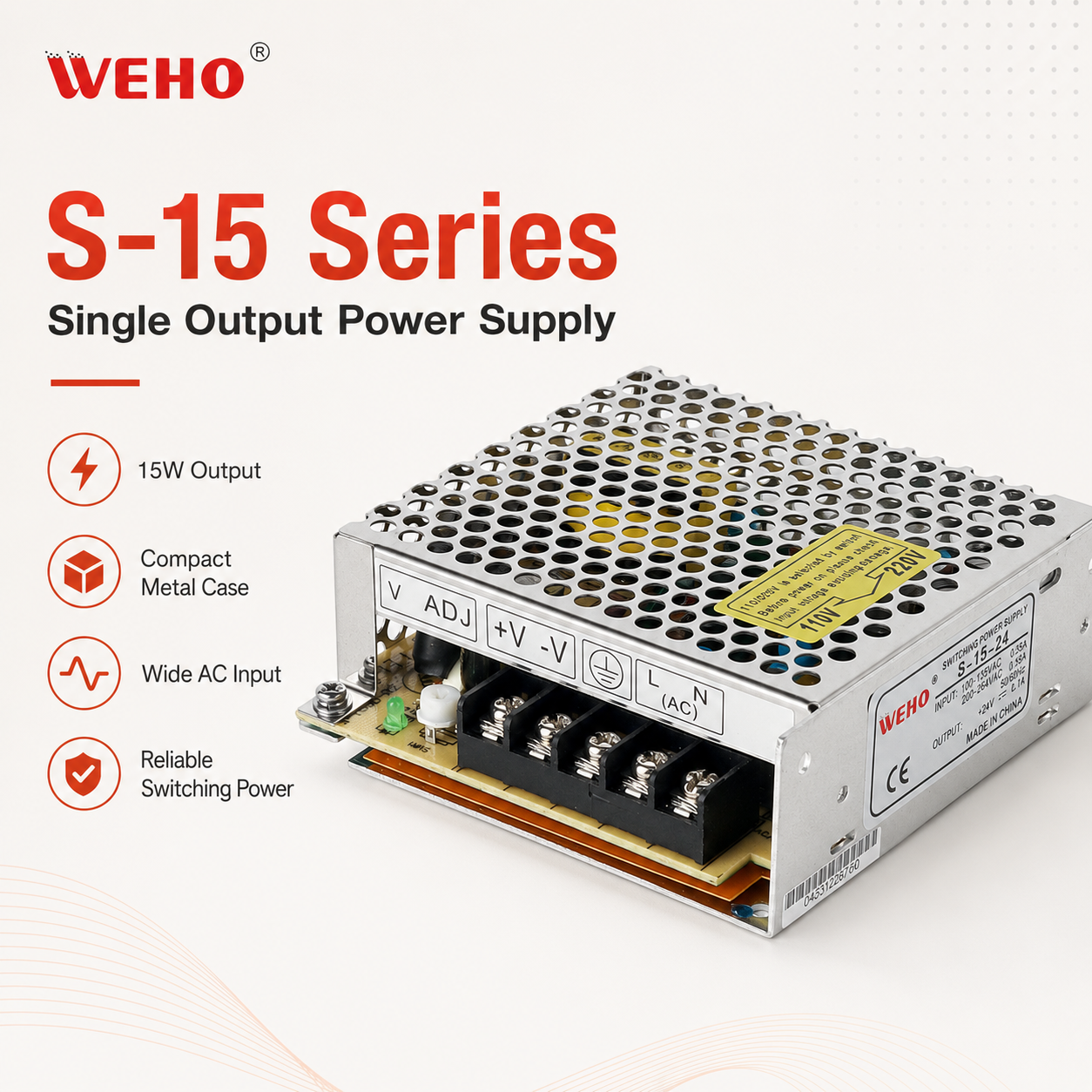
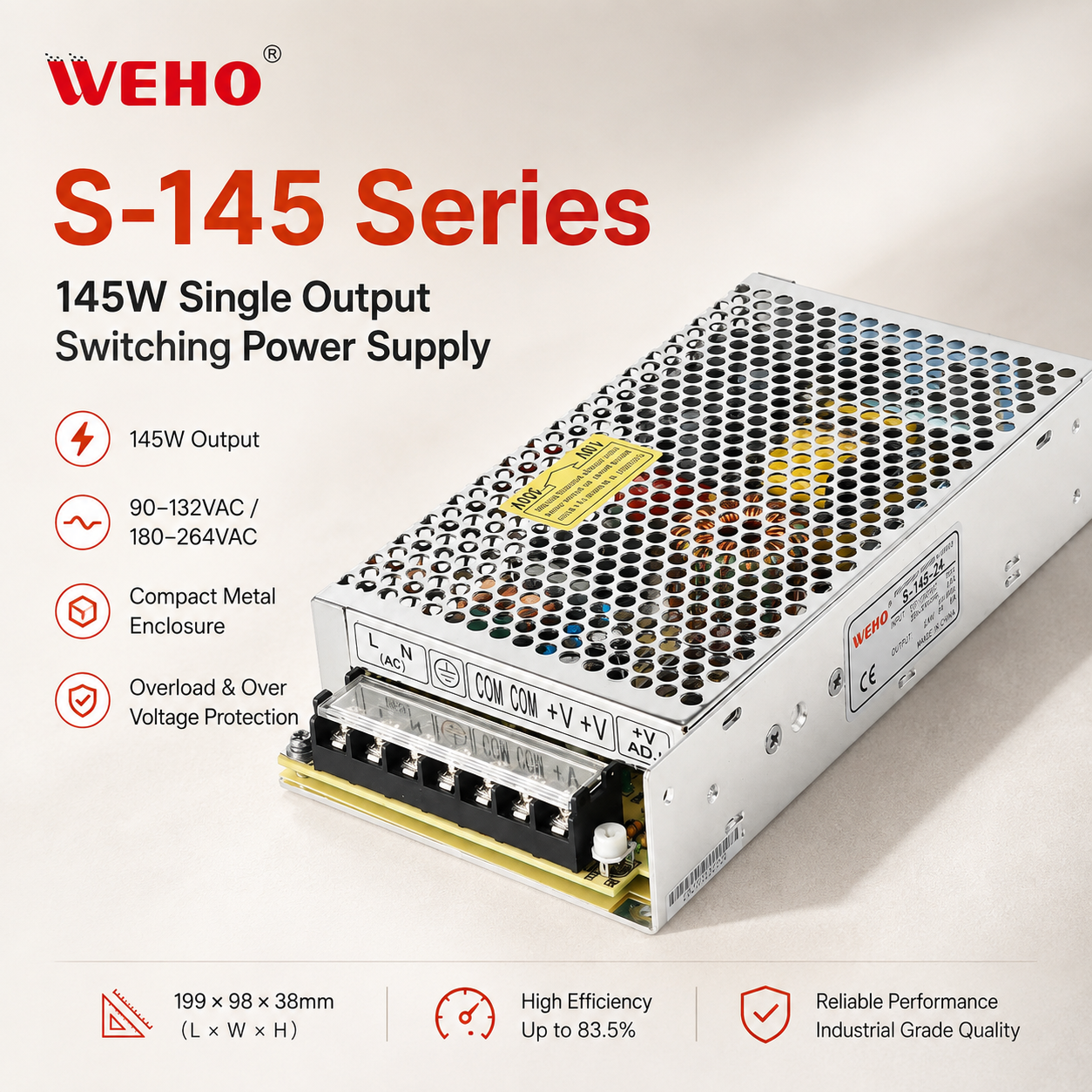
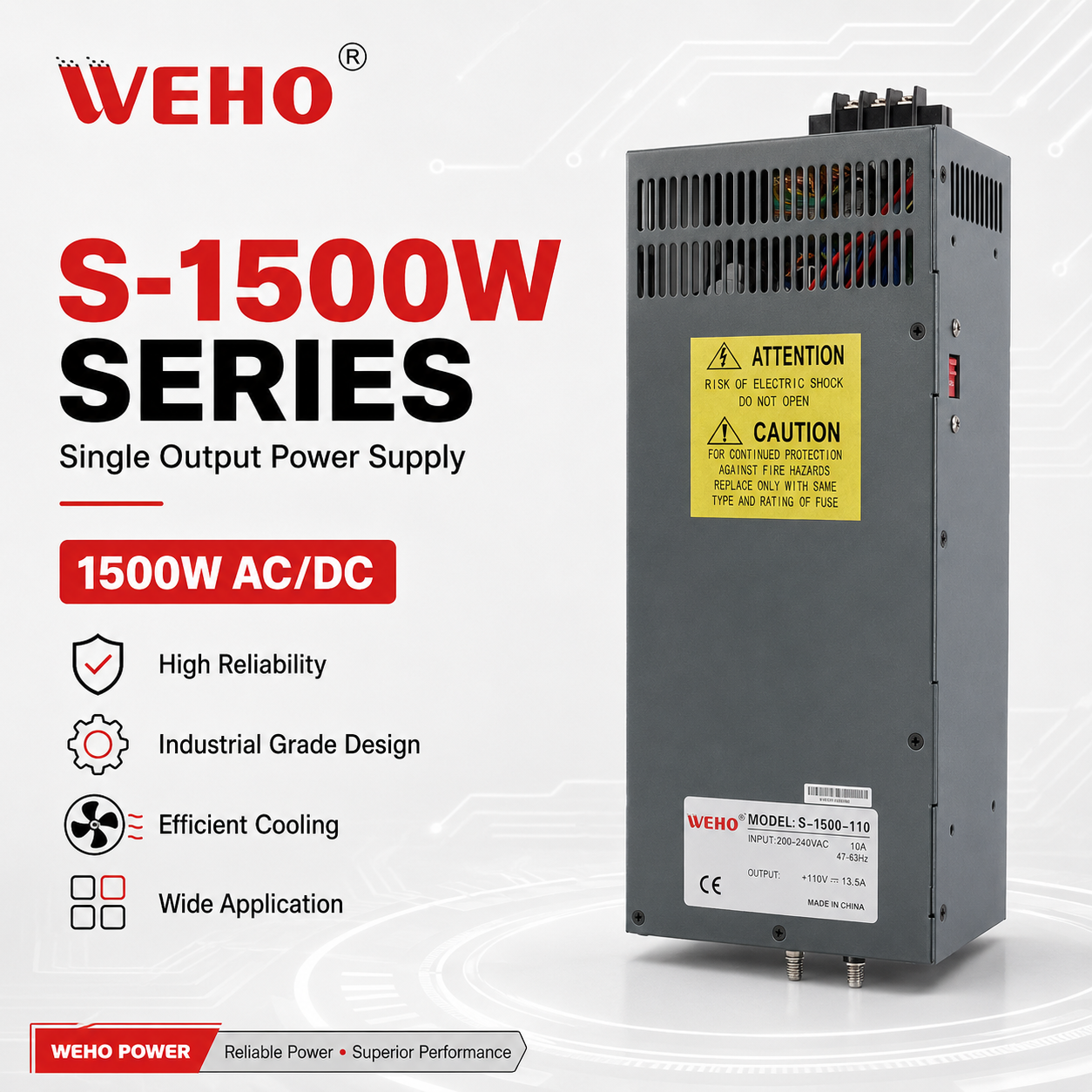
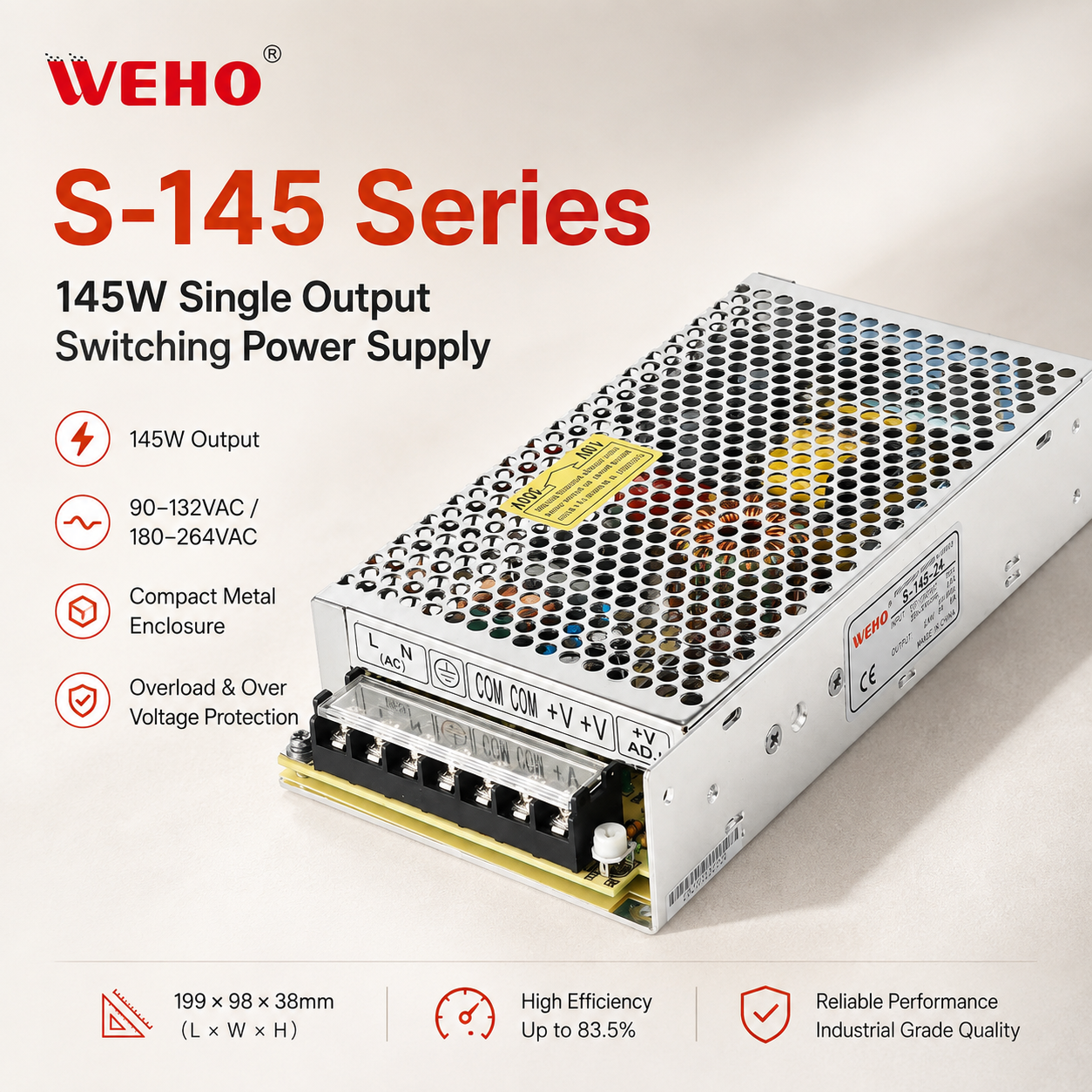
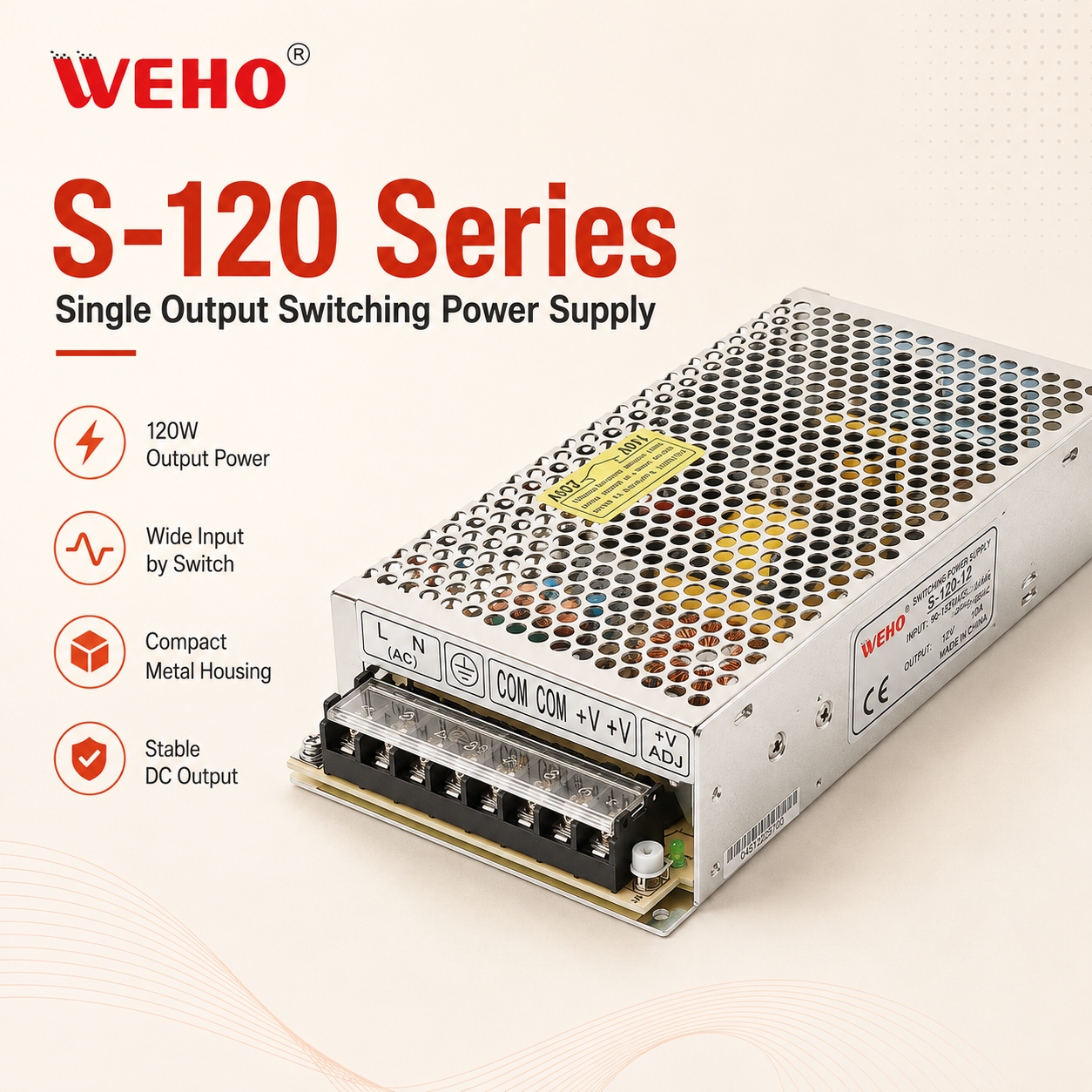
This shift increases duty cycles on inverter auxiliary subsystems. Inverters can no longer afford to "sleep" during cloudy spells or low-generation hours; instead, their communication chips, smart metering modems (RS485/Ethernet/4G IoT), and internal active cooling fans must remain perpetually energized. Chinese manufacturers supplying inverters or peripheral SMPS units to Vietnam must ensure that their auxiliary power modules (such as our S-120 and S-145 series) operate with exceptionally high conversion efficiency (>89%) and ultralow standby power draw under light load states.
Procuring industrial electronics across international borders requires absolute confidence in supplier integrity, manufacturing depth, and verified technical traceability. Established in 2007 in Wenzhou, Zhejiang, Zhejiang Harlon Electronic Co., Ltd. has spent nearly two decades operating at the frontier of high-frequency power electronics. As an SGS on-site assessed manufacturer and an ISO 9001 certified enterprise, our operational model bridges precision Chinese engineering with the strict compliance expectations of Vietnamese EPCs and multinational solar contractors.
Our 10,000 m² workshop, 51–100 technical personnel, and advanced laboratory equipment are physically audited and certified by SGS Group for transparent compliance.
Led by a Chief Technology Officer with three decades of independent power supply design experience, ensuring cutting-edge resonant LLC and flyback circuit reliability.
With 10+ internal automated lines, we perform high-speed surface-mount assembly, auto through-hole insertion, and precision wave soldering entirely in-house.
From custom DC voltage taps (5V, 12V, 15V, 24V, 36V, 48V) to custom cabling, conformal coatings, and buyer branding labels tailored to Vietnamese tenders.
Reliability is not an afterthought; it is built into our factory floor through a systematic, 9-stage quality control process. While trading companies rely on visual spot checks, Harlon operates an internal test facility outfitted with certification-grade diagnostic equipment:
Lightning Surge Generators: Simulating real-world induced lightning spikes up to 4kV/6kV to verify varistor and filter circuit protection under Vietnam's fierce tropical thunderstorms.
Shielded EMC & EMI Test Receivers: Verifying conducted and radiated emissions against EN55032 and CISPR standards, preventing electromagnetic cross-talk with sensitive MPPT controllers and communication gateways.
Dynamic Vibration Measurement: Ensuring mechanical solder joint integrity under transport across rough provincial road networks and ongoing mechanical resonance near heavy industrial machinery.
100% Loaded Burn-In Aging: Every single power unit passes through our multi-rack aging stations under full thermal and electrical load, screening early-life semiconductor infant mortality before packaging.
Clear, definitive technical and commercial answers addressing customs documentation, Form E tariffs, technical compliance, and warranty services.
Yes. Under the ASEAN–China Free Trade Agreement (ACFTA), we routinely issue official Form E Certificate of Origin documents approved by China's customs authorities. This grants Vietnamese importers preferential 0% or substantially reduced customs import tariffs at ports in Hai Phong, Da Nang, and Cat Lai (Ho Chi Minh City).
Our switching power supplies and auxiliary converters feature an ultra-wide universal AC input range of 85VAC to 264VAC (with DC input capability spanning 120VDC to 370VDC). This wide tolerance ensures that sudden midday utility brownouts or surges along Vietnamese rural distribution lines do not interrupt internal DSP controllers or safety relays.
Standard products carry a 2 to 3-year factory warranty with an extended 5-year option for critical infrastructure projects. In the rare event of a field anomaly, we maintain a dedicated technical team to analyze log files within 24 hours. Replacement units or modular spare sub-assemblies are dispatched immediately via DHL/FedEx or consolidated air freight to avoid project downtime.
Absolutely. With 18+ years of OEM expertise, we offer private-label printing, laser-etched metal casings, custom wire harnesses (e.g., JST, Molex, terminal blocks), and specific PCB conformal dipping thicknesses according to your engineering documentation or reference samples.
Our core product families carry full CE (LVD + EMC) certifications, RoHS compliance, and comply with safety directives IEC/EN 62368-1 and EN 55032. Third-party factory assessment reports performed on-site by SGS are readily provided to procurement engineers for tender submission packages.
We accommodate FOB Ningbo / Shanghai, CIF Hai Phong / Ho Chi Minh City, CFR, and EXW. For rapid prototyping and sample validation, express courier services (TNT/DHL/UPS) deliver within 3–5 business days across Vietnam. Payments are supported via T/T, L/C at sight, or secured escrow.
Whether you are designing a new high-efficiency solar inverter, retrofitting an existing utility solar plant in Tay Ninh, or procuring durable auxiliary power modules for Vietnam's C&I rooftop market, our factory-direct engineering team is ready to review your schematics, provide custom samples, and submit formal tenders.