From low-profile control cabinet installations to multi-kilowatt machine drive systems, explore our factory-tested standard and customized switching power supplies engineered to handle the rigorous duty cycles of Nagoya industrial OEMs.
The Chukyo Industrial Zone—spanning Nagoya, Toyota, Kariya, and Komaki—demands strict thermal derating, severe harmonic suppression, and high MTBF due to 24/7 automated production cycles.
Unlike eastern Japan (50Hz Tokyo zone), Nagoya operates on a 60Hz utility grid with widespread dual-bus architectures inside facilities. Production plants switch between 100V single-phase control circuits and 200V/220V 3-phase machinery distribution, requiring wide-input tolerance (85V–264VAC) and robust inrush-current limiters to mitigate line-switch spikes.
Japanese electrical panels (JIS C 8480 standard) maintain sealed, IP54/IP65 ratings to isolate fine metallic particulates, machining oil mist, and humidity. As a result, internal temperatures inside junction enclosures frequently reach +55°C to +60°C. Standard off-the-shelf power supplies often fail prematurely due to thermal capacitor dry-out.
With thousands of multi-axis servo drives and high-frequency inverters running simultaneously on automotive factory floors, electromagnetic radiation can corrupt sensitive PLC bus communications. DIN rail power modules must pass rigorous Class B EMI filtration with advanced double-pi EMI topologies and multi-kV isolation barriers.
Reliable power supplies are invisible until they fail. See where Harlon DIN rail and chassis SMPS systems deliver continuous output across the Chukyo manufacturing ecosystem.
Robotic spot welding and press fixtures experience intense mechanical vibration and intermittent load swings. Our MDR and NDR series DIN rail units provide 150% peak power headroom for 3 seconds, ensuring magnetic contactors, solenoid actuators, and pneumatic valving never drop below actuation thresholds during motor startup.
Machining centers require stable, ripple-free DC rails to feed digital optical encoders, laser tool setters, and feedback sensors. High switching noise introduces micro-inch dimensional inaccuracies. Harlon customized SMPS units deliver ultra-low peak-to-peak ripple (<80mVp-p) under dynamic step-loading.
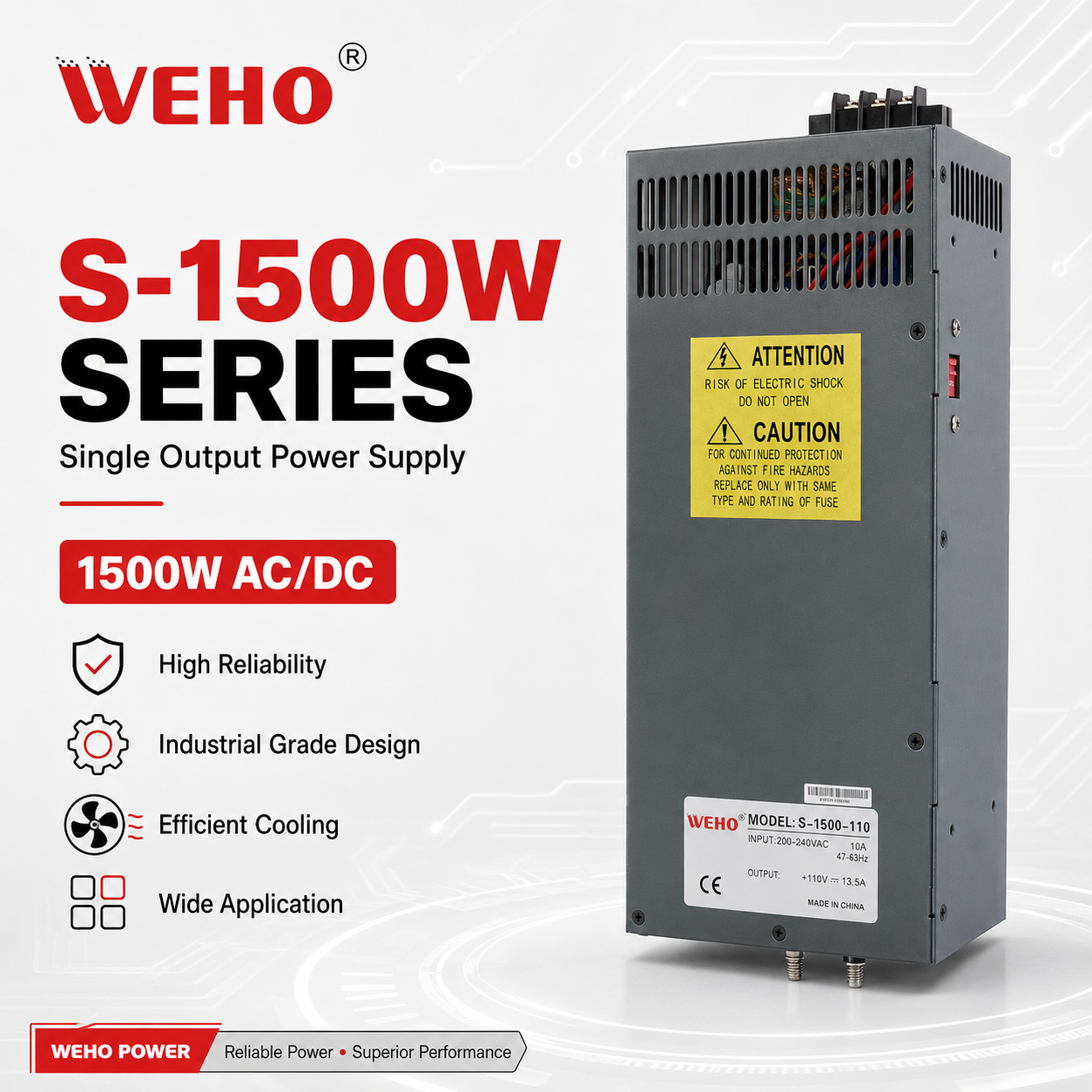
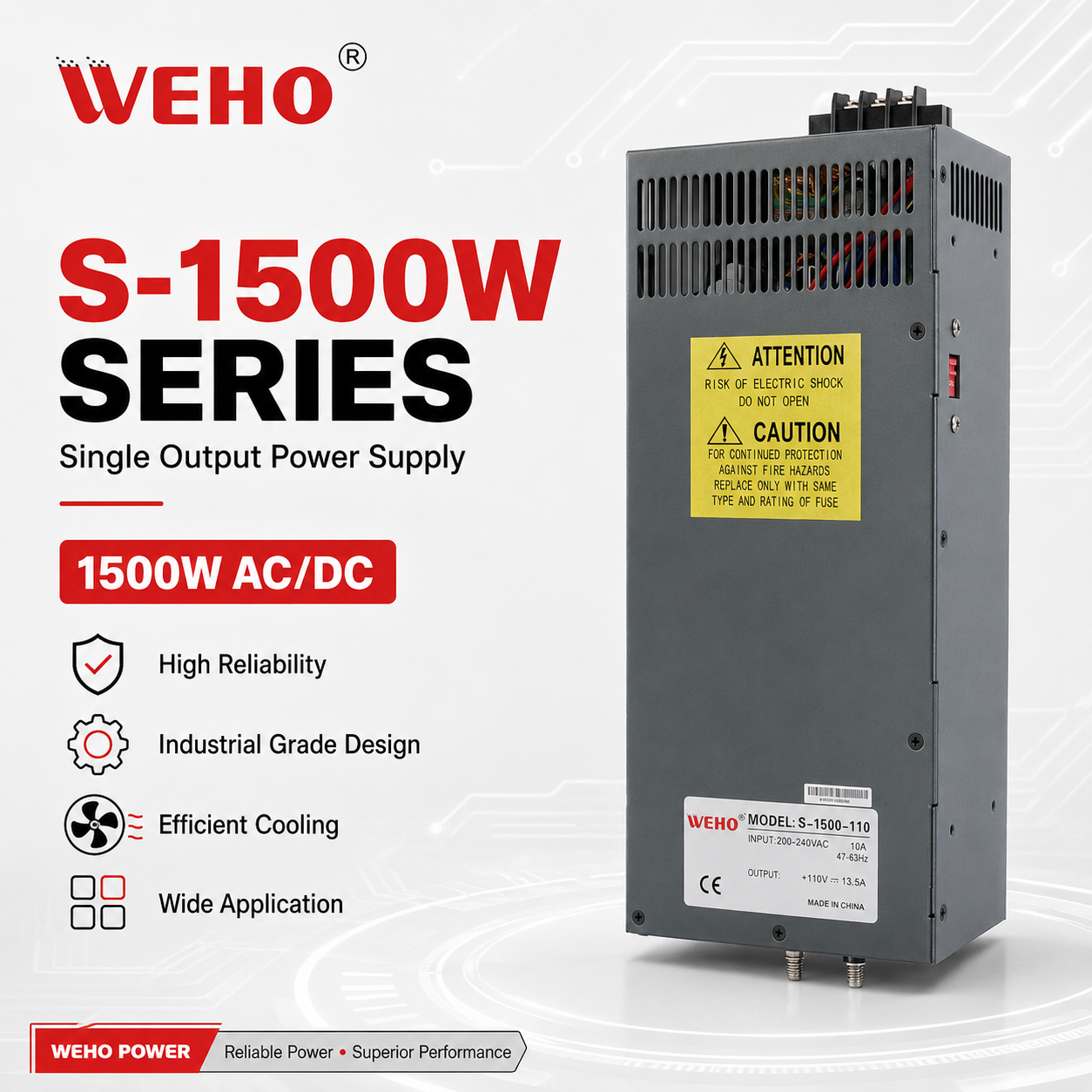
Automated Guided Vehicles (AGVs) operating inside distribution hubs rely on onboard DC-DC converters for logic control, backed by high-power static dock charging units. The S-1500W constant-voltage modules deliver stable high-amperage 24V or 48V output for fast battery top-offs without thermal tripping.
Combining 19 years of power electronics development, SGS-audited workshop infrastructure, and end-to-end manufacturing control to support custom OEM programs across Japan.
Unlike assembly-only vendors, our 10,000m² facility operates automated SMT placement, automated insertion, and double-liquid glue potting machinery for full hardware traceability from bare PCBA to finished product.
Factory premises, employee counts (51–100), and operational capabilities are fully evaluated on-site by SGS Group. Certified quality control protocols govern incoming parts, process checks, and outgoing inspection.
Backed by our chief R&D engineer with 30 years of independent design experience, we customize voltages, non-standard footprints, multi-channel terminal boards, wiring harnesses, and custom private labeling.
Our lab houses high/low temperature chambers, EMI receivers, lightning surge generators, digital storage oscilloscopes, and vibration testers to validate equipment against challenging field environments.
We work closely with overseas engineering teams. Receive fast technical reviews, rapid sample builds, and complete testing documentation with a verified 99% inquiry response rate.
Direct export support via FOB, CIF, CFR, EXW, and DDU. Payments accepted via T/T, L/C, PayPal, and credit card in USD, EUR, JPY, and HKD, streamlining supply line management for Japanese importers.
Clear, technical answers to the most common questions asked by Japanese purchasing departments, factory automation engineers, and machine builders.
Yes. For standalone external power supplies and modules directly plugged into domestic Japanese AC utility mains, we engineer products to meet the Electrical Appliance and Material Safety Law (DENAN / PSE Circular). For built-in component power supplies (組み込み電源) mounted entirely inside machinery control panels, CE (LVD/EMC), UL61010-1, and JIS C standards are applied, backed by official test laboratory reports.
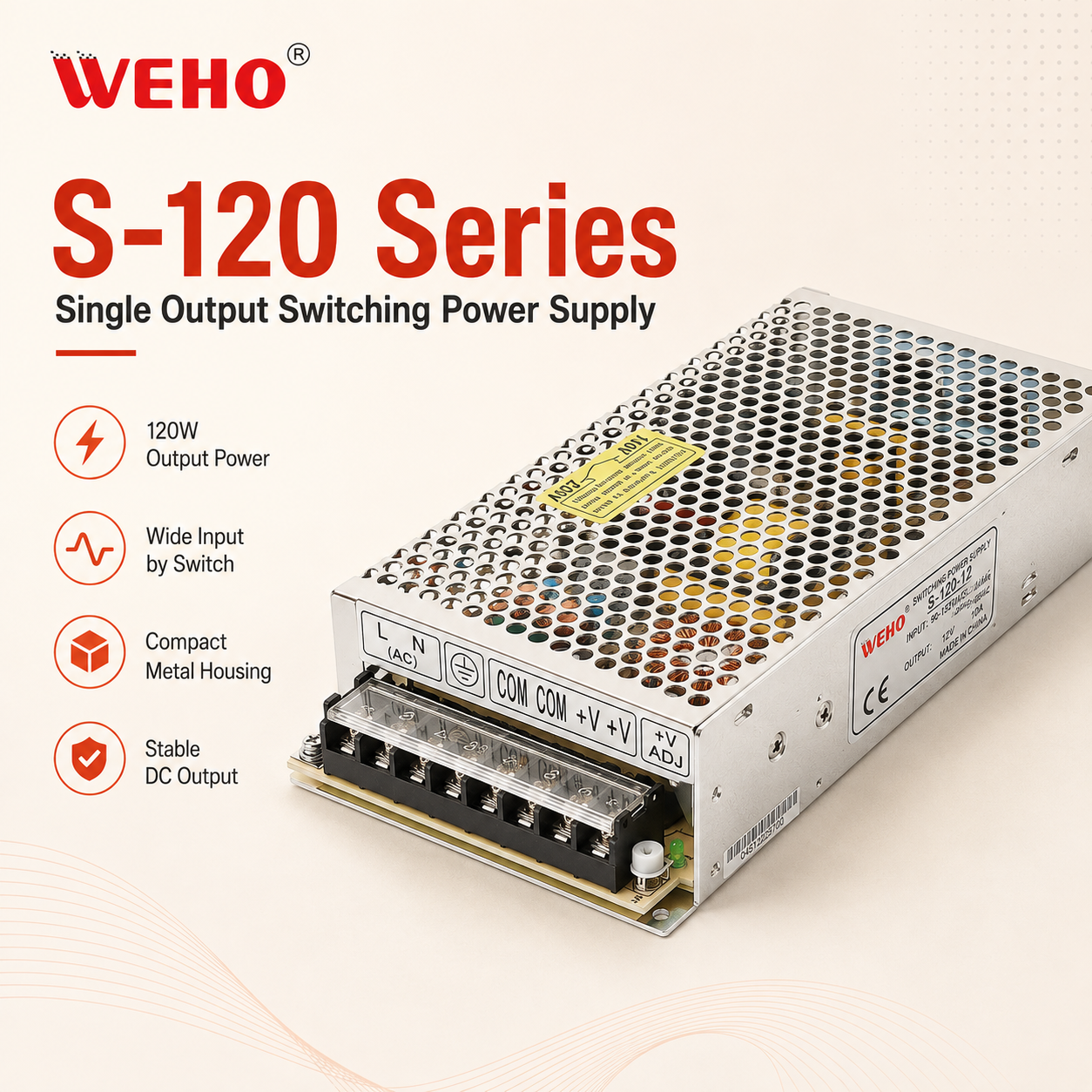
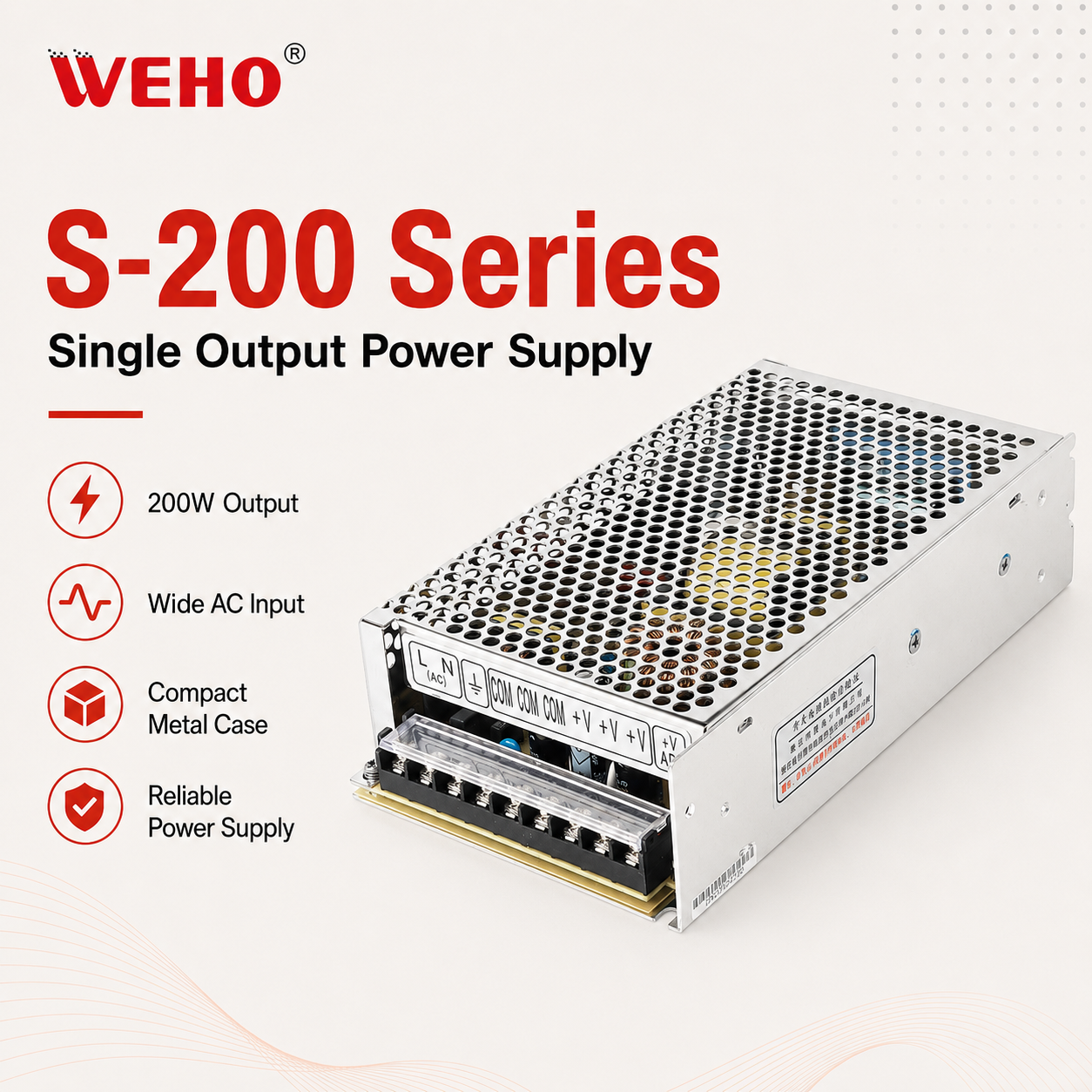
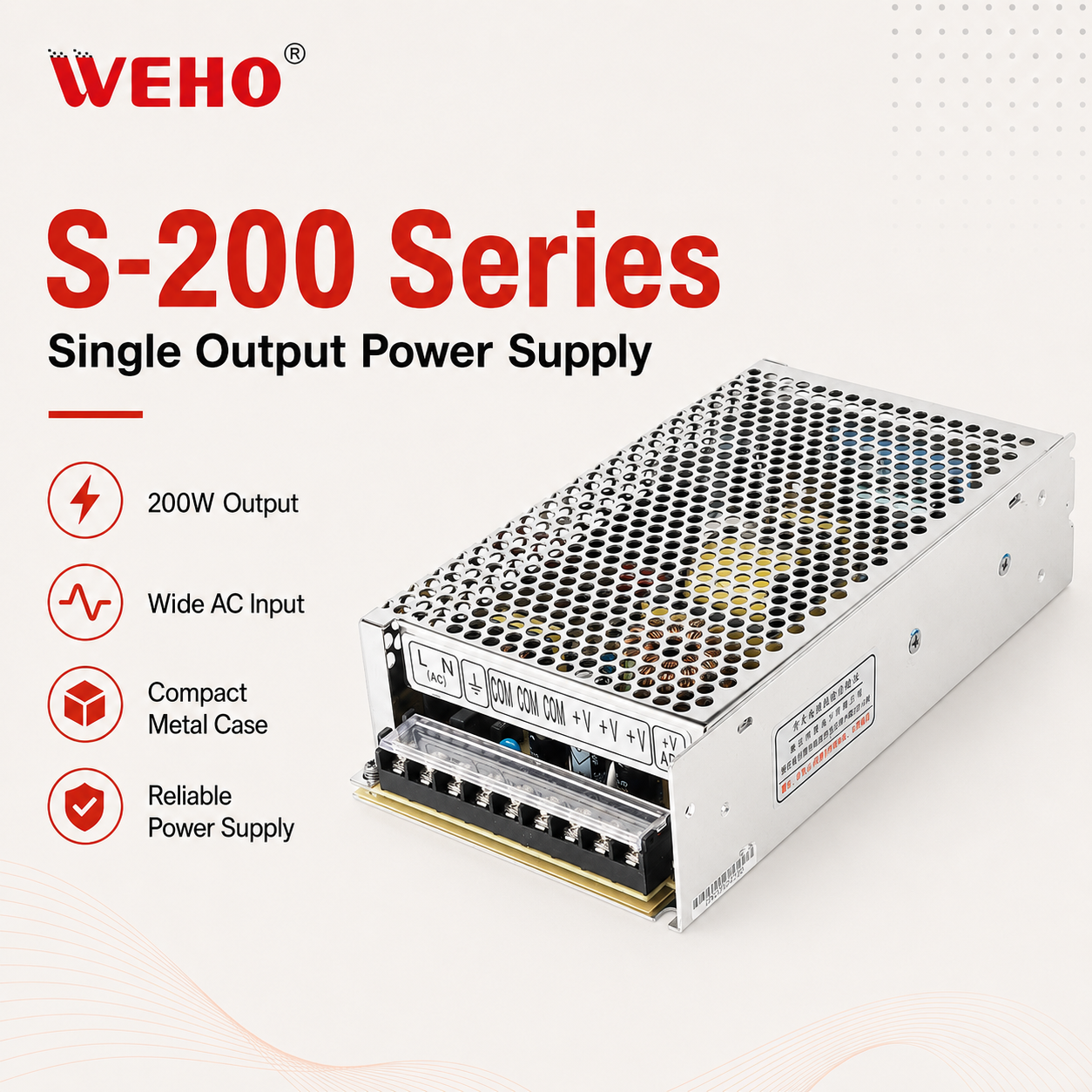
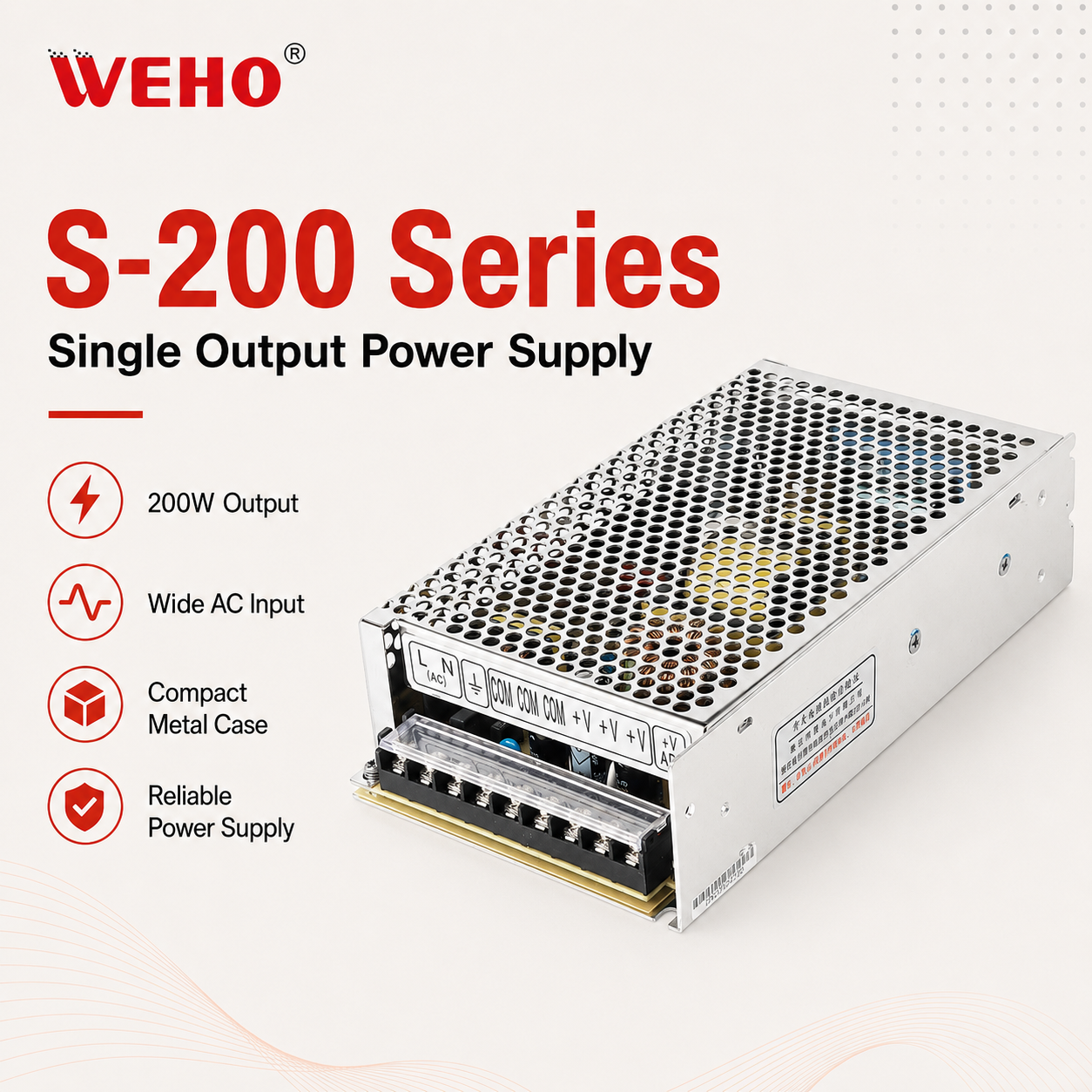
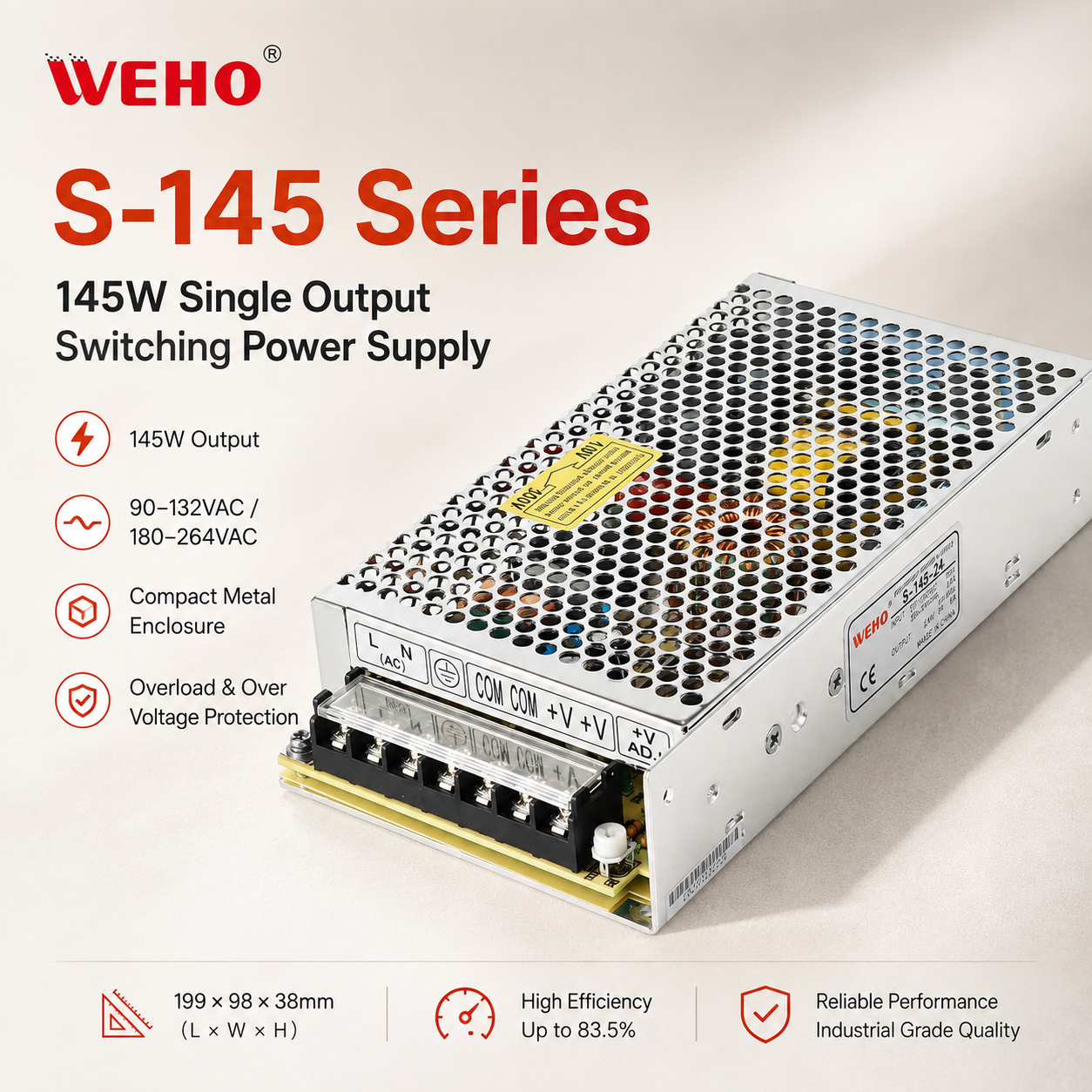
Our standard DIN rail units (MDR, EDR, NDR) and LRS slim enclosed modules feature an ultra-wide universal AC input range (85V–264VAC) with active Power Factor Correction (PFC > 0.95). They switch seamlessly between 100V residential/auxiliary circuits and 200V/220V factory mains without requiring manual toggle switches or jumpers.
Yes. With 18 years of OEM experience, custom mechanical and electrical adaptations are standard practice. We regularly produce units with inverted terminal blocks, IP20 touch-safe push-in spring terminals, custom laser-etched OEM branding, specific packaging barcodes, and custom DC secondary voltage outputs (such as 15V, 36V, 48V, or multi-rail designs).
Every single power supply unit undergoes 100% full-load burn-in testing under elevated temperatures before packaging. In addition, our ISO 9001 workflow integrates on-site incoming component verification (ICT), automated optical inspection (AOI), hi-pot dielectric withstand tests (up to 3kVAC), earth ground continuity checks, and digital ripple/noise analysis.
Standard catalog samples are dispatched within 3 to 5 business days via express air courier (DHL, FedEx) with 2 to 3 day transit to Chubu Centrair International Airport (NGO) or Kansai (KIX). Mass-production OEM batches generally ship within 15 to 25 calendar days, available through direct sea freight to the Port of Nagoya for containerized volumes.
Unlike low-cost power supplies that immediately fold back into hiccup protection under brief current overloads, our industrial power supplies incorporate constant-current limiting with a 130%–150% peak power capability for up to 3 seconds. This design prevents intermittent system resets during heavy solenoid and motor startup cycles.
Discuss your operational voltage, thermal parameters, mechanical profile, or annual volume requirements directly with our technical application engineers. Request free qualification samples, factory audit reports, and formal quotations tailored to your production timeline.