Custom OEM Isolation Transformer Manufacturer & Supplier in the Dominica Market
Precision-Engineered Galvanic Decoupling, Maritime Anti-Corrosion Impregnation, and Harmonic Mitigation Architecture Built for Dominica's Extreme Micro-Grids and Tropical Climate.
19+ YearsPower Electronics R&D
ISO 9001SGS On-Site Audited
100% TestedFull Load & Hi-Pot Proof
10,000 m²Manufacturing Floor
Precision Power Assemblies
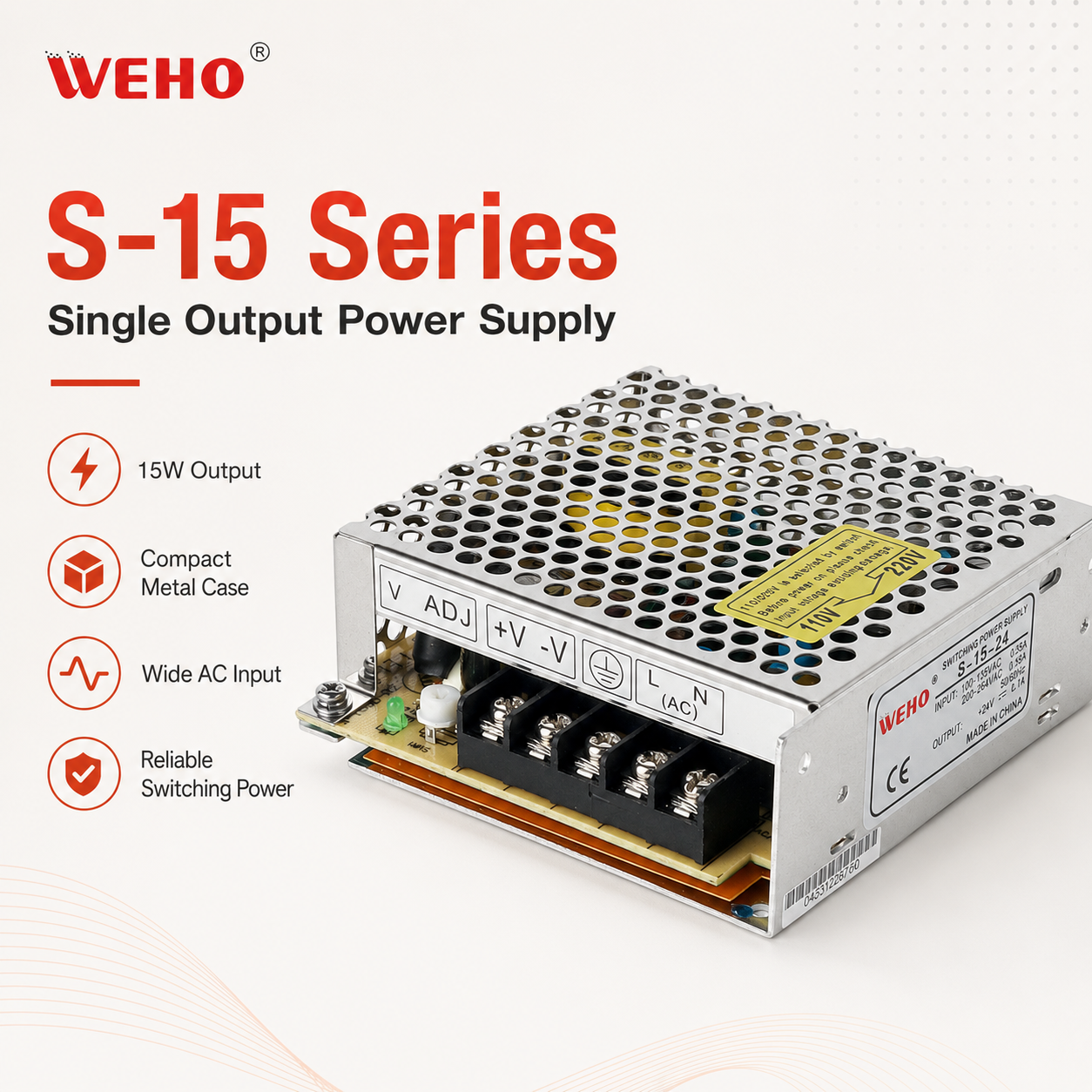
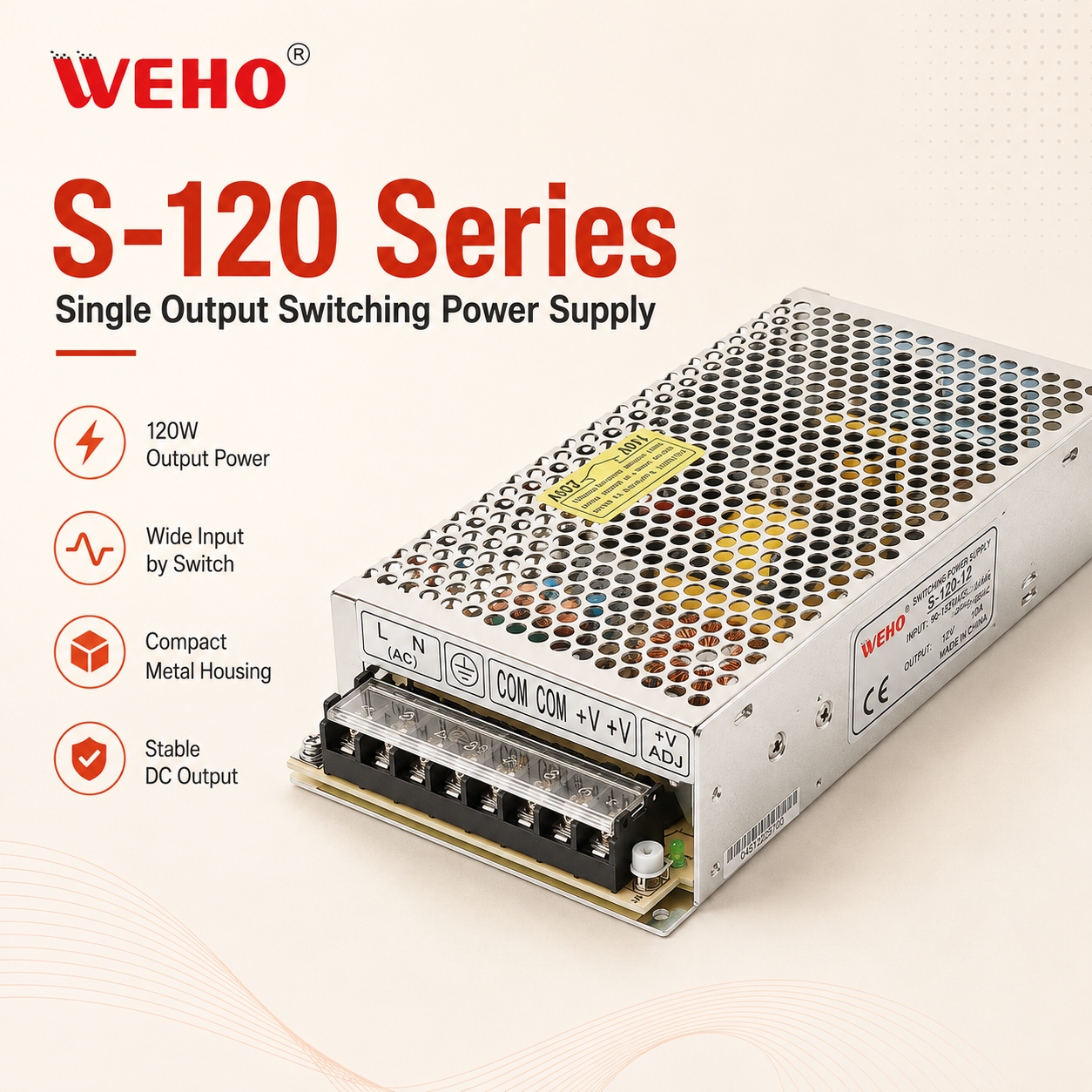
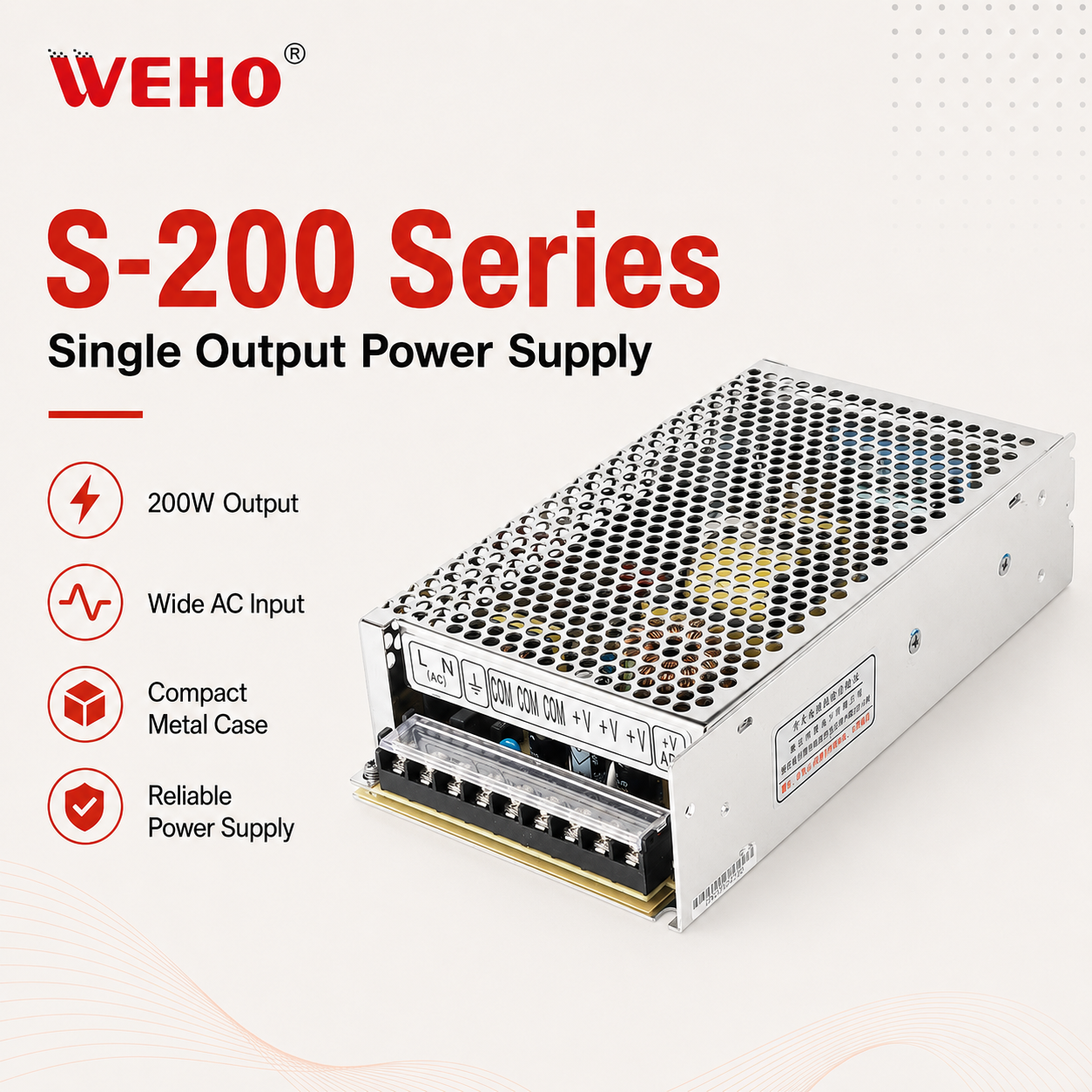
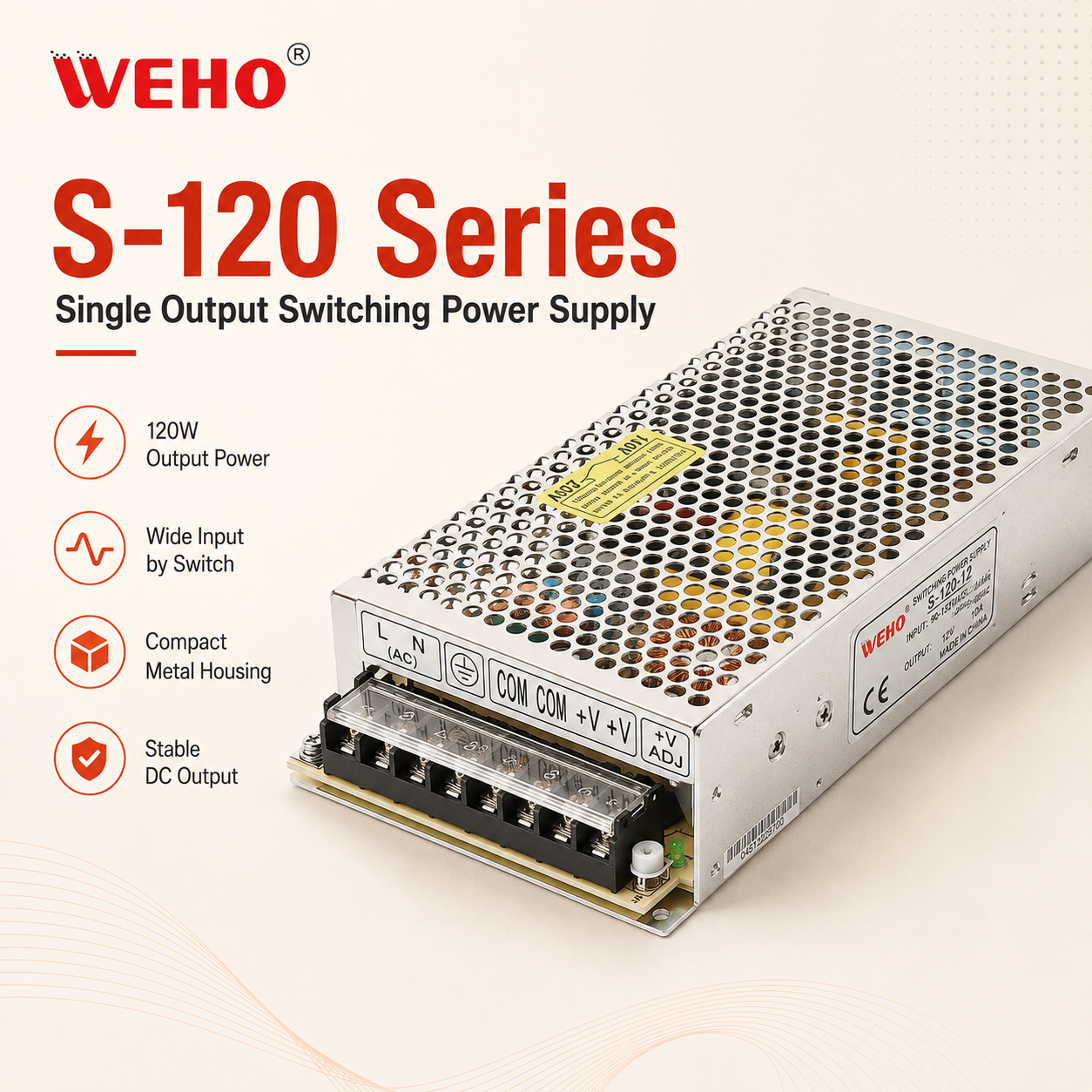
Verified Power Supplies & Custom Isolation Modules
Manufactured under rigorous process controls, our industrial switching supplies and custom galvanic isolation magnetic systems meet strict tropicalized requirements.
Engineering Isolation Transformers for Dominica: Grid Characteristics & Micro-Grids
The Commonwealth of Dominica presents one of the Caribbean's most distinct electrical operational profiles. Dominated by the utility network of DOMLEC (Dominica Electricity Services Ltd.) alongside a growing network of off-grid eco-resorts, marine marinas in Portsmouth, and the capital hub of Roseau, the island's transmission is fundamentally characterized by rugged topography, hydro-turbines, and diesel generators. The expansion of the Roseau Valley Geothermal Project brings massive promise, but also significant transient instability during integration phases.
Industrial machinery, commercial chillers, medical setups, and port logistics in Dominica face recurring challenges: severe voltage spikes caused by lightning across mountain ridges, unmitigated total harmonic distortion (THD), and floating neutral phenomena. For international procurement managers and project contractors operating within the Commonwealth, selecting a standard off-the-shelf step-down or dry transformer often leads to premature core saturation, dialectic insulation breakdown, and erratic controller reboots.
Technical Principle: A purpose-engineered Isolation Transformer provides physical, magnetic galvanic separation between input (primary) and output (secondary). By terminating the primary common-mode loop and re-establishing a local, bonded neutral point on the secondary, it prevents ground faults from propagating between DOMLEC supply feeds and sensitive automated infrastructure.
Our custom OEM isolation solutions feature vacuum pressure impregnation (VPI) with marine-grade Class H resins. In coastal locales like Portsmouth and Woodbridge Bay, salt-laden sea air combined with relative humidity consistently exceeding 85% quickly oxidizes standard core iron and ruins poorly insulated winding turns. Our engineering team incorporates Faraday shielding (electrostatic shields between windings) to shunt high-frequency capacitive noise straight to earth ground, guaranteeing common-mode noise suppression exceeding 100 dB.
Field Deployments
Localized Application Scenarios in the Dominica Market
From eco-tourism reserves in the Morne Trois Pitons buffer zones to heavy marine slipways, our galvanic decoupling transformers resolve crucial electrical failure vectors.
Geothermal Plant Auxiliary Controls
Providing high-dielectric galvanic decoupling for monitoring computers, SCADA telemetry, and valve positioners deployed across the Roseau Valley geothermal wells, insulating electronics from large switching surges.
Marine & Harbor Shore-to-Ship Power
Installed at Woodbridge Bay Port and Cabrits Marina, our marine transformers eliminate galvanic corrosion between steel yacht hulls and shore earth grids while converting erratic harbor feeds safely.
Hospital & Diagnostic Clinic Isolation
Delivering pristine, zero-leakage medical-grade isolation for diagnostic imaging, surgical suites, and laboratory cold chains in Roseau, preventing common-mode noise from corrupting bio-signals.
Commercial Eco-Resort Hybrid Microgrids
Seamlessly conditioning power between steep solar PV inverter outputs, micro-hydro generators, and backup diesel sets, dampening destructive third-order harmonics that destroy motor coils.
Agro-Processing & Essential Oil Refineries
Guarding heavy motors, centrifuge extractors, and automated bottling lines for bay leaf and citrus production against severe brownout dips and lightning transients endemic to mountainous farming districts.
Dominica Energy Evolution: Strategic Trends Shaping Procurement
As the Commonwealth of Dominica accelerates its mandate to become the world's first fully climate-resilient nation, major structural pivots are directly impacting how electrical infrastructure is specified. Procurement specialists must align their purchases with three prevailing technical vectors:
1. Geothermal Baseload Expansion: The commissioning of production wells in Laudat and Wotten Waven represents a fundamental shift away from imported fuel oil. However, the high-voltage transmission over mountainous terrains down to the western coast causes substantial voltage regulation challenges during high fault conditions. Transformers require custom primary multi-taps (±2.5%, ±5%) to allow field technicians to trim voltages accurately on site.
2. Decentralized Renewable Microgrids: In remote regions like Grand Bay and the Kalinago Territory, microgrids combining battery energy storage systems (BESS) and rooftop solar are multiplying rapidly. Because high-density battery inverters inject high-frequency harmonic distortion back into the line, our K-Factor rated (K-13, K-20) isolation transformers are engineered to handle eddy-current losses without overheating.
3. Rigorous Anti-Corrosive Hurricane Standards: Following the catastrophic damage of Hurricane Maria, construction standards across the island prioritize equipment built in heavy NEMA 3R or 4X 316 stainless-steel outdoor enclosures with wind ratings capable of surviving tropical storms and severe humidity.
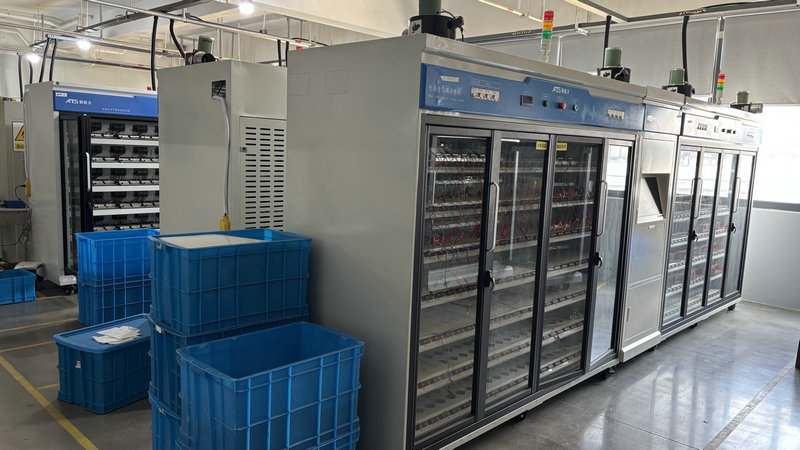
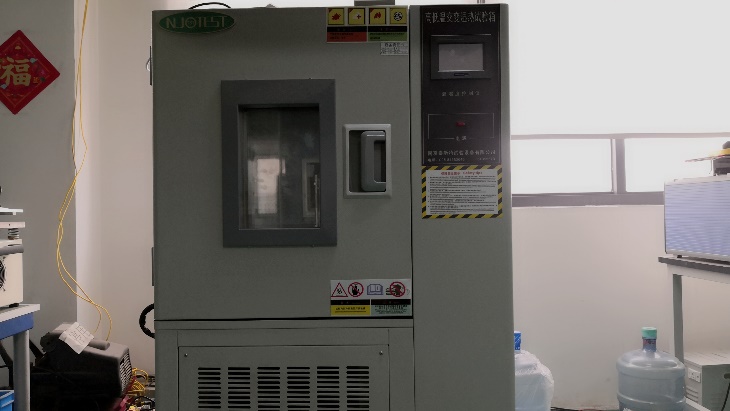
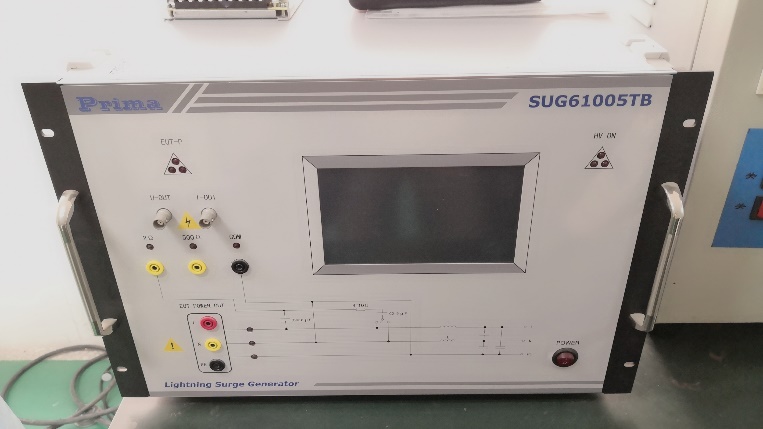
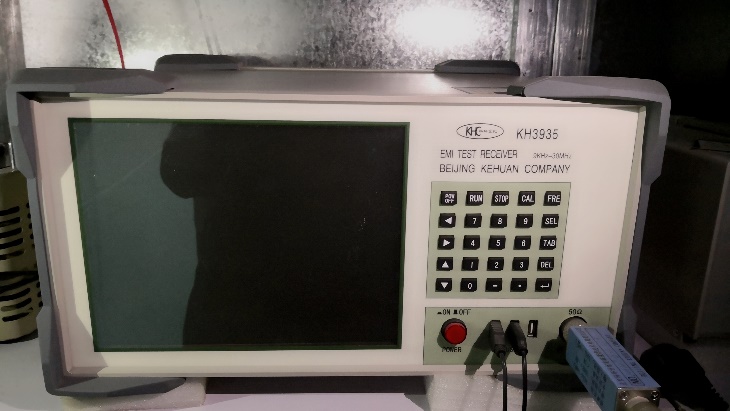
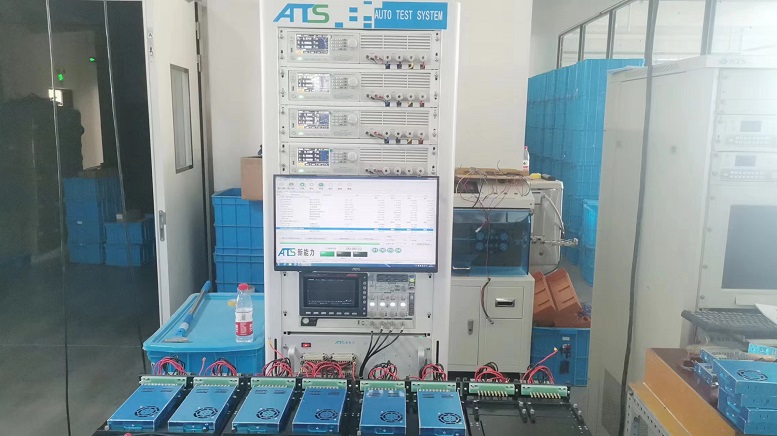
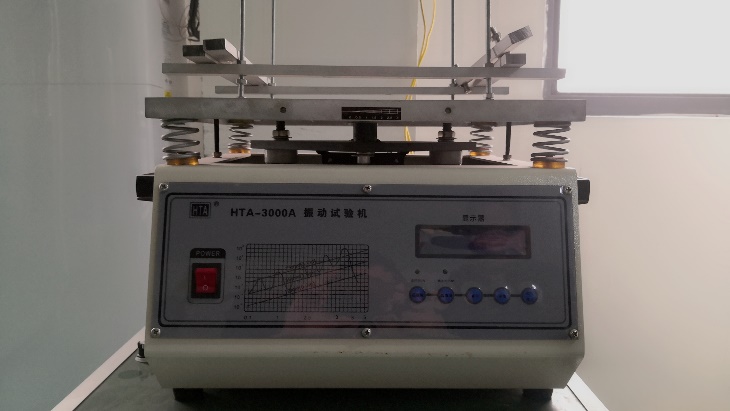
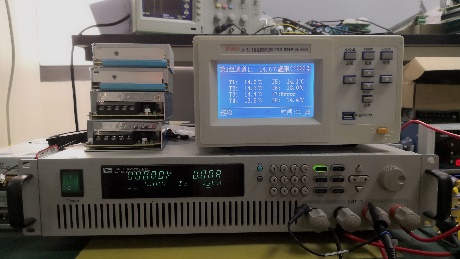
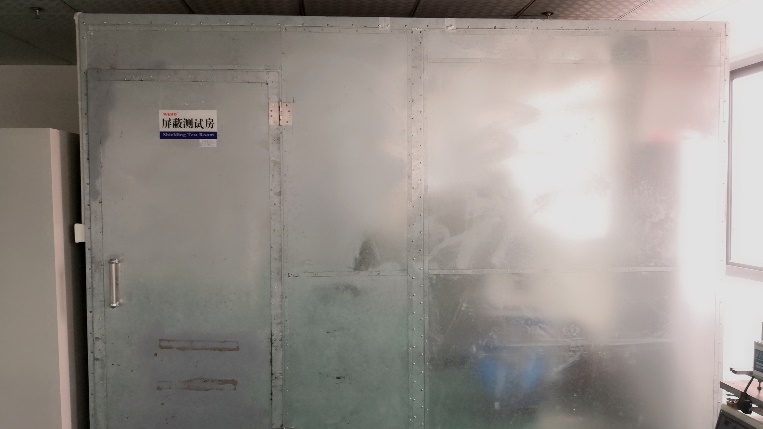
With an ISO 9001 quality system and on-site factory assessment by SGS Group, every custom unit undergoes exhaustive verification in our specialized laboratories before export packaging.
100% Loaded Burn-in Aging
High/Low Thermal Chamber
Lightning Surge Generator
Conducted EMI Receiver
High Voltage Hi-Pot Verification
Vibration Dynamic Testing
Electronic Regulation Load
Anechoic Shielding Room
Zhejiang Harlon Electronic: Your Reliable OEM Manufacturing Partner
Operating from our dedicated 10,000 m² state-of-the-art facility in Wenzhou, Zhejiang, China, Zhejiang Harlon Electronic Co., Ltd. has stood as a global leader in high-reliability power solutions since 2007. With over 18 years of uninterrupted foreign trade export performance, our manufacturing footprint encompasses over 10 fully automated production lines, incorporating precision SMT placement, automatic lead insertion, computerized dual-liquid resin potting, and robotic wave soldering.
Our engineering direction is steered by an R&D team bringing nearly three decades of power design mastery. Backed by 31 long-term vetted component suppliers, an annual output ranging between US$5M and US$10M, and a consistent 4.8/5 international buyer evaluation metric, we possess the scale, testing apparatus, and supply chain maturity to fulfill demanding custom projects on scheduled lead times.
Procurement Intelligence
Frequently Asked Questions by Dominica Electrical Engineers & Buyers
Addressing essential technical considerations regarding island shipping, grid frequency matching, and local utility regulations.
How do your isolation transformers handle the standard DOMLEC 50Hz frequency and voltage variations?
Dominica utilizes a 230V single-phase / 400V three-phase 50Hz distribution standard. Because standard 60Hz magnetic cores overheat when subjected to 50Hz power due to higher magnetic flux density, our custom transformers are engineered specifically with lower flux core steel (grain-oriented silicon laminations) and calculated winding volume to ensure cool, efficient operation at 50Hz.
Can you supply transformers resistant to Portsmouth and Roseau coastal salt-spray corrosion?
Yes. All transformers intended for Caribbean coastal service receive multiple dips of high-grade Class H polyester varnish through Vacuum Pressure Impregnation (VPI), followed by an anti-fungal, moisture-proof tropical topcoat. External hardware utilizes passivated 304 or 316 stainless steel, and enclosures are available in powder-coated galvanized steel or full marine-grade stainless steel.
What is the primary difference between a step-down auto-transformer and your isolation transformer?
An auto-transformer shares a single common winding between input and output, providing voltage adjustment but zero physical decoupling. If an incoming lightning strike or utility ground fault strikes the primary, it passes straight through to your equipment. An isolation transformer uses completely independent, insulated windings, physically stopping voltage spikes and allowing clean, local bonding of neutral to earth.
What export incoterms and logistics routing are standard for shipments to Dominica?
We regularly export under CIF Woodbridge Bay Port (Roseau) or FOB Ningbo/Shanghai terms. For urgent engineering replacements, DDU or air freight via Melville Hall (Douglas–Charles Airport) can be coordinated. Shipments are packaged in fumigated solid-timber crates with moisture-barrier wrapping and shock sensors to survive ocean transit.
Can custom primary/secondary voltage taps be configured for fluctuating rural micro-grids?
Yes. We provide configurable primary multi-tap terminals (such as ±2.5%, ±5%, or custom steps like 220V/230V/240V). This lets plant engineers adjust the tap settings to maintain an exact secondary output voltage even when the primary supply experiences seasonal or geographic line drop across long distribution runs.
Request Your Custom Engineering Catalog & Quotation
Connect with our technical design team to review wiring schematics, thermal profiles, and K-Factor ratings tailored for your project in the Dominica market.
 Deutsch
 Español
 Français
 Português
 Italiano
 Русский
 العربية
 Türkçe