Engineered for high dielectric insulation, low harmonic distortion, and continuous sub-zero duty cycles within Oslo's public and commercial charging infrastructure.
As the undisputed electric vehicle capital of the globe, Oslo operates under unique environmental, regulatory, and electrical conditions that demand uncompromising power electronics. In the Greater Oslo Region (including Viken), battery electric vehicles (BEVs) consistently account for well over 90% of new passenger vehicle registrations. With the municipality mandating zero-emission public transport, zero-emission delivery zones, and comprehensive commercial fleet electrification, the uptime requirements placed upon EVSE (Electric Vehicle Supply Equipment) have shifted from commercial convenience to mission-critical municipal infrastructure.
Behind the high-power DC fast-charging rectification stages (often rated at 150 kW, 300 kW, or the latest 400 kW MCS megawatts chargers), the internal auxiliary switching power supply (APS) represents the single most critical determinator of system reliability. If the auxiliary power module drops below rated voltage or collapses during cold-temperature inrush, the entire charging station fails: the open charge point protocol (OCPP) gateway severs connection with central management software (CSMS), the ISO 15118 vehicle communication controller (VCC) drops PLC handshakes, and contactor holding coils fail to engage, stranding drivers in sub-zero Nordic winters.
A distinctive technical nuance confronting electrical engineers in Norway is the prevalence of the 230V IT (Isolated Terre) grounding system. Unlike mainland Europe and the United Kingdom, where the 400V TN-S or TN-C-S multi-grounded neutral configurations dominate, approximately 70% of the Norwegian low-voltage electrical distribution network utilizes the IT topology. In an IT grid, the transformer neutral is either completely isolated from earth or connected via a high grounding impedance (such as a disconnector), while consumer equipment chassis are independently bonded to local ground electrodes.
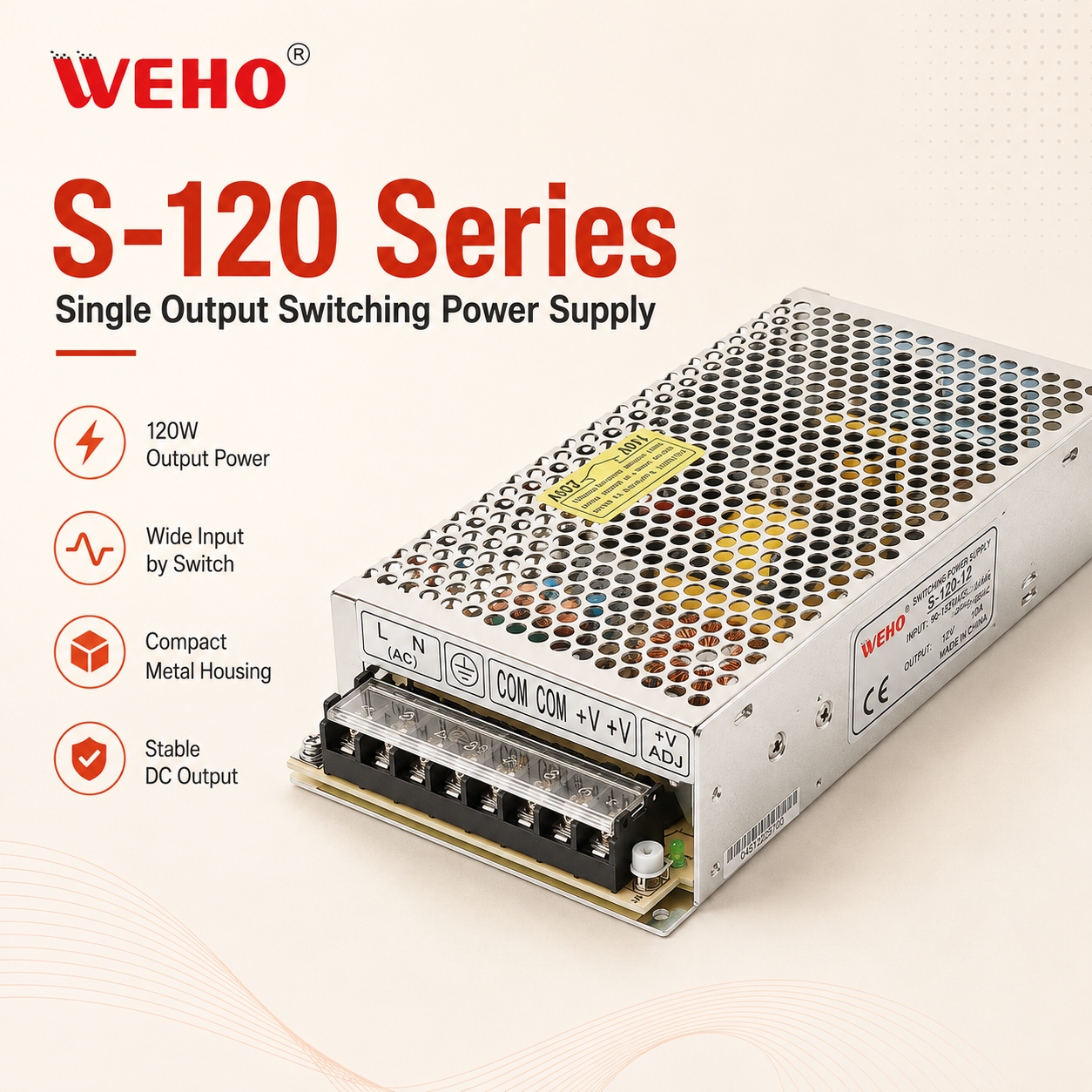
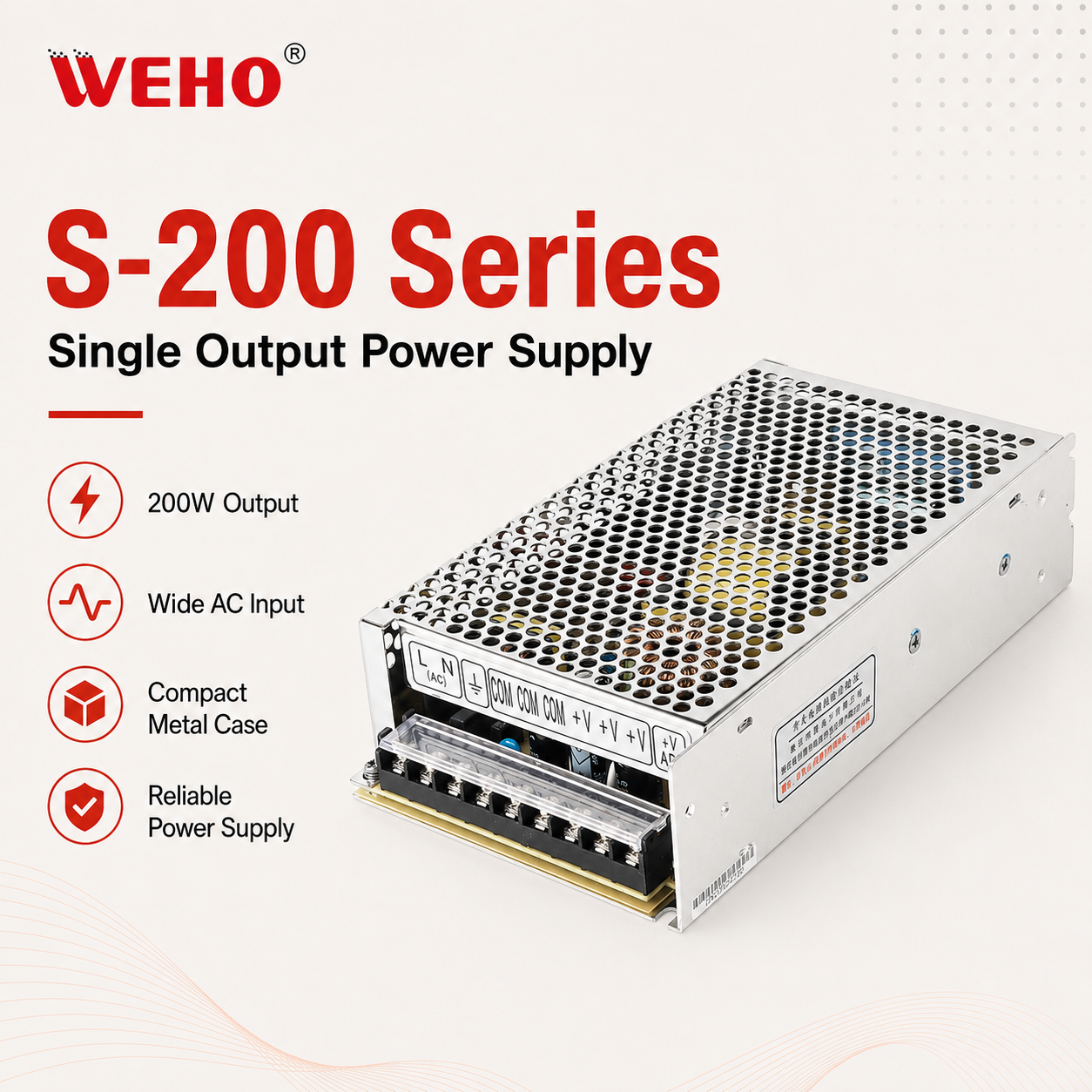
Our industrial switching power supply units—such as the S-120 and S-200 families—incorporate customized varistor configurations and enhanced creepage/clearance design (≥ 8.0mm primary-to-secondary spacing), ensuring fault-tolerant operation even when Norwegian transformers encounter localized phase imbalances or lightning surges induced across overhead transmission lines in Viken's mountainous peripheries.
The average winter ambient temperature across the Oslofjord and inland Akershus frequently hovers between -10°C and -25°C, with localized frost depressions reaching -35°C during Arctic blast events. Conventional commercial SMPS units fail precipitously in such thermal regimes due to:
Electrolyte Solidification in Capacitors: Standard commercial aluminum electrolytic capacitors experience drastic rises in Equivalent Series Resistance (ESR) when temperatures dip below -20°C, causing voltage ripple to spike beyond 1,000mVp-p. This excessive ripple reboots low-voltage logic controllers and introduces bit errors on the Controller Area Network (CAN) bus. Our power supplies use imported solid-state conductive polymer capacitors and specialized low-temperature wet electrolytics rated down to -40°C.
Magnetic Saturation & Soft-Start Failure: At sub-zero temperatures, ferrite core permeability shifts, causing transformer saturation during the initial pulse-width modulation (PWM) ramp-up. Harlon's engineering team custom-winds high-grade magnetic cores with calibrated NTC thermistors and dual-stage soft-start ICs, preventing nuisance tripping of upstream Type B residual current devices (RCDs) during rapid sub-zero cold-starts.
Condensation and Freeze-Thaw Stress: The Oslo climate cycle features rapid transitions between sub-zero nights and daylight freeze-thaw cycles, generating internal enclosure condensation. We provide high-reliability conformally coated printed circuit boards (Parylene or automotive-grade silicone potting), insulating against dendritic growth and preventing dielectric breakdown across tightly spaced SMD pins.
| SMPS Feature Parameter | Standard Commercial SMPS | Harlon Sub-Zero Nordic Spec | Impact on Oslo EVSE Reliability |
|---|---|---|---|
| Operating Temp Range | -10°C to +50°C | -40°C to +70°C (Guaranteed Cold Start) | Eliminates internal pre-heating cabinet energy waste |
| Dielectric Withstand (Hi-Pot) | 1,500V AC Primary to Earth | 3,000V AC Primary to Secondary / 2,000V AC to Earth | Prevents flashover on 230V IT floating neutral networks |
| Output Ripple & Noise | < 150mV @ 25°C (>800mV @ -20°C) | < 80mV RMS across full -40°C to +70°C band | Protects Linux-based OCPP single-board computers (SBC) |
| PCBA Protection | Uncoated / Partial dip | IPC-CC-830 Dual Conformal Coating / Potting | Resists salt mist from Oslofjord maritime air & frost |
| Inrush Current Limiter | Basic single NTC thermistor | Active Triac/Relay + NTC Inrush Suppression | Protects sensitive Norwegian MCBs from spurious trips |
Modern Level 2 commercial AC chargers and Level 3 DC rapid chargers engineered in Scandinavia utilize multi-tiered DC distribution rails within the cabinet. Selecting the correct switching power supply wattage and topology depends directly upon the target subsystem architecture:
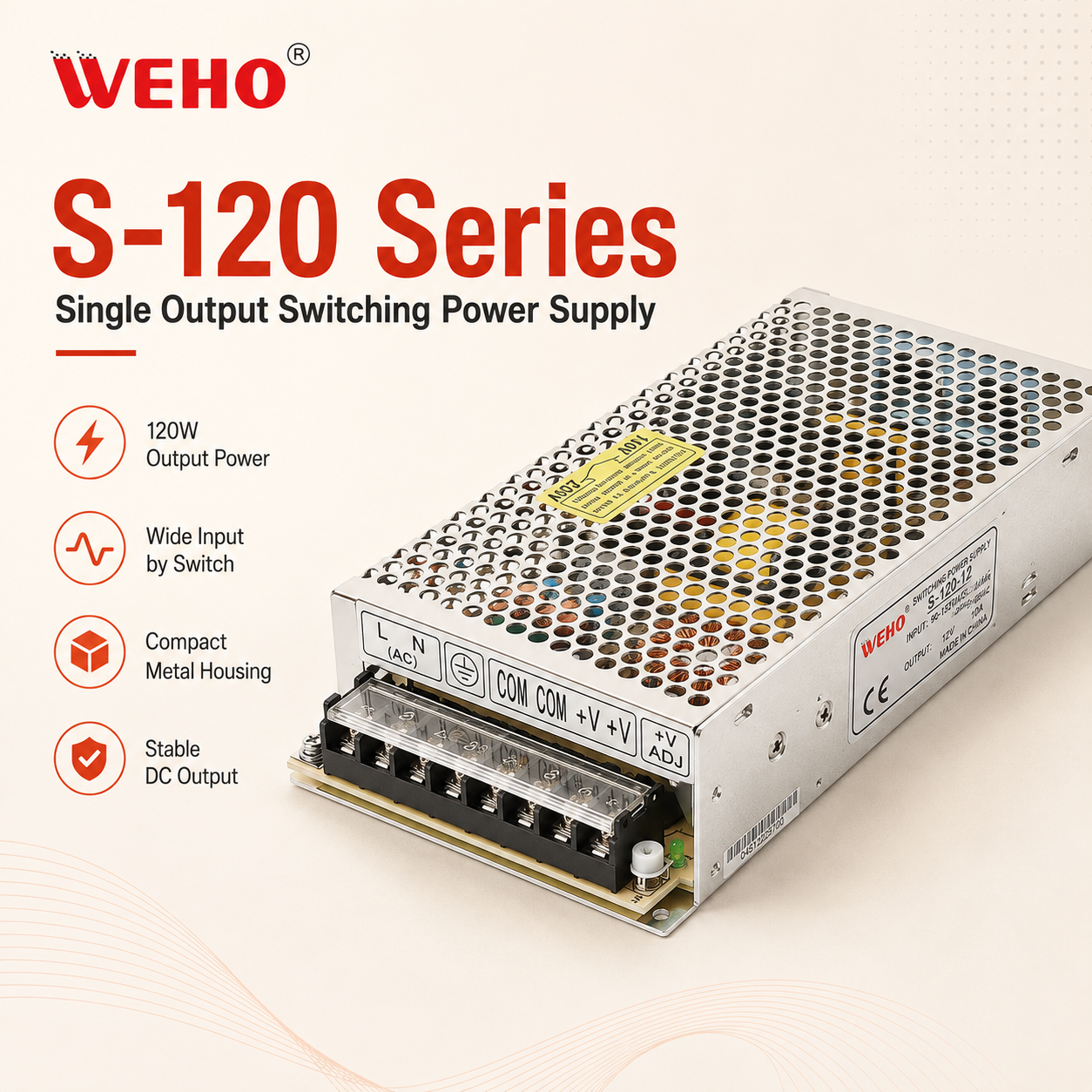
12V DC Auxiliary Rails (Logic, Communications, Telematics): Powering the master controller running embedded Linux or RTOS, cellular 4G/5G modems, OCPP 2.0.1 communication stacks, ISO 15118 PLC modem transceivers, and RFID / NFC contactless payment terminals (e.g., BankAxept, Apple Pay). Our 120W models provide ultra-clean, ripple-damped 12V rails with MTBF exceeding 350,000 hours.
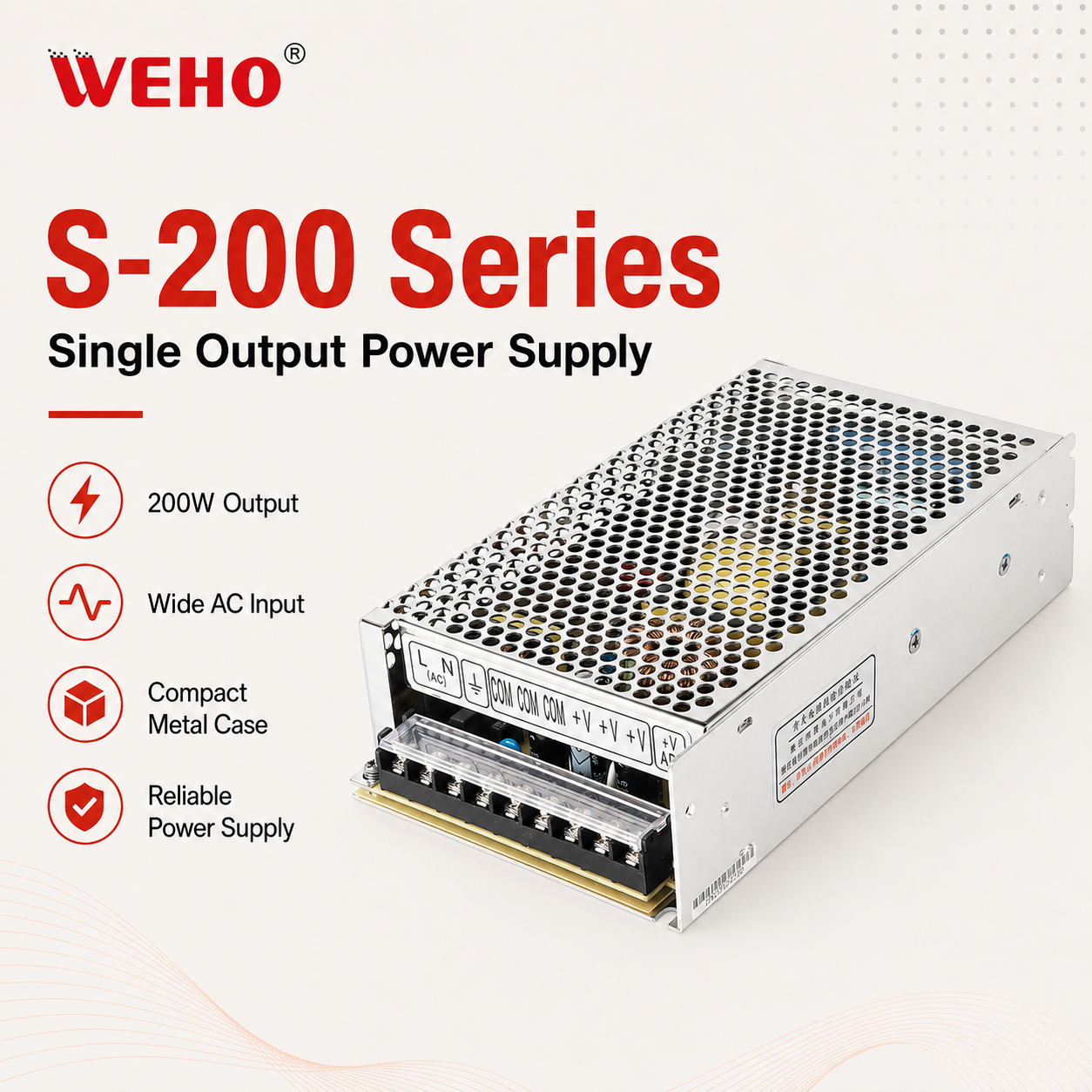
24V DC Industrial Bus (Safety Relays, Contactors, Actuators): High-voltage DC charging demands the rapid engagement and disengagement of heavy-duty vacuum or gas-filled contactors rated up to 500A. The coil hold-in and pickup current requires immense short-term peak stability. Units like the S-200-24 deliver up to 8.5A with dynamic overload margins, ensuring contactors never chatter—a critical factor in preventing contact welding and catastrophic arc-flash faults.
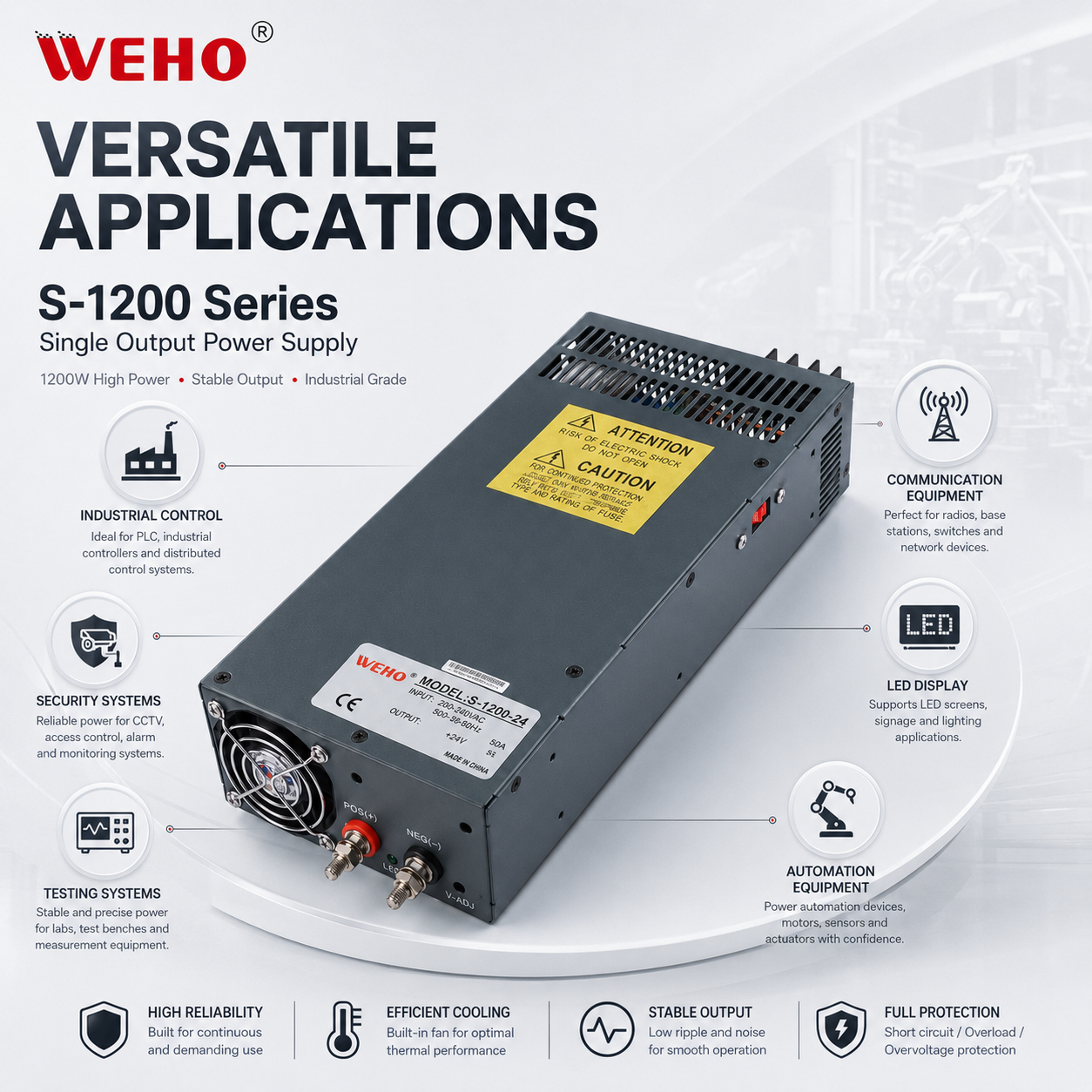
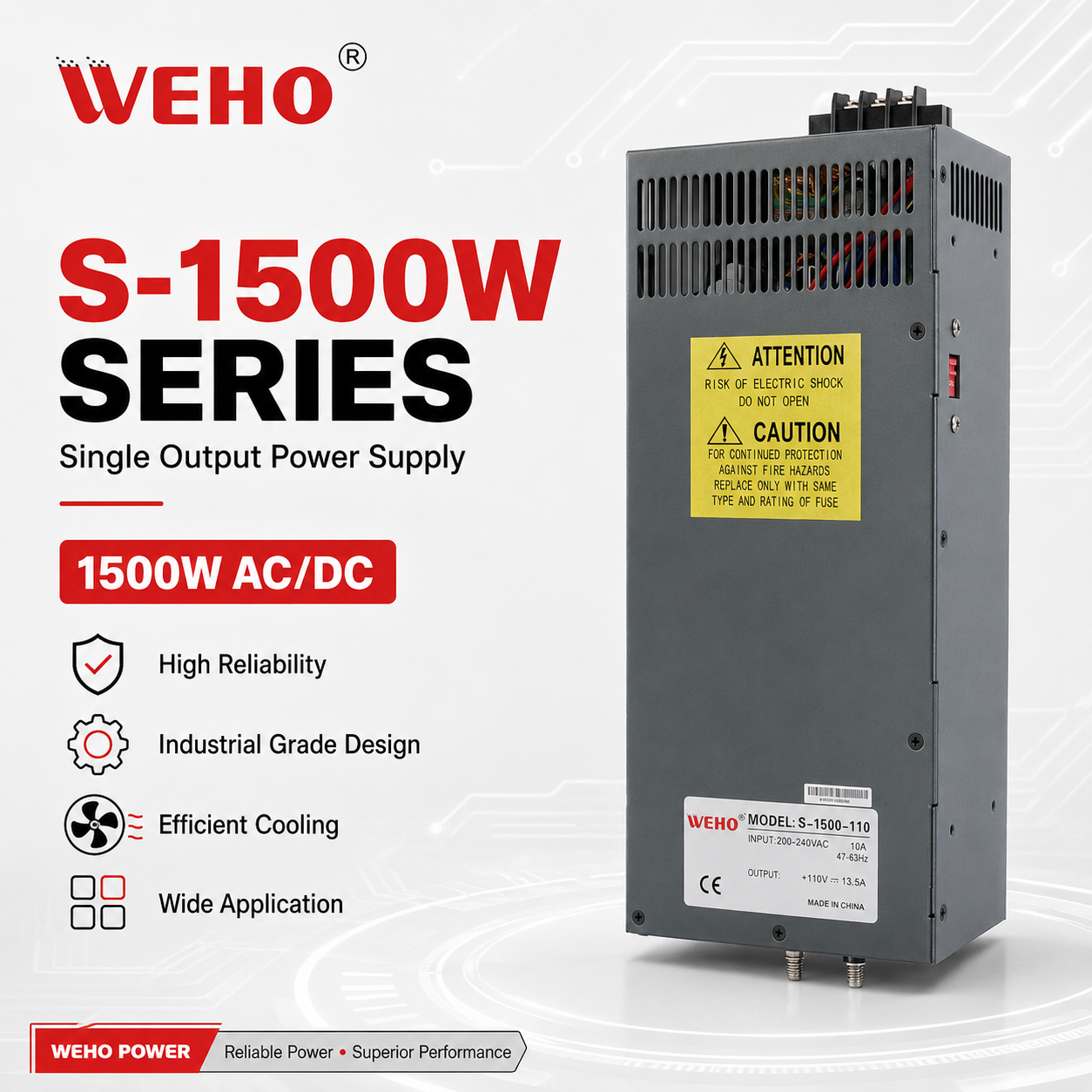
48V DC Auxiliary Power (Liquid Cooling Pumps & Cable Chillers): Megawatt and high-power ultra-fast dispensers (350kW+) utilize liquid-cooled CCS2 charging cables to keep cable diameters ergonomic for drivers. Liquid-to-air heat exchangers and positive-displacement coolant pumps run primarily on high-efficiency 48V brushless DC (BLDC) motors. Our S-1200-48 and S-1500-48 high-power SMPS modules deliver up to 32A continuous current with built-in active Power Factor Correction (PFC > 0.98), reducing harmonic distortion to comply with Statnett and Elvia grid codes.
Field-proven switching power solutions installed across residential parking co-ops, municipal high-speed hubs, and maritime logistics terminals.
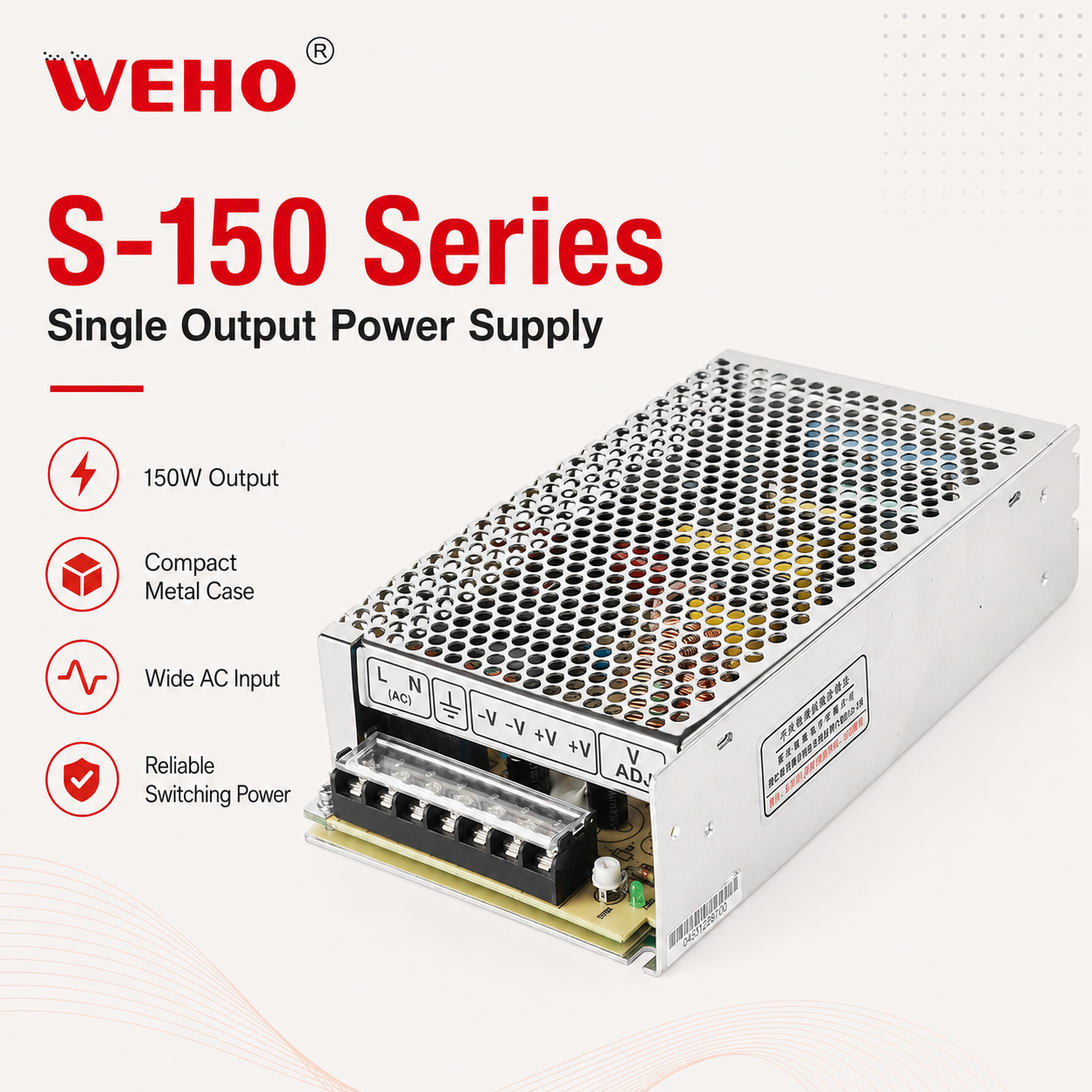
Large residential underground car parks throughout Oslo (Grünerløkka, Majorstuen, Frogner) feature unified dynamic load balancing across 50 to 200 AC wallboxes. Our enclosed, fanless WEHO S-150-24 and S-120-24 power supplies offer zero acoustic emission, allowing continuous, silent operation directly beneath residential dwellings.
Key transit corridors including the E6 south towards Gothenburg and the E18 corridor demand rapid multi-vehicle charging throughput. In 300kW+ split-architecture cabinets, our S-1200-48 and S-1500-48 units power active chiller systems, ensuring high-current CCS2 cables remain below the 65°C safe touch threshold.
Oslo Port's Sydhavna container hub is moving to 100% electrified heavy trucks and automated guided utility vehicles (AGVs). These mission-critical depots deploy high-power auxiliary rails with dual-redundant SMPS configurations, ensuring that telematics handshakes and vehicle safety interlocks maintain uninterrupted operation.
The pace of electrification in Norway is expanding rapidly beyond private passenger transport. The Norwegian Parliament (Stortinget) set goals that all new urban buses must be zero-emission, with heavy-duty construction machinery and regional transport following suit under Oslo's "Climate Strategy 2030". This transition imposes rigorous technical evolution on EV power supply suppliers:
Public procurement mandates in Oslo require native support for ISO 15118 "Plug & Charge" and bidirectional Vehicle-to-Grid (V2G) power transfers. These standards demand cryptographic coprocessors, secure hardware elements, and higher computational overhead at the charge controller level. The auxiliary power supply must maintain an impeccably low noise floor (< 1% total ripple peak-to-peak) to prevent data packet drops during low-level PLC signal modulation on the pilot wire (CP line).
With electricity spot prices fluctuating dynamically across the Nord Pool exchange, charging operators in the NO1 (Oslo) bidding zone are hypersensitive to auxiliary parasitic loads. When an EVSE sits idle awaiting a vehicle, its internal electronics continue drawing power. Modern high-efficiency switching topologies engineered by Harlon feature resonant LLC half-bridge circuits and synchronous rectification, slashing no-load standby dissipation to less than 0.5W. This yields massive operational savings across networks operating thousands of distributed charge points.
To mitigate high peak demand surcharges levied by local grid operator Elvia, newer charging plazas throughout Oslo integrate stationary battery storage and solar arrays. Auxiliary power supplies within these next-generation microgrids must feature wide DC input capabilities (operating seamlessly across both 120–370V DC and 85–264V AC), permitting direct tapping from DC microgrid buses during utility outages.
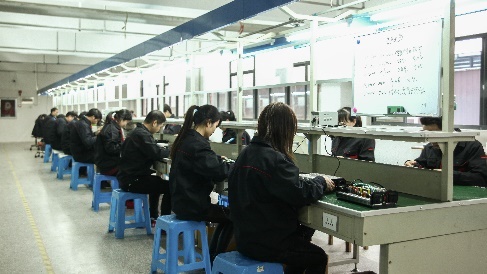
Inside Zhejiang Harlon Electronic Co., Ltd.: our 10,000m² facility unites high-speed SMT placement, automated through-hole insertion, robotic wave soldering, and exhaustive 9-step quality control.
100% verification of imported power MOSFETs, magnetic cores, electrolytic capacitors, and multilayer PCBs before assembly.
High-precision pick-and-place lines execute dense PCB surface mounting with automated optical inspection (AOI) verification.
Computer-controlled flux and solder temperature profiles ensure zero bridging, void-free through-hole joints, and thermal endurance.
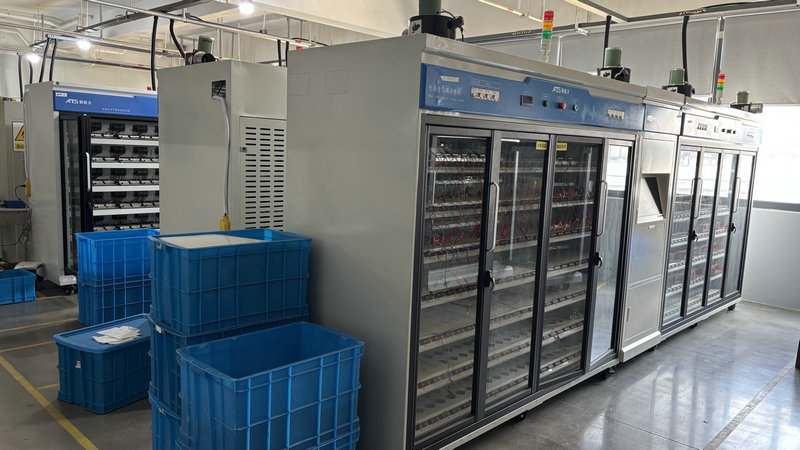
Every single power supply unit undergoes full-load high-temperature burn-in testing inside isolated thermal chambers to eliminate infant mortality.
Match your specific EVSE subsystem power budget with verified industrial power supplies from Zhejiang Harlon Electronic Co., Ltd.
| Model Series | Voltage Output | Current Rating | Input Voltage Band | Cooling Topology | Target EVSE Subsystem | Compliance |
|---|---|---|---|---|---|---|
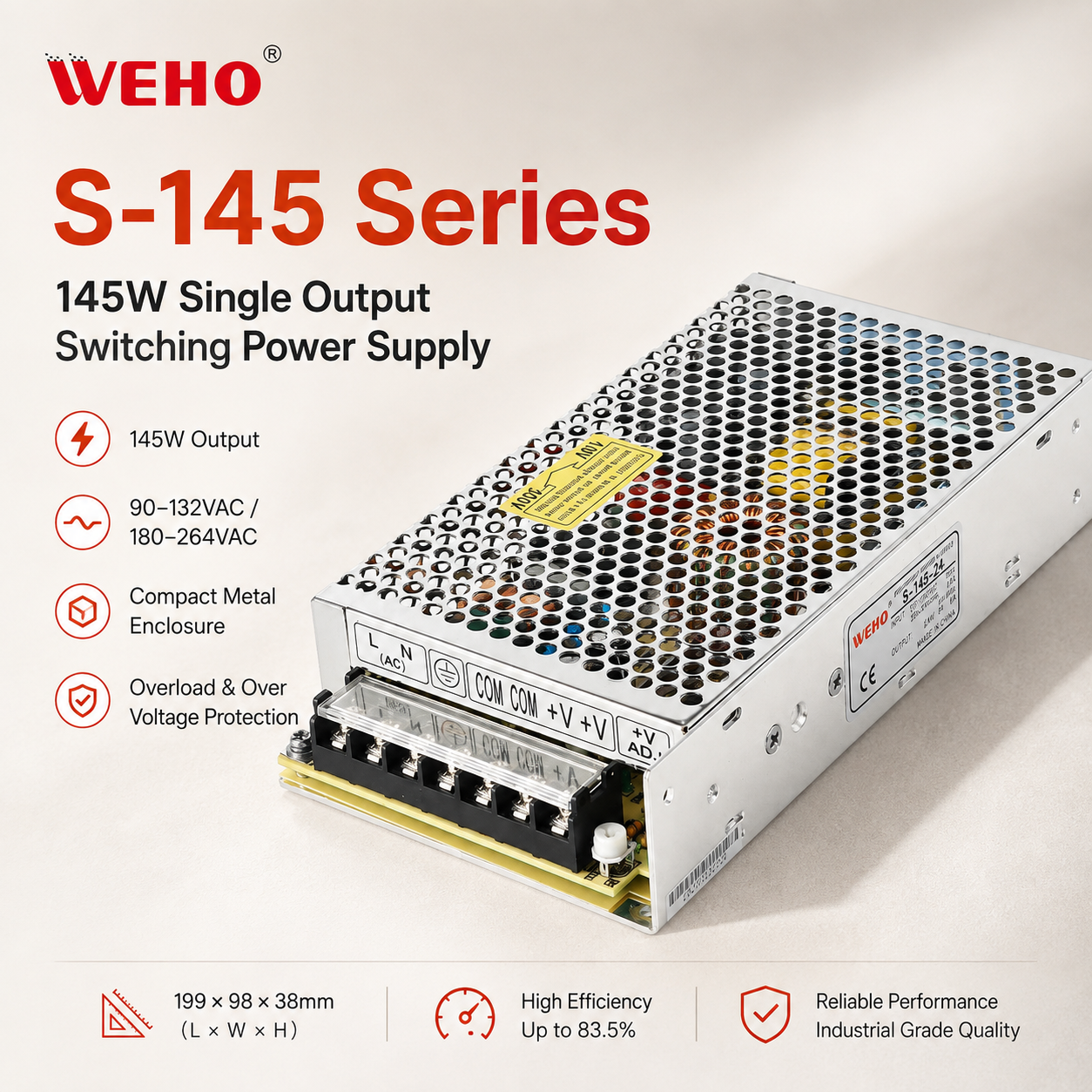
| WEHO 145W | 48V DC | 3.0A | 85–264V AC / 120–370V DC | Free-Air Convection | Level 2 Cable Actuators, Small Chiller Loop | CE / RoHS |
| S-120-18 | 18V DC (Adj 12–20V) | 6.7A | 85–264V AC | Free-Air Convection | Specialized Microcontroller & Payment Gateway | CE / RoHS |
| S-120-24 | 24V DC | 5.0A | 85–264V AC | Free-Air Convection | Standard AC Charger Controller & Safety Interlocks | CE / RoHS |
| WEHO S-150-24 | 24V DC | 6.5A | 85–264V AC / 120–370V DC | Low-Profile Perforated | Slim Wallbox Architecture & Dual-Gun AC Posts | CE / RoHS |
| S-200-15 | 15V DC | 13.33A | 170–264V AC | Convection / Chassis Mount | High-Lumen Status Halo, Interactive Display Audio | CE / RoHS |
| S-200-24 | 24V DC | 8.5A | 85–264V AC Selectable | Burn-in Screened Convection | Heavy DC Fast Charging High-Voltage Contactors | CE / RoHS |
| S-1200-48 | 48V DC | 25.0A | 180–264V AC (Active PFC) | Built-in Thermostatic Fan | Liquid-Cooling Pump Inverters, Power Rack Logic | CE / RoHS |
| S-1500-48 | 48V DC | 32.0A | 180–264V AC (Active PFC) | Dual Ball-Bearing Fan | High-Power Fleet Dispensers (350kW–400kW Megawatt) | CE / RoHS |
Technical guidance addressing import regulations, compliance standards, and mechanical integration for Norwegian engineers.
In a standard continental 400V TN grid, single-phase auxiliary loads are derived line-to-neutral (230V). In Norway's 230V IT grid, auxiliary power is tapped directly across two phase conductors (line-to-line 230V). Under first-fault conditions, the floating ground reference can experience severe voltage displacement. Harlon SMPS units engineered for Norwegian export feature high-dielectric galvanic isolation (exceeding 3.0kV AC primary-to-secondary and 2.0kV AC primary-to-chassis) with reinforced creepage and clearance distances compliant with EN 61851-1 and NEK 400 requirements, fully preventing earth leakage trips.
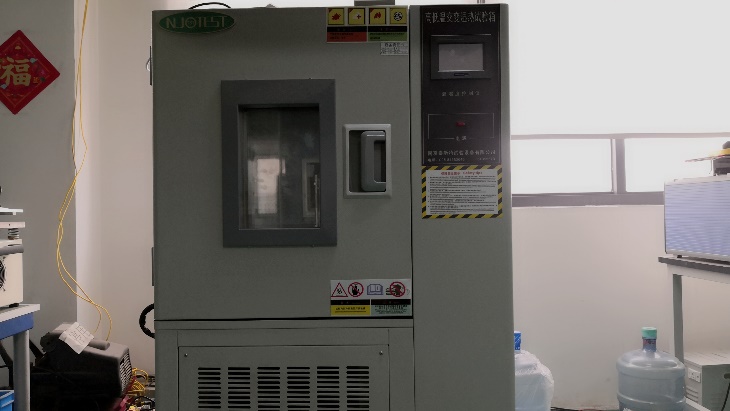
Every model designated for Nordic export is verified in our high-and-low temperature climatic chambers. We test cold-soak startup at -40°C under full rated load, verifying that soft-start circuitry prevents input fuse blowing and that output voltage settles within 5% of target nominal rail voltage in under 500 milliseconds. We use low-ESR solid polymer and specialized electrolyte capacitors specifically qualified to avoid the electrolyte freeze-out common in budget commercial supplies.
Yes. With 18+ years of dedicated OEM/ODM manufacturing, we regularly customize chassis formats (e.g., TS-35 DIN rail clips, custom low-profile U-bracket metal cases), IP-rated conformal coatings, custom multi-pin terminal blocks (such as Phoenix Contact or WAGO style), and pre-loomed output wiring harnesses. We also offer private buyer labeling with your company branding, model designations, and unique serial/QR tracking barcodes.
Every export consignment includes comprehensive European compliance documentation: formal CE Declarations of Conformity covering the Low Voltage Directive (LVD 2014/35/EU) and Electromagnetic Compatibility Directive (EMC 2014/30/EU), RoHS 3 (Directive 2015/863/EU) certificates of compliance, full factory burn-in inspection reports, and detailed product parameter datasheets. Full SGS on-site factory audit reports are also available for your corporate compliance qualification.
Standard catalog volume production runs require 15 to 25 business days from drawing approval. Custom OEM configurations (modified voltage rails, specific potting, or custom harness looms) generally require 20 to 30 days. For rapid prototype verification or urgent spares replenishment, air cargo to Oslo Airport (OSL) takes 5 to 8 business days; full container maritime freight via Shanghai or Ningbo to the Port of Oslo averages 32 to 38 days, handled under DDP, CIF, or FOB trade terms.
Founded in 2007 in Wenzhou, Zhejiang, Zhejiang Harlon Electronic Co., Ltd. has grown to become a benchmark manufacturer of high-reliability switching power supplies, DIN-rail modules, DC-DC converters, and waterproof LED drivers. Spanning over 10,000 square meters of production floorspace with over 10 automated manufacturing lines, our facility operates under a certified ISO 9001 quality management architecture.
Unlike trading intermediaries, our factory premises, manufacturing capacity, and testing laboratories undergo direct on-site physical audits by international inspection agency SGS Group. Our chief design director brings nearly three decades of dedicated power electronics design mastery, overseeing an engineering department capable of solving the toughest electromagnetic interference (EMI), thermal dissipation, and cold-weather startup obstacles faced by Scandinavian EVSE operators.
Full in-house automated production—from component pick-and-place to automated wave soldering and ultrasonic washing—ensuring total process control and traceability.
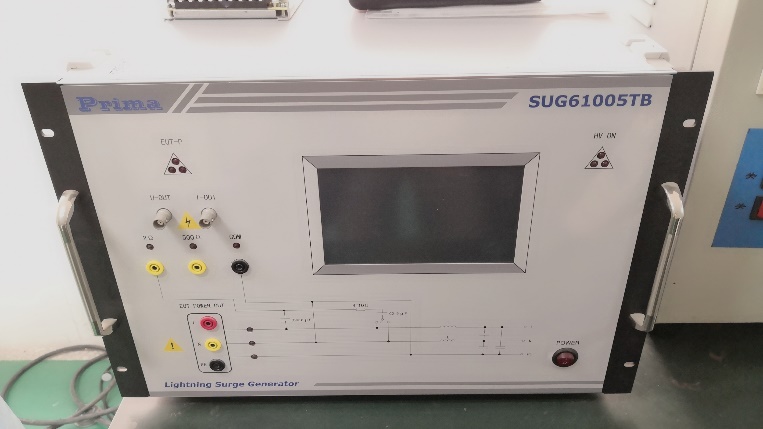
Our facility houses dedicated lightning surge generators, high-voltage hi-pot test rigs, EMI spectrum receivers, vibration tables, and digital storage oscilloscopes.
Exporting across Northern Europe, North America, and worldwide with a 99% inquiry response rate, flexible MOQs, and dependable ongoing technical support.
Consult with our senior power supply design engineers regarding your Oslo EV charging station project requirements, custom voltage rails, Norwegian IT grid compliance, or sample evaluation requests.
Contact Us