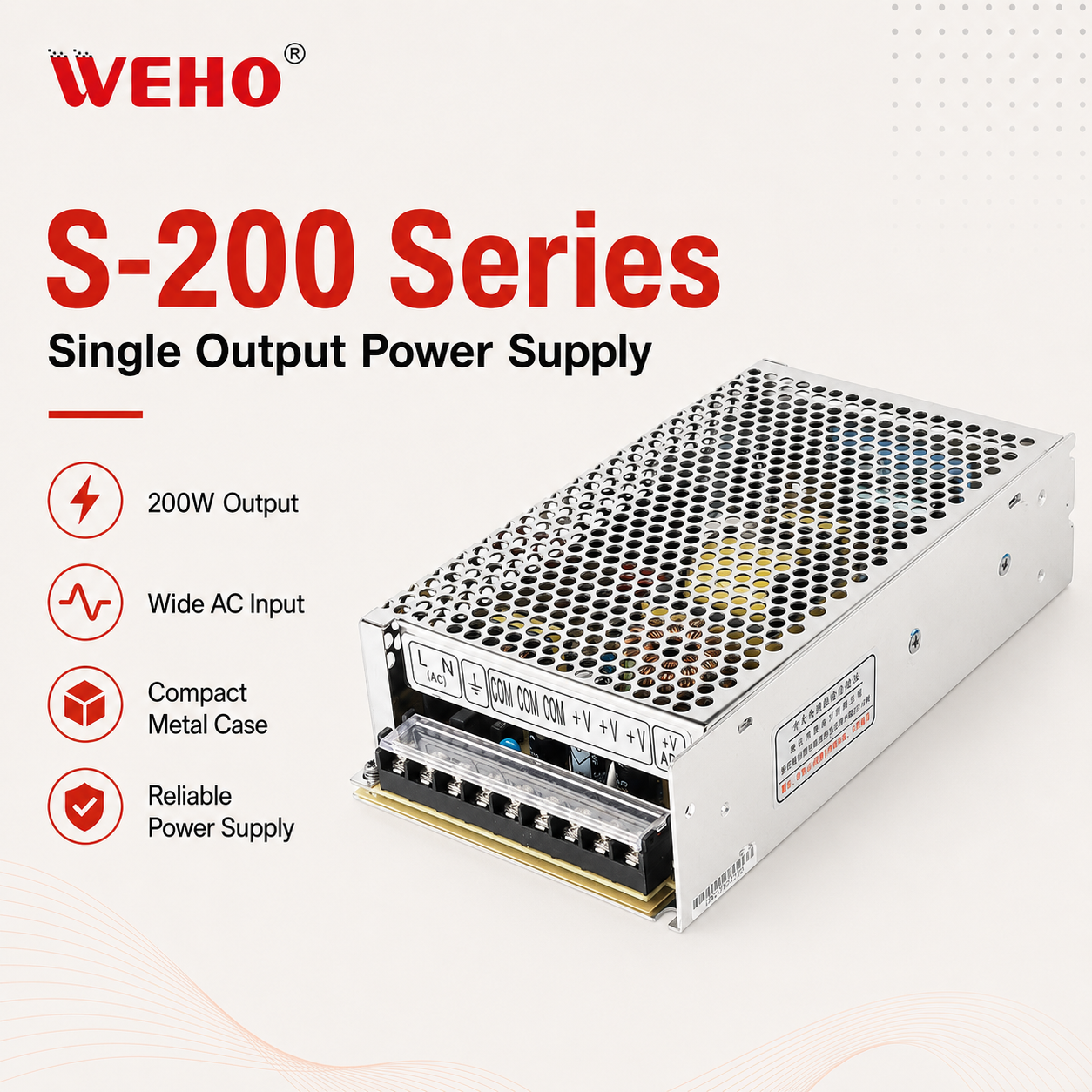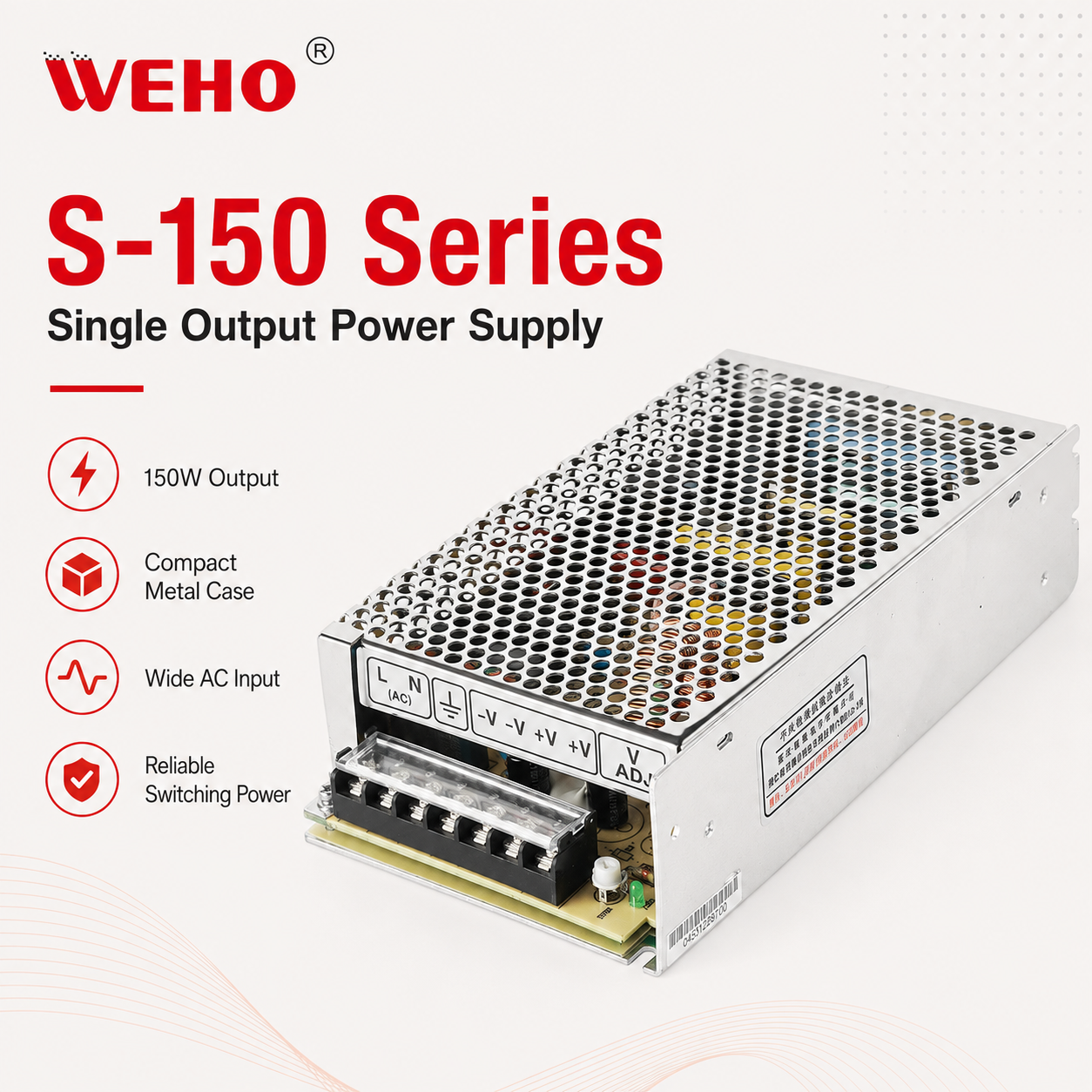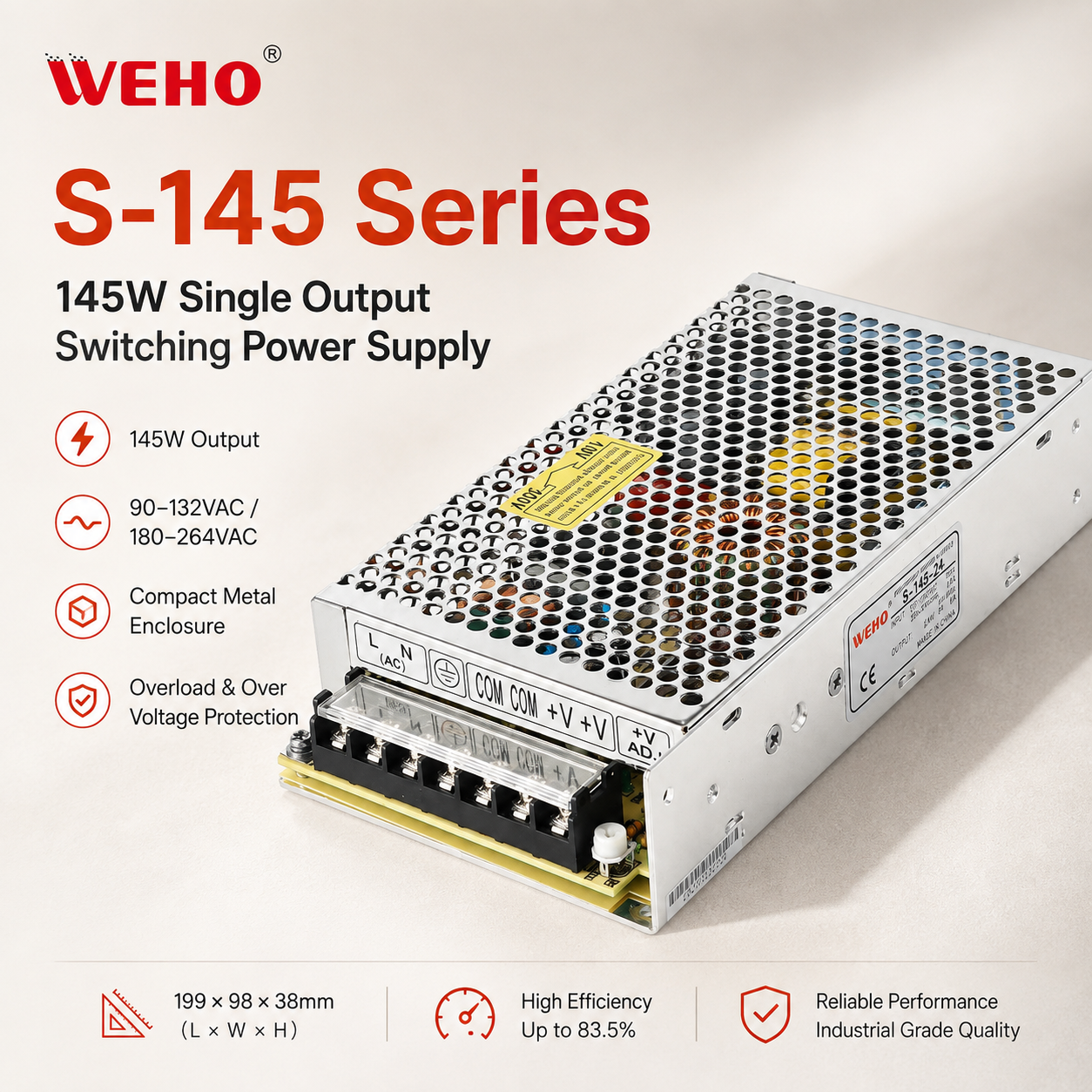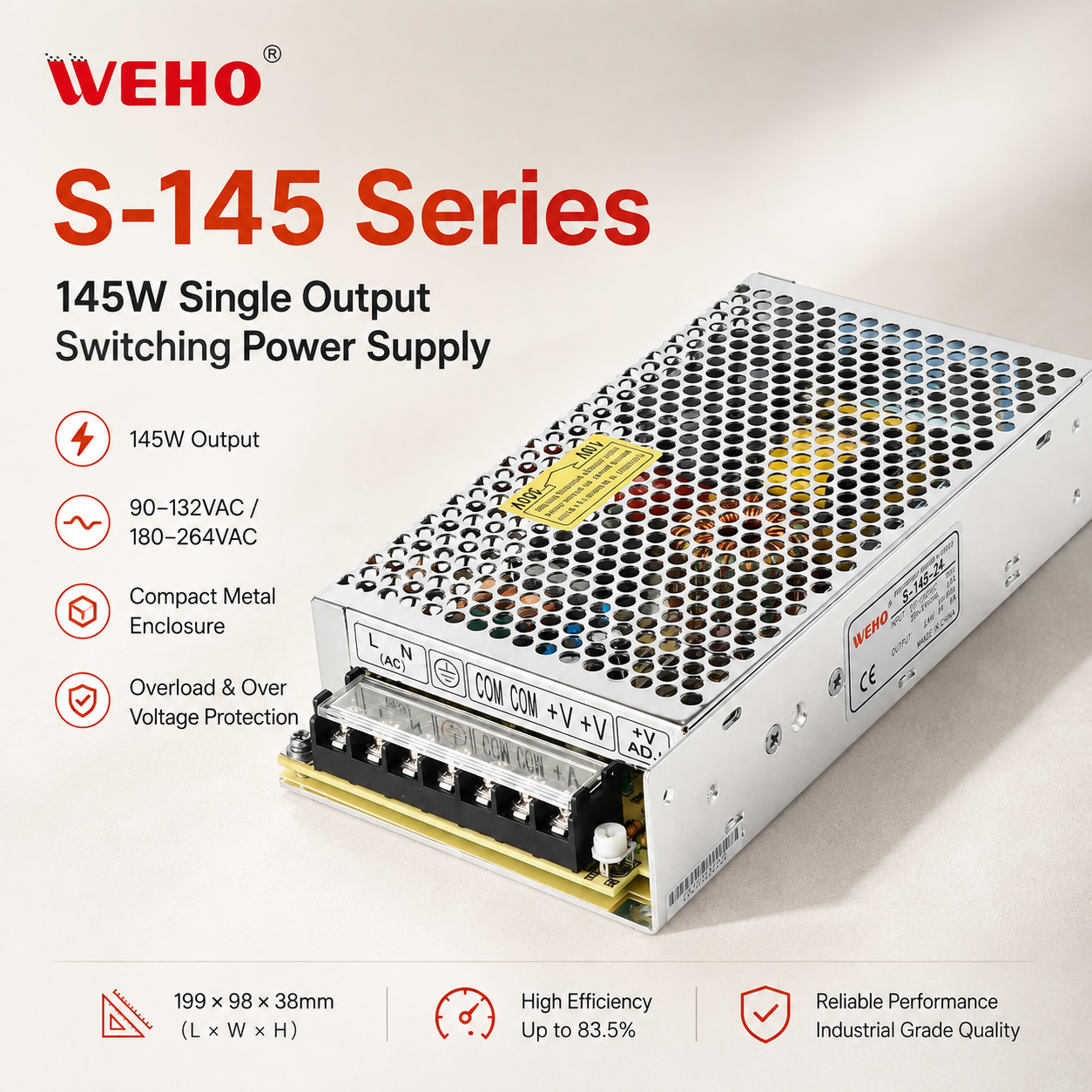
Engineered for high thermal tolerance, low harmonic distortion (THD), and uninterrupted operation under extreme load step responses.
The rapid deployment of Electric Vehicle Supply Equipment (EVSE) throughout the Greater Philadelphia Metropolitan Area—spanning from Center City commercial hubs along Market and Broad Streets to the sprawling industrial transport corridors of Northeast Philadelphia and the Philadelphia Navy Yard—places stringent electrical demands on auxiliary and primary power modules. EV charging terminals do not operate as simple pass-through electrical nodes; they are complex industrial automation environments consisting of microcontrollers, optical billing interfaces, RFID/NFC contactless POS terminals, dynamic liquid-cooling loops, and Open Charge Point Protocol (OCPP) communication gateways. Each sub-system requires ultra-clean, thermally isolated, electromagnetic interference (EMI)-immune direct current (DC) switching power supplies to maintain continuous grid-intertie stability.
As Philadelphia undergoes aggressive fleet decarbonization aligned with the City of Philadelphia’s Climate Action Playbook and Pennsylvania Department of Transportation (PennDOT) National Electric Vehicle Infrastructure (NEVI) guidelines, electrical engineers face specific regional grid challenges. In the Mid-Atlantic region under the PJM Interconnection grid footprint, transient voltage spikes, localized phase imbalances, and seasonal temperature swings (ranging from humid summer peak-demand loads exceeding 100°F heat indices to freezing winter maritime gusts off the Delaware River) require sub-assembly power supplies engineered for industrial-grade endurance. Harlon’s AC/DC switching power supply architectures (from 10W micro-control SMPS up to 3000W high-power conversion modules) are designed with high MTBF electronic components, active Power Factor Correction (PFC), and 100% full-load thermal burn-in protocols, preventing costly station lockups and field repairs.
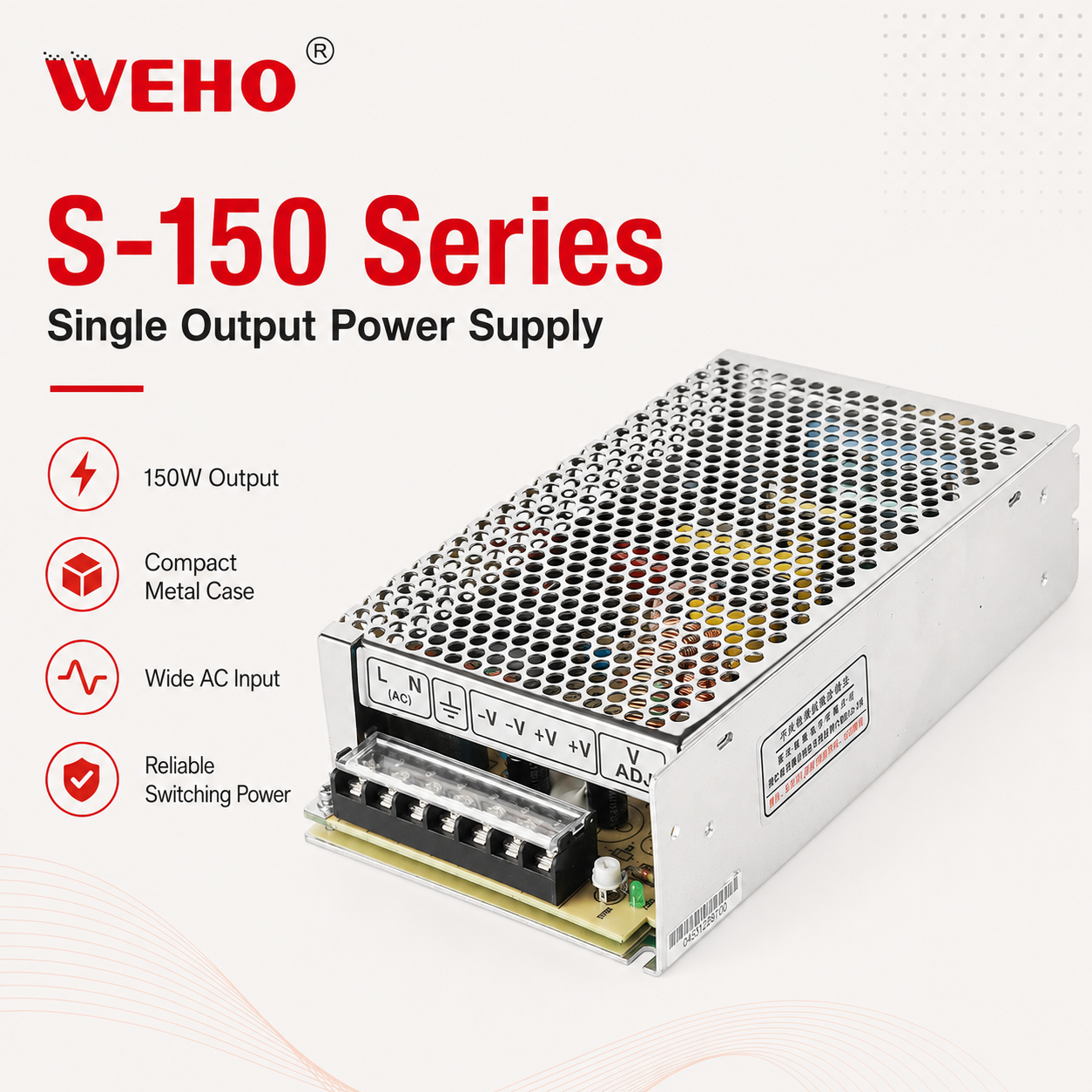
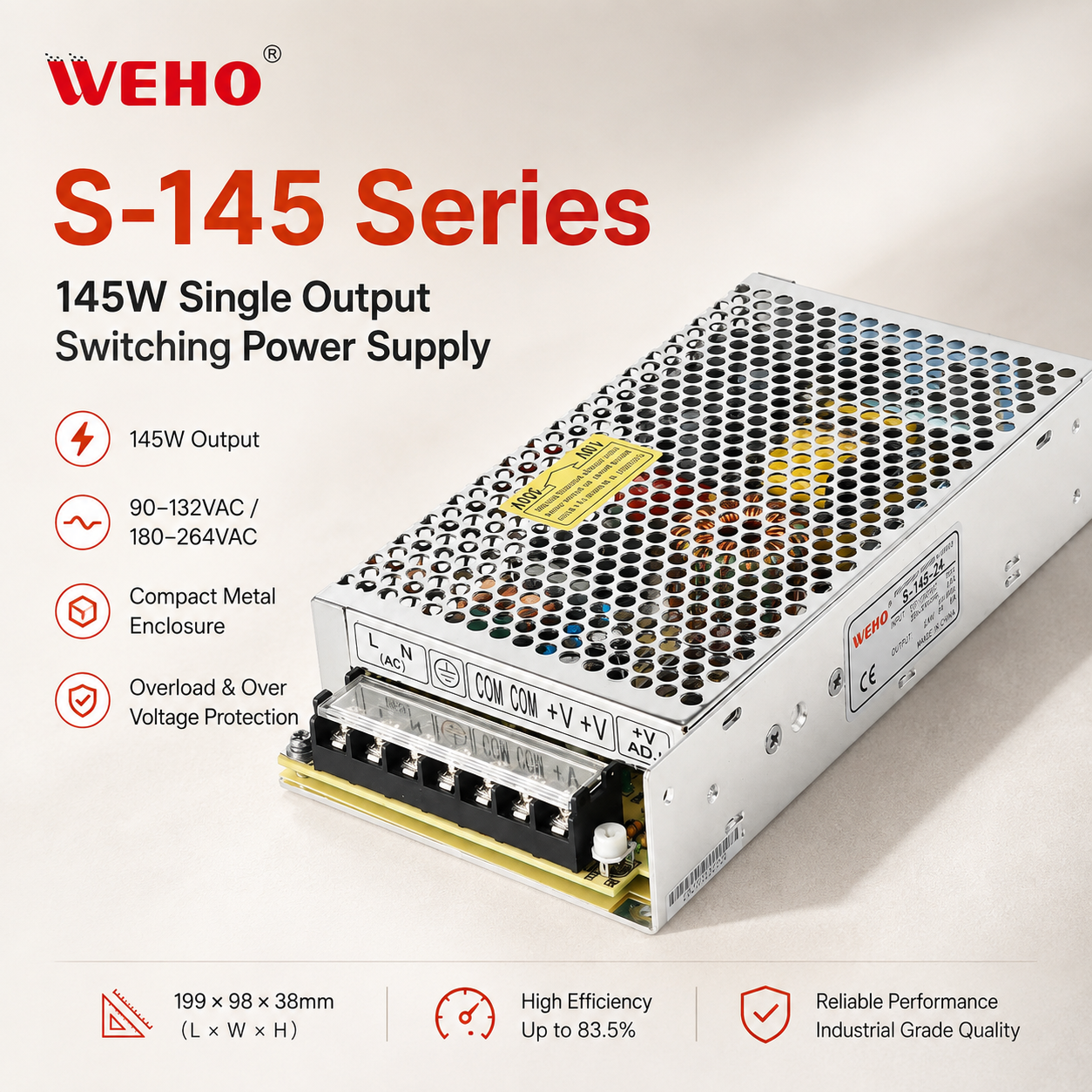
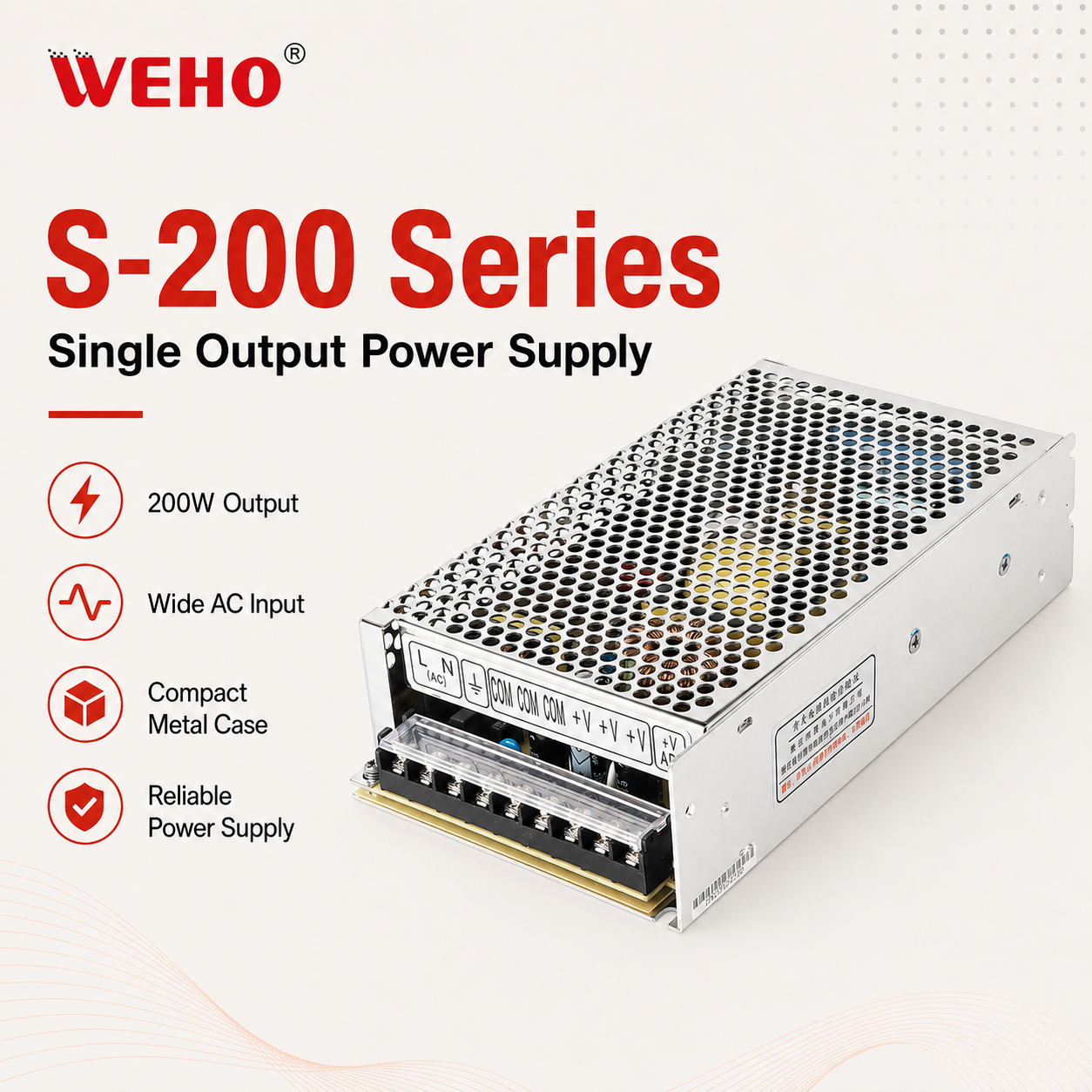
Specifically in high-output DC Fast Charging (DCFC) configurations (150kW to 350kW+ architectures), system reliability relies entirely on the resilience of the 12V and 24V auxiliary power distribution lines. A failure in the 12V auxiliary rail drops the Combined Charging System (CCS) or North American Charging Standard (NACS) electronic pilot signal, halting vehicular contactors instantly. By implementing Harlon's S-Series and DIN-Rail modules featuring wide input tolerances (85–264VAC universal input), multi-channel transient clamping, and class-leading isolation voltages, charge point operators (CPOs) across southeastern Pennsylvania mitigate unscheduled station downtime, ensuring high uptime compliance and seamless utility intertie.
Proven electrical performance tailored to the municipal, transit, and industrial topologies of the Delaware Valley.
Auxiliary control and telemetry conversion for high-capacity multi-vehicle transit charging facilities. Delivering reliable 24V DC logic power to PLCs, battery monitoring telemetry lines, and heavy-duty automated contactors under continuous round-the-clock depot duty cycles.
Powering critical low-voltage telemetry, outdoor thermal management systems, and credit-card authorization nodes at public DCFC plazas along interstate corridors, meeting strict National Electric Vehicle Infrastructure reliability metrics.
Compact 30mm slim-line enclosed switching power supplies providing continuous low-noise 5V and 12V outputs for digital touchscreens, LED illumination borders, and smart load-balancing meters installed at Center City and King of Prussia commercial decks.
The electrification landscape in Pennsylvania is experiencing substantial structural shifts driven by both utility modernizations from PECO Energy Company and regional climate commitments. In Philadelphia proper, commercial zoning ordinances increasingly mandate electric vehicle supply infrastructure across new commercial real estate, parking structures, and logistics terminals situated near the Port of Philadelphia (PhilaPort). Key trends influencing power component specification include:
1. Shift Toward Megawatt Charging Systems (MCS) & High-Uptime Demands: With industrial freight fleets operating out of South Philadelphia and Eastwick logistics centers electrifying Class 6–8 vehicles, power density requirements are skyrocketing. Auxiliary power systems within these charging kiosks must deliver fault-tolerant logic and cooling control without thermal degradation, requiring switching units rated with over 88% to 90% real-world efficiencies.
2. Stringent EMC and Grid Immunity Standards: The high concentration of industrial loads along the Delaware Valley industrial corridor generates significant electrical noise and voltage fluctuations across distribution feeders. Power supplies integrated into EV charging infrastructure must pass rigorous EMI/EMC screenings, lightning surge suppression (EN61000-4-5), and transient overvoltage testing to ensure logic controllers do not reboot mid-charge.
3. Demand for Turnkey OEM/ODM Modular Customization: Local engineering integrators and charge point manufacturers are increasingly shifting away from single-source domestic catalog vendors toward agile manufacturing partners who provide tailored output voltages, custom pinouts, weatherized conformal coating, and private buyer branding without cost-prohibitive order thresholds.
End-to-end quality governance from PCB automated insertion to 100% full-load thermal burn-in.
Founded in 2007, operating across a 10,000 m² physical workshop with 10+ specialized assembly lines, backed by independent power electronics R&D leadership spanning three decades.
Comprehensive on-site assessment verified by SGS Group. In-house quality verification featuring high/low temperature chambers, digital oscilloscopes, and lightning surge simulation.
Every single power unit is submitted to full-load high-temperature burn-in protocols prior to crating, eliminating infant mortality failures in mission-critical field hardware.
Turnkey modification of terminal blocks, multi-voltage outputs, mechanical dimensions, conformal coatings, and custom-branded chassis labels tailored to your brand identity.
From low-profile LRS series (30mm thickness) to massive 3kW SE/SP enclosed units, DIN-Rail architectures, and IP67 waterproof drivers, supporting unified procurement.
Flexible international terms including FOB, CIF, EXW, and DDU. Prompt engineering evaluations with documented 99% inquiry response performance and global delivery track records.
Addressing core technical questions from regional electrical engineers, hardware architects, and purchasing managers.
Consult with our senior power supply engineers to request product specifications, validation samples, or tailored OEM/ODM architectural evaluations for your Philadelphia installations.