Tested under rigorous 100% full-load burn-in conditions and optimized for motive power, stationary battery banks, automated guided vehicles (AGVs), and industrial DC bus applications across Ontario.
A comprehensive examination of electrical grid adaptation, power factor correction (PFC), harmonic mitigation, thermal derating curves under Canadian winter extremes, and solid-state charging topologies.
Industrial installations throughout Toronto, Brampton, Mississauga, and Vaughan operate predominantly on Ontario Hydro's standard 600V 3-phase, 60Hz delta distribution networks. Importing industrial charging equipment designed purely for 400V European or standard 480V US topologies without localized input stage optimization results in excessive transformer losses, power quality degradation, and elevated total harmonic distortion (THD).
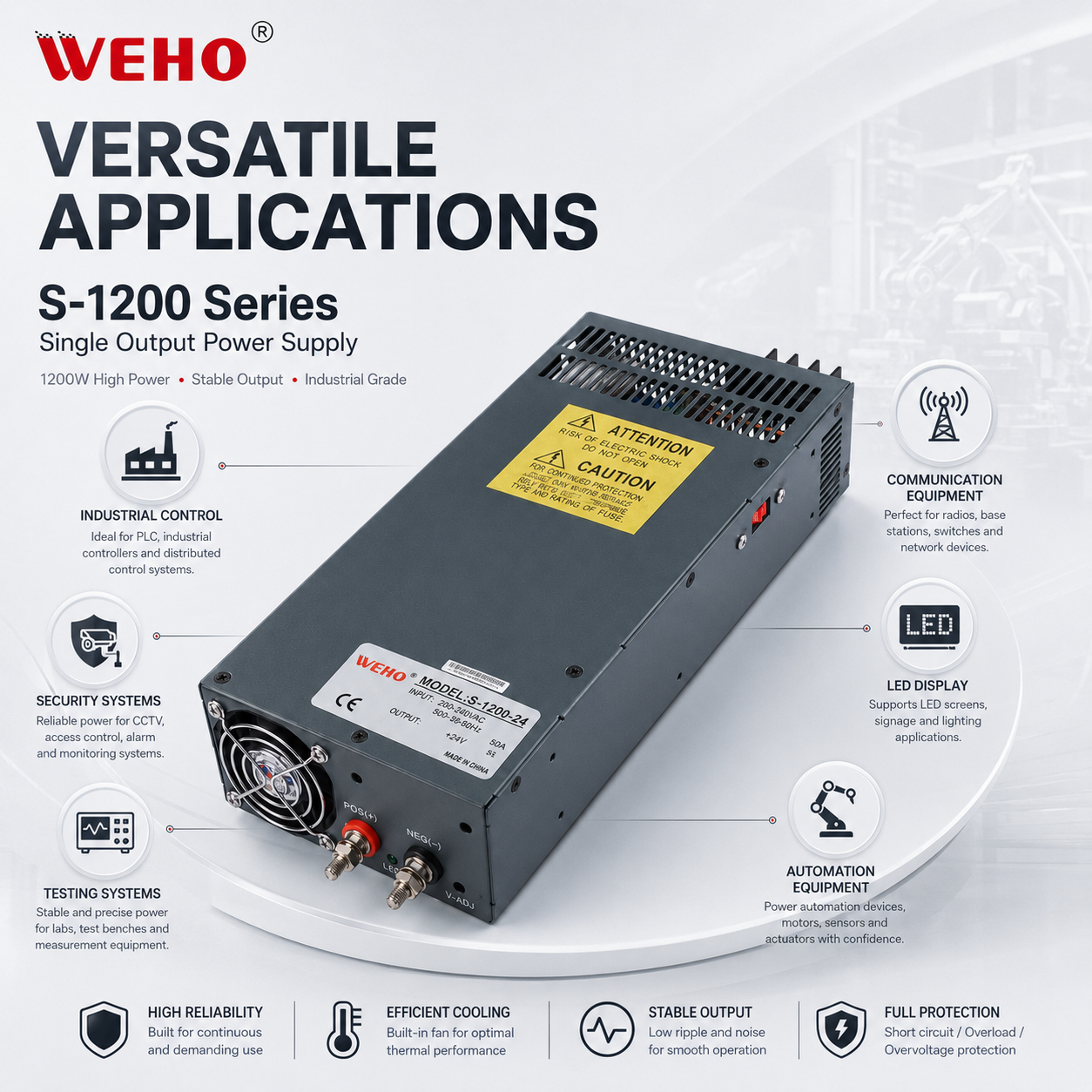
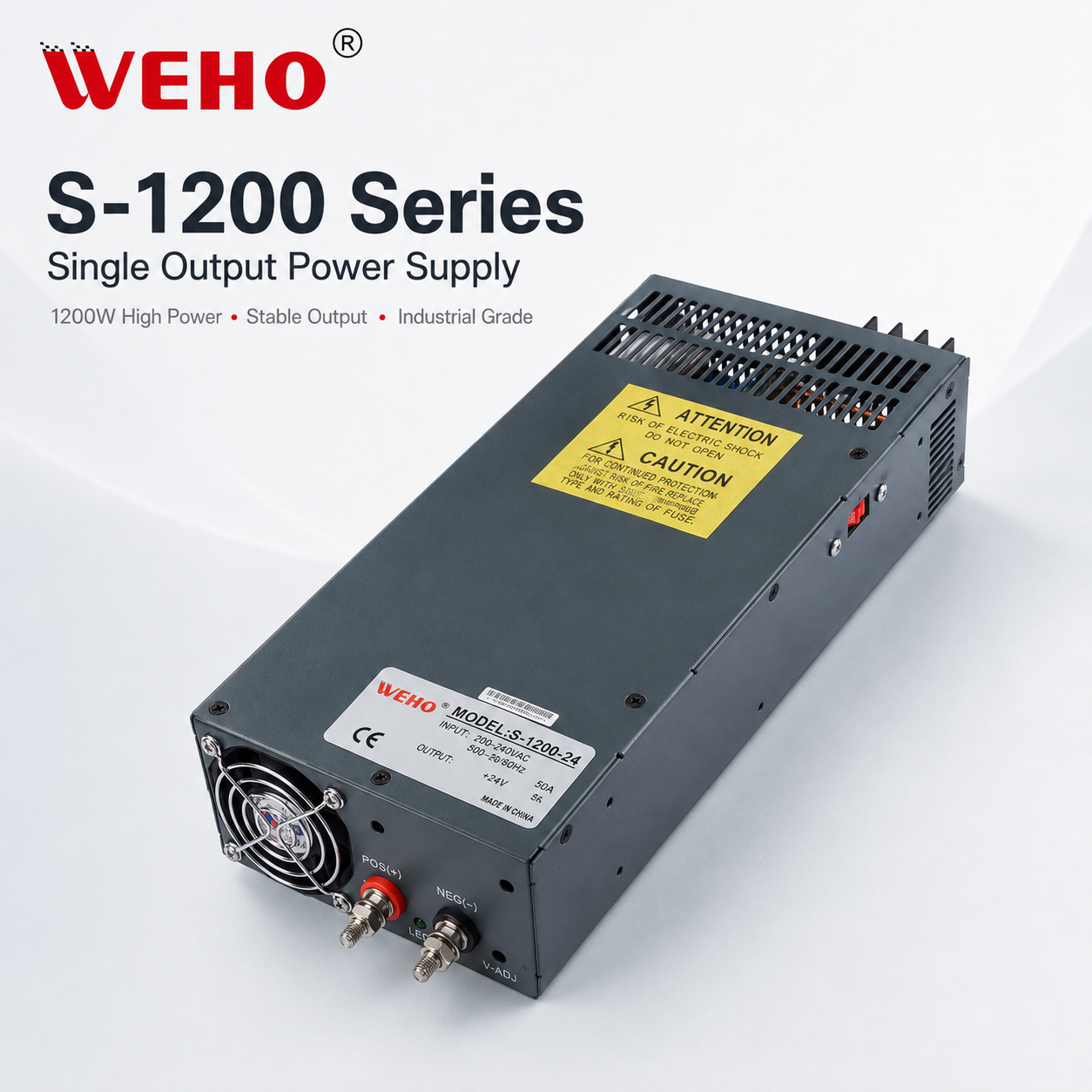
Zhejiang Harlon Electronic Co., Ltd. architects industrial battery charging units engineered specifically with multi-tapped input stages or active wide-range frontend rectification capable of sustaining continuous operations from 180V up to 264V single-phase, and scalable into 3-phase modular banks. For high-output applications (such as our 1200W to 3000W architectures like the S-1200 series), our engineering integrates Interleaved Active Power Factor Correction (APFC), stabilizing power factor figures above 0.98. This mitigates penalty tariffs charged by local distribution companies (LDCs) such as Toronto Hydro and Alectra Utilities for reactive power draw while strictly adhering to IEEE 519-2022 harmonic control parameters.
Integrated NTC thermistors and solid-state relay bypass circuitry prevent circuit breaker tripping in high-density warehousing panels during cold-start charging sequences.
Proprietary EMI filtering stages attenuate conducted emissions to meet CISPR 11/32 Class A industrial thresholds, preventing interference with nearby PLC automation and SCADA lines.
Zero-Voltage Switching (ZVS) topologies push conversion efficiency to 92-94%, dramatically minimizing parasitic thermal dissipation in enclosed electrical cabinets.
A critical failure mode for imported power conversion equipment deployed in Canadian unheated distribution terminals, intermodal freight yards, and dockside cold-storage depots is electrolyte freezing within smoothing capacitors and phase-jitter within pulse-width modulation (PWM) controller ICs. When temperatures dip below -20°C in the Greater Toronto Area during January and February, standard consumer-grade electrolytic capacitors lose equivalent series resistance (ESR) stability, leading to catastrophic ripple spikes.
Our OEM battery charger manufacturing methodology selects premium 105°C long-life capacitors with verified low-temperature operation down to -40°C, double-sided industrial PCB layout with thick 2oz copper traces, and selective conformal potting. This prevents trace condensation, conductive dust ingress, and thermal shock during rapid transitions between freezing warehouse ambient conditions and heavy load operational peaks.
| Thermal Parameter | Standard Commercial SMPS | Harlon Industrial Grade Charger | Operational Benefit for Toronto Facilities |
|---|---|---|---|
| Cold Start Threshold | -10°C Nominal | -35°C to -40°C Certified | Immediate operation in unheated loading docks without pre-heaters |
| Full-Load Derating | Derates sharply above +40°C | 100% Load up to +50°C; Linear to +70°C | Maintains fast charging duty cycles in poorly ventilated charging bays |
| Capacitor Grade | 85°C Standard Life (2,000h) | 105°C Long-Life Low-ESR (5,000h–10,000h) | Prevents premature dried electrolyte and voltage ripple damage to battery BMS |
| Thermal Cutoff Mechanism | Single Fuse / Simple NTC | Intelligent Microcontroller OTP + Auto-Recovery | Zero-downtime protection against thermal runaway during 24/7 peak shifts |
Toronto’s material handling and industrial fleet sectors are undergoing a massive transition from conventional flooded lead-acid batteries to lithium iron phosphate (LFP) and nickel manganese cobalt (NMC) chemistries. Each chemical formulation requires distinct voltage regulation windows and current transition thresholds:
Flooded Lead-Acid & AGM: Demands a classical 3-stage charge algorithm: Constant Current (Bulk), followed by Constant Voltage (Absorption) to 14.4V/28.8V/57.6V, transitioning to a temperature-compensated Float stage (13.6V/27.2V/54.4V). Lack of temperature compensation can boil lead-acid cells in summer (+35°C ambient) or severely undercharge them during winter cold snaps.
Lithium (LiFePO4): Demands extremely steep constant current delivery right up to cell saturation, followed by immediate cutoff or minimal float absorption to prevent plating of metallic lithium. Our programmable S-1200 and high-wattage custom series integrate auxiliary communication ports (RS485 / CANbus / isolated analog trim) allowing dynamic handshake with third-party Battery Management Systems (BMS).
From the automated fulfillment hubs of Peel Region to automotive manufacturing along Lake Ontario, our industrial power supplies and chargers serve essential infrastructure.
Providing high-amperage 24V and 48V fast-charging rectifiers for automated pallet jacks, tow tractors, and autonomous mobile robots (AMRs) operating in multi-shift e-commerce distribution warehouses.
Deploying heavy-duty 12V and 24V power supplies to Tier-1 automotive parts stampers and assembly lines across Oshawa, Oakville, and Vaughan for robotic tooling control and AGV fleet backup.
High-reliability float rectifiers powering 48V DC telecom battery backup systems in downtown Toronto financial core server facilities and telecommunications switching hubs.
Sealed and conformal-coated DC charging units maintaining continuous peak capability inside minus-25°C blast freezers and food processing centers in Etobicoke and North York.
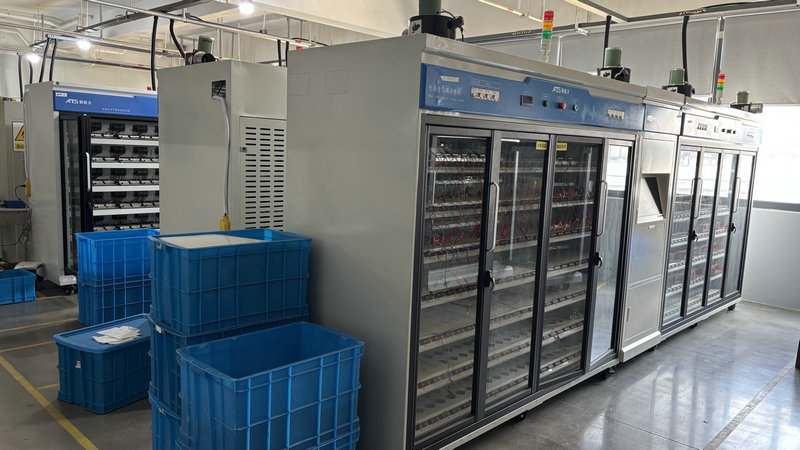
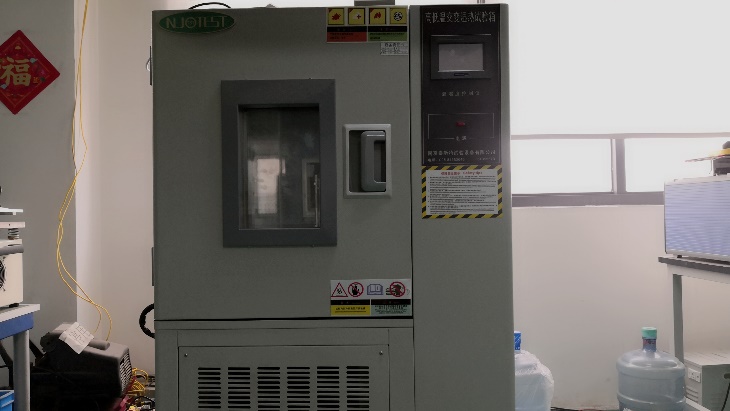
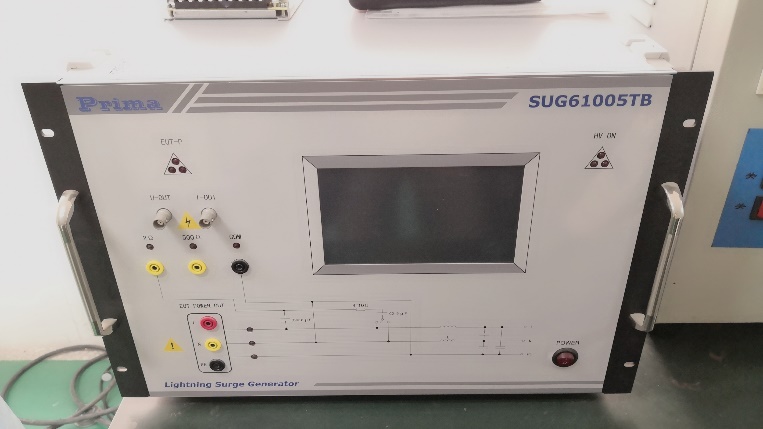
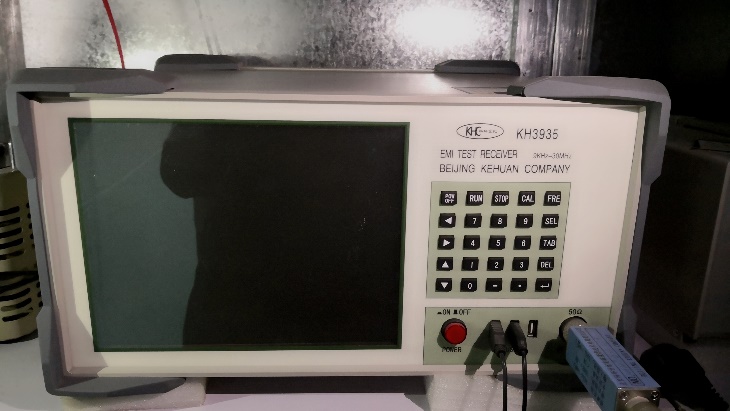
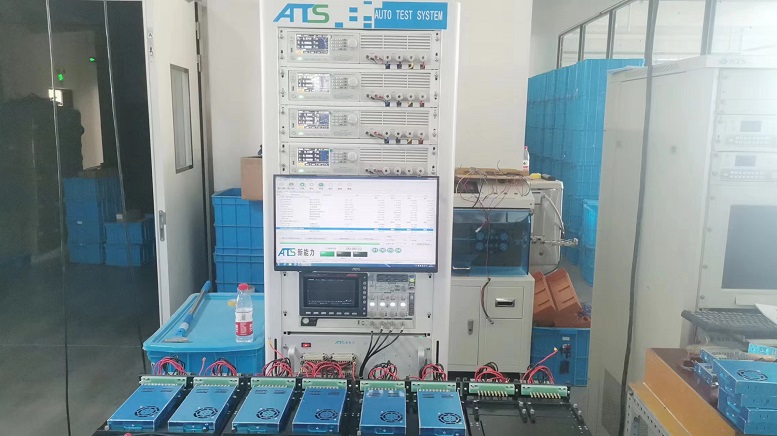
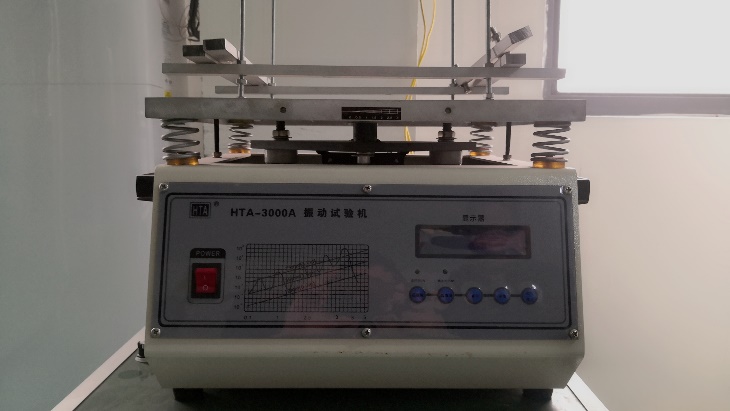
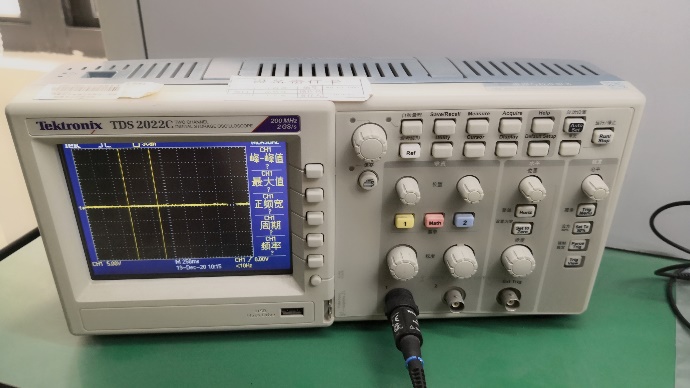
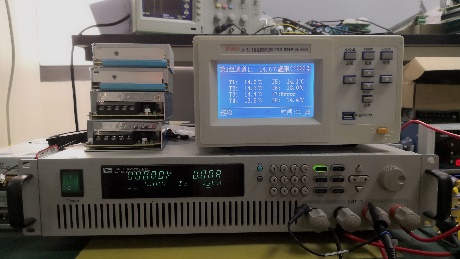
Zhejiang Harlon Electronic Co., Ltd. operates with verified end-to-end quality controls. Every power supply and charger unit undergoes multi-stage laboratory verification before packaging.
Key regulatory and technological dynamics impacting industrial battery charging specifications across Canada's economic heartland.
The Electrical Safety Authority (ESA) strictly mandates that all commercial and industrial electrical devices connected to the power grid carry recognized certification (such as CSA C22.2 No. 107.1 or cULus / SPE-1000). OEMs and distributors require suppliers to deliver components manufactured with certified insulation barrier distances, creepage clearance, and pre-audited hi-pot test reports.
GTA warehouse operations running 24/7 are abandoning traditional 8-hour battery swap rooms. They are shifting to opportunity charging during 15-minute operator breaks at 0.5C to 1C charge rates. This requires industrial chargers with active thermal throttling, PFC circuits, and precise digital loop control to prevent battery degradation.
With domestic Canadian lead times for replacement industrial chargers often exceeding 16 to 24 weeks through intermediary catalog suppliers, procurement directors are partnering directly with verified OEM factories like Harlon. SGS on-site audits and flexible production batching ensure direct shipment to the Port of Montreal or Pearson International with full compliance documentation.
Technical, logistical, and compliance guidance for importing industrial battery chargers and switching power supplies into the Canadian market.
Connect directly with Zhejiang Harlon Electronic Co., Ltd.'s application engineering desk. Whether you need standard catalog models in volume, custom voltage profiling, or private-label OEM manufacturing for the Canadian market, our team provides prompt quotations and full engineering documentation.
Manufacturer assessed on-site by SGS Group. 10,000 square meters of production area, ISO 9001 quality management, and an international buyer satisfaction rating of 4.8/5.