LED Switching Power Supply Suppliers & Exporter for Denver
High-altitude optimized AC/DC drivers, industrial SMPS units (10W–3000W), and enclosed power supplies engineered for Mile High altitude derating, severe sub-zero thermal cycling, and stringent Colorado energy standards.
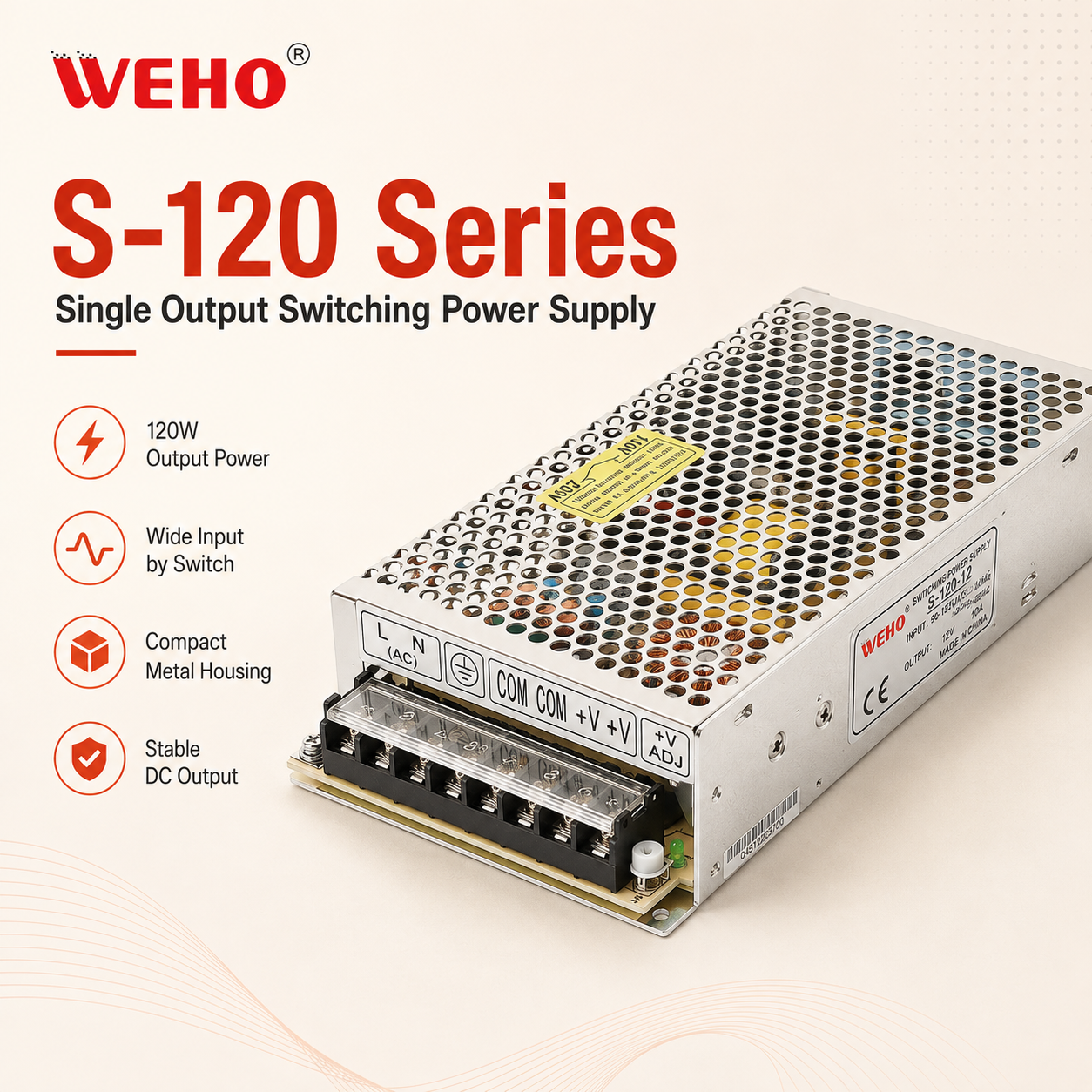
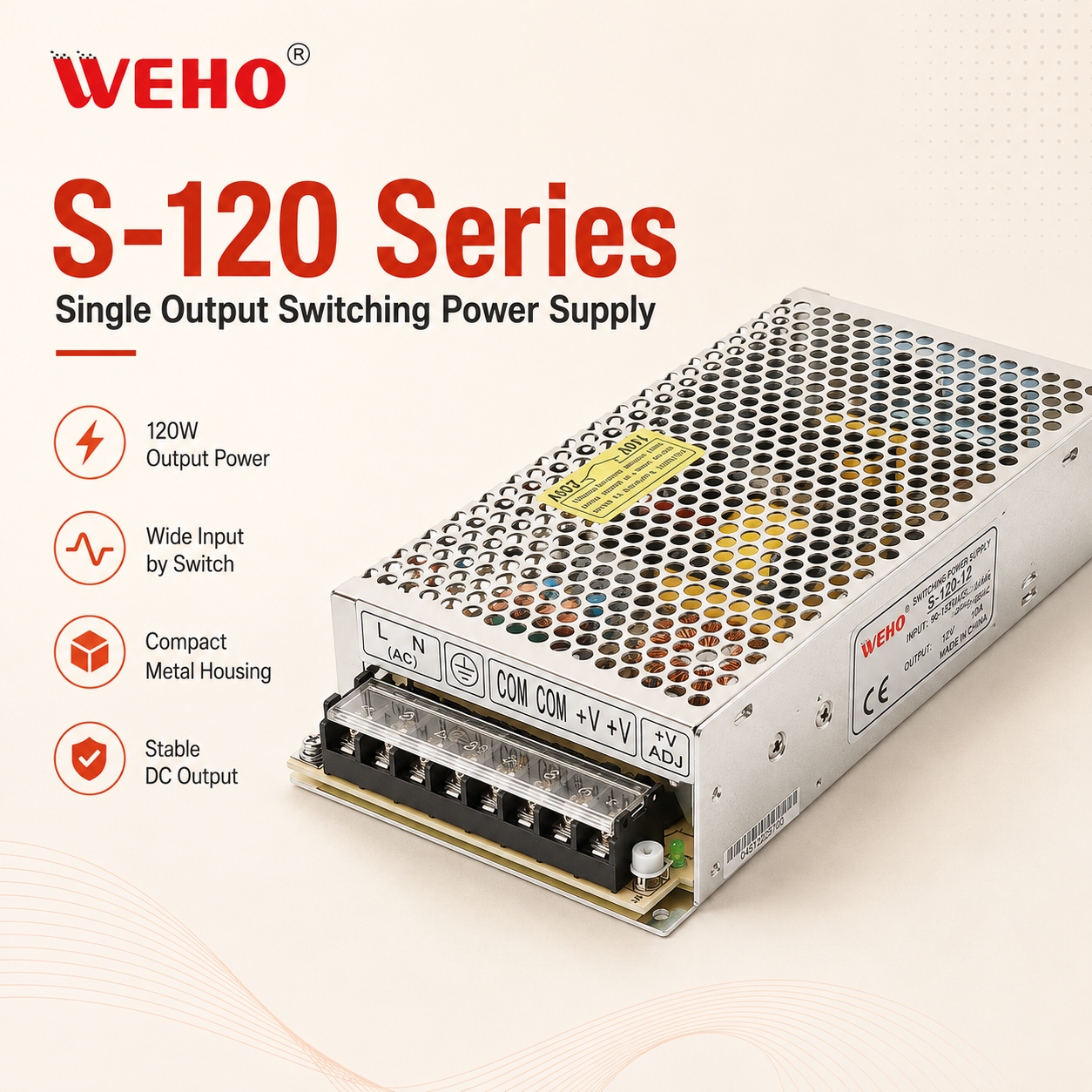
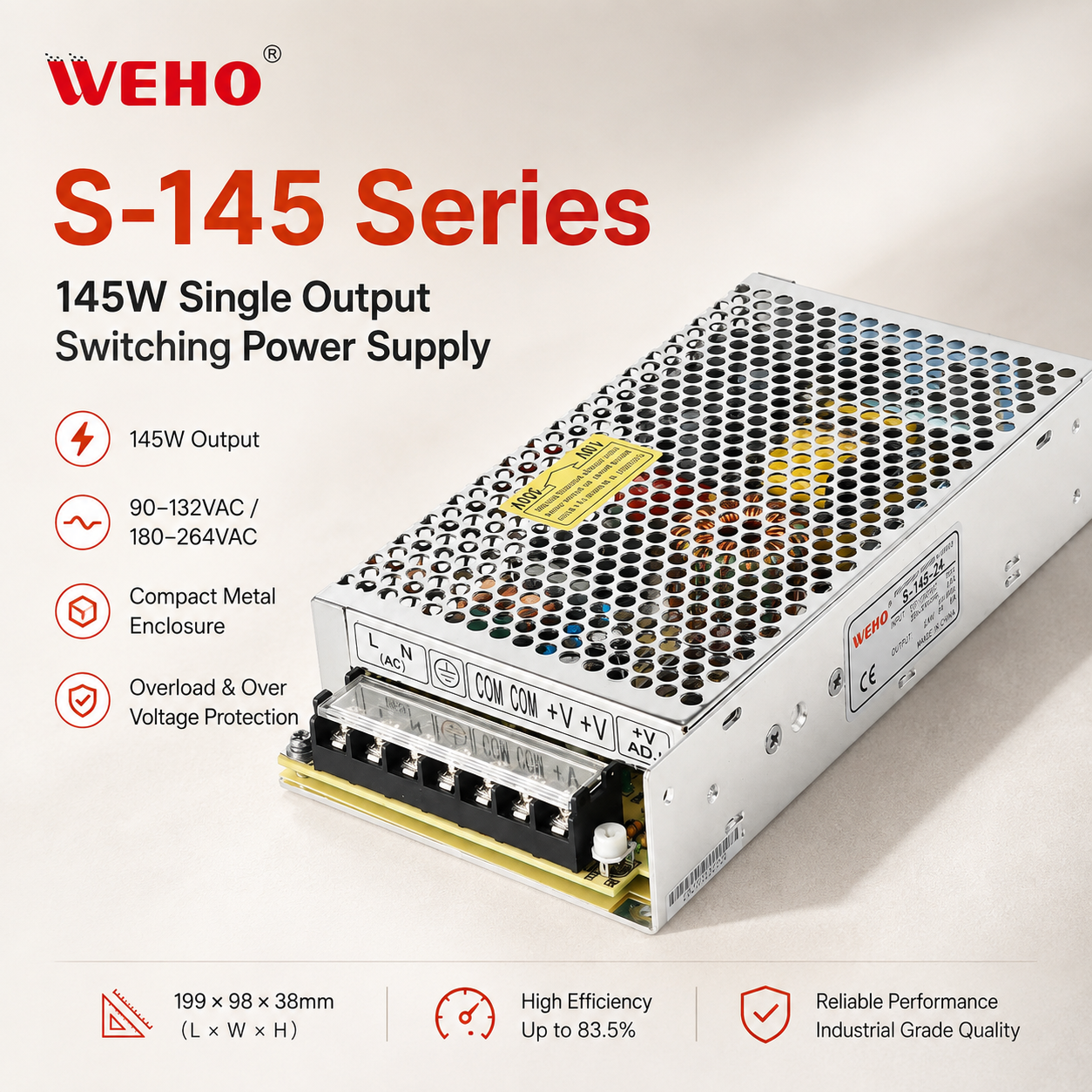
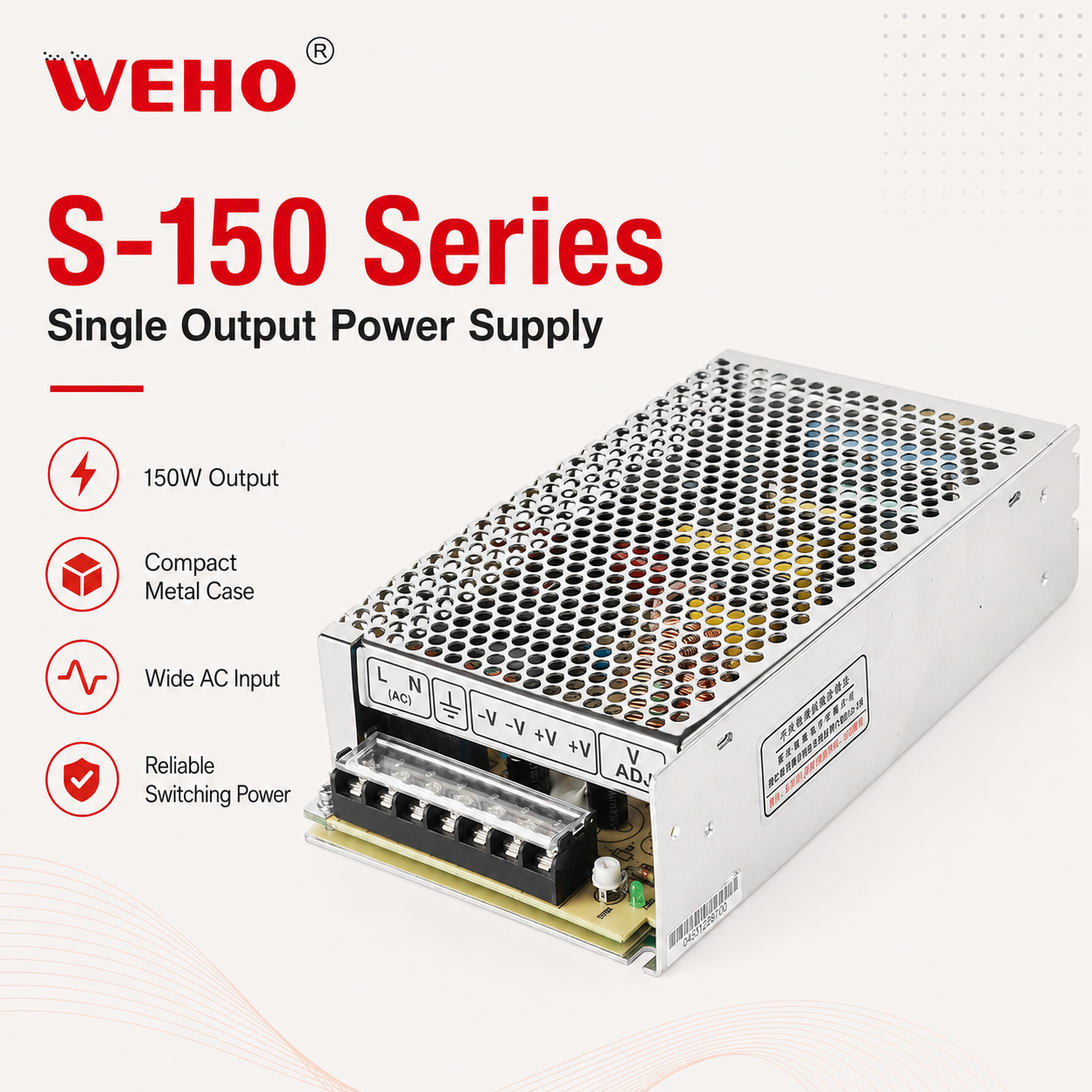
Front Range Product Lineup
Industrial & Architectural SMPS Solutions Ready for Denver Delivery
Tested and factory-certified for continuous commercial duty in the Denver Metro Area, Lakewood, Aurora, and Boulder. Select standard configurations or request turnkey OEM/ODM modifications tailored to UL 8750 Class 2 and NEC Article 725 installations.
Technical Whitepaper: Engineering LED SMPS for Denver's High-Altitude Front Range
Deploying solid-state illumination across the Denver-Aurora-Lakewood metropolitan corridor presents distinct electrical, environmental, and thermal challenges rarely addressed by generic switch-mode power supply (SMPS) distributors. Sitting at an official baseline altitude of 5,280 feet (1,609 meters) above sea level—with surrounding Front Range industrial and alpine sub-markets climbing past 7,500 feet—procurement teams must account for low-pressure convective dissipation limits, Paschen's Law arc-over vulnerabilities, dry atmospheric dielectric changes, and extreme diurnal temperature swings ranging from -20°F in winter cold-snaps to over 100°F during high-altitude summer radiation periods.
Critical Design Parameter for Colorado OEM System Integrators: At Denver's atmospheric pressure (~83.4 kPa vs. 101.3 kPa at sea level), the air density drops by roughly 17%. Because convective air mass is directly proportional to cooling efficacy, an off-the-shelf LED driver running at 100% rated load in an unconditioned Denver electrical enclosure will experience localized junction temperatures up to 12°C higher than identical testing conducted in coastal test bays. Proper power supply engineering requires documented thermal derating curves and increased component creepage clearances.
1. Atmospheric Physics: Convective Heat Dissipation & Paschen's Law
Natural and forced-air convection in power electronics depends entirely on the mass flow rate of cooling air passing over heat sinks, magnetic chokes, and switching MOSFETs. Because Denver's ambient air is less dense, standard air movement dissipates significantly less thermal energy per cubic foot. In enclosed luminaire cavities or architectural junction boxes on 16th Street Mall or River North (RiNo) art installations, thermal entrapment rapidly degrades standard electrolytic smoothing capacitors, pushing ripple voltages upward and causing premature luminaire flicker or failure.
Furthermore, Paschen's Law dictates that the breakdown voltage of a gas gap decreases as the pressure-distance product ($p \times d$) drops down toward the Paschen minimum. In Denver's thin, exceptionally dry atmosphere, high-voltage switching spikes between transformer windings, primary-to-secondary optical isolators, and printed circuit board (PCB) traces can initiate dielectric breakdown or micro-arcing at clearances that pass UL testing in coastal factories. Zhejiang Harlon Electronic Co., Ltd. incorporates enhanced insulation barriers, 8mm+ primary-to-secondary creepage distances, and double-dipped vacuum impregnated varnishing across its magnetics to neutralize altitude arcing hazards up to 3,000 meters operating elevation.
Altitude Derating (5,280+ Ft)
We mandate an intentional 8% to 12% continuous load derating profile or provide oversized thermal copper planes on all FR-4 boards to keep junction temperatures well below the silicon threshold of 105°C during prolonged operation in thin atmospheric air.
-40°C Cold Start Cycling
Equipped with specialized low-temperature electrolyte chemistries and active NTC/PTC surge damping, our supplies withstand rapid sub-zero cold-starts during Denver blizzards without destructive capacitive inrush current or output voltage droop.
High-Altitude Lightning Immunity
The Front Range encounters intense summer convective storms. Our drivers incorporate multi-stage metal oxide varistors (MOVs) and gas discharge tubes capable of absorbing 4kV line-to-line and 6kV line-to-ground surge transients under ANSI/IEEE C62.41 standards.
2. Thermal Derating & Dielectric Clearance Specifications for Denver Buyers
To assist Front Range specifiers, electrical engineers, and commercial lighting contractors, the following matrix contrasts default sea-level assumptions against Harlon's verified Denver-optimized operational standards:
Differential 4kV / Common Mode 6kV Built-In Surge Protection
Surge Generator Tested
Front Range Market Demand
Targeted Applications Across Denver's High-Growth Sectors
From downtown commercial retrofits to high-tech research hubs along the US-36 Boulder corridor, our switching power supplies deliver uncompromised direct current where uptime and efficiency are paramount.
Indoor Horticulture & CEA Grow Facilities
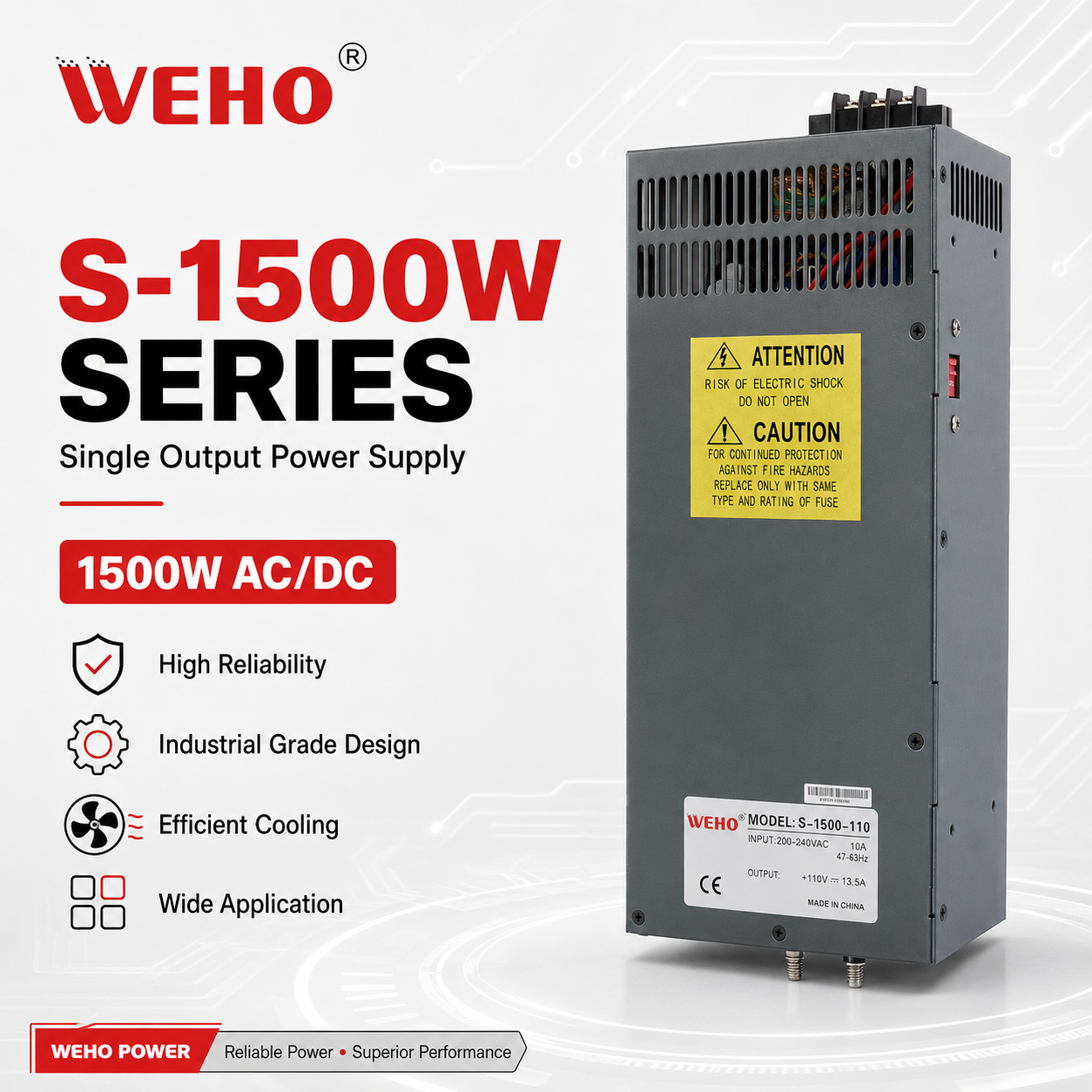
Adams County, Denver Industrial North, and Commerce City host extensive high-bay Controlled Environment Agriculture (CEA) operations. Our high-power S-1500-24 and centralized DC distribution drivers provide high photon efficacy, low total harmonic distortion (THD < 10%), and 0-10V or PWM dimming synchronization for dense multi-tier canopy lighting.
Architectural Facade & Urban Illumination
High-end residential and commercial architecture across Cherry Creek, LoDo, and the Denver Performing Arts Complex demand compact, flicker-free enclosed power units. Our slimline LRS series and waterproof drivers fit smoothly into narrow extrusions, channel-letter signage, and cove moldings, operating invisibly and silently without audible transformer whine.
Transit Signage & Highway Wayfinding
I-25, I-70, and RTD commuter rail corridors experience high mechanical vibration, diesel soot, and massive annual thermal variations. Harlon’s vibration-tested, anti-corrosive aluminum power units maintain steady 12V and 24V supply rails for outdoor variable message displays, lane monitoring LEDs, and surveillance feeds 365 days a year.
Cold-Chain & Warehouse Automation
With major freight logistics centers concentrated along Denver International Airport (DEN) and Central 70, automated cold-storage facilities utilize our -40°C cold-start power converters to run freezer-grade LED illumination, barcode scanners, and automated sorting conveyor controls without warm-up delays or tripping breakers.
Denver Energy Code Alignment & Sustainability Mandates
The City and County of Denver has enacted some of the most aggressive climate action policies in North America, spearheaded by the Energize Denver ordinance, the Denver Green Buildings Ordinance, and the phased implementation of the 2022/2025 Denver Energy Code (derived from IECC updates). Commercial building retrofits and new constructions over 25,000 sq. ft. are legally bound to meet strict building performance standards (BPS), with energy use intensity (EUI) targets tightening annually toward a net-zero trajectory by 2040.
High Efficiency Active PFC & Harmonic Mitigation
Under these stringent local directives, lighting systems are scrutinized for parasitic power losses. Traditional passive switching power supplies with low power factors (PF < 0.70) generate harmful harmonic distortion that overheats neutral conductors and triggers utility billing penalties under Xcel Energy commercial rate structures. Harlon's industrial LED power supplies feature dual-stage active Power Factor Correction (Active PFC), achieving power factors greater than 0.96 across wide AC input ranges (90–264VAC) with Total Harmonic Distortion (THD) strictly controlled below 12% under full load. This compliance safeguards building certification while maximizing rebates available through Xcel Energy’s commercial lighting efficiency incentive programs.
Decentralized Class 2 Safety (NEC Article 725 & UL 1310)
Electrical labor costs in the Denver-Boulder metro area remain among the highest in the Mountain West. Electrical engineers frequently mandate NEC Class 2 compliant circuits (output voltage ≤ 60VDC, power limited ≤ 100VA) to minimize installation costs. By utilizing Class 2 compliant power modules from Harlon, contractors can run lightweight, non-conduit plenum-rated low-voltage wiring without metal raceways, dramatically reducing field installation labor while guaranteeing absolute fire hazard and shock mitigation inside ceiling plenums and hollow drywall partitions.
19+
Years Power Electronics R&D
3000W
Max Industrial SMPS Capacity
10,000m²
ISO 9001 Production Base
4.8 / 5
Verified International Buyer Rating
Enterprise Manufacturing Authority
Why North American Importers Partner with Harlon
Headquartered in Wenzhou’s Marine Economic Development Demonstration Zone, Zhejiang Harlon Electronic Co., Ltd. operates as a verified source manufacturer—not a broker or trading firm. We control product reliability from surface-mount pick-and-place to 100% loaded burn-in aging.
SGS On-Site Factory Verification
Our complete factory facilities, including 10+ automated assembly lines, wave soldering chambers, and workforce operations, have been inspected and verified on-site by SGS Group. Full audit credentials and factory video inspection tours are accessible for immediate procurement due diligence.
In-House EMC & Environmental Lab
We do not rely on third-party estimates. Our internal engineering department features an RF shielded chamber, EMI test receiver, lightning surge generators, high-voltage hi-pot insulation testers, vibration measurement rigs, and programmable high-and-low temperature thermal cycling chambers.
100% Full-Load Burn-In Screen
Infant component mortality is caught inside our factory, not at your customer’s Denver installation site. Every single power unit passes an automated, data-logged burn-in test at elevated thermal loads before final voltage calibration, packaging, and export crate dispatch.
Stable Supply Chain Ecosystem
Backed by over 31 long-term component suppliers, our procurement of original ICs, premium Japanese/Taiwanese electrolytic capacitors, and magnetic cores is thoroughly shielded against spot-market volatility, ensuring identical bill-of-materials (BOM) consistency across production batches.
Turnkey OEM / ODM & Private Label
We configure custom terminal blocks, flying lead lengths, DC plug formats, waterproof resin encapsulation, custom voltage set-points (such as 36V or 48V telecom/horticulture), and apply your private company branding and laser-etched compliance markings seamlessly.
Streamlined North American Logistics
Decades of continuous exporting to the United States enable us to manage prompt DDU, CIF, and FOB shipments to Denver air freight hubs (DEN) or intermodal rail transfers connecting from Long Beach / Seattle ports directly into Front Range distribution facilities.
Procurement Engineering FAQ
Frequently Asked Questions: Denver & Front Range Sourcing
Direct technical answers addressing altitude specifications, import documentation, lead times, and compliance requirements for Colorado electrical specifiers.
Why must power supplies installed in Denver be evaluated for altitude derating?
Denver sits at an elevation of 5,280 feet, where the barometric pressure drops to approximately 83.4 kPa. Convective heat removal relies on air molecule density; thinner air cools aluminum chassis and transformer cores less effectively. To prevent internal hotspot formation beyond safety limits, engineers must either derate baseline current draws by 8–10% or select models with advanced heat sinking and higher thermal-rated components like Harlon's industrial-grade SMPS.
How do Harlon switching supplies handle Denver's extreme sub-zero cold snaps?
During severe Colorado winter Arctic fronts, outdoor junction boxes and unheated warehouse facilities experience ambient drops down to -20°F to -30°F (-29°C to -34°C). Standard commercial electrolytic capacitors can freeze or suffer electrolyte shrinkage, causing severe startup failures or extreme voltage oscillation. Harlon specifies low-ESR capacitors rated down to -40°C alongside robust soft-start inrush circuitry, guaranteeing smooth power delivery on first switch-on.
Are your power supplies compatible with UL 1310 Class 2 power limitations?
Yes. We manufacture a comprehensive range of isolated single and dual-channel 12V and 24V LED drivers specifically engineered to stay below the 100VA / 60VDC safety boundaries designated by UL 1310 and National Electrical Code (NEC) Article 725. This allows electrical contractors in Denver to install low-voltage architectural circuits without cumbersome conduit raceways, keeping projects compliant with Denver Building Code inspections.
Can you customize output voltages for specialized Front Range greenhouse horticulture?
Absolutely. Denver and surrounding counties host major indoor commercial agriculture installations utilizing non-standard high-density LED arrays requiring 36V, 48V, or 54V DC bus bars. Our engineering team can fine-tune output potentiometers, integrate custom waterproof quick-connect cables, and configure centralized 1500W to 3000W DC power banks that separate sensitive driver electronics from humid grow rooms.
What documentation is provided to satisfy commercial project sign-offs in Colorado?
We provide full technical documentation packets with every OEM order: comprehensive engineering datasheets, factory test certificates (COA), isolation hi-pot test records, CE and RoHS compliance reports, and EMC verification certificates. For custom projects, our lab delivers full thermal chamber logs validating performance under client-specified temperature and load constraints.
What are the standard lead times for custom or volume shipments to Denver?
Catalog model sample batches for evaluation typically ship via air courier within 3 to 5 business days, reaching Denver in approximately 5 to 7 days. Production runs (1,000 to 20,000 units) maintain a manufacturing cycle of 15 to 22 business days. Ocean intermodal container shipping to Front Range freight terminals usually takes 22 to 30 days, while expedited air-freight options are available for urgent retrofit deadlines.
Request an Altitude-Engineered Power Proposal for Your Denver Project
Whether you require standard 12V/24V architectural drivers, high-bay horticulture power supplies, or bespoke OEM design modifications, our electrical engineering team provides rapid turnaround on quotes, custom samples, and regulatory verification dossiers.
 Deutsch
 Español
 Français
 Português
 Italiano
 Русский
 العربية
 Türkçe