ISO 9001 & SGS On-Site Assessed Exporter

Modified Sine Wave Inverter Factory & Exporter in the Dortmund Market

High-Efficiency DC-to-AC Power Conversion Engineering, Custom Industrial SMPS & DIN Rail Integrated Power Supplies Built to German CE, EMC, and Low Voltage Directives.

Core Product Lineup

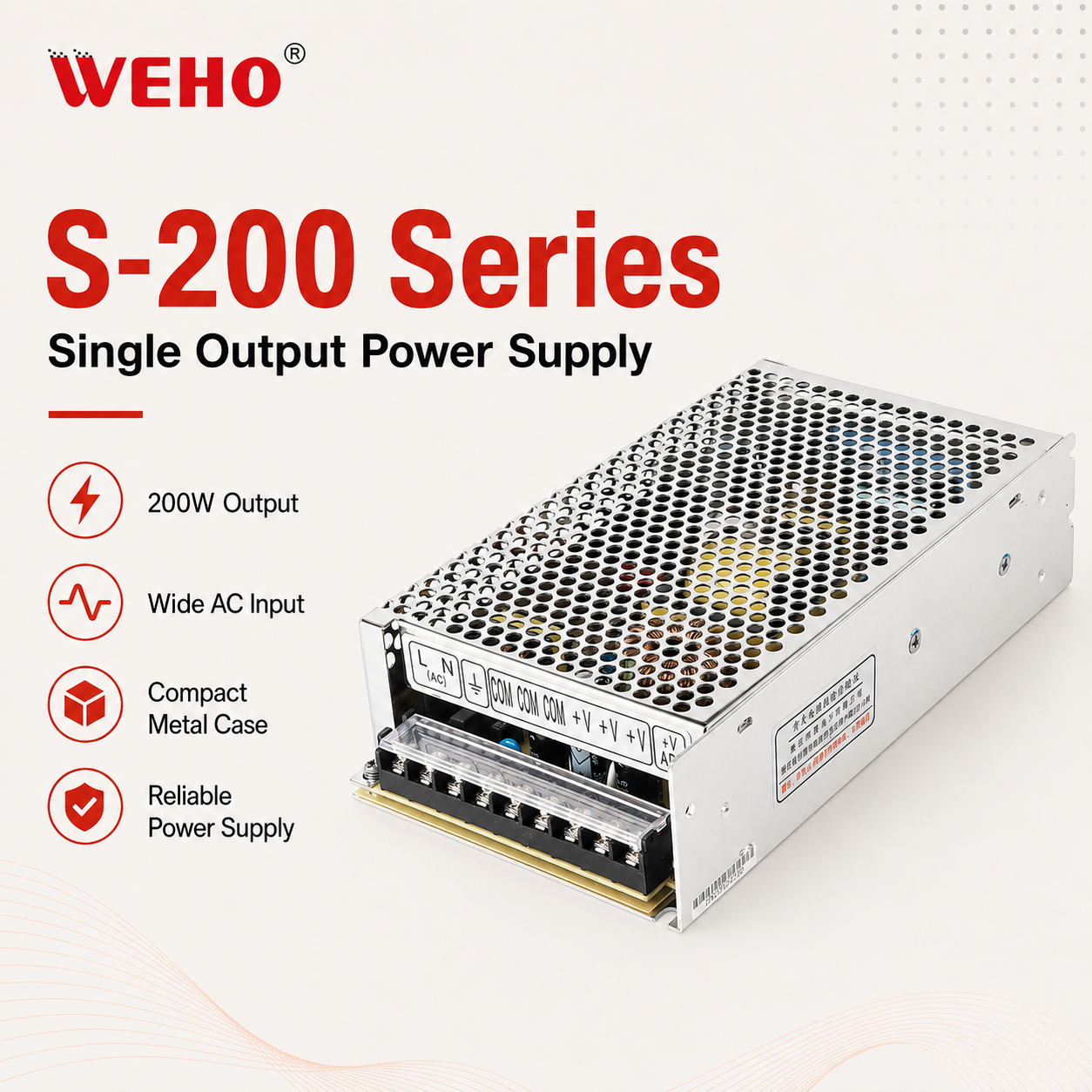
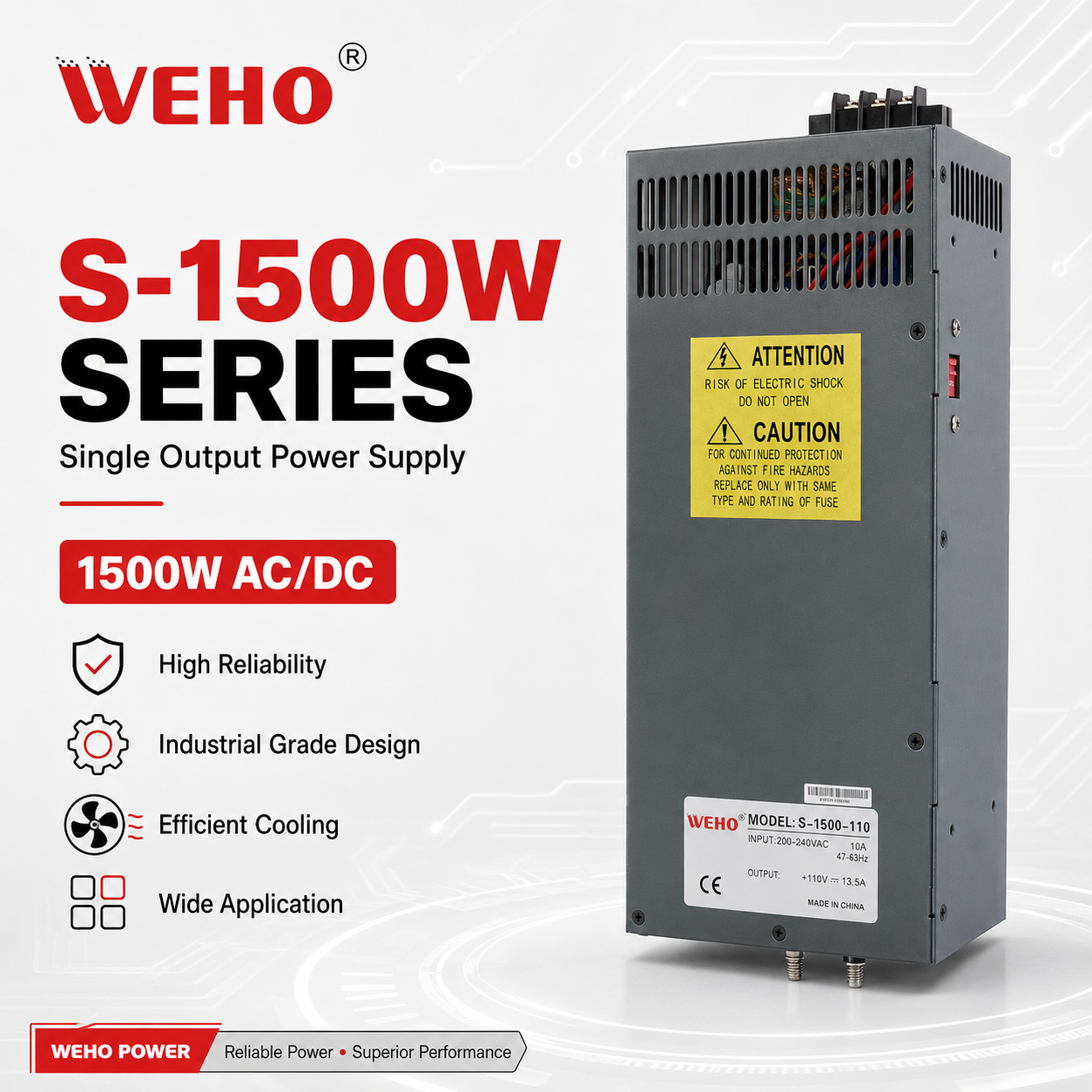
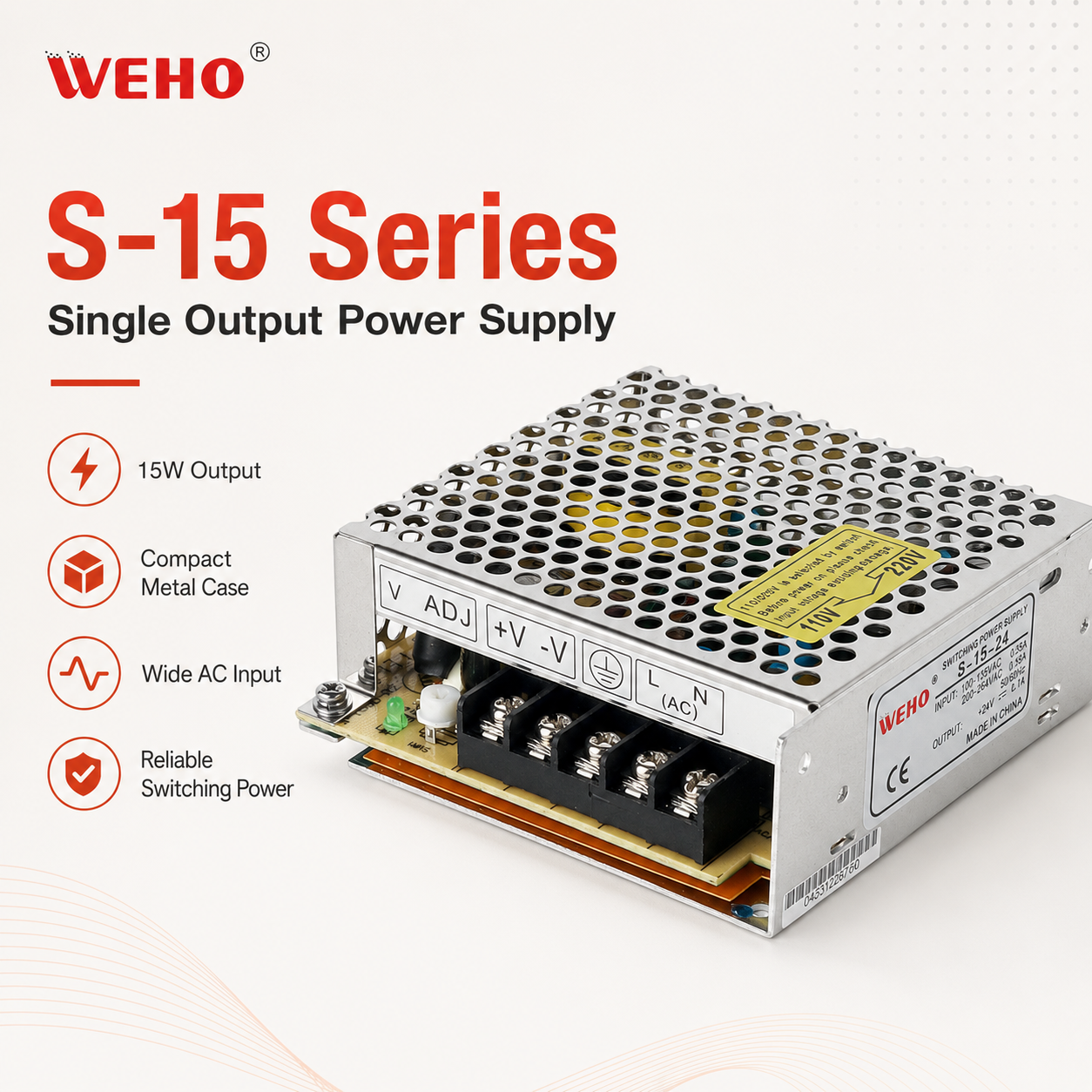
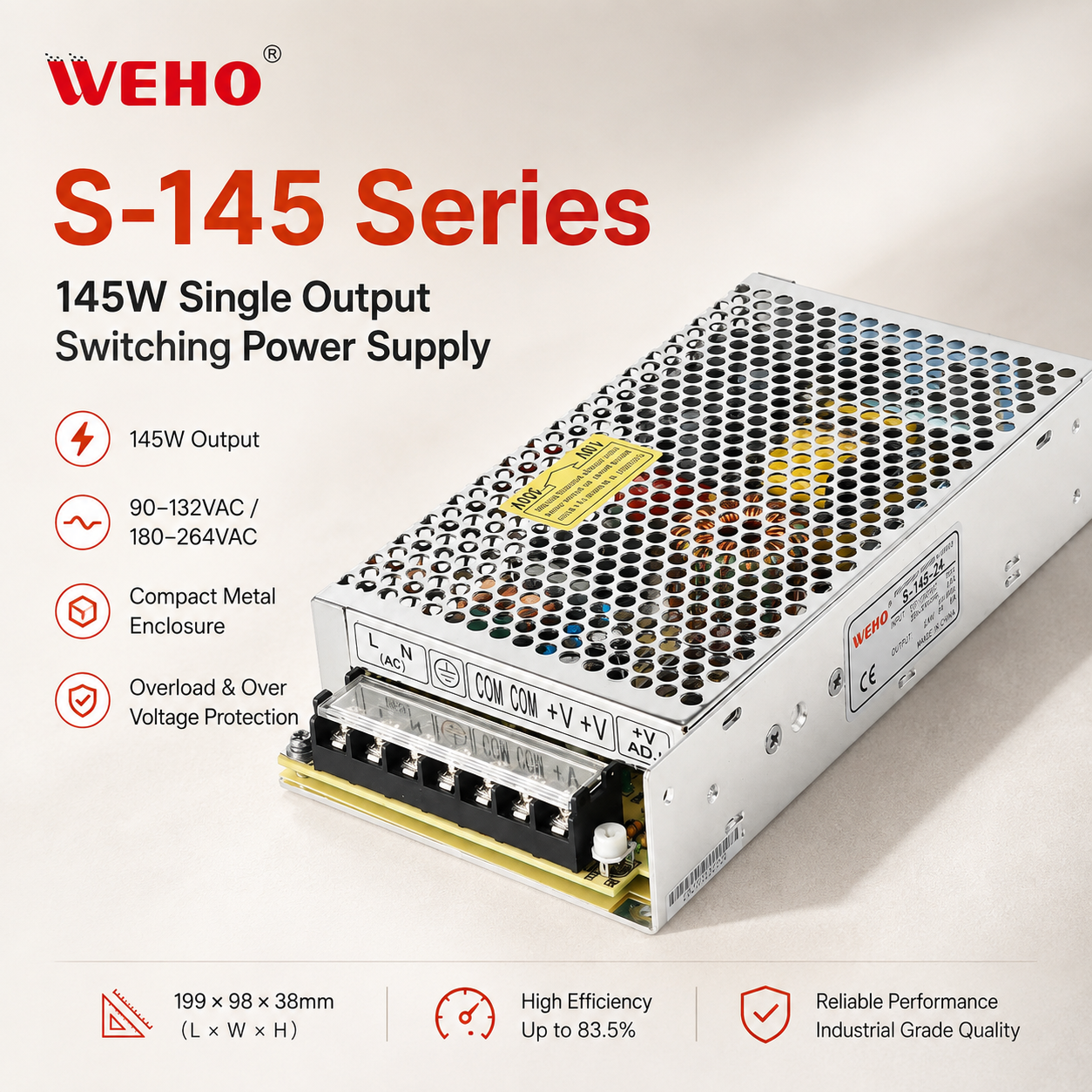
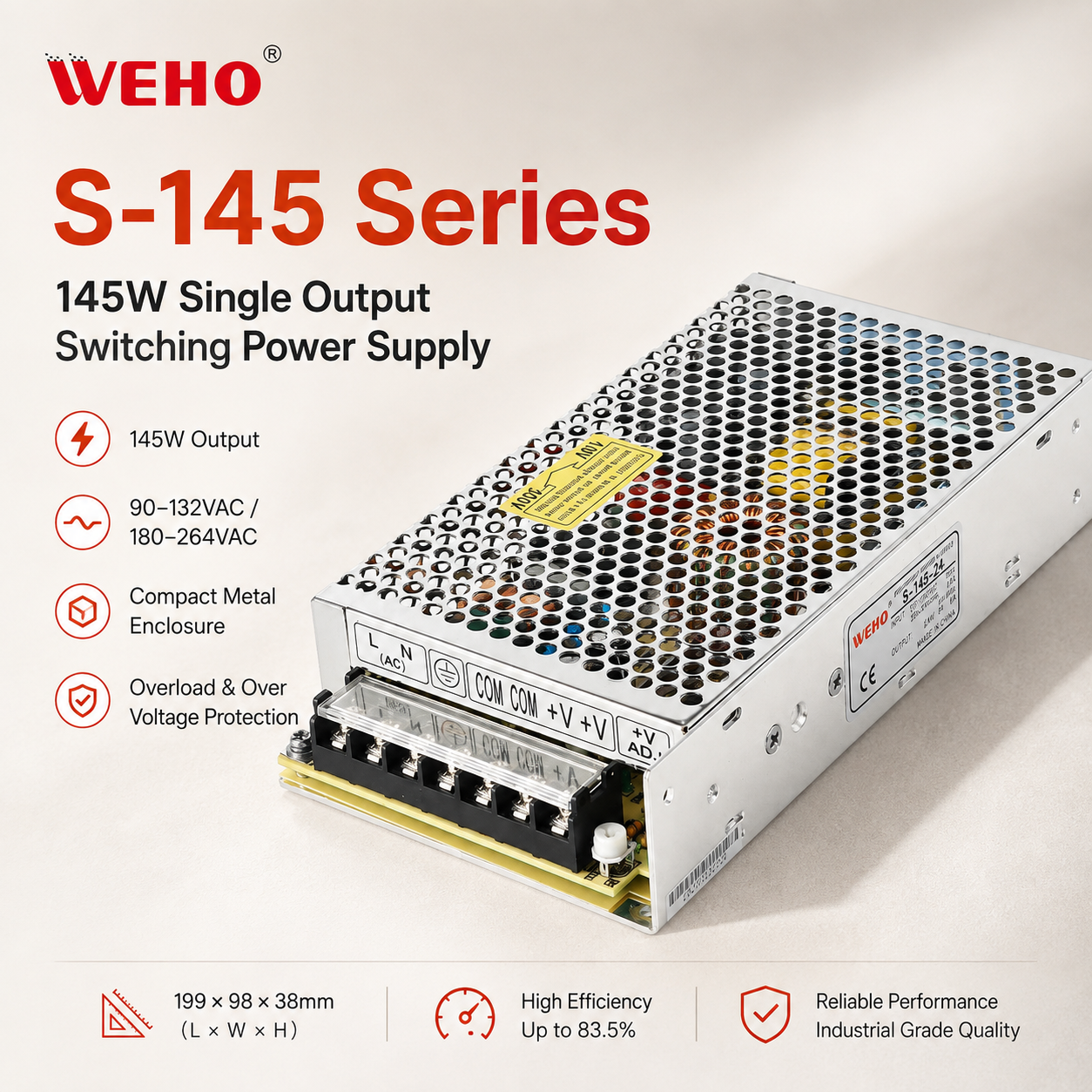
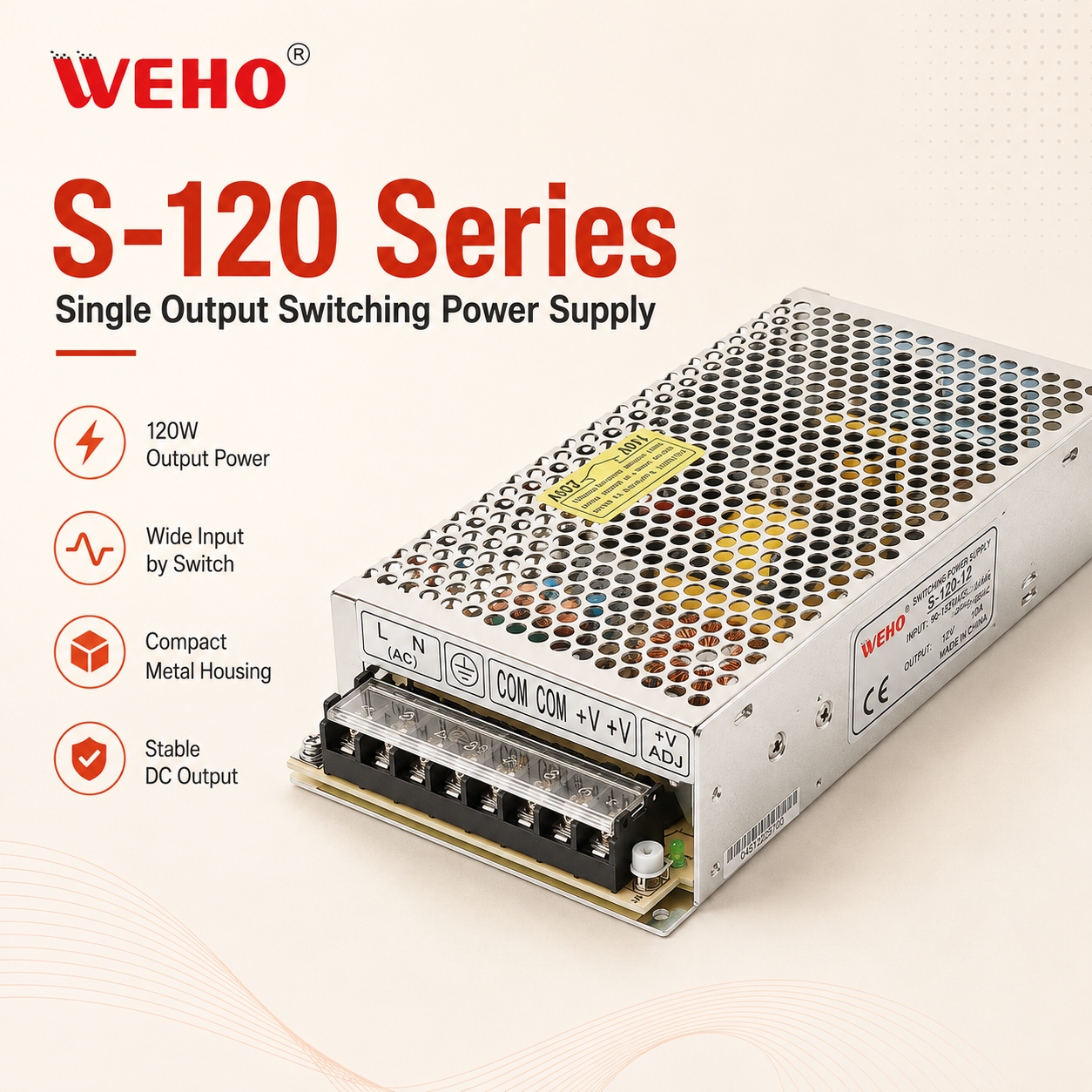
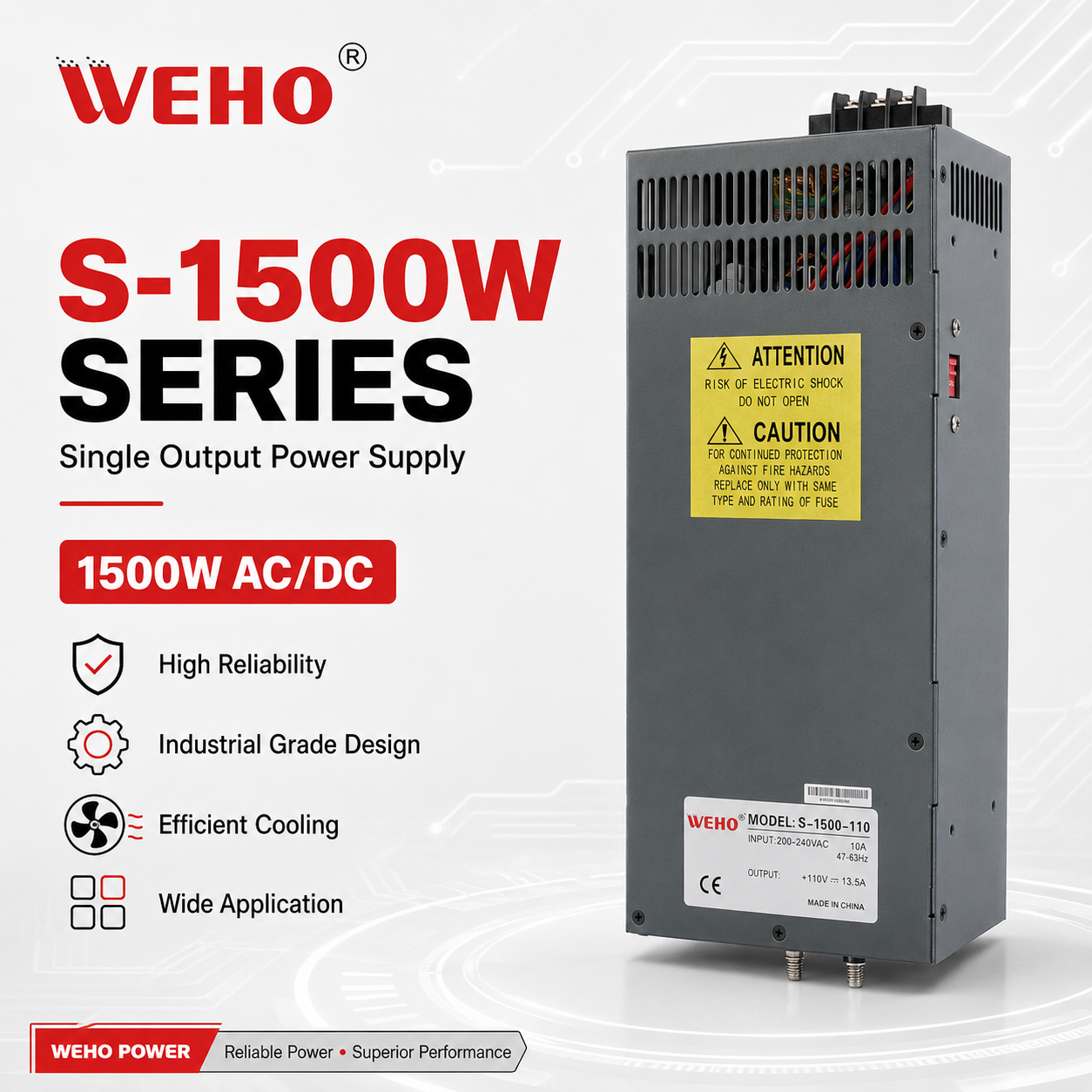
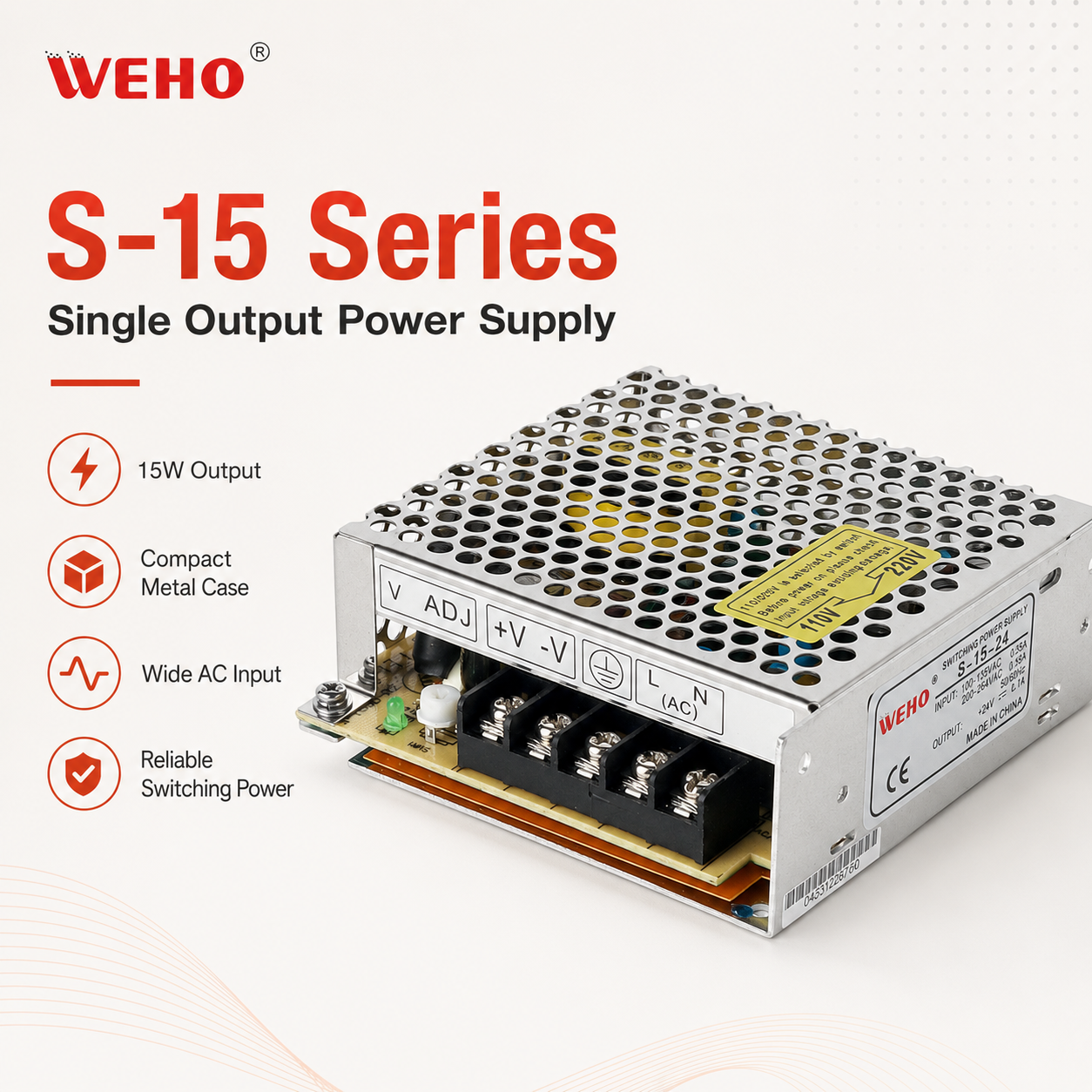
Precision Switching Power Supplies & Inverter Hardware

Engineered for high-temperature full-load stability, industrial DIN automation panels, auxiliary telecom equipment, and commercial vehicle fleet systems across North Rhine-Westphalia.

Engineering Whitepaper & Strategic Sourcing

Optimizing Modified Sine Wave Inverters for the Dortmund Logistics & Industrial Basin

A comprehensive techno-economic analysis on balancing Total Cost of Ownership (TCO), harmonic distortion mitigation, and load profile matching in the Ruhr Valley.

As Germany accelerates its industrial energy transformation (Energiewende), Dortmund has evolved from a historic coal and steel stronghold into a premier continental hub for advanced third-party logistics (3PL), intralogistics engineering, and automated field services across the state of North Rhine-Westphalia (NRW). In this demanding operational theater, mobile power delivery systems face a critical balancing act: delivering rugged, high-surge 230V alternating current from 12V, 24V, or 48V DC battery banks while maintaining strict procurement budgets. Modified sine wave inverters (quasi-sine or stepped-wave inverters) remain the backbone of heavy commercial transport, municipal maintenance fleets, and construction outfits due to their unbeatable thermal efficiency, circuit simplicity, and exceptional resilience against mechanical shock.

1. The Electrical Topography: Modified Sine Wave vs. Pure Sine Wave in Commercial Applications

Procurement teams and electrical systems integrators often face the dilemma of whether pure sine wave topology is genuinely required or whether a precision-engineered modified sine wave inverter provides superior return on investment. A modified sine wave architecture approximates a sinusoidal waveform using a three-level stepped PWM (pulse-width modulation) sequence with dead zones at zero crossings. Because the output alternates between peak positive, zero, and peak negative voltages with calibrated duty cycles, the root-mean-square (RMS) voltage precisely mirrors European grid standards (230V ±5%, 50Hz).

Evaluation Parameter Modified Sine Wave (Quasi-Sinus) Pure Sine Wave (SPWM Topology) Direct Impact on Dortmund Fleets
BOM & Unit Sourcing Cost Base cost index: 1.0 (Highly economical) Cost index: 1.8x to 2.4x higher Significant capital savings for 50+ van fleets
Conversion Efficiency at Rated Load 88% to 92% (Fewer switching losses) 86% to 90% (Filter inductor loss) Less battery drain during overnight depot parking
Load Compatibility Scope Resistive loads, universal brush motors, chargers, heaters 100% of all linear and non-linear inductive loads Covers 85% of mobile craft (Handwerker) tools
In-rush Surge Handling (Peak Power) Up to 200% for 2.0 seconds with low component stress Requires oversized MOSFET banks Reliably kicks off heavy angle grinders and compressors
Failure Modes & MTBF High MTBF (>100,000h), simpler gate drivers Higher component count, LC filter wear Lower maintenance calls in Ruhr field conditions

2. Solving Harmonic Distortion & Inductive Back-EMF Challenges

While modified sine wave inverters are cost-effective, unbranded or substandard units frequently suffer from excessive Total Harmonic Distortion (THD > 35%) and parasitic voltage spikes caused by inductive kickback from motors. Zhejiang Harlon Electronic addresses these engineering obstacles directly at the factory level. By integrating heavy-duty multi-stage snubber networks, advanced micro-controller (MCU) timing dead-bands, and imported high-frequency MOSFET switches, our inverters limit switching ringing and maintain stable peak-to-RMS ratios under shifting loads. This prevents high core losses in universal power tools, soldering equipment, and resistive immersion systems utilized across Dortmund’s container terminals and assembly plants.

Ruhr Basin Deployments

Localized Applications Across Dortmund's Industrial & Logistics Infrastructure

Delivering high-reliability off-grid power solutions tailored to the operating conditions of North Rhine-Westphalia's freight corridors, service fleets, and industrial facilities.

Mobile Handwerker Fleets

Installed directly into service vans (Mercedes Sprinter, VW Crafter) operating in Dortmund, providing 230V AC for angle grinders, drills, battery pack fast-chargers, and mobile heat guns without requiring costly generator sets.

Dortmund Port Logistics (Dortmunder Hafen)

Auxiliary off-grid DC-to-AC conversion on container terminal handling equipment, tugs, and inland waterway freight vessels where 24V marine and industrial batteries power emergency lighting and heating units.

Decentralized Solar & Micro-Storage

Cost-effective conversion units for off-grid industrial telemetry huts, security watch posts, and peripheral logistics yards transitioning to decentralized 12V/24V photovoltaic arrays with battery banks.

Emergency Infrastructure Auxiliary

Rugged, instant-switch secondary power units coupled with our high-power SMPS to maintain base station telemetry, valve actuations, and diagnostic monitors during municipal grid maintenance across NRW.

19+
Years Power Electronics Manufacturing (Since 2007)
10,000 m²
Standardized ISO 9001 Production Facility
3000W
Max Single-Module Output Capability
4.8 / 5.0
Average International Buyer Satisfaction Index
German Regulatory & Market Dynamics

Emerging Trends & Compliance Protocols in Dortmund Sourcing

How strict CE, Low Voltage Directive (LVD), and EMC regulations govern power equipment entry into European B2B supply chains.

DIN EN & CE Marking Rigor

German procurement officers in Dortmund require unconditional compliance with EN 62368-1 (Audio/video, information and communication technology equipment safety) and EN 61000-6-3 for emission standards in residential and commercial environments. Modified sine wave units must incorporate active EMI filtering to avoid jamming CAN-bus telematics and vehicle radio systems.

Fleet Electrification & Dual DC Rails

With the rapid rollout of light commercial electric vehicles (e-LCVs) in Ruhr delivery hubs, secondary conversion systems are increasingly expected to step down from 48V or 72V DC battery packs into both regulated 24V DC for automation modules and 230V stepped AC for field equipment charging, necessitating integrated dual-stage SMPS topologies.

Demand for Thermal Derating Transparency

German engineering audits reject theoretical nominal ratings that cannot survive high ambient temperatures. Dortmund industrial buyers strictly evaluate derating curves between -20°C and +60°C. Factory-level 100% full-load burn-in at elevated temperatures is now an indispensable prerequisite for supply tenders.

Why Partner with Us

18+ Years Manufacturing Authority: Zhejiang Harlon Electronic Co., Ltd.

Combining proprietary power topology engineering, SGS on-site factory verification, and agile OEM/ODM manufacturing capability.

Proprietary Factory & 10+ Production Lines

Unlike trading intermediaries, Zhejiang Harlon operates its own dedicated 10,000 m² manufacturing plant located in the Marine Economic Development Demonstration Zone in Wenzhou, Zhejiang. Equipped with automatic SMT placement, high-speed through-hole insertion, automatic wave soldering, and double-liquid glue potting machinery, our capacity exceeds millions of units annually with rigorous lot traceability.

30 Years R&D Leadership & Customization

Our core engineering director brings approximately 30 years of specialized power conversion and inverter design experience. We support end-to-end OEM and ODM workflows: customized DC input windows (9.5V–16V, 20V–32V, 40V–60V), calibrated European Schuko or C13 outlets, bespoke enclosure dimensions for DIN-rail or chassis mounting, and custom-branded buyer labels.

Independent SGS On-Site Verification

Zhejiang Harlon maintains a 17-year established international supplier profile verified on-site by SGS Group. Our operations encompass incoming raw material inspection (IQC), in-process quality control (IPQC), and 100% finished product inspection (FQC) to provide German technical auditors with full compliance assurance.

Nine-Stage Closed-Loop Manufacturing & Quality Control Flow

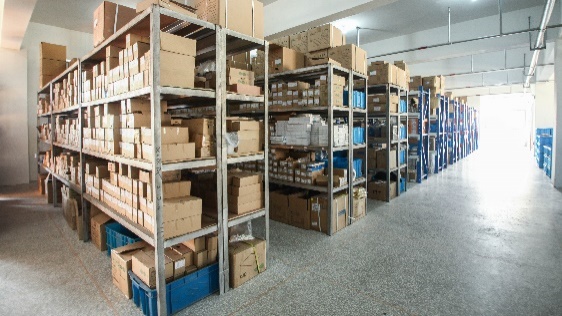
Raw Material Inspection

1. Raw Material Incoming Inspection (IQC)

100% verification of imported power MOSFETs, copper magnetic transformers, high-ripple electrolytic capacitors, and flame-retardant FR-4 PCB substrates.

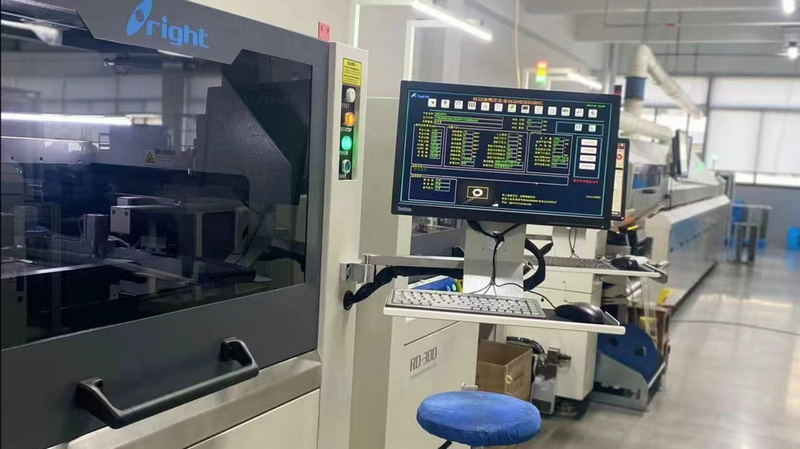
SMT Automated Assembly

2. High-Speed SMT & Optical Alignment

Automated surface mount technology lines with AOI (Automated Optical Inspection) ensuring solder paste consistency and high placement precision.

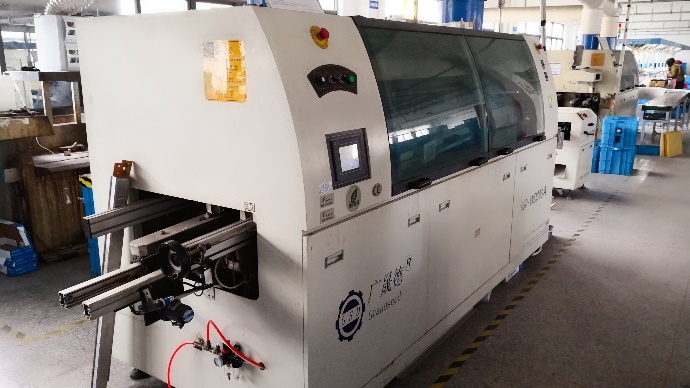
Wave Soldering Machine

3. Wave Soldering & Terminal Bonding

Dual-wave nitrogen soldering tunnels preventing cold solder joints, followed by manual micro-inspection of high-current power traces.

Output Voltage Calibration

4. Micro-Potentiometer Precision Calibration

Fine calibration of output voltage thresholds, PWM duty cycle limits, and short-circuit crowbar activation points on automated test benches.

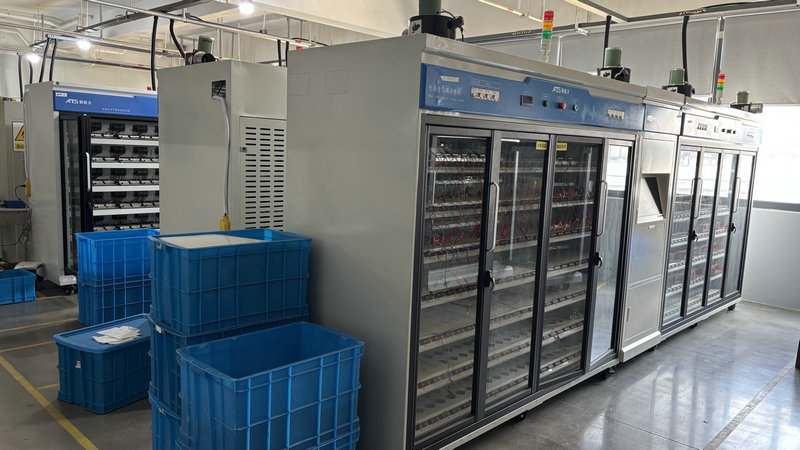
High Temperature Burn-In Chamber

5. 100% Loaded High-Temp Burn-In (Aging)

Every unit undergoes continuous 4-hour to 8-hour dynamic full-load burn-in at elevated ambient temperatures to eliminate infant mortality.

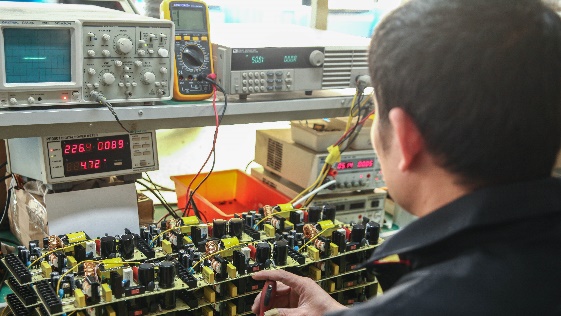
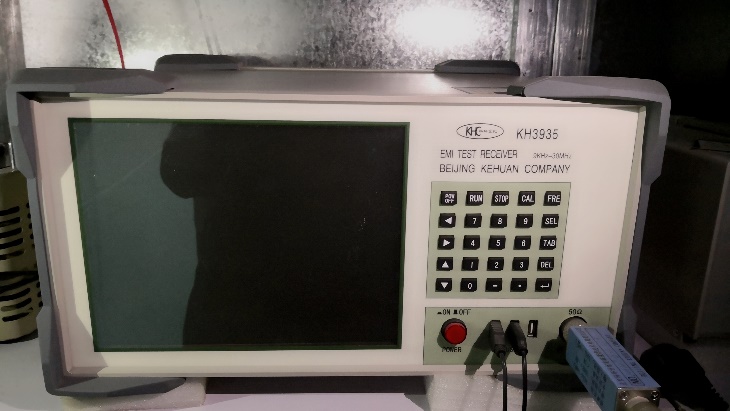
EMI Test Receiver and Laboratory

6. Complete In-House Safety & EMC Audits

In-house testing using digital storage oscilloscopes, lightning surge generators, hi-pot insulation testers, and shielded EMI receivers.

Procurement Intelligence

Frequently Asked Questions by German Engineering & Sourcing Teams

Concrete, data-driven answers addressing import logistics, customs tariffs, warranty conditions, and technical load limits.

Can our technicians run power tools with modified sine wave inverters?

Yes. Universal brush motors found in standard commercial power tools (e.g., Bosch Professional, Makita, Festool angle grinders, impact drills, and reciprocating saws) operate cleanly and powerfully on modified sine waves. However, for sensitive brushless motor drives with variable frequency controllers (VFDs) or precision medical monitors, we recommend our specialized high-frequency pure sine series.

What documentation do you supply for German customs and CE clearance?

We supply complete Declaration of Conformity (DoC) certificates, test reports covering the Low Voltage Directive (LVD 2014/35/EU) and Electromagnetic Compatibility Directive (EMC 2014/30/EU), RoHS 2.0 chemical analysis records, and standard English/German user schematics. Commercial invoices include precise HS codes for swift clearance through German customs.

What are the minimum order quantities (MOQ) and sample lead times?

For standard catalog SMPS and inverter units, our sample lead time is 3–5 working days with express air delivery (DHL/FedEx) arriving in Dortmund within 4–6 business days. For customized OEM production (special voltages, tailored metal housings, private labeling), the initial qualification run starts as low as 50–100 units, scaling smoothly to multi-container shipments.

How does Zhejiang Harlon handle warranty claims and field failure analysis?

Every product carries a standard factory warranty ranging from 24 to 36 months depending on the specific series. In the event of a field failure, our engineering team in Wenzhou conducts full Failure Mode and Effects Analysis (FMEA) within 48 hours of receiving photographic, waveform, or physical samples, providing direct replacement buffers or engineering revisions.

Which Incoterms and payment terms are available for Dortmund importers?

We regularly execute shipments under EXW, FOB Ningbo/Shanghai, CFR, CIF Hamburg/Rotterdam, and DDP (Delivered Duty Paid directly to your Dortmund warehouse). Flexible international payment structures include T/T, Confirmed Irrevocable L/C at sight, PayPal for sample orders, and credit terms for verified long-term OEM distribution partners.

Can you provide custom DC input voltages for specialized railway or EV setups?

Yes. Our R&D team frequently designs non-standard DC rails including 36V, 72V, 96V, and 110V DC input variants specifically for electric intralogistics tractors, railway maintenance carts, and hybrid industrial generator setups common in European heavy industry.

Request Technical Data Sheets, CAD Drawings & Sample Inverters

Direct communication with our chief power electronics engineers. Receive personalized BOM quotations, custom voltage adjustments, and compliance files for your Dortmund project within 24 hours.

Contact Us