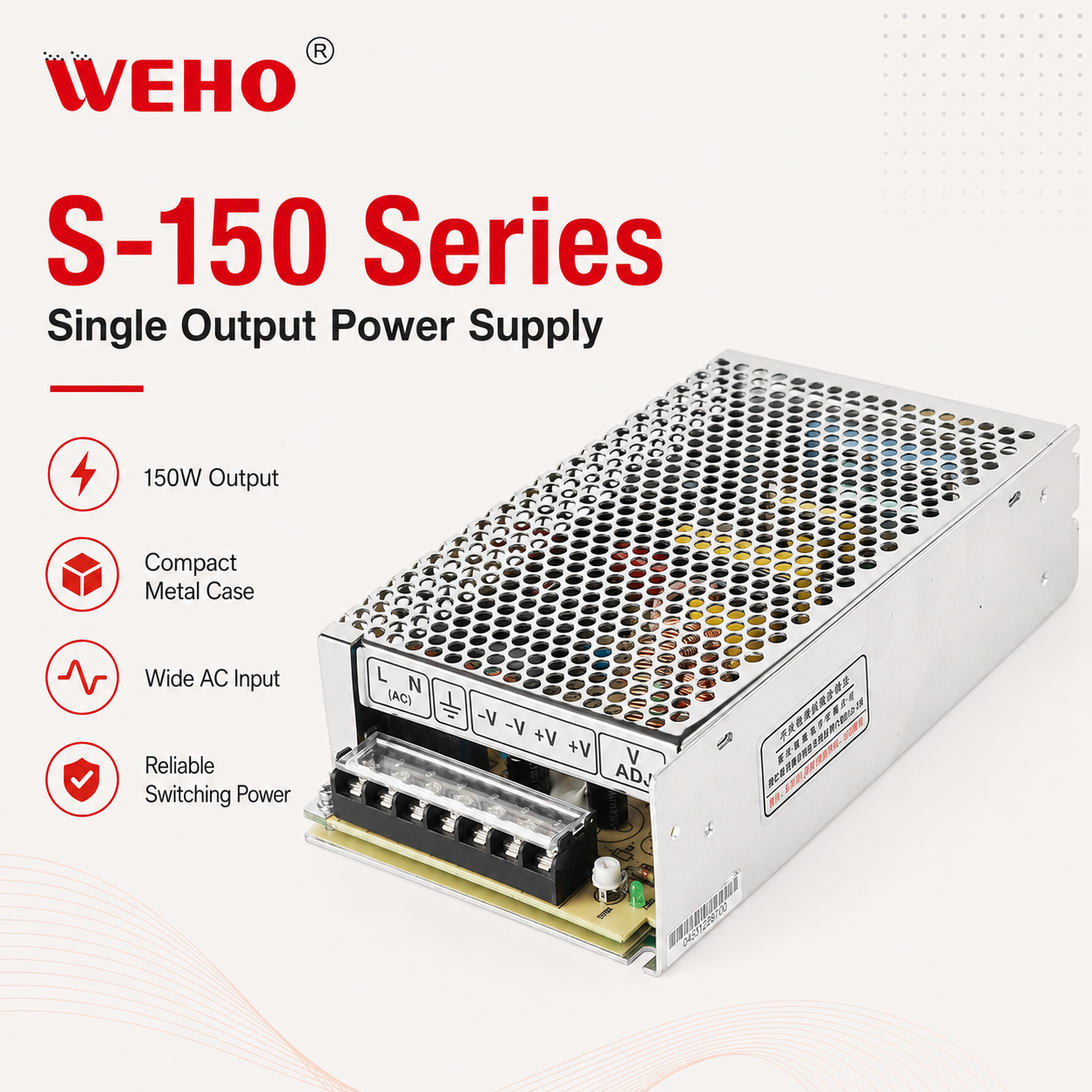
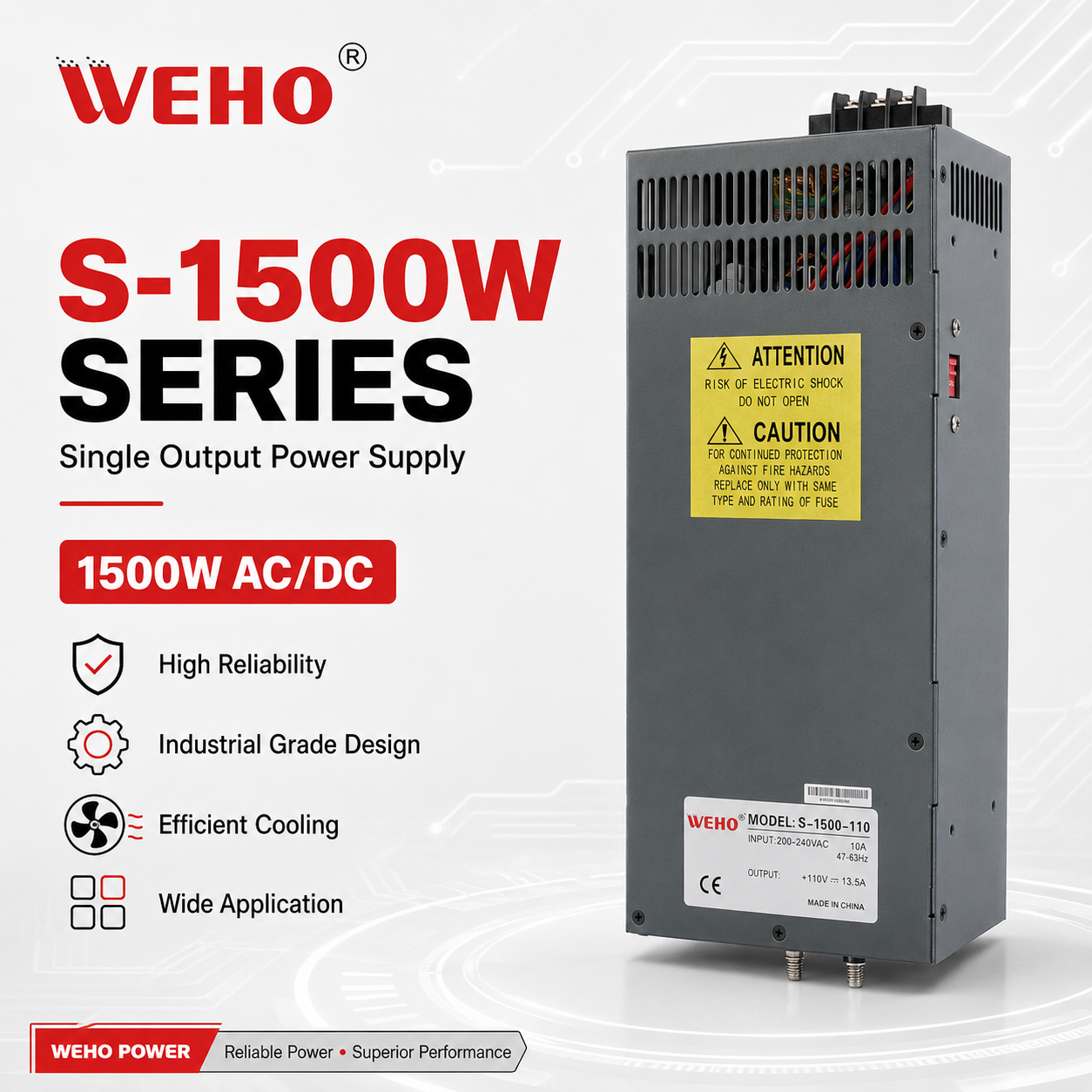
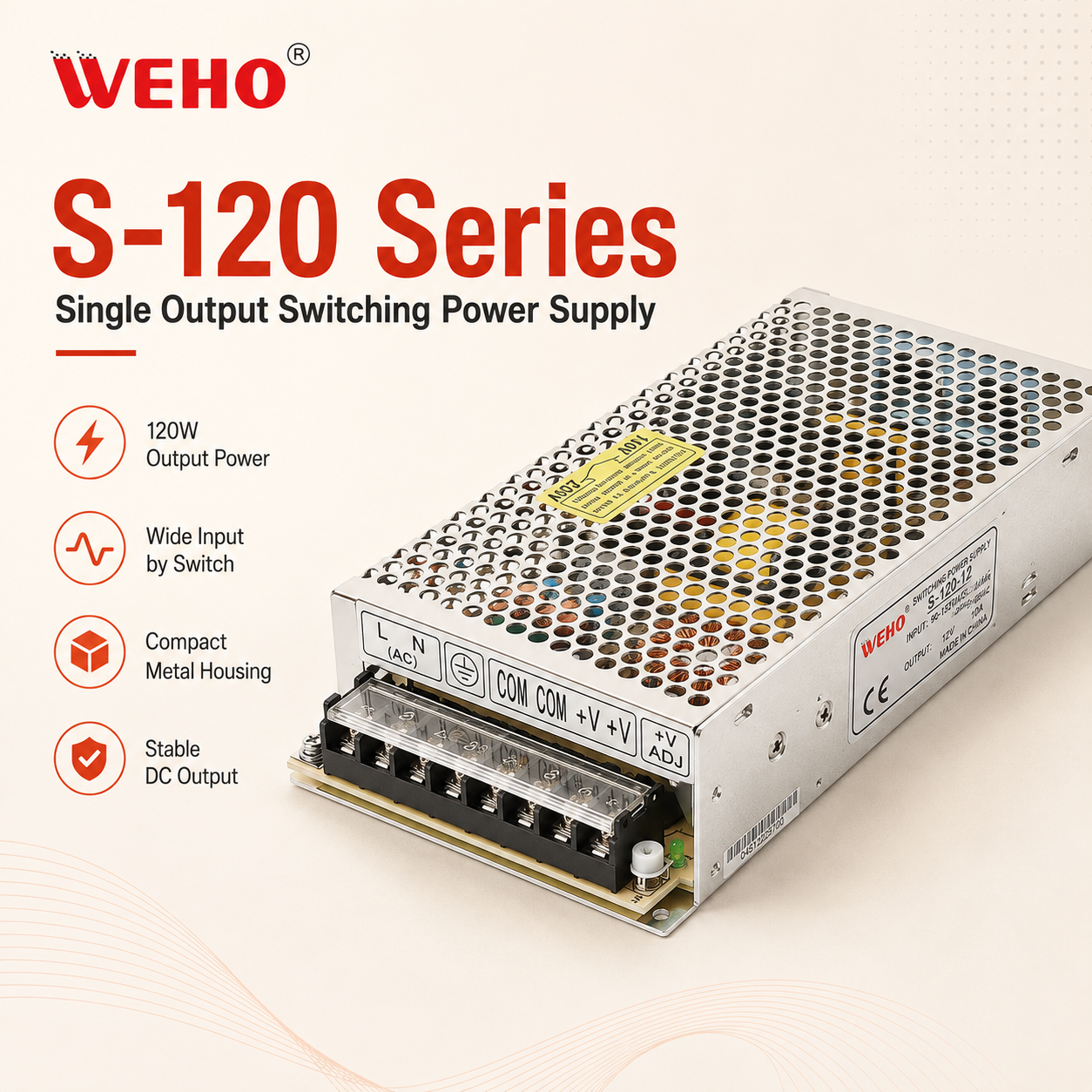
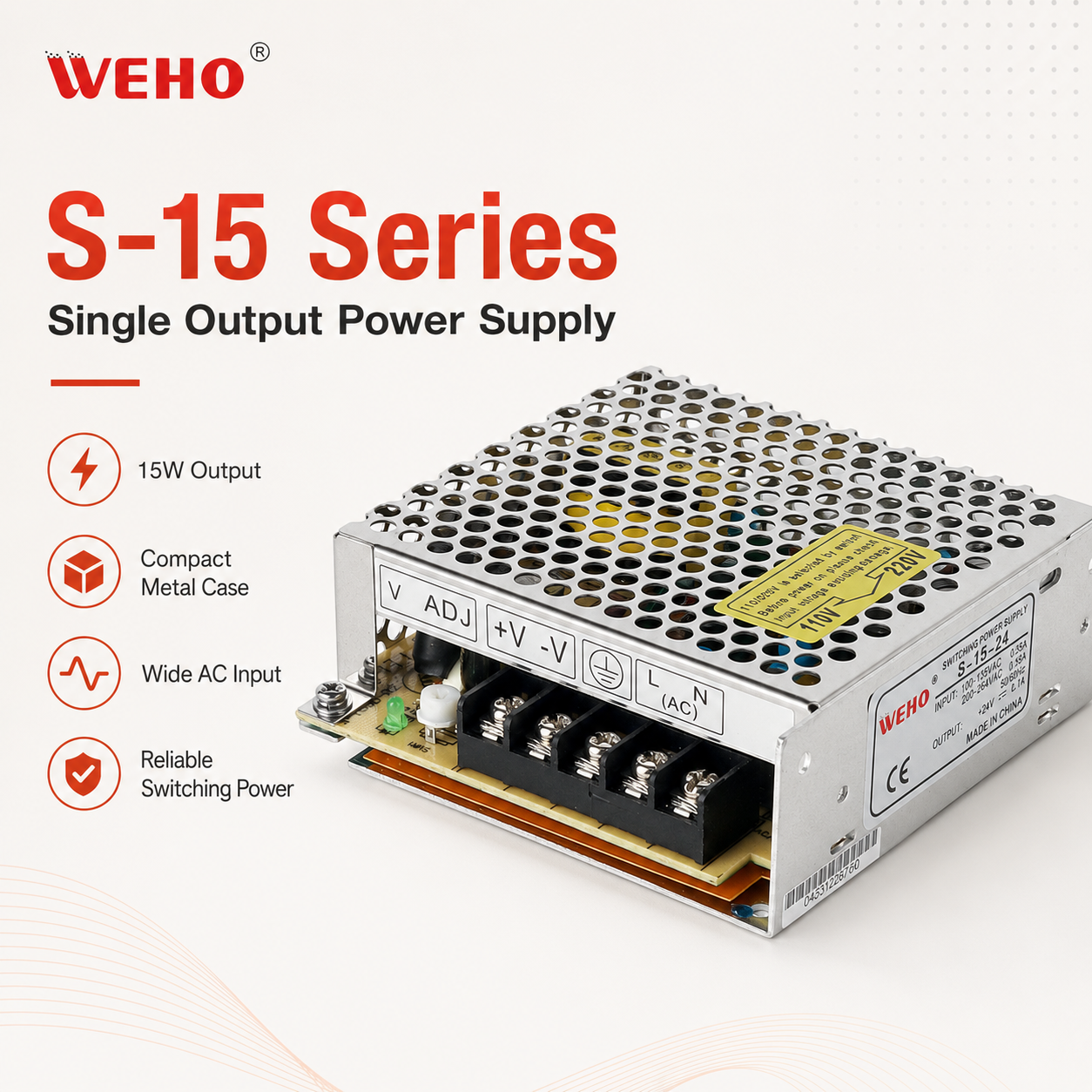
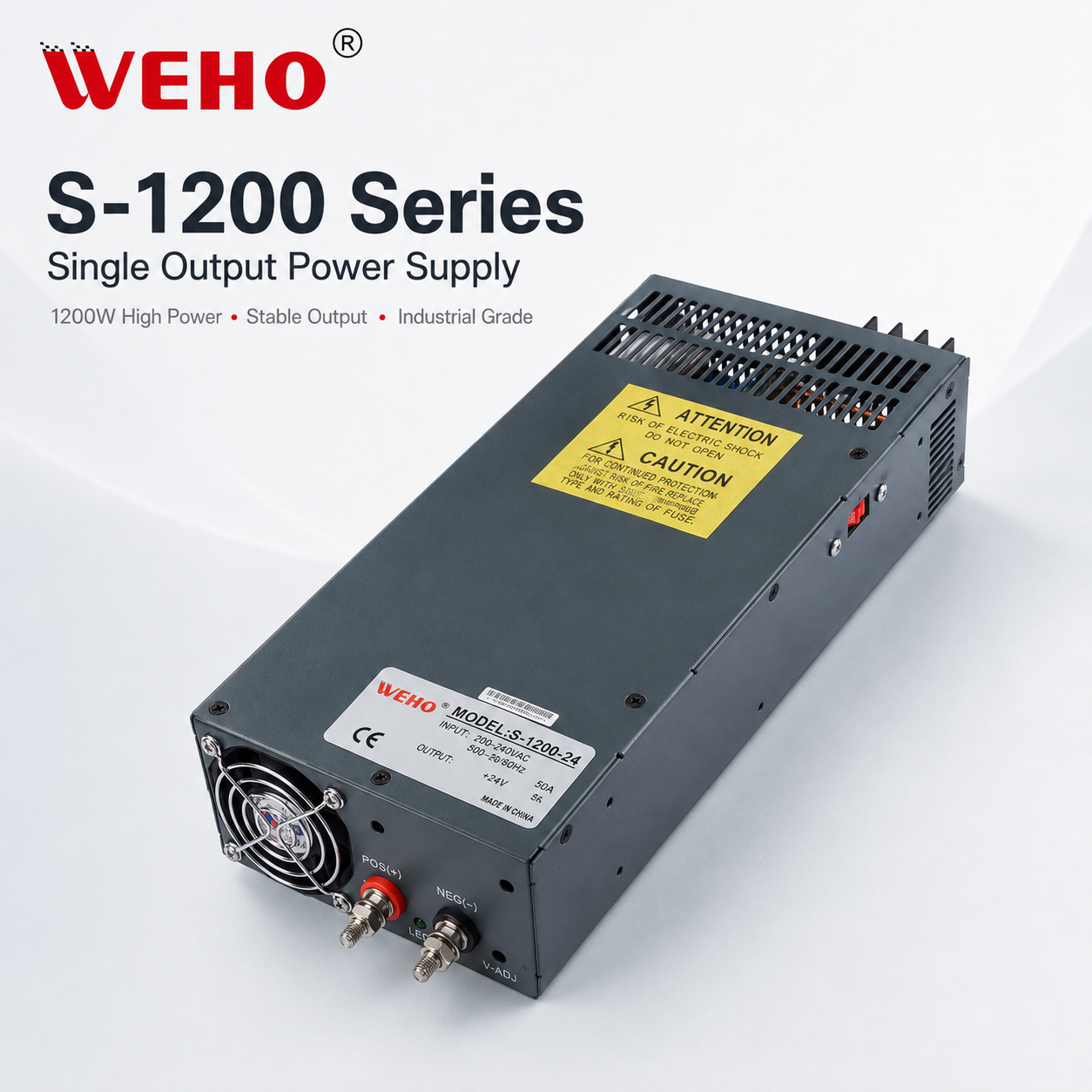
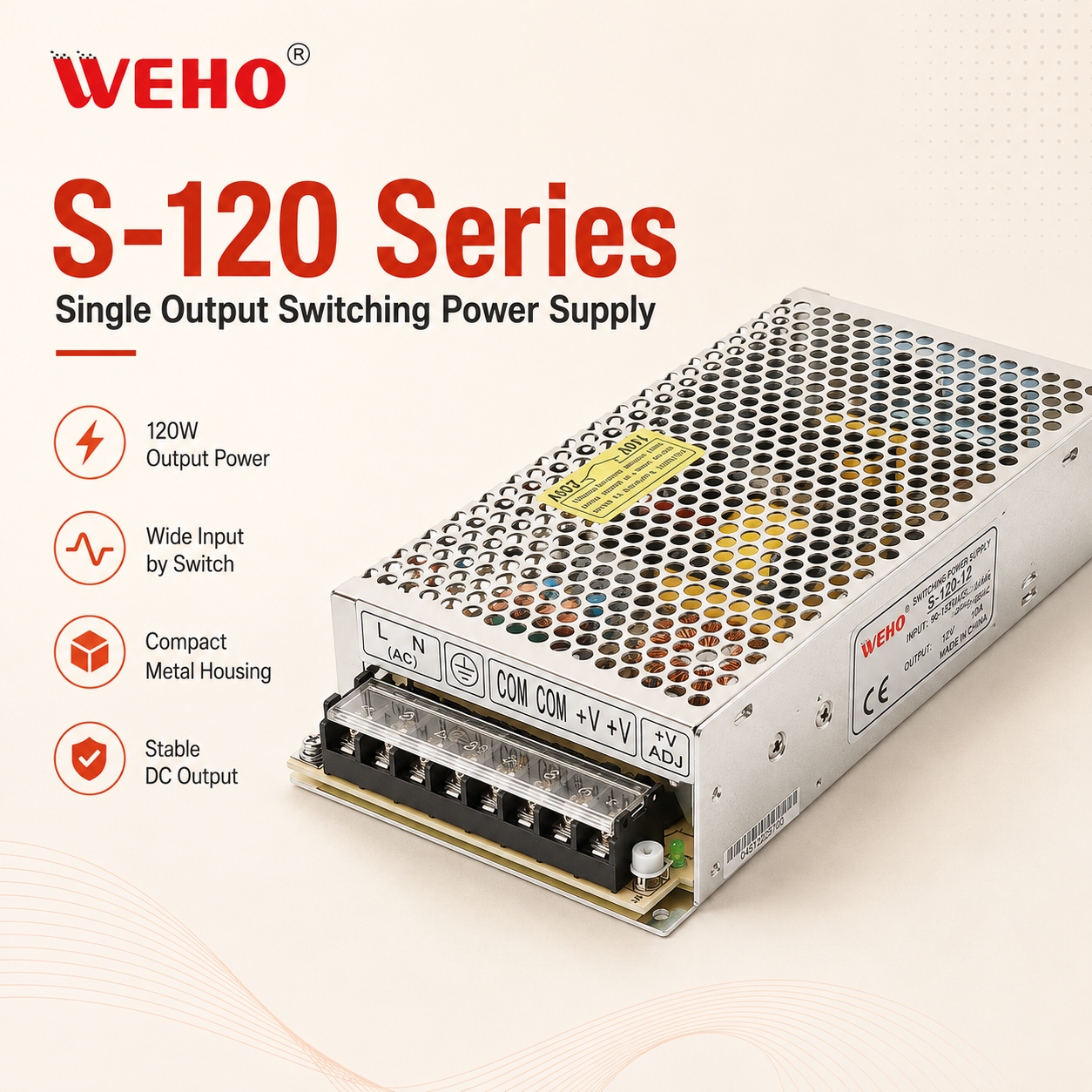
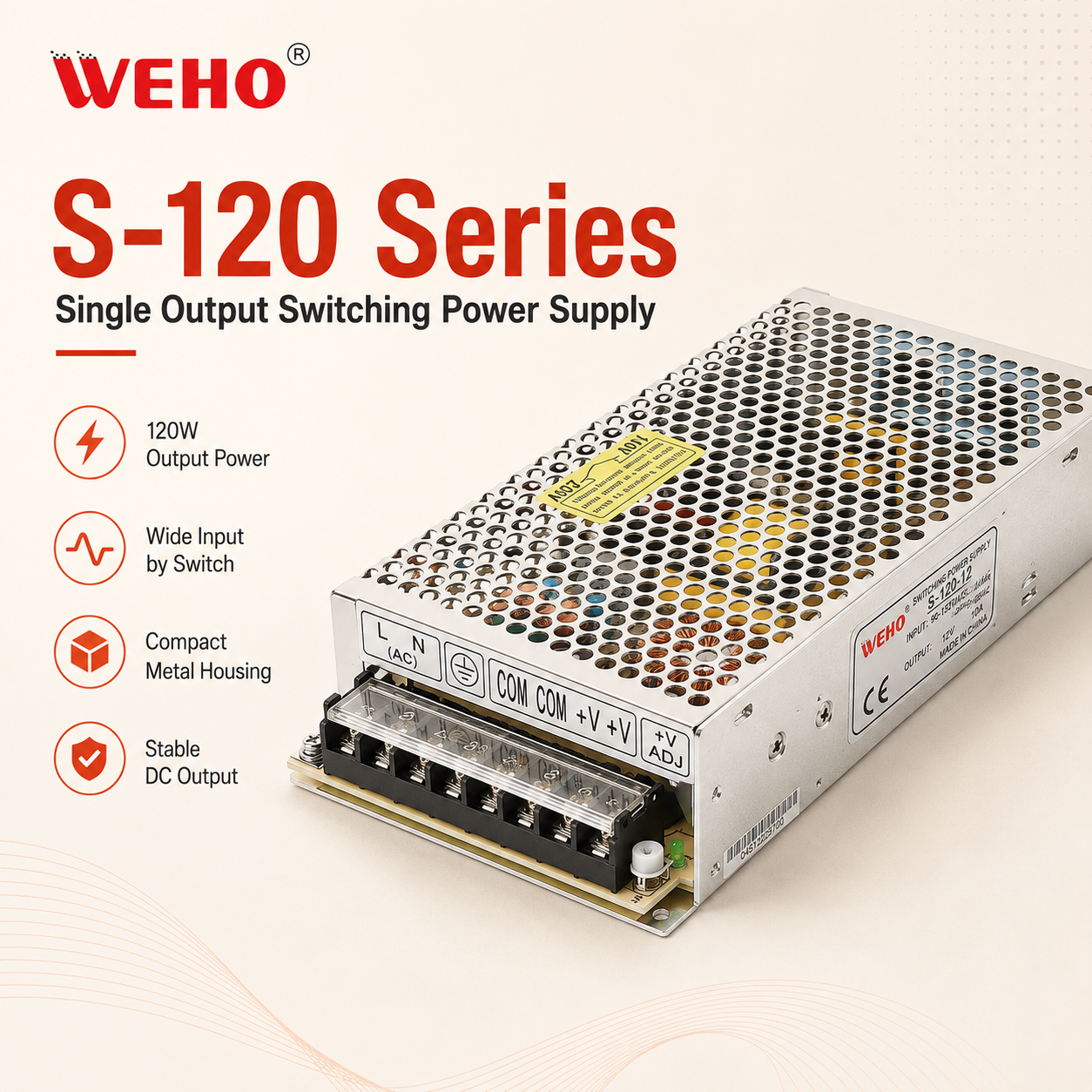
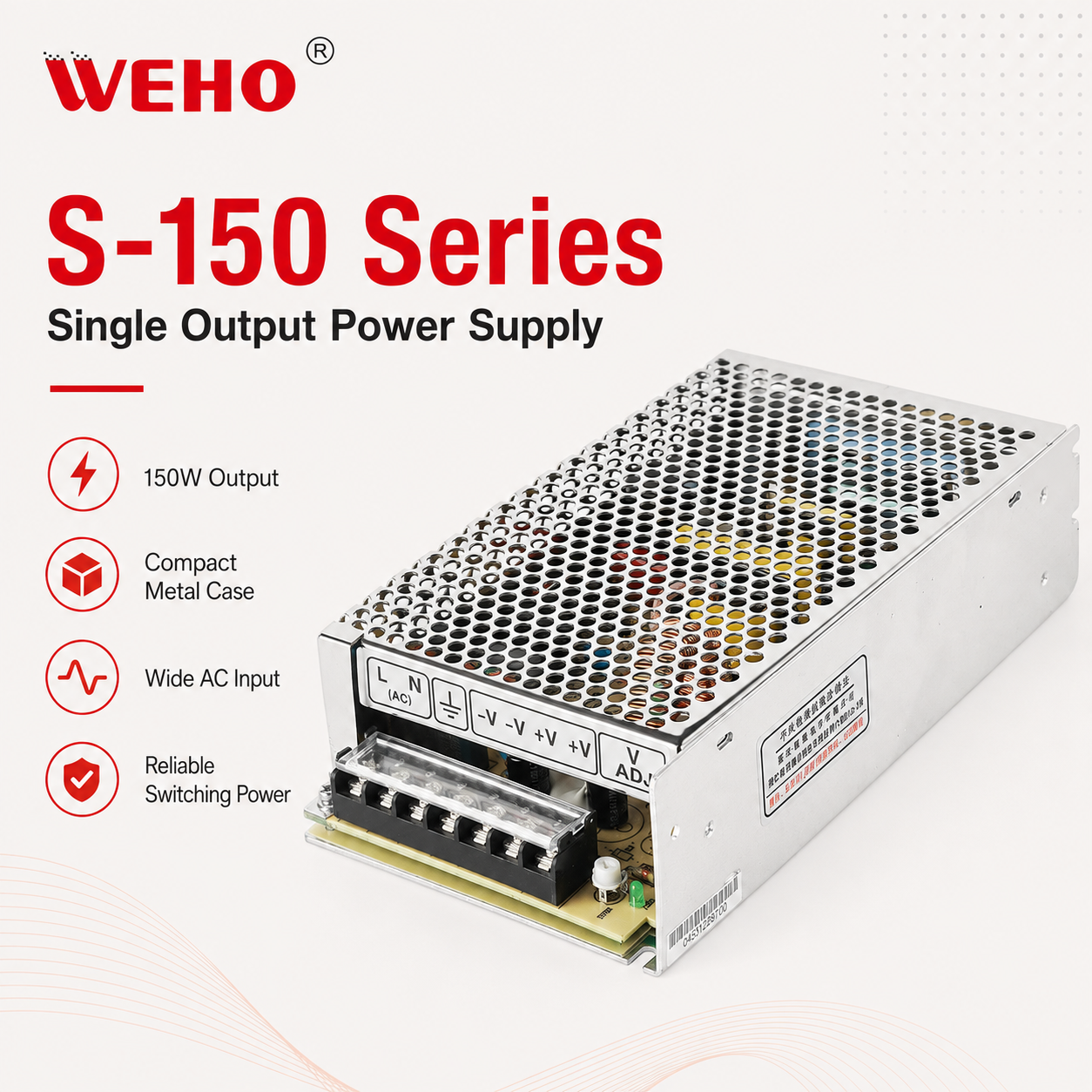
Engineered for seamless synchronization with Japanese electrical architectures. Below are our verified high-efficiency AC/DC and DC switching modules utilized by Japanese system integrators for inverter DC bus stabilization, auxiliary charging, and LED telecommunication infrastructure.
Exporting power electronics to Japan demands an intricate understanding of one of the world's most unique electrical grids. Unlike uniform continental networks, Japan operates on a strictly bifurcated AC transmission system: Eastern Japan (Tokyo, Tohoku, Hokkaido) utilizes a 50Hz frequency driven by original German 50Hz dynamos imported in 1895, whereas Western Japan (Osaka, Kyoto, Nagoya, Kyushu) operates on 60Hz powered by American General Electric generators. Furthermore, Japan is virtually the only industrialized nation standardizing on 100V AC nominal single-phase voltage (with permissible tolerances of 101V ± 6V under the Japanese Electric Utility Industry Law).
A standard 110V or 120V modified sine wave inverter engineered for North American grids presents substantial operational hazards when deployed in Japan. Resistive heating elements over-dissipate wattage when fed over-voltages, whereas precision power supplies inside Japanese consumer electronics undergo excessive stress. Our specialized modified sine wave inverter product series for Japan integrates a precision pulse-width modulation (PWM) microprocessor controller calibrated specifically for true 100V RMS output. In tandem, each export-grade unit incorporates a user-selectable or auto-sensing 50Hz/60Hz toggle switch with quartz crystal oscillation accuracy (±0.05%), ensuring absolute compliance whether operated in Yokohama or Kobe.
Modified sine wave topology—fundamentally a three-stage quasi-square wave (positive pulse, zero-volt dead-time interval, negative pulse)—offers unparalleled economic and volumetric efficiency compared to pure sine wave architectures. For loads such as electric heaters, halogen lighting, universal AC/DC brushed motor tools, and secondary SMPS-driven battery chargers, our modified sine wave inverters provide an optimal balance of cost, ruggedness, and efficiency exceeding 90%.
| Performance Parameter | Generic Global Inverter | Japan Dedicated Specification (Harlon Co., Ltd.) | Impact on Japanese Operations |
|---|---|---|---|
| Nominal AC Output Voltage | 110V - 120V AC RMS | 100V AC RMS (±3% Regulation) | Prevents overheating in domestic Japanese heating elements & motors. |
| Output Frequency | Fixed 60Hz or 50Hz | Selectable 50Hz (East) / 60Hz (West) | Seamless cross-prefecture operability across Tokyo and Kansai borders. |
| Dead-Time (Zero Voltage Band) | Unregulated (15% - 25%) | Calibrated 30° PWM Dead-Time | Maximizes peak voltage to RMS ratio (1.414) for SMPS power supplies. |
| No-Load Quiescent Current | 0.8A - 1.5A @ 12V DC | ≤ 0.35A (Eco-Power Saver Active) | Critical for Japanese Kei-car battery preservation in disaster scenarios. |
| Regulatory Readiness | CE Only / FCC Part 15 | METI Den-an Law (PSE Harmonized Design) | Facilitates rapid Japanese importer notification and safety clearance. |
| Chassis Thermal Design | Extruded Aluminum 1.0mm | Cold-Rolled Ribbed Case + Dual Smart Fan | Withstands high humidity (85% RH) and automotive engine-bay vibration. |
Our modified sine wave inverter product series addresses critical operational demands in Japan, where disaster resilience, micro-mobility, and marine industrial operations demand fail-safe decentralized energy.
Japan faces frequent seismic disruptions and typhoon threats. Municipalities and enterprise facilities mandate Business Continuity Plans (BCP). Our 100V modified sine wave inverters function as instant off-grid converters coupled with emergency vehicle lead-acid or LiFePO4 batteries, delivering emergency lighting, communications, radio stations, and medical refrigeration backup across evacuation centers.
The Japanese micro-camping (*Kurumahaku* 車中泊) and agricultural utility culture relies heavily on 660cc Kei-vans and Daihatsu/Suzuki Kei-trucks. The ultra-compact footprint and low standby draw of our inverters enable mobile farmers and weekend adventurers to run electric cookers, power tools, water kettles, and LED work lights directly from standard 12V automotive alternators.
Operating in coastal ports from Hokkaido to Shizuoka, small-scale coastal fishing vessels require auxiliary 100V power derived from 24V marine battery banks. Our conformal-coated internal PCBAs resist saline air corrosion and moisture, running squid-attracting auxiliary LED spotlights, onboard de-icing elements, and marine radio communications without pure sine wave cost overheads.
Across Japan's mountainous interior (Nagano, Niigata), cellular relay stations and seasonal alpine mountain lodges rely on solar PV arrays connected to 24V/48V battery banks. Our high-wattage inverters provide continuous 100V AC power for cabin space heating coils, surveillance cameras, and perimeter safety lighting during sub-zero winter freeze periods.
Japanese road repair crews and Tokyo underground utility teams require mobile AC current for angle grinders, soldering guns, and heat guns where combustion generators are prohibited due to strict urban noise ordinances (*Souon Kisei-hou*). Our inverters deliver massive 2x surge capabilities for motor startup without triggering acoustic violations.
Strategic procurement directors must anticipate how legislative shifts, clean energy transitions, and micro-grid decentralization are reshaping inverter requirements across Japan.
Traditional flooded lead-acid storage is rapidly vanishing across Japan in favor of Lithium Iron Phosphate (LiFePO4) battery packs. Modern modified sine wave inverters feature wider DC input voltage windows (9.5V - 16.5V DC for 12V models) and precise high-voltage cutoff thresholds to harmonize with LiFePO4 BMS safety disconnect curves.
With interior floor space at a premium in Japanese vehicles and residential emergency lockers, inverters are shifting toward planar transformer topologies and high-speed GaN/MOSFET switching stages, slashing enclosure volumes by 35% while sustaining superior heat dissipation.
As micro-electronics saturate Japanese smart living spaces, electromagnetic compatibility (EMC) regulations are intensifying. Advanced modified sine wave inverters incorporate multi-stage LC input/output harmonic filters to eliminate conducted noise back into onboard vehicle radios and navigation systems.
Japanese commercial importers face rigorous enforcement under the Electrical Appliance and Material Safety Law (DEN-AN). Future-proof inverters must feature flame-retardant UL94-V0 rated PCB substrates, halogen-free wiring harnesses, and modular repairable sub-assemblies for simplified recycling.
Combining 19 years of independent power electronics design with an ISO 9001 and SGS-audited smart factory. We bridge cost-competitive Chinese manufacturing scale with strict Japanese quality control disciplines.
Situated in Wenzhou's Marine Economic Development Zone, our facility operates 10+ automated production lines including surface-mount technology (SMT), automated component insertion, and automated wave-soldering machines.
Our engineering division is spearheaded by veteran power electronics designers with over three decades of topology innovation, delivering custom PCB layout, microcode programming for Japanese frequency specs, and rapid prototyping within 14 working days.
Zero escaped defects: Every unit undergoes automated loaded burn-in testing, lightning surge immunity verification, digital storage oscilloscope ripple screening, and programmable high-low temperature stress chamber cycling (-20°C to +65°C).
Full support for private-label silkscreening, Japanese-language safety warning silkscreens, Japanese retail blister packaging, serialized barcode tracking, and custom aluminum extrusion anodization colors (classic silver, obsidian black, or disaster-rescue orange).
Independently assessed on-site by SGS Group. Transparent factory floor access, traceable raw material procurement spanning 31 audited long-term component vendors, and formal RoHS, CE, and FCC qualification dossiers.
Streamlined export clearance out of Ningbo and Shanghai ports. Flexible Incoterms (FOB, CIF, CFR, DDU) with containerized consolidations yielding transit times to Tokyo Bay of just 3 to 5 days after factory dispatch.
Addressing crucial regulatory, technical, and logistical parameters for commercial importers, trading firms (*Shosha*), and system integrators across Japan.
Connect directly with our senior power supply engineering team. Provide your DC voltage, target wattage, frequency preference (50Hz / 60Hz), and packaging specifications to receive a verified technical proposal and sample dispatch quotation within 24 hours.