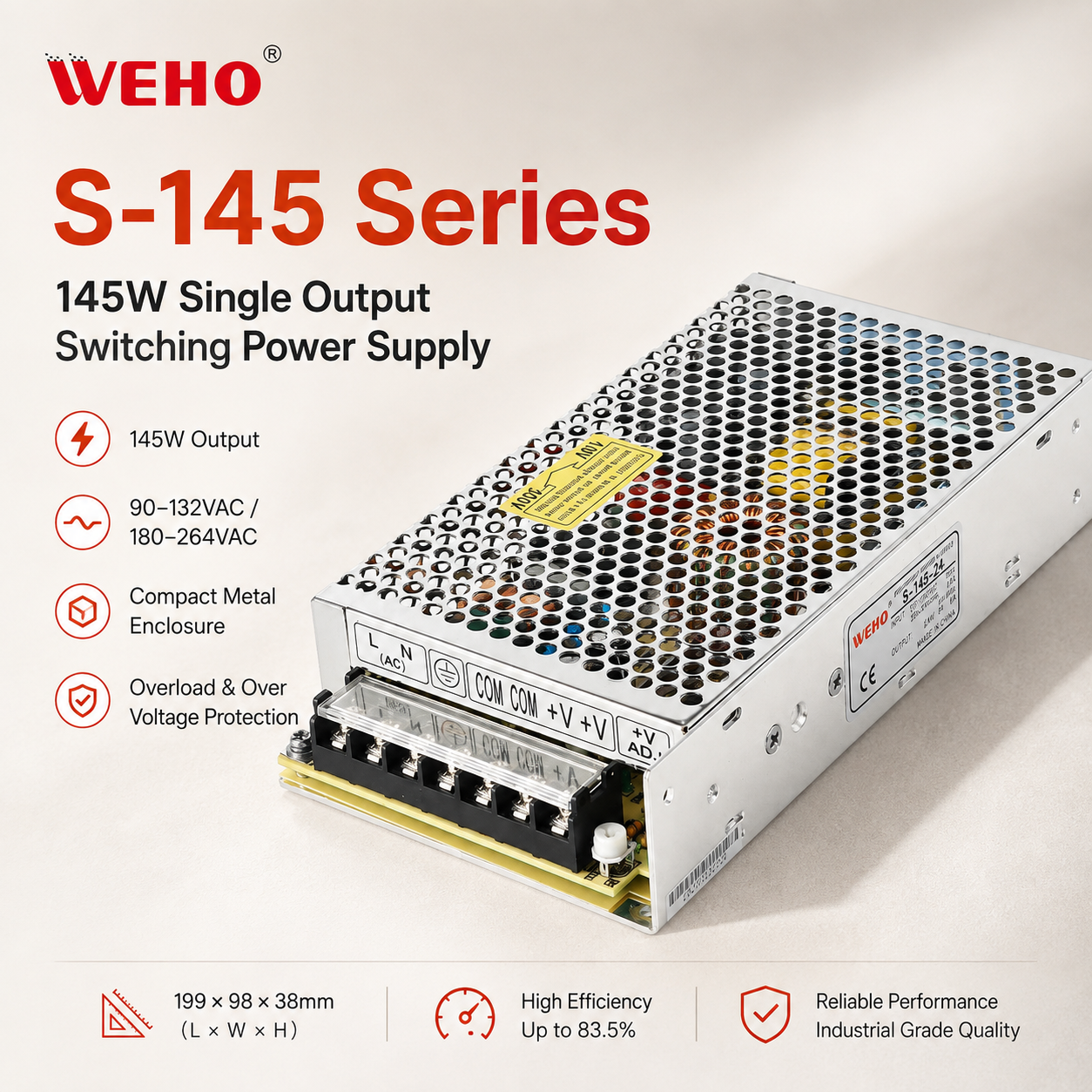
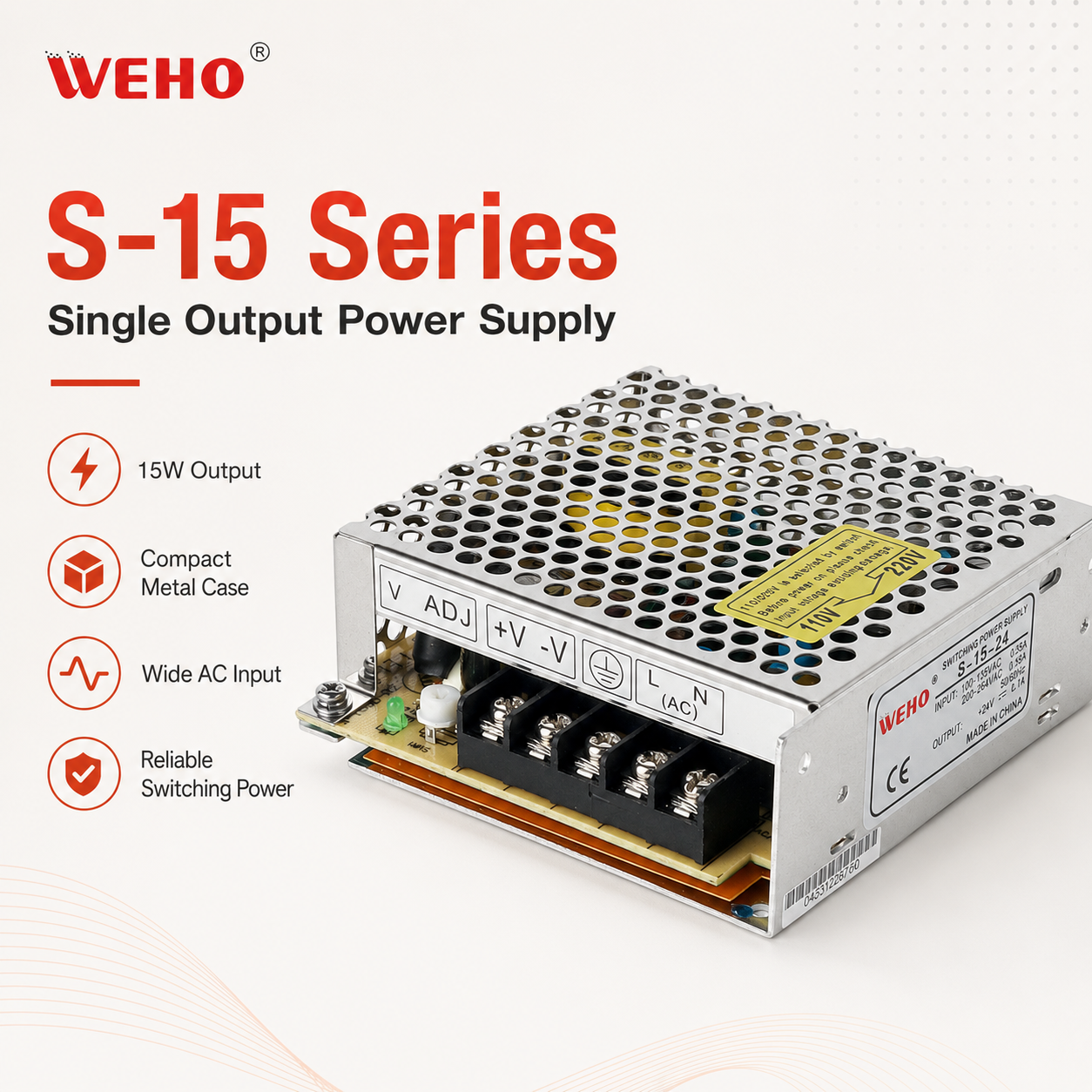
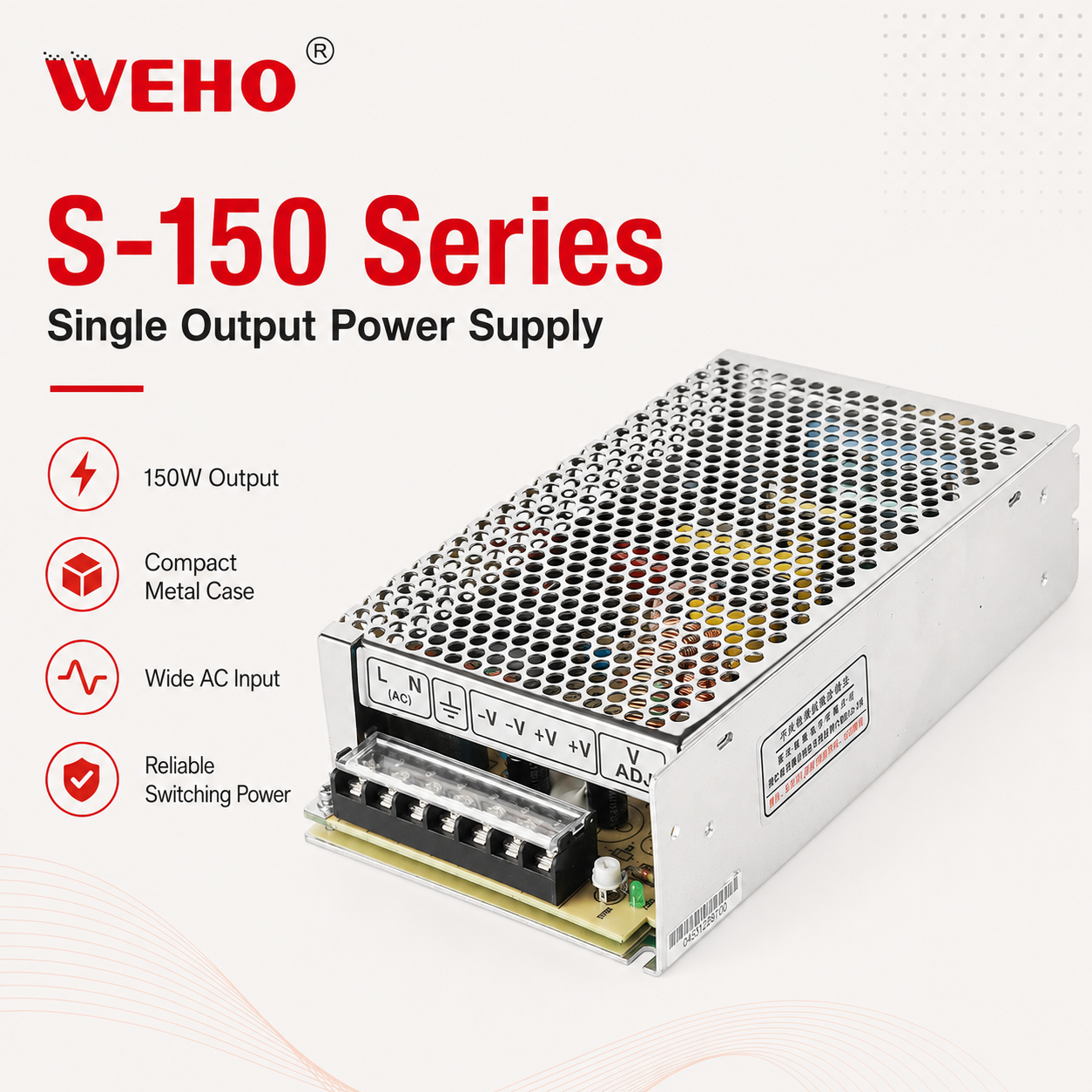
Engineered for minimal footprint, rapid thermal dissipation, and high power density across industrial voltages ranging from 5V logic to 48V telecom and vehicular bus rails.
In electrical engineering, deciding between an isolated and a non-isolated DC-DC converter represents a foundational architectural fork. For industrial machinery, smart warehouses, and tier-1 automotive manufacturing plants operating throughout Apodaca, Ciénega de Flores, and Santa Catarina, efficiency, power density, and thermal overhead are paramount metrics. A non-isolated DC-DC converter eliminates the bulky internal high-frequency galvanic isolation transformer, replacing magnetic coupling with a shared ground reference directly linking the input and output stages.
By removing the galvanic boundary, modern synchronous buck, boost, or buck-boost topologies cut conversion losses by 30% to 50% compared to traditional flyback or forward isolated circuits. The immediate operational gain is clear: efficiency ratings soaring up to 96.8%, a drastically reduced printed circuit board footprint, and superior transient load dynamics. In automated factory setups where primary AC-to-DC distribution panels (such as 48V DC bus networks) already deliver central reinforced isolation, repeating galvanic barriers at each sub-system point-of-load (PoL) creates redundant impedance, increased heat waste, and inflated bill-of-materials costs.
| Engineering Attribute | Non-Isolated Synchronous Converter | Traditional Isolated Topology | Advantage in Monterrey Plant Integration |
|---|---|---|---|
| Conversion Efficiency | 93% – 97% Typical | 82% – 89% Typical | Reduces internal cabinet cooling requirements in arid climates |
| Component Footprint | Ultra-Compact (SMD inductors, no transformer) | Bulky (Core transformers & optocouplers) | Enables high-density DIN-rail integration in space-constrained PLC panels |
| Transient Step Response | Sub-millisecond settling (Fast loop feedback) | Damped by optocoupler response latency | Ideal for high-speed dynamic loads such as multi-axis servo controllers |
| BOM & Unit Economics | Highly cost-effective (Optimized parts count) | Higher cost (Transformer winding & testing) | Supports high-volume nearshoring assembly lines with faster ROI |
| Thermal Dissipation | Minimal waste heat; direct heatsink thermal path | Concentrated core losses within magnetic cores | Reliable continuous operation up to 70°C ambient with controlled derating |
As industrial automation engineering advances toward localized 24V and 12V point-of-load regulation, Harlon designs utilize advanced multi-phase synchronous rectification and ultra-low RDS(on) MOSFETs. This ensures switching harmonics remain compliant with strict industrial electromagnetic compatibility (EMC) regulations, shielding nearby sensors, microcontrollers, and communication transceivers from unwanted noise coupling.
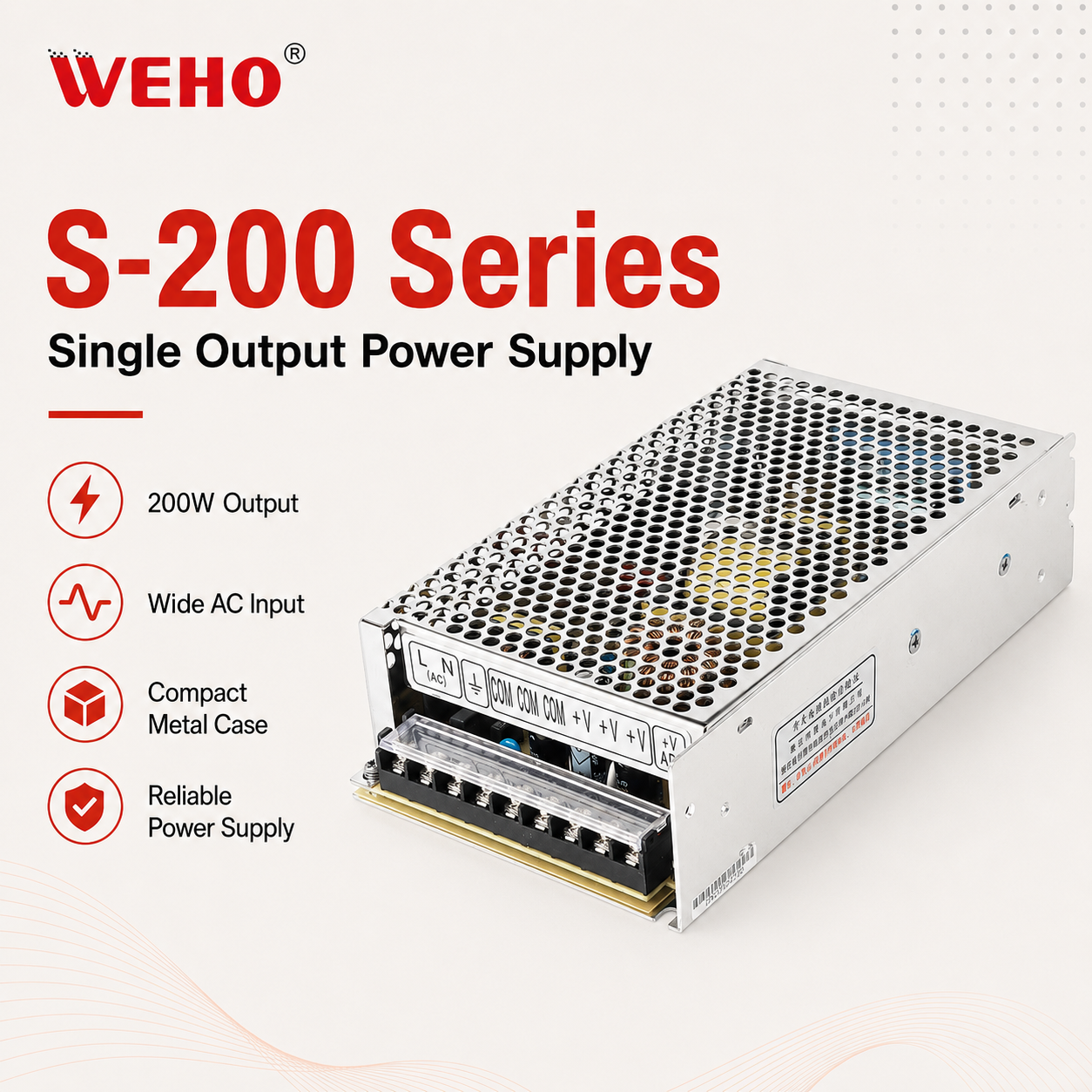
Monterrey is the beating heart of Mexico's industrial manufacturing power. Our non-isolated DC-DC converters are purpose-built to solve voltage stability challenges across high-stress operating environments.
Within robotic welding, stamping, and automated assembly cells in Ramos Arizpe and Pesquería, our step-down converters transition 48V DC bus power down to 12V and 5V. They power high-density optical sensors, industrial machine-vision cameras, and smart actuators with zero ground-bounce anomalies.
Monterrey’s fulfillment and distribution hubs rely on lithium-powered Autonomous Guided Vehicles (AGVs). Our wide-input buck-boost converters regulate fluctuating lithium pack voltages (ranging from 36V to 54V) down to ultra-stable 24V rails for navigation LiDAR, drive-wheel encoders, and safety scanners.
With aggressive corporate sustainability goals across Nuevo León, many industrial campuses integrate rooftop solar arrays with localized 48V battery banks. Harlon’s non-isolated power supplies ensure stable DC rails for PLC cabinets, fieldbus telemetry, and environmental monitoring instrumentation.
Analyzing the macro-economic and electrical engineering shifts driving procurement managers across the northern industrial corridor toward resilient direct-current ecosystems.
International capital relocating to Monterrey requires fast machine deployment. Standardized, non-isolated conversion blocks shorten engineering lead times, allowing turnkey assembly lines to commission weeks ahead of schedule.
Driven by copper conservation and lower distribution line losses (I²R), modern smart factories are migrating from 24V trunk cables to centralized 48V DC buses, creating massive local demand for high-reliability 48V-to-24V and 48V-to-12V non-isolated buck converters.
Summer ambient temperatures in industrial Monterrey frequently breach 40°C. Standard off-the-shelf power modules overheat quickly. Industrial procurement teams are prioritizing converters built with 105°C-rated Japanese capacitors, high-conductive aluminum thermal backings, and verified thermal derating profiles.
Mexican safety standards (NOM) combined with export requirements for the USMCA corridor demand products certified to CE, FCC, and RoHS standards. Machine builders require documentation showing verified low-ripple performance and robust transient suppression right out of the box.
Founded in 2007, we operate a 10,000 m² advanced manufacturing facility in Wenzhou, China. With 19 years of power electronics innovation, we deliver end-to-end quality control from raw silicon to packaged converter modules.
Our workshop, production capacities, employee workforce (51–100 specialists), and trade history have undergone comprehensive on-site physical audits and verification by SGS Group.
Our chief technology engineer brings over three decades of independent power supply design expertise, ensuring advanced topology selection, robust EMI mitigation, and tight voltage regulation.
Equipped with high-precision SMT pick-and-place systems, automatic through-hole insertion, dual-wave soldering, automated adhesive potting, and high-speed robotic laser labeling machines.
From incoming material qualification across 31 vetted tier-1 component suppliers to 100% full-load thermal burn-in aging and computerized multi-parameter functional testing before boxing.
Our certified on-site test bay includes lightning surge generators, high-voltage hi-pot insulation chambers, EMI spectrum analyzers, high-and-low temperature chambers, and multi-axis vibration tables.
We provide full custom design, sample prototyping, custom housing finishes, pinout adaptation, and private buyer labeling to seamlessly match your firm's brand identity and system chassis.
Clear, direct technical and commercial answers to streamline your supplier qualification and cross-border customs onboarding.
Yes. Non-isolated converters are designed specifically around a common negative (GND) return line. When integrating inside Monterrey automation panels, ensure all 0V reference lines are properly bonded to the cabinet's central star ground point to prevent ground loops and eliminate transient switching noise.
We routinely export into Mexico via Manzanillo port for ocean freight or via air cargo directly into Monterrey International Airport (MTY). We support FOB, CFR, CIF, EXW, and DDU incoterms, providing complete packing lists, commercial invoices with accurate HS codes, and certificate of origin documentation to work smoothly with your Mexican customs broker (Agente Aduanal).
Standard catalog non-isolated converter samples ship within 3 to 5 business days. Custom voltage ratios, terminal modifications, or specialized PCB conformally coated units for Monterrey’s industrial conditions typically sample within 12 to 15 days. Mass batch orders generally complete across our automated lines in 20 to 25 days.
Our converters use high-grade thermal conductive silicone potting compounds, heavy 2oz copper PCB layer stackups, and custom aluminum extruded enclosures. We provide clear, tested derating curves so your engineering team can right-size airflow and heat sink mounting up to 70°C without risk of sudden thermal cutoffs.
Whether you require standard 12V/24V/48V non-isolated step-down converters or fully customized high-current modules, connect directly with our power engineering team today for technical validation and sample evaluations.
Contact Us