Precision Power Conversion • Industrial Engineering
Non Isolated DC DC Converter Manufacturer & Exporter serving the Tijuana Market
High-Density Point-of-Load (PoL) Solutions, High Efficiency Step-Down/Step-Up Modules & Turnkey Power Systems for Baja California’s Electronics Assembly & Maquiladora Hubs
19+ YearsDesign & OEM Heritage
96.5%Peak Non-Isolated Efficiency
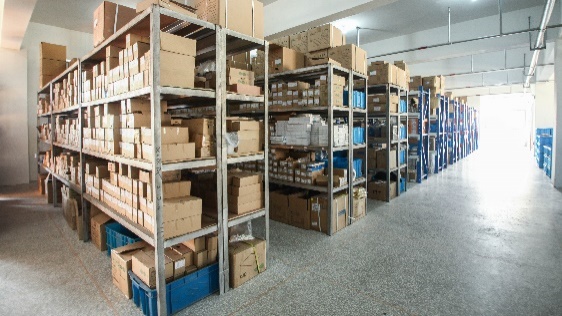
10,000 m²SGS Verified Facility
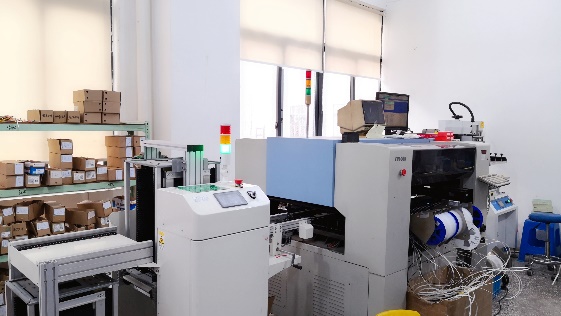
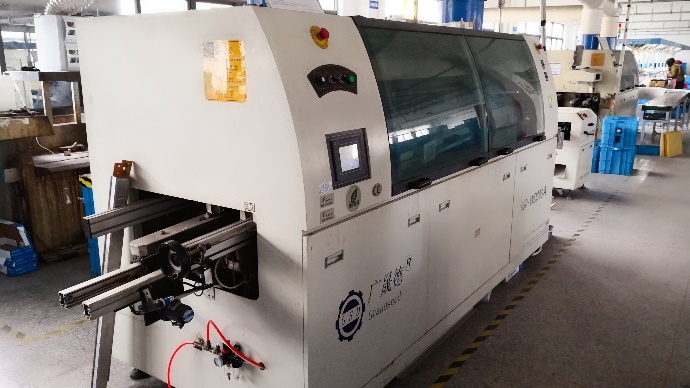
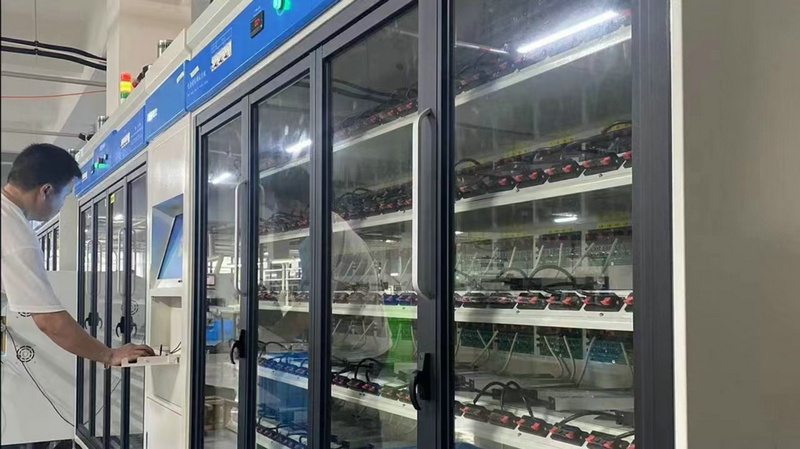
10+ LinesSMT, Wave & Auto-Test
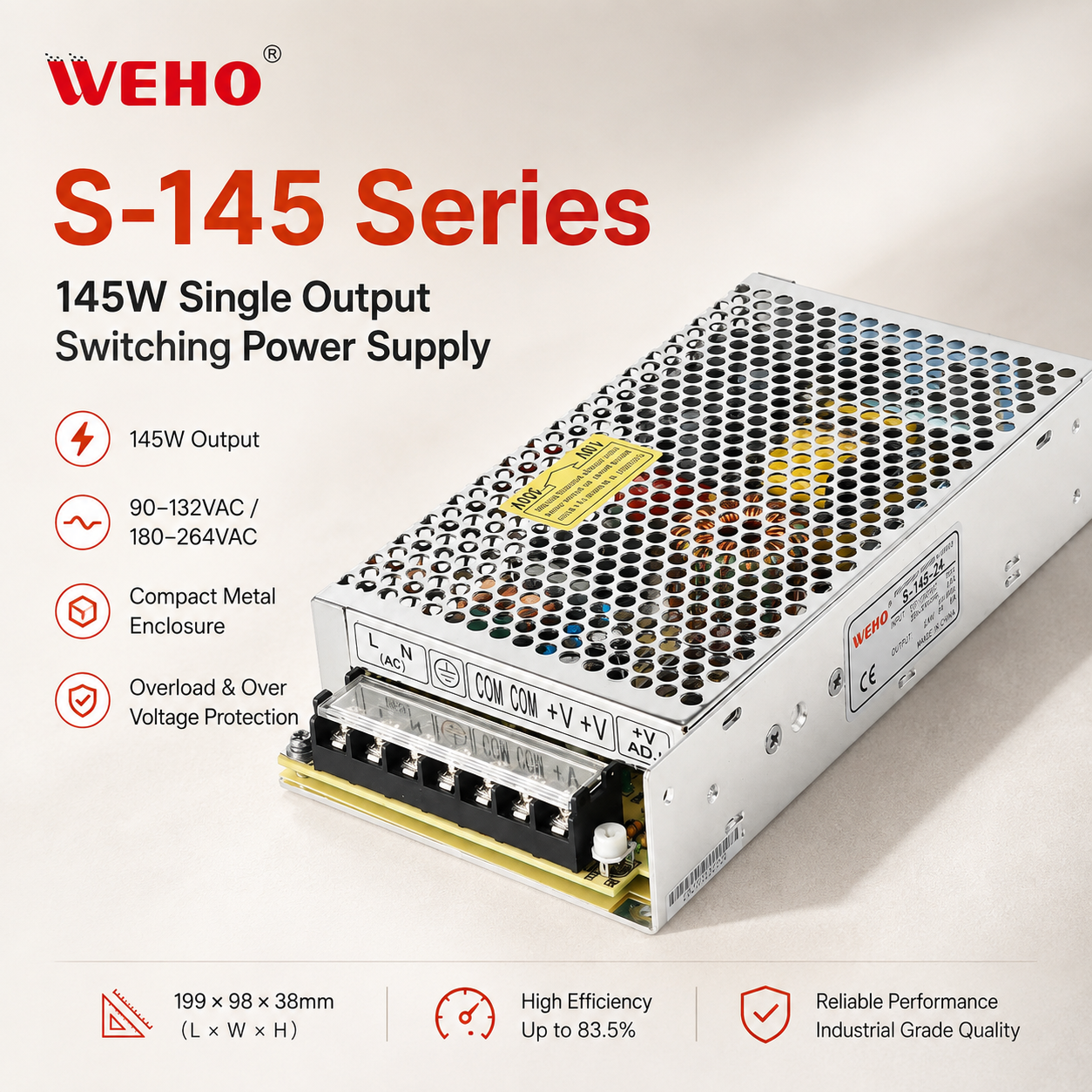
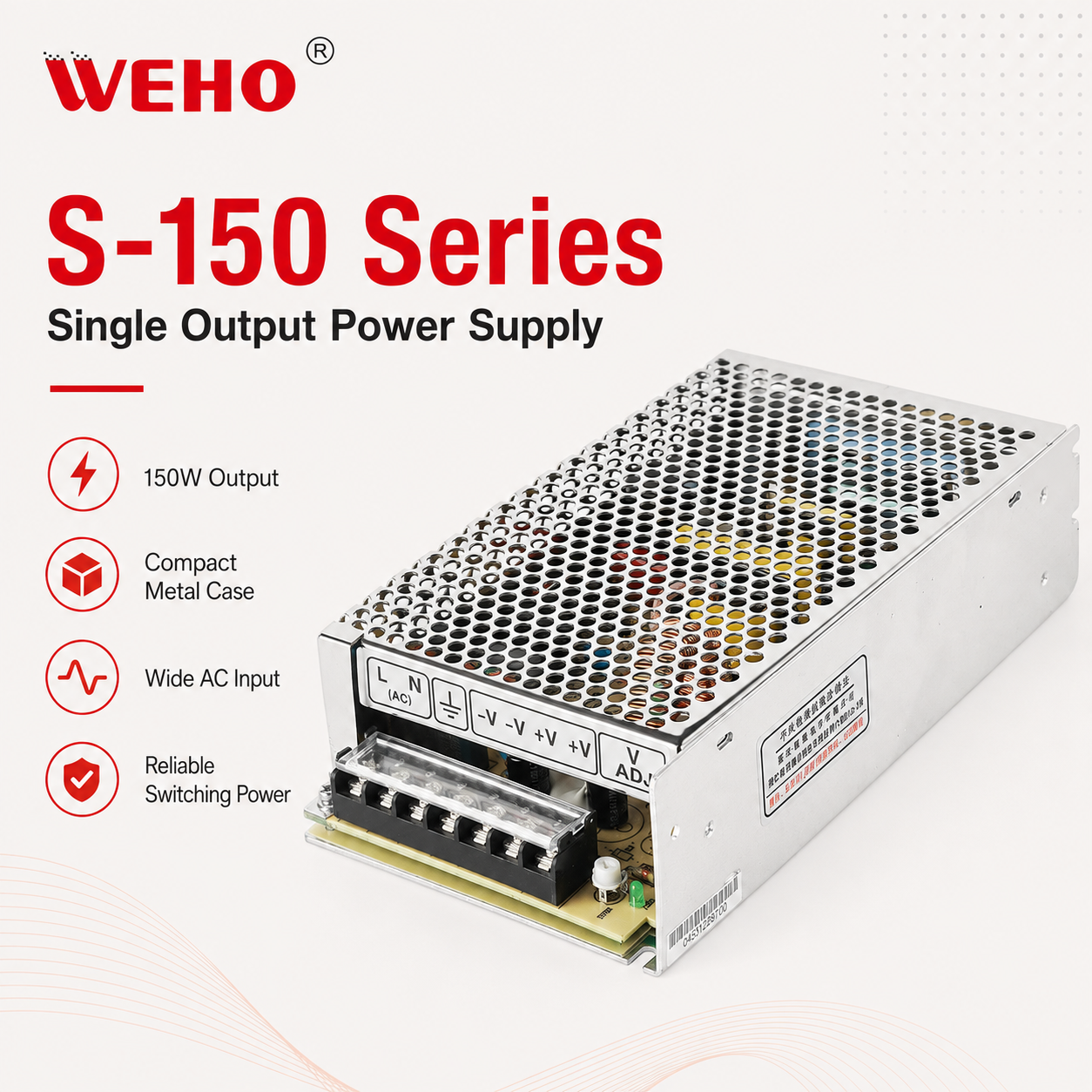
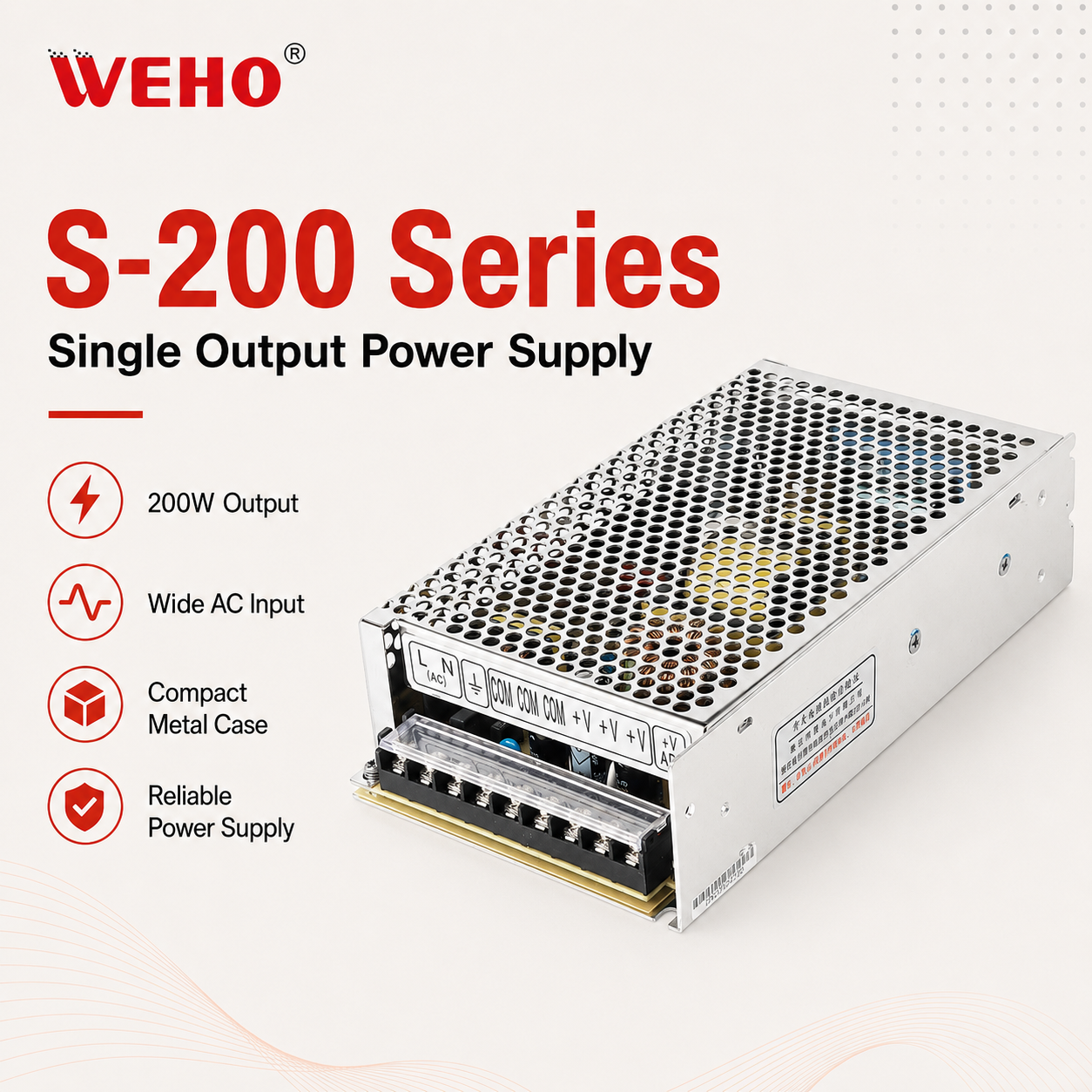
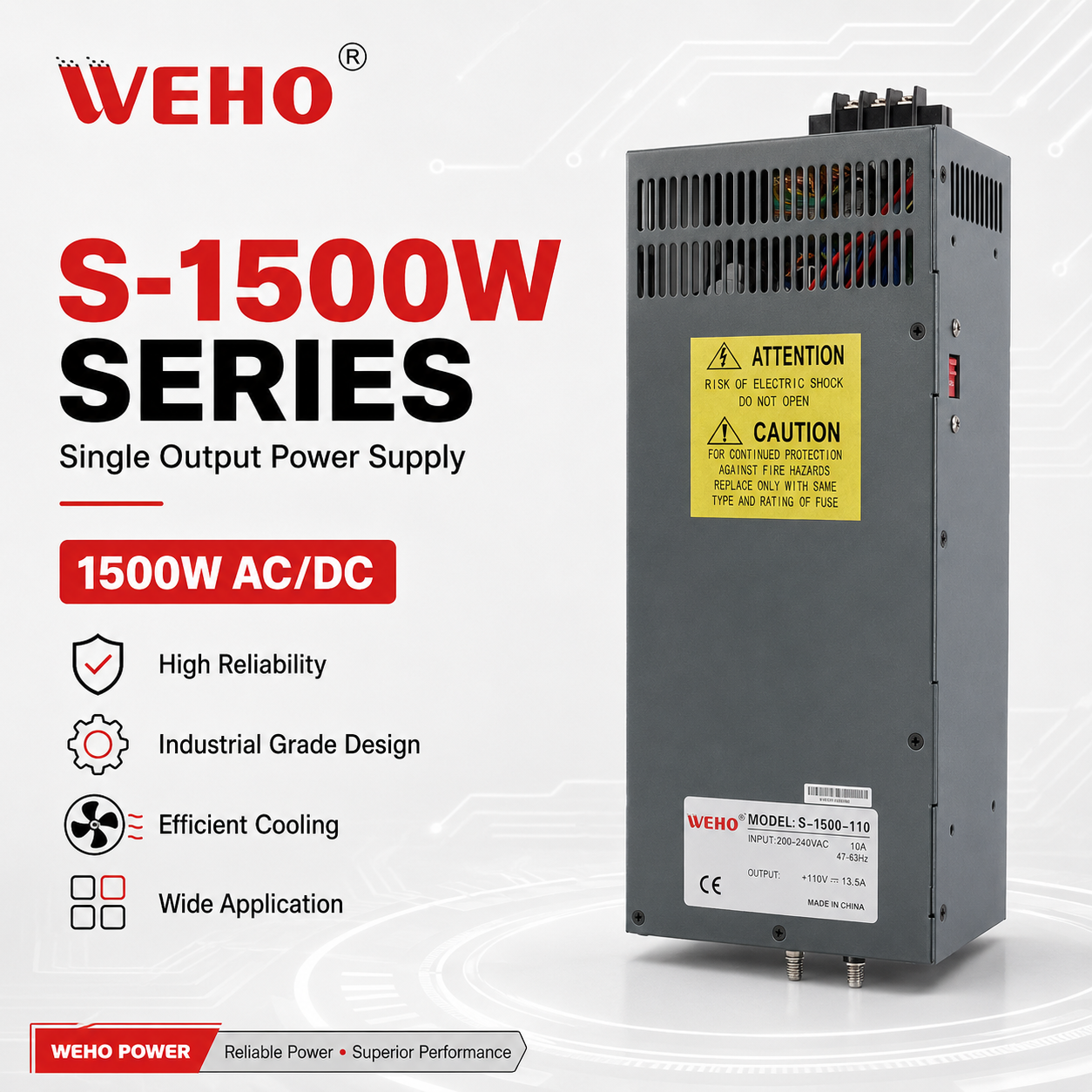
Engineered DC-DC & SMPS Modules for Tijuana Assembly
Tested for extreme thermal stress, tight output ripple, and high shock-tolerance. Explore primary catalog configurations and multi-rail sub-assemblies customized for nearshore industrial systems.
Engineering Deep Dive: The Strategic Role of Non-Isolated DC-DC Converters in Tijuana
In modern electronic design and distributed power architectures (DPA), power engineers routinely weigh the engineering trade-offs between isolated topologies and non-isolated synchronous buck/boost architectures. For the vast electronics manufacturing ecosystem across Baja California, non-isolated DC-DC converters represent the gold standard when footprint reduction, thermal efficiency, and dynamic load transient performance are paramount.
Unlike isolated topologies that require bulky planar or wire-wound isolation transformers, optocouplers, and isolated feedback feedback networks, non-isolated topologies (such as synchronous buck, non-inverting buck-boost, and charge-pump topologies) connect the input and output return rails directly to a common ground path. By eliminating magnetic isolation barrier losses, non-isolated switching regulators systematically achieve conversion efficiencies exceeding 94% to 97.2%. This directly mitigates thermal dissipation bottlenecks inside densely packed NEMA enclosures, fanless industrial IPC chassis, and automated medical diagnostic consoles assembled across Tijuana’s industrial parks (such as Parque Industrial El Florido, Otay, and Valle Bonito).
Evaluation Parameter
Non-Isolated Synchronous Buck Module
Standard Isolated DC-DC Module
Engineering Impact on Tijuana SMT/Assembly
Typical Peak Efficiency
94.0% – 97.5%
84.0% – 89.5%
Less localized heatsinking needed; eliminates secondary forced-air cooling.
Power Density (W/in³)
Up to 150 – 300 W/in³
40 – 80 W/in³
Enables ultra-compact Point-of-Load (PoL) integration on multi-layer PCBA boards.
Step-Load Transient Recovery
Fast (< 25μs for 50% load steps)
Moderate (50μs – 150μs)
Maintains tight Vout tolerance for high-speed microcontrollers, FPGAs, and DSPs.
Bill of Materials (BOM) Cost
Economical (Minimal copper & core mass)
Higher (Complex transformers & optos)
Significantly reduces unit assembly cost for competitive maquiladora export lines.
Ground Loop Architecture
Common Ground (Non-galvanic)
Galvanic Isolation (>1.5kV – 3kVDC)
Requires clean, common ground layout; optimal for single-cabinet automation.
For precision electronics manufacturers operating under IMMEX/Maquiladora programs in Tijuana, adopting non-isolated regulators on intermediate bus architectures (typically stepping down a primary 48V, 36V, or 24V bus down to point-of-load rails of 12V, 5V, 3.3V, or 1.8V) drastically slashes physical weight, lowers Bill-of-Materials cost, and minimizes board-level component failure rates (MTBF > 500,000 hours per Telcordia SR-332 standards).
Localized Industrial Applications in Tijuana & Baja California
Tijuana stands as North America’s most dynamic medical device, automotive electronics, and aerospace manufacturing clusters. Here is how our power solutions integrate seamlessly into regional manufacturing realities.
Medical Device Sub-Assemblies
In medical manufacturing plants across Parque Industrial Otay, non-isolated point-of-load converters regulate logic rails for patient monitor motherboards, IV infusion displays, and motorized surgical bed controls after an approved isolated primary AC/DC barrier.
Automotive & EV Harnessing
Tier-1 automotive electronics facilities in Tijuana use non-isolated buck regulators to efficiently transition 24V/48V commercial automotive battery bus lines to 12V/5V telematics, LiDAR processing modules, and cabin infotainment testing rigs.
Industrial Automation & Robotics
High-speed pick-and-place lines, robotic arms, and packaging conveyors across El Florido demand ultra-clean 24V to 5V/12V stepping for optoelectronic sensors, PLC field buses, and pneumatic valve solenoid drivers operating without thermal shutdowns.
Cross-Border Nearshoring Trends: Why Tijuana Sourcing Demands Agile Power Partners
The rapid acceleration of nearshoring in Mexico has positioned Tijuana as a prime global nexus for manufacturing electronics destined for the United States, Canadian, and Latin American markets. With the USMCA (United States-Mexico-Canada Agreement) enforcing strict rules of origin and supply chain transparency, procurement leaders and lead process engineers face unique sourcing challenges:
Fast Turnaround Cross-Border Logistics: Sourcing from Zhejiang Harlon Electronic gives assembly plants direct freight channels via Long Beach/San Diego ports and Otay Mesa commercial crossings, supported by complete customs documentation (HS Codes, Certificates of Origin, and SGS Factory Verification).
Stringent Power Grid Mitigation: Regional electrical grids in northern Baja California experience voltage sags and switching spikes during peak summer production cycles. Our DC-DC modules and front-end SMPS units feature broad input tolerances, built-in transient suppression, and high input surge withstand capability.
Custom Mechanical Enclosures & Heat Sinking: When designing into sealed enclosures, standard catalog parts often fall short. We engineer custom aluminum housings, conformal coating for humidity and airborne particulate protection, and specialized pin/wire harnesses configured to your exact line layout.
Factory Verified Infrastructure & Rigorous Quality Control
Backed by over 19 years of independent power conversion engineering, 10,000 square meters of production floor space, and on-site SGS supplier audits.
Incoming Material (IQC)
High-Speed SMT Placement
Lead-Free Wave Soldering
100% Loaded Burn-in Aging
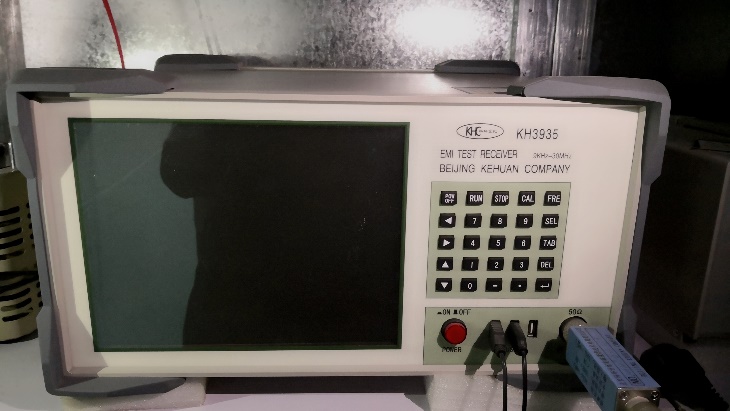
Conducted EMI Compliance
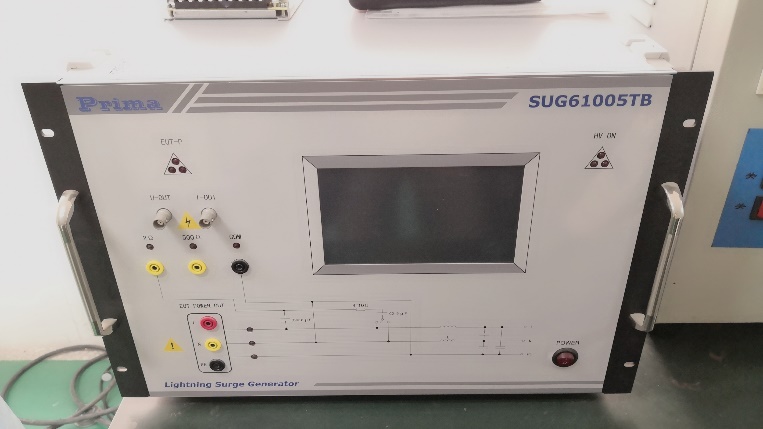
Lightning Surge Immunity
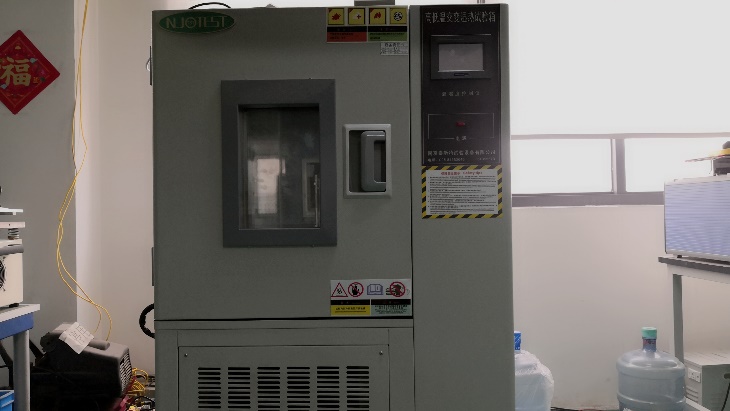
Thermal Cycling Chambers
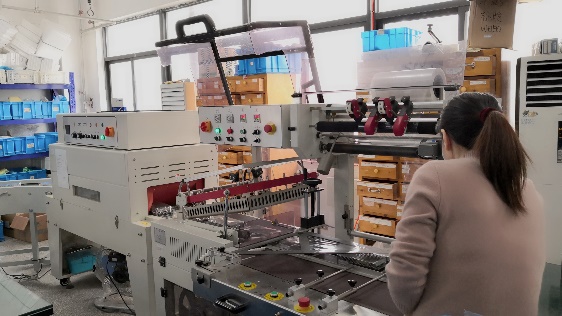
Moisture-Barrier Export Pack
Frequently Asked Questions for Tijuana Procurement Teams
Direct answers for buyers, supply-chain specialists, and lead electrical engineers sourcing industrial power units for Mexico assembly plants.
Can non-isolated DC-DC converters be safely used in medical equipment built in Tijuana?
Yes, provided they operate on the secondary side of a certified isolation barrier. In standard medical electrical systems (IEC 60601-1), an approved primary AC/DC converter provides the required 2x MOPP (Means of Patient Protection) galvanic isolation. Downstream non-isolated PoL converters then efficiently step down the voltage to microprocessors, LCD screens, and sensory circuits with minimal heat and footprint.
How do your non-isolated DC-DC regulators handle ground loop issues in complex factory automation?
Because non-isolated converters share a common input/output return (GND), careful single-point chassis grounding and star-grounding layouts are recommended. Our modules integrate internal bypass capacitors, high-frequency LC filtering, and ferrite damping to eliminate common-mode ground noise and maintain clean communication buses across industrial RS-485, CAN, or Ethernet backbones.
What documentation is provided to satisfy IMMEX maquiladora compliance and Mexican customs (Aduanas)?
Every shipment is accompanied by commercial invoices, packing lists with net/gross weights and detailed HS code classifications, Certificates of Origin, CE/RoHS declarations, and our on-site SGS assessment verification. We coordinate with your licensed Mexican customs broker (Agente Aduanal) at Otay Mesa or Tijuana International to ensure smooth clearance without supply chain delays.
What is your OEM/ODM lead time for custom voltage or connector configurations?
Engineering sample evaluation units are generally dispatched within 7 to 12 working days. Full mass-production runs on custom layouts (including buyer labels, specific terminal block terminations, conformal coating, or non-standard output voltages) typically range between 3 to 4 weeks, with expedited emergency batches available upon request.
Do you support sample validation and pre-production testing prior to volume purchase orders?
Absolutely. We encourage rigorous qualification on your automated test fixtures. We supply complete laboratory test reports covering line/load regulation, ripple & noise oscillograms, temperature rise curves under full rated load, and conducted EMI sweeps to simplify your engineering sign-off.
Accelerate Your Tijuana Power Supply Procurement
Speak directly with our power electronics engineering team. Whether you need standard high-power SMPS chassis units or customized non-isolated DC-DC modules for high-volume SMT manufacturing, we deliver competitive factory direct pricing, verified reliability, and dependable technical support.
 Deutsch
 Español
 Français
 Português
 Italiano
 Русский
 العربية
 Türkçe