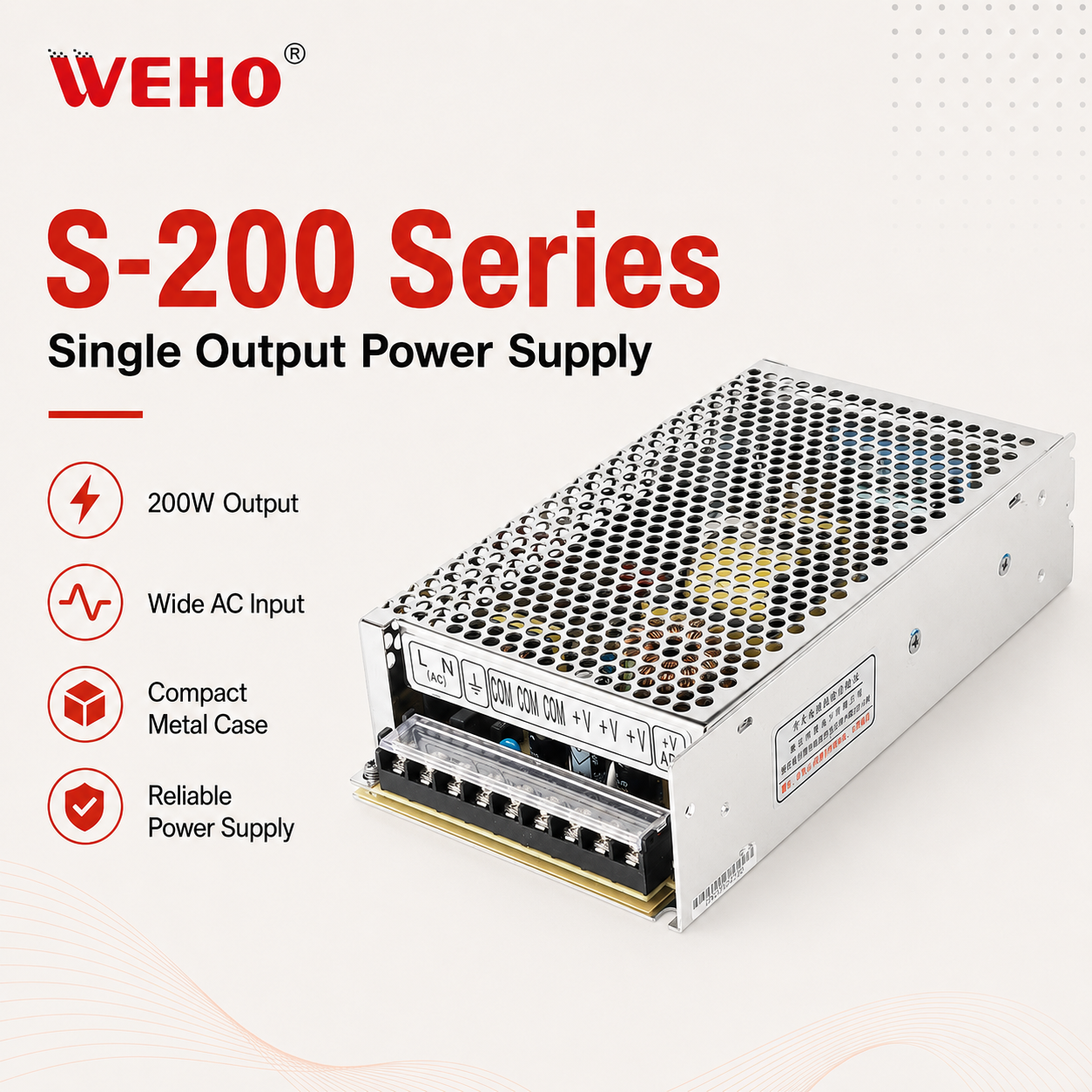
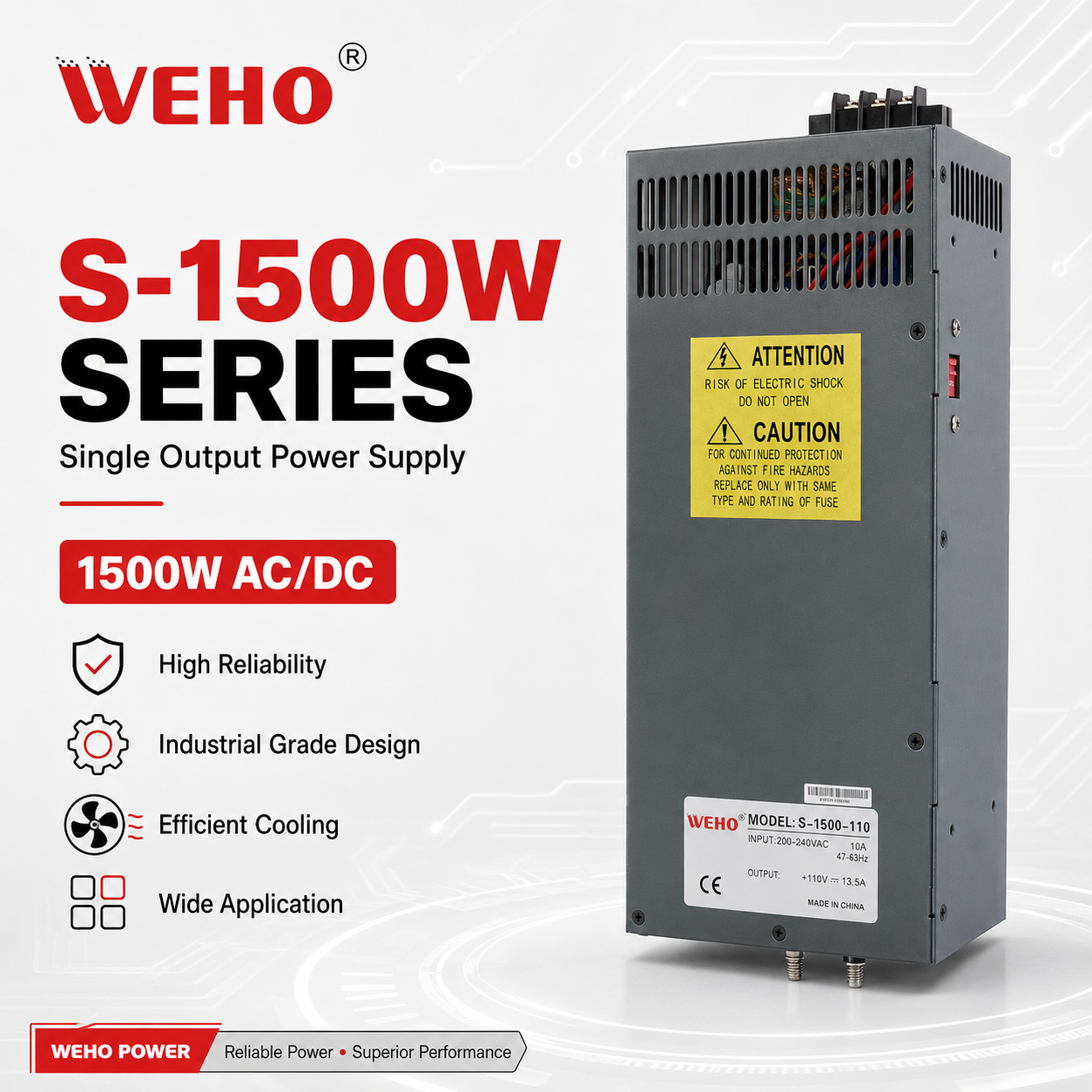
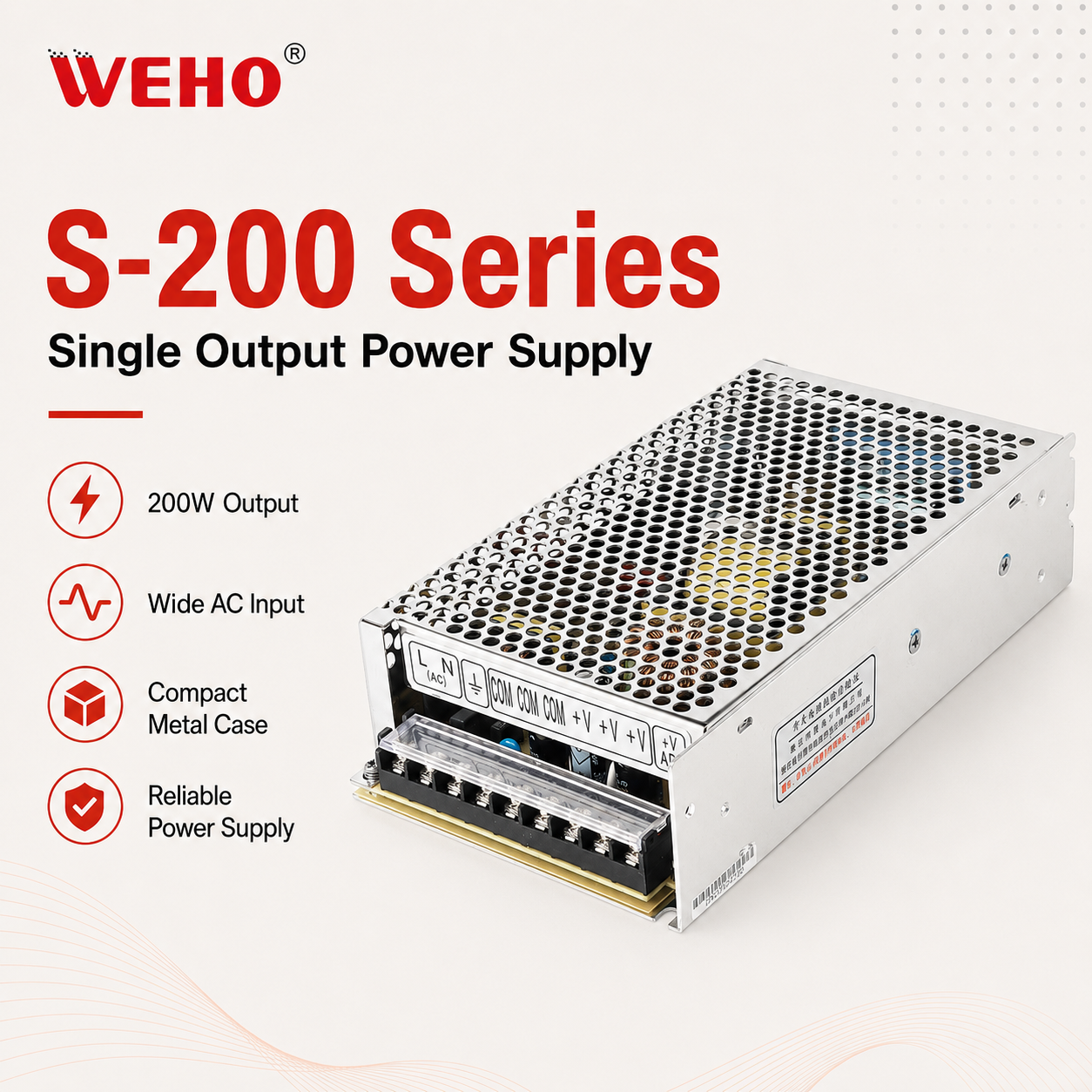
High-efficiency conversion platforms engineered with low ESR imported components, robust thermal dissipation, and dynamic line regulation suited for fluctuating industrial supply networks.
A rigorous examination of electrical step-down efficiency, thermal derating calculations, and shared-ground design in Southeast Asian infrastructure.
In modern industrial and utility-scale deployments across Siem Reap and the greater Tonle Sap basin, energy engineers face complex power delivery challenges: substantial ambient thermal baselines (consistently exceeding 38°C during dry seasons), high relative atmospheric humidity (frequently hitting 90% in monsoon periods), and significant line variance on the local electric distribution grids. Selecting intermediate voltage conversion topologies between high-voltage direct current (HVDC) solar arrays or localized battery energy storage systems (BESS) and sensitive endpoint electronics requires precise topological evaluation.
While galvanically isolated converters utilize magnetic coupling via high-frequency transformers to ensure total electrical boundary separation between input and output circuits, non-isolated DC-DC converters—predominantly synchronous buck (step-down), boost (step-up), and non-inverting buck-boost configurations—operate via shared common-ground configurations utilizing high-speed MOSFET switching matrices and precision energy-storage inductors. By eliminating bulky transformers, non-isolated architectures achieve conversion efficiencies ranging from 94% to 98.2%, substantially minimizing internal power losses ($P_{loss} = I^2 \cdot R_{ds(on)} + P_{sw}$) that would otherwise compound localized system heat.
For systems operating within Siem Reap's municipal, agricultural, and hospitality infrastructure—where ground loops can be methodically managed and common electrical potentials are stabilized—non-isolated power supplies offer profound benefits: significantly reduced component volumetric footprints (upwards of a 40% reduction compared to equivalent enclosed isolated power converters), dramatically superior transient load response characteristics under fast dynamic changes, and cost reductions exceeding 30% per kilowatt managed.
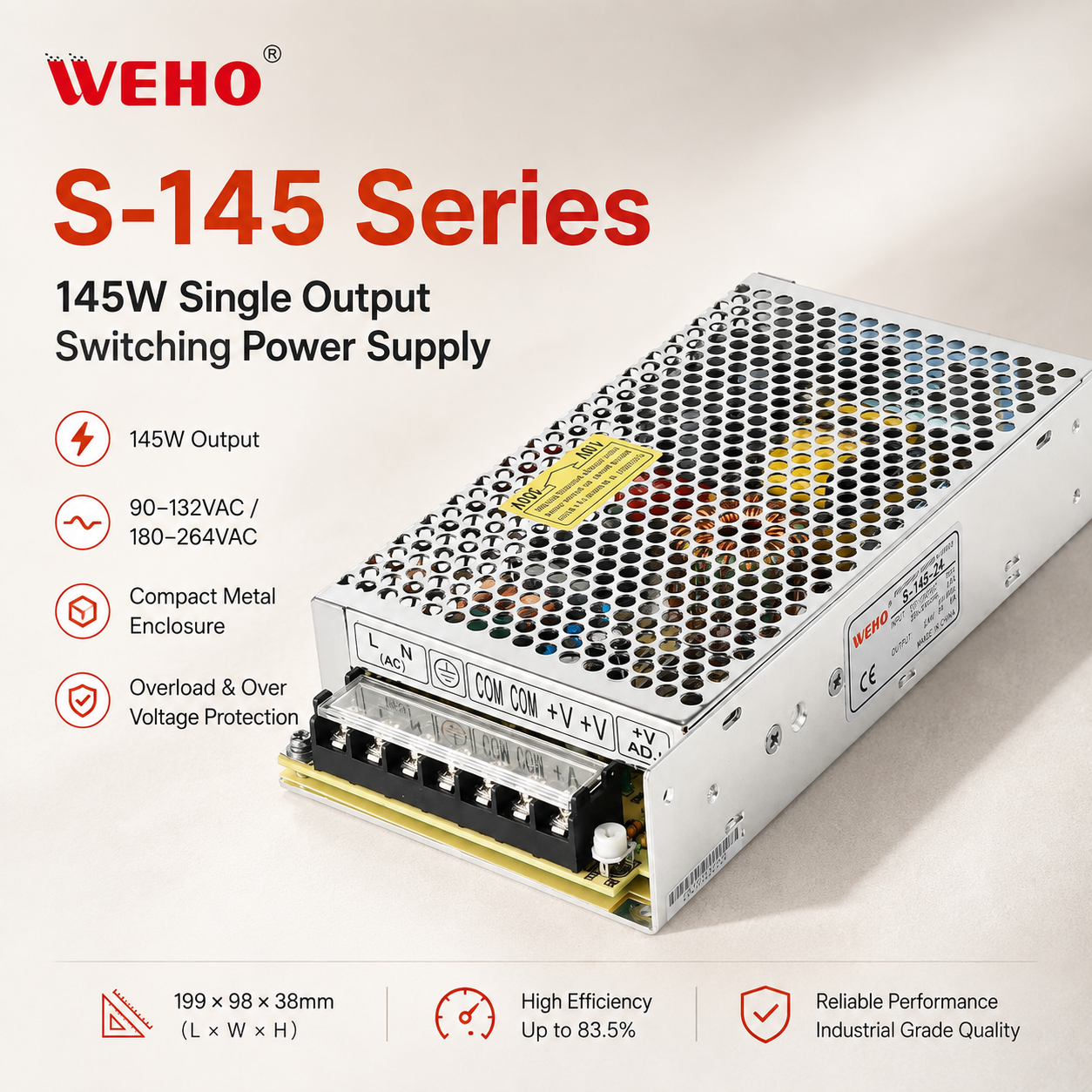
Precision power solutions tailored to the operational realities of Siem Reap's unique blend of cultural heritage preservation, commercial hospitality, and rural agro-energy systems.
Siem Reap hosts dozens of luxury eco-resorts and boutique hospitality properties around Angkor Park and Svay Chek operating localized 48V/24V solar BESS. Non-isolated synchronous step-down converters reliably step 48V DC bus architectures down to low-voltage 12V and 24V rails for architectural LED lighting runs, HVAC micro-controllers, and smart room management interfaces without thermal runaway.
Managing tourist flows and preserving archaeological zones across the Angkor Archaeological Park demands uninterrupted multi-camera surveillance grids. Our high-efficiency DC-DC modules regulate long DC feeder trunk lines prone to heavy voltage drops, supplying stable 12V and 24V intermediate feeds to PTZ cameras, infrared illuminators, and optical traffic sensors.
In rural Siem Reap districts like Prasat Bakong and Chi Kraeng, solar-driven agricultural pumping stations and automated greenhouse setups rely on ruggedized power converters. These units step varying DC voltages directly from solar strings into calibrated 24V feeds for precision telemetry, solenoid flow valves, and remote IoT moisture detection sensors.
How the Cambodian National Energy Efficiency Policy (EE Policy 2030) and infrastructure investments are transforming power supply sourcing.
Driven by Cambodia's high commercial electricity tariffs, commercial facilities throughout Siem Reap are pairing grid power with rooftop PV and lithium storage, accelerating demand for high-efficiency DC bus regulation.
Due to intense tropical humidity and high salt/dust exposure near seasonal wetlands, procurement specifications in Siem Reap increasingly mandate Class-III conformal coating on all switching circuitry.
The rapid shift toward electric tuk-tuks, electric scooters, and clean tourism shuttles across Siem Reap's city center drives standard procurement for high-amperage 48V-to-12V onboard buck converters.
Provincial development funds are prioritizing mini-grids for off-grid communities. High-frequency non-isolated step converters play a pivotal role in keeping balance-of-system (BOS) capital costs viable.
Direct technical and commercial answers for project engineers, EPC contractors, and electronics distributors sourcing switching supplies.
A vertically integrated Chinese power electronics manufacturer certified under ISO 9001 and verified on-site by SGS.
Over 19 years dedicated strictly to industrial switching power conversion, scaling to 10,000 m² of modern workshops with 51–100 trained technical personnel.
Production facilities, assembly lines, automated SMT setups, and trade compliance fully verified on-site by SGS Group for transparent cross-border procurement.
High-speed surface mount technology, automatic axial insertion, dual-liquid polyurethane potting machinery, and automated wave soldering guarantee process repeatability.
Equipped with high-low temperature stress chambers, lightning surge generators, EMI shielding test chambers, vibration test benches, and digital aging load banks.
Every industrial unit goes through elevated temperature full-load electrical aging before pack-out, keeping early field failure rates exceptionally low.
Sample-based customization, custom metal stamping/chassis, custom silkscreens, client branding, and custom PCB footprints delivered with fast turnaround.
Submit your electrical requirements (Input/Output voltage, amperage, ingress rating, and target quantity) for immediate technical review from our factory engineering team.